Things to do and see in Sintra
Fairytale palaces
Plan your Trip
Your tailor-made itinerary – No cost, no commitment
Excellent
4.5 of 5
5,056Reviews
Excellent
What should you do in Sintra?
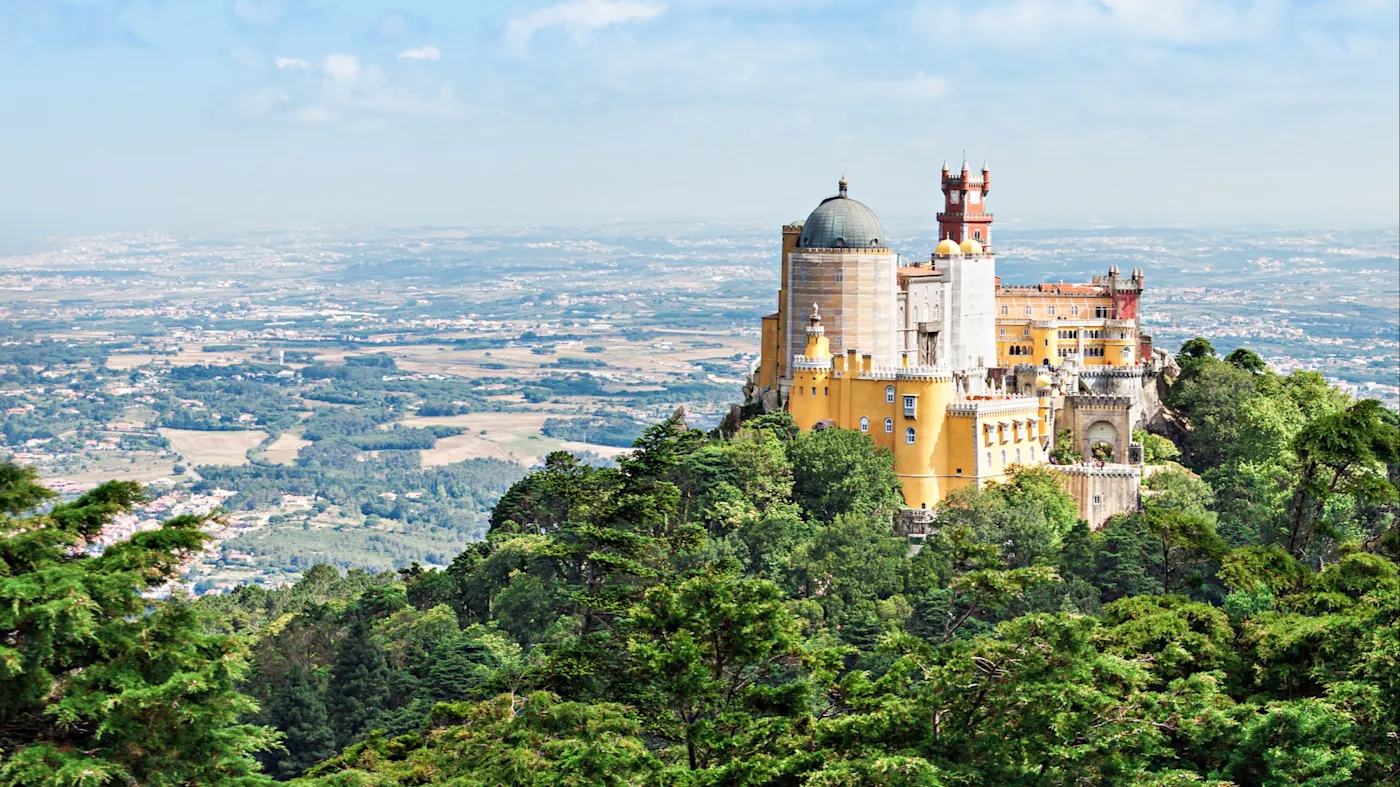
Sintra is a real gem when it comes to magnificent historical architecture. The city has an extraordinary wealth of unusual magnificent buildings. Buildings such as the extravagant Palacio Nacional de Pena, which is considered the "Portuguese New Swan Stone", or the fairytale-like Monserrate Palace combine a wide variety of architectural styles in an incomparable way. The Palacio Nacional de Sintra, the former summer residence of the Portuguese kings, stands out with its huge chimneys and magnificent halls, as does the Quinta da Regaleira manor house with its enchanted garden. The ruins of the Moorish castle, perched high up on a fantastic vantage point, are more down-to-earth.
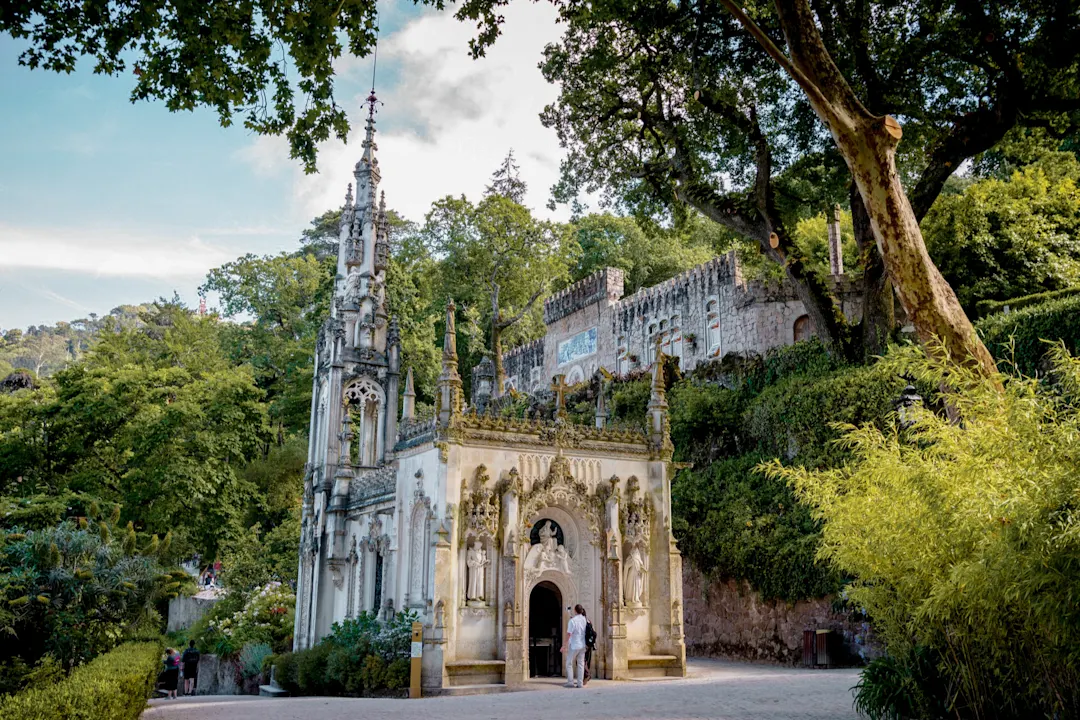
Quinta da Regaleira
Manor house with a magical atmosphere
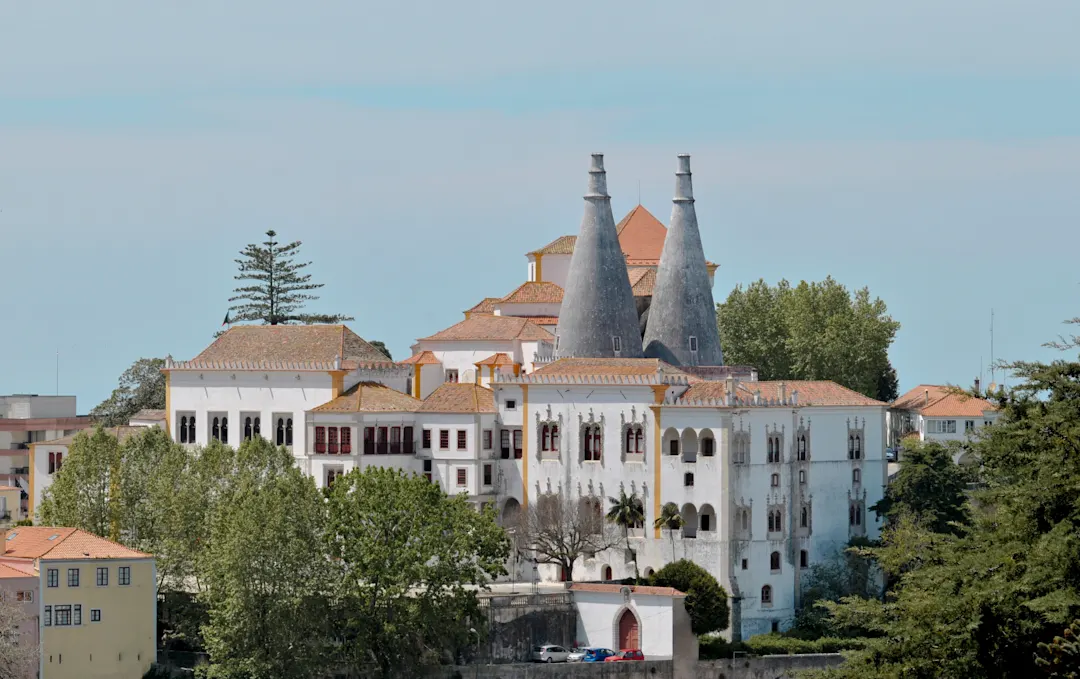
Palacio Nacional de Sintra
Summer residence of the Portuguese kings
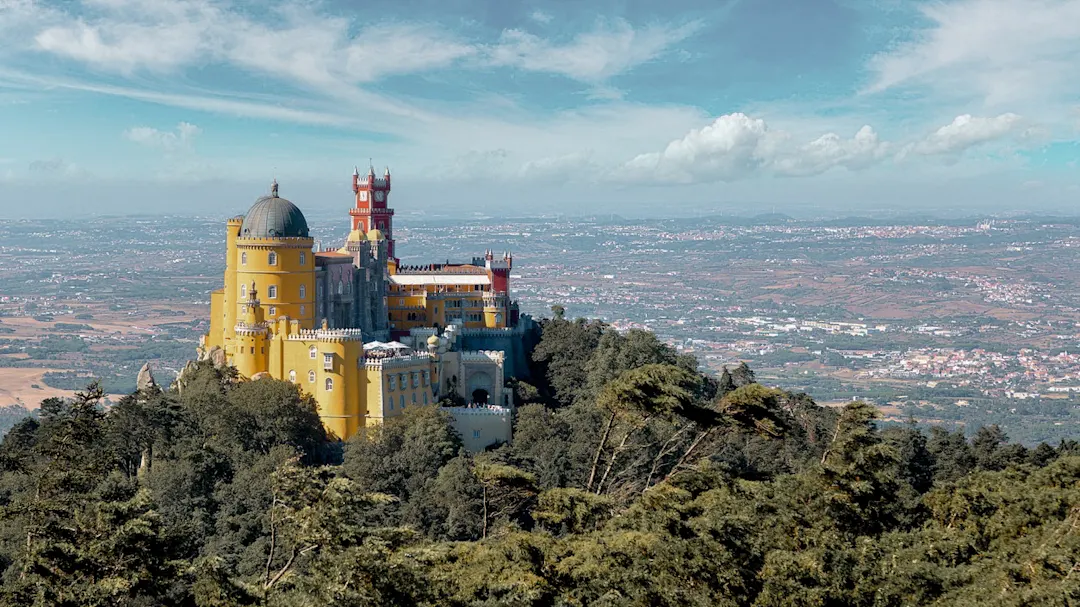
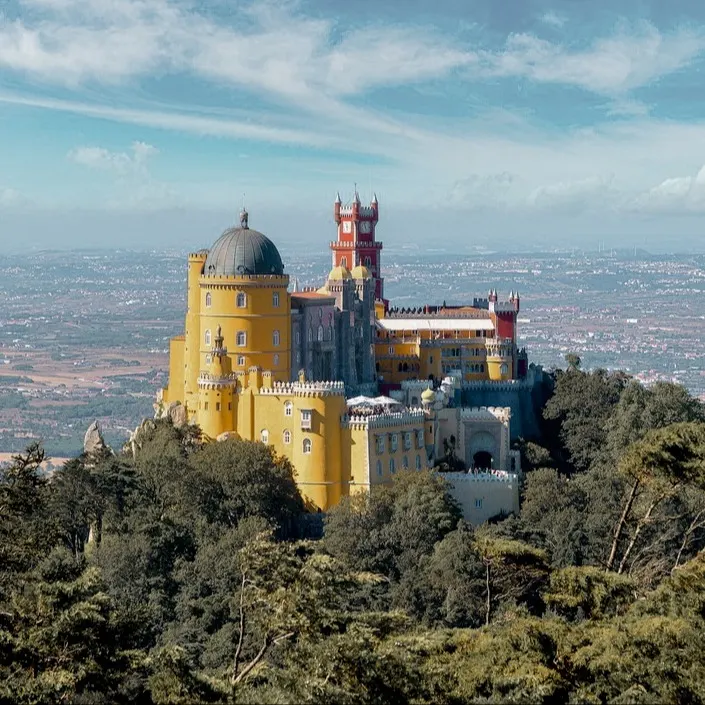
Palacio Nacional de Pena
“The Neuschwanstein of Portugal”
What are the best sights in Sintra?
1. Palácio Nacional da Pena
A trip to Sintra isn’t complete without visiting the Palácio Nacional da Pena. Commissioned in 1842 by King Ferdinand II, the palace was designed to feel as dramatic as an operatic scene — a vision reflected in its vibrant colors and striking architecture. Many of the furnishings inside are original, and the surrounding Pena Park is just as impressive, with lakes, hidden pathways, and viewpoints like Cruz Alta, the region’s highest peak at 529 meters.
View more details
2. Quinta da Regaleira
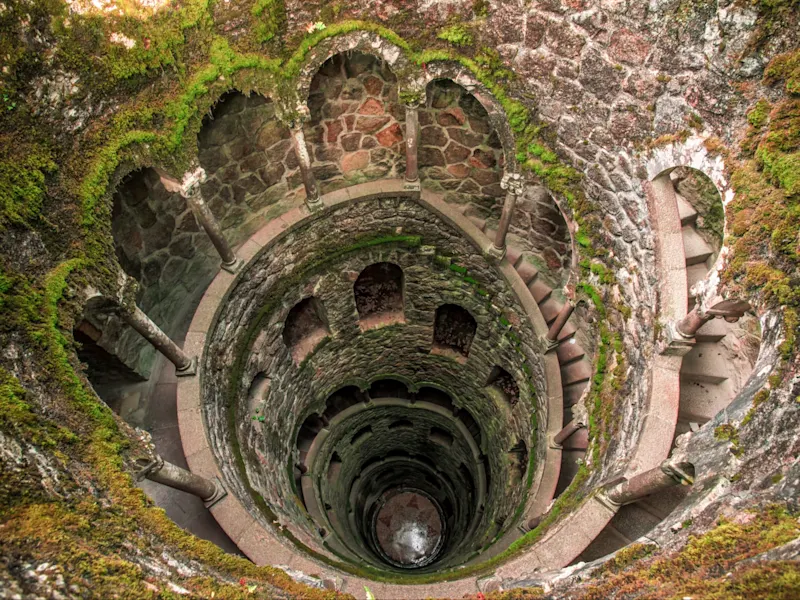
Quinta da Regaleira is a neo-Manueline estate built in the early 20th century with a mysterious, almost dreamlike atmosphere. Its gardens are filled with surprises — concealed grottoes, ornate sculptures, a small waterfall, and the iconic Initiation Well, a spiraling underground tower once used for Masonic ceremonies.
3. Castelo dos Mouros
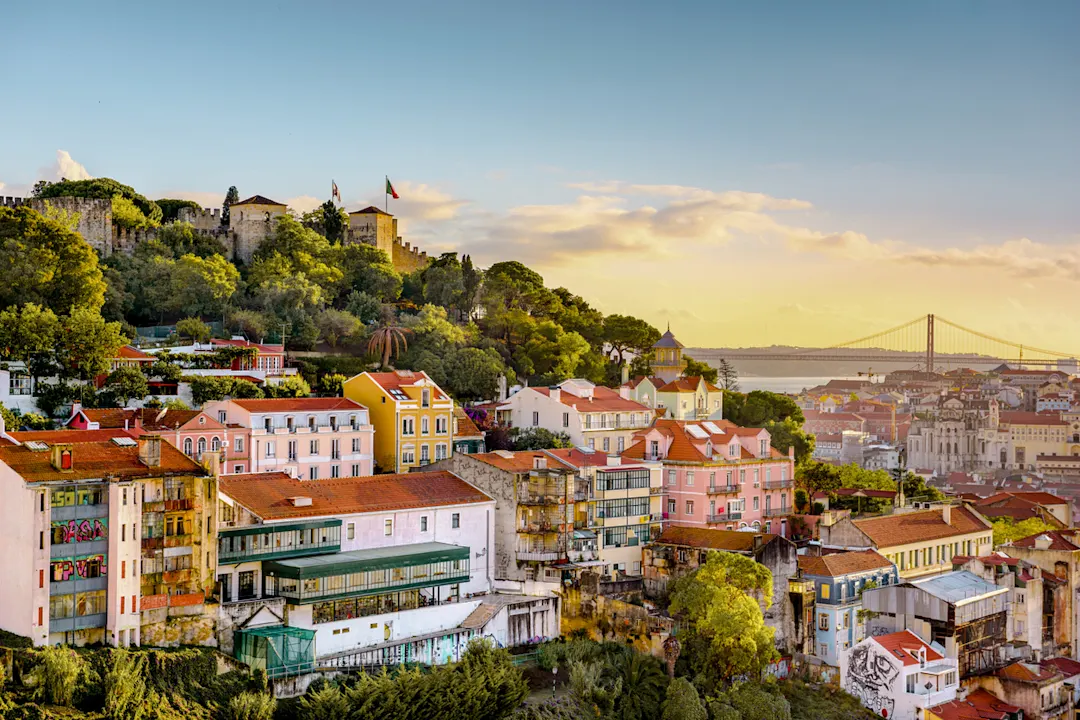
Overlooking Sintra from a rugged mountain ridge, the Moorish Castle dates back to the 9th century. Its elevated position made it an ideal defensive site. Today, travelers wander its ancient battlements to enjoy sweeping views of the region. Highlights include the museum, a Romanesque chapel, a large cistern, and a traditional Moorish horseshoe-arched gate.
4. Monserrate Palace
Monserrate Palace feels like a fairytale brought to life. Built in the 19th century, it blends architectural styles from around the world, creating one of Sintra’s most distinctive landmarks. Its exotic gardens are equally captivating, featuring global plant species across themed sections like the Rose Garden, the Japanese Garden, the Valley of Ferns, and the Mexico Valley.
5. Palácio Nacional de Sintra
Located in the heart of Sintra’s Old Town, the Palácio Nacional de Sintra is instantly recognizable by its two 108-foot conical chimneys. Once the summer residence of Portuguese royalty, it now welcomes visitors into lavishly decorated halls. The Magpie Room — with paintings symbolizing the queen’s ladies-in-waiting — is a standout, along with the Swan Room, the Coat of Arms Hall, and the beautifully preserved chapel.
6. Convent of the Capuchos
Hidden deep in the forest, this 16th-century Franciscan convent is one of Sintra’s most serene places. Built using cork, stone, and natural rock formations, it offers a peaceful contrast to Sintra’s grand palaces. It’s an inspiring stop for travelers who want to experience the region’s quieter, contemplative side.
7. Seteais Palace
Seteais Palace is an elegant 18th-century neoclassical estate that now operates as a luxury hotel. Even if you're not staying overnight, the palace grounds, sweeping gardens, and views of both Pena Palace and Castelo dos Mouros are worth the visit. It’s a perfect spot for travelers who enjoy history, architecture, and scenic viewpoints.
8. Park and Palace of Queluz
Often compared to Versailles, the Palace of Queluz is one of Portugal’s most refined royal residences. Located a short distance from Sintra, it features ornate ballrooms, mirrored halls, and beautifully landscaped gardens. It’s an excellent addition for travelers interested in Portuguese history and decorative arts.
9. Chalet and Garden of the Countess of Edla
Built in the 19th century by King Ferdinand II and Elise Hensler (the Countess of Edla), this romantic alpine-style chalet is tucked within Pena Park. Its colorful façade, cork-lined details, and surrounding botanical gardens make it a charming and lesser-known highlight of Sintra.
10. Sintra-Cascais Natural Park
Beyond palaces and gardens, Sintra is surrounded by a dramatic natural landscape. The Sintra-Cascais Natural Park offers rugged cliffs, hidden beaches, lush forests, and scenic hiking trails. Whether you're exploring Cabo da Roca — the westernmost point of mainland Europe — or wandering coastal paths, the park reveals another side of Sintra’s beauty.
Practical information for your trip
Sintra does not have its own airport. The best option is to fly to Lisbon and drive to Sintra from there using public transport or your own rental car.
The best time to visit Sintra is in spring and fall, when it is still warm but less busy and the countryside is at its greenest; the hiking trails in the countryside also offer wonderful shade.
Plan for free
Custom holiday packages and trips that fit your budget
Personalized for you
Itineraries built exactly to your needs
Private VIP guides
A personal English-speaking, native-European travel expert for every step
Peace-of-mind support
Full service assistance before, during, and after your trip