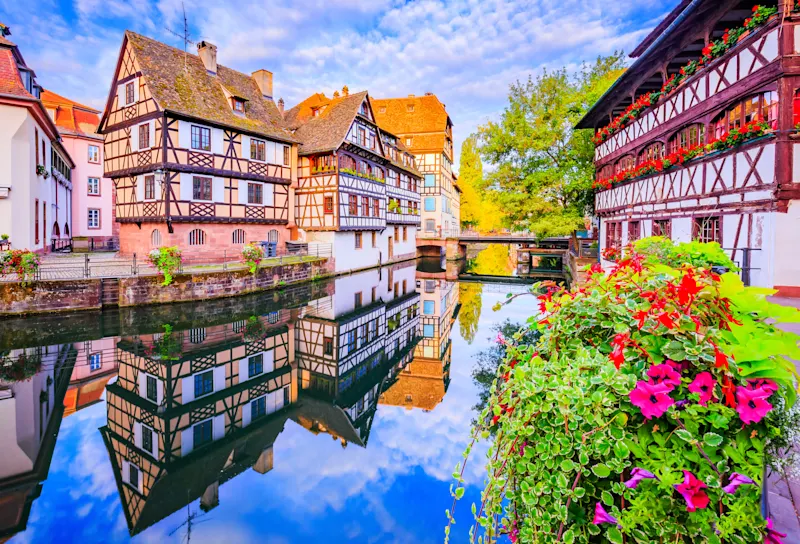
Things to see and do in Strasbourg
Top highlights and exclusive tips from travel experts
Plan your Trip
Your tailor-made itinerary – No cost, no commitment
Excellent
4.4 of 5
5,097Reviews
Excellent
What should you do in Strasbourg?
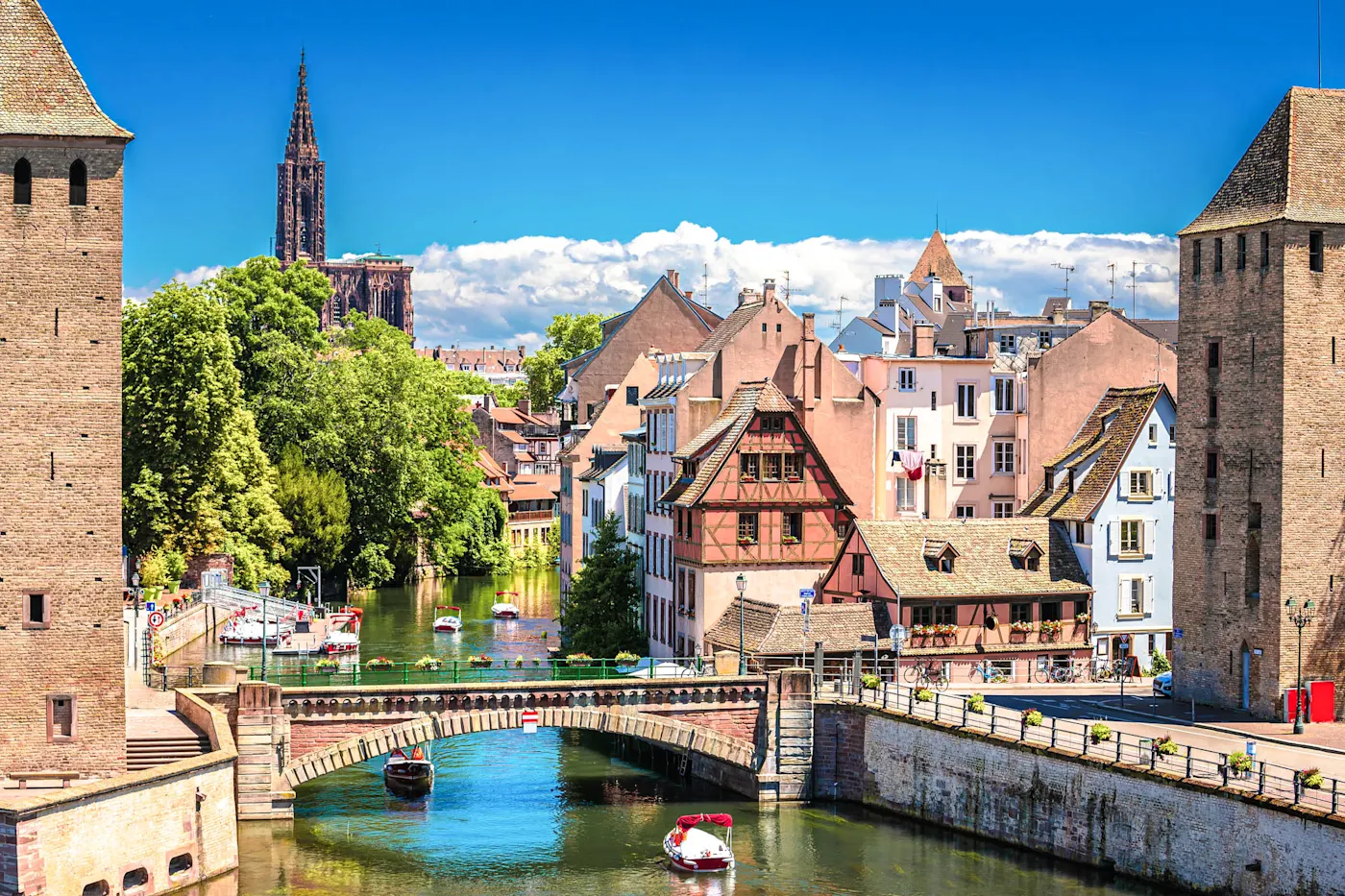
Strasbourg sits at the crossroads of France and Germany, where half-timbered houses lean over quiet canals and cathedral spires rise above medieval lanes. In the storybook district of La Petite France, bridges and flower-draped quays open onto cafés, bakeries, and riverside terraces that hum with local life. Follow the narrow streets toward the Gothic cathedral, its pink sandstone glowing differently with every hour of the day, or wander the Ill River by boat for a gentle sweep through the city’s past and present. Beyond the old town, sleek tramlines, modern museums, and European institutions reveal a contemporary edge. In Strasbourg, centuries of culture blend with everyday warmth, creating a city that feels both timeless and effortlessly alive.
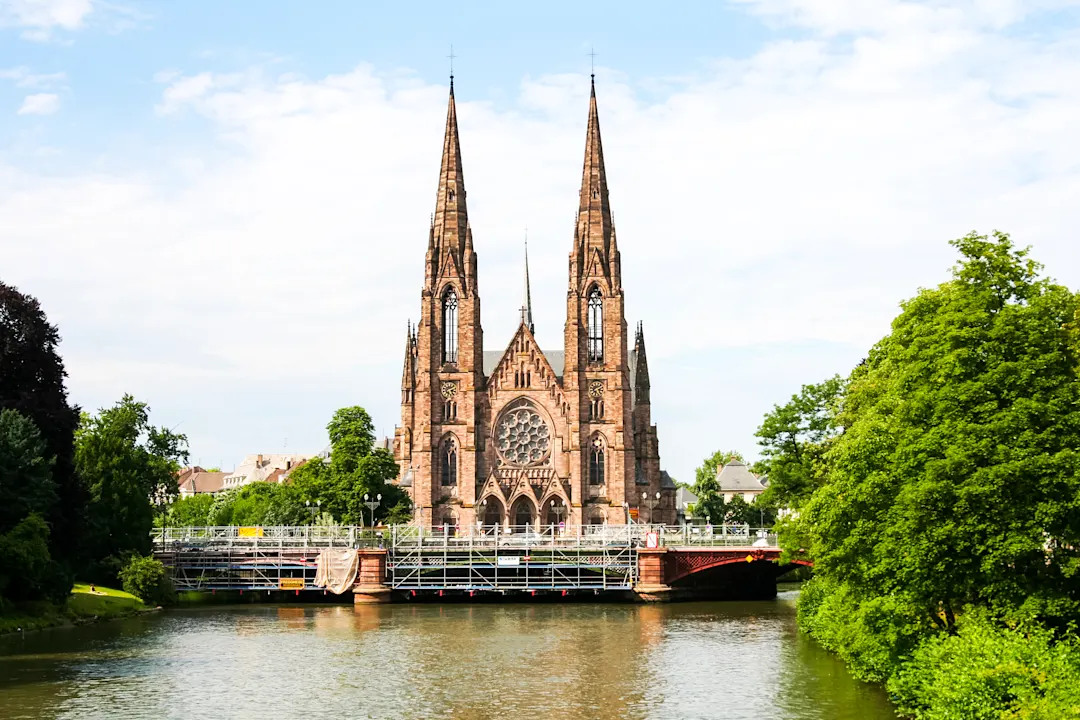
Strasbourg Cathedral
A Gothic marvel in the city’s heart
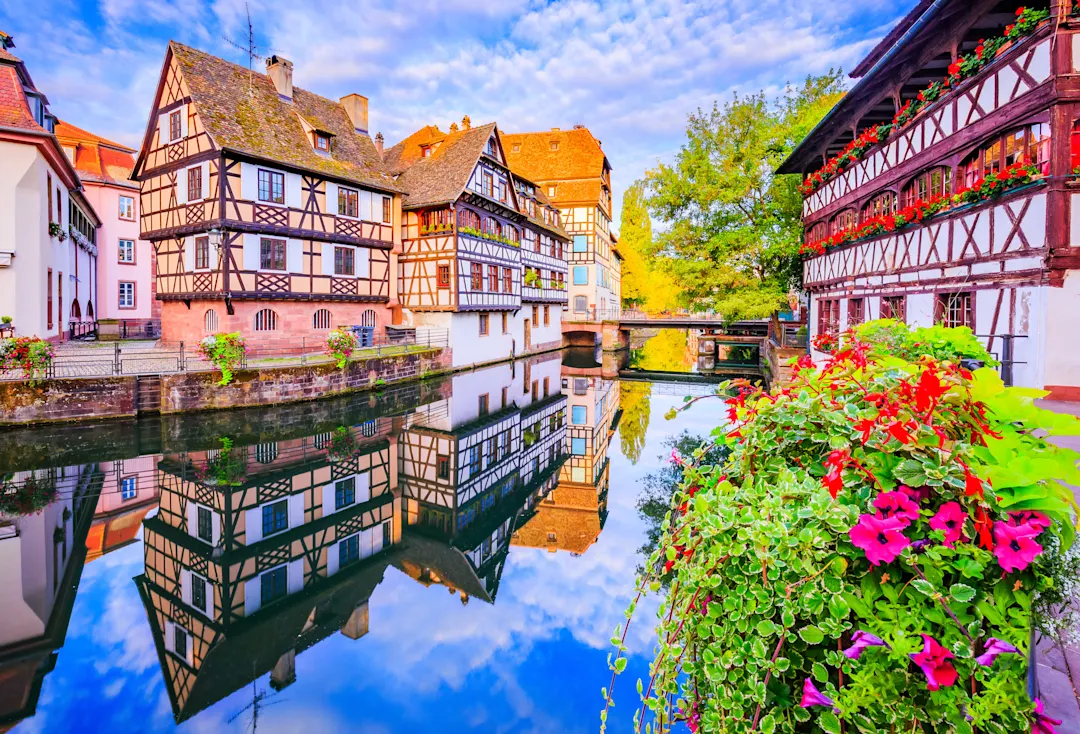
La Petite France
Canals, timbered houses, storybook charm
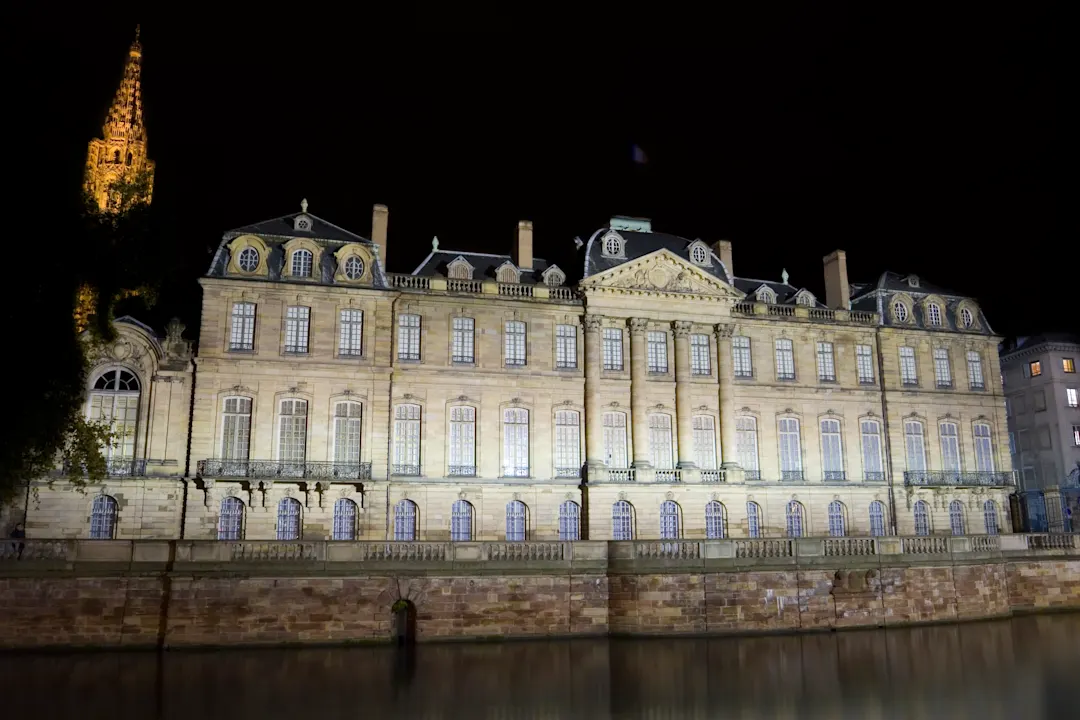
Palais Rohan
Royal elegance on the riverfront
What are the best attractions in Strasbourg?
Strasbourg Cathedral (Cathédrale Notre-Dame)
Strasbourg’s most iconic landmark, this soaring Gothic cathedral rises above the old town in warm pink sandstone. Its intricate façade tells centuries of stories, while the interior’s stained glass and astronomical clock draw visitors from around the world. Climb the tower for sweeping views of rooftops, canals, and the Rhine plain.
View more details
La Petite France
A picturesque maze of canals, half-timbered houses, and cobbled lanes, La Petite France feels like a storybook come to life. Wander past flower-lined bridges, pause at riverside cafés, and explore the former mill district, where the charm of old Strasbourg is preserved at every turn.
Palais Rohan
This elegant 18th-century riverside palace once hosted European royalty and now houses three excellent museums: Fine Arts, Archaeology, and Decorative Arts. Its grand salons, refined architecture, and curated collections capture the sophistication of Strasbourg’s cultural heritage.
Kammerzell House
One of the best-preserved medieval buildings in Europe, the Kammerzell House is famous for its carved wooden façade and ornate details. Step inside for a look at historic interiors or simply admire the craftsmanship from the bustling square outside.
Parc de l’Orangerie
Strasbourg’s oldest and most beloved park offers lakes, lawns, walking paths, and a small zoo. Locals come here to row boats, picnic under tall trees, or enjoy the calm atmosphere. It’s the perfect place to unwind after exploring the city center.
European Quarter
A striking contrast to the old town, this modern district is home to major European institutions, including the Council of Europe and the European Court of Human Rights. The glass architecture and riverside walkways reveal Strasbourg’s role as a bridge between nations.
Covered Bridges & Vauban Dam
Despite their name, the Covered Bridges are now open-air, but their medieval towers still guard the Ill River. Nearby, the Vauban Dam offers a rooftop terrace with one of the best panoramas of the Petite France district and its waterways.
Musée Alsacien
Set inside several connected old houses, this museum showcases Alsatian folk traditions through furniture, costumes, toys, and everyday artifacts. Its small rooms and wooden staircases make the visit feel like stepping into an authentic historic home.
Saint-Thomas Church
A cornerstone of Strasbourg’s Protestant heritage, this church is known for its clean Gothic lines and the impressive mausoleum of Marshal Maurice de Saxe. Its peaceful interior offers a quiet moment away from the bustling streets outside.
Neustadt District
Built during the late 19th century, Neustadt blends grand boulevards, monumental architecture, and leafy squares. A stroll through this district reveals Strasbourg’s layered identity — from imperial-era buildings to vibrant cafés and cultural venues.
Practical information for your trip
The most popular time to visit is from May to October, when the weather is mild and perfect for exploring the old town, riverfront, and parks. December is also a major highlight thanks to Strasbourg’s world-famous Christmas markets.
Yes. The city is compact, highly walkable, and well-served by trams and river cruises. Most major sights are within a short walk of each other, making Strasbourg very convenient for car-free travel.
Two to three days are ideal for discovering the cathedral, Petite France, museums, and riverside promenades. With more time, you can add boat tours, nearby Alsace villages like Colmar, or wine-tasting on the Alsace Wine Route.

Plan for free
Custom holiday packages and trips that fit your budget

Personalized for you
Itineraries built exactly to your needs

Private VIP guides
A personal English-speaking, native-European travel expert for every step

Peace-of-mind support
Full service assistance before, during, and after your trip