How many days in Dublin?
The right length for Dublin, from Trinity and the pubs to Galway, the Cliffs of Moher, and the Wild Atlantic Way
Plan your Trip
Your tailor-made itinerary – No cost, no commitment
Excellent
4.6 of 5
6,137Reviews
Excellent
Recommended trip duration
Dublin isn't so much a checklist as a conversation. Sure, there's the Book of Kells at Trinity College, the Guinness Storehouse, the Georgian doorways, and St Stephen's Green, but the city's real charm lies in the quiet moments: a live trad session in the back room of a pub, an hour-long chat with a stranger, a walk that turns up a new corner. Two days are enough to capture both the main sights and the spirit. The thing is, most people don't come to Ireland just to stay in Dublin. The capital is the doorway, and the rest of the country — Galway, the Cliffs of Moher, the Ring of Kerry, the wild Atlantic coast — is the real destination. Spend two days in Dublin, then head west.
Antonia Mikulasch
Certified Ireland specialist
- 105+ trips planned
- Personally visited 8 times
- 7+ years of experience
- Specialist for Iceland, Spain and Norway
Plan your trip for free
Your tailor-made itinerary – No cost, no commitment
Dublin's city center is compact and walkable, so two days are enough for both its sights and its atmosphere. You see Trinity College and the Book of Kells, the Guinness Storehouse, and Dublin Castle, plus an evening of live music. The real question is how much of Ireland you want in your itinerary. With one day, you catch the main sights and a pint.
2 days — The city. Trinity and the Book of Kells, the Guinness Storehouse, Dublin Castle, and a night of live music.
3 days — A little more Dublin, or a first day trip to Glendalough or the coast.
4–5 days — Dublin as the start of an Irish journey, west to Galway and the Cliffs of Moher.
| Days in Dublin | Best for | Combine with — wider route |
|---|---|---|
| 2 days | The city on its own | Dublin + Trinity + the Guinness Storehouse |
| 3 days | The city plus a day out | Dublin + Glendalough or Howth |
| 4 days | The classic short escape | Dublin ▸ Galway ▸ Cliffs of Moher |
| 5 days | City and west coast by train | Dublin ▸ Galway ▸ the Burren |
| 7+ days | The full island loop | Dublin ▸ Cork ▸ Killarney ▸ Galway |
These stages are a guide, not a fixed route. Every trip is tailored to you.

Plan for free
Custom holiday packages and trips that fit your budget

Personalized for you
Itineraries built exactly to your needs

Private VIP guides
A personal English-speaking, native-European travel expert for every step

Peace-of-mind support
Full service assistance before, during, and after your trip
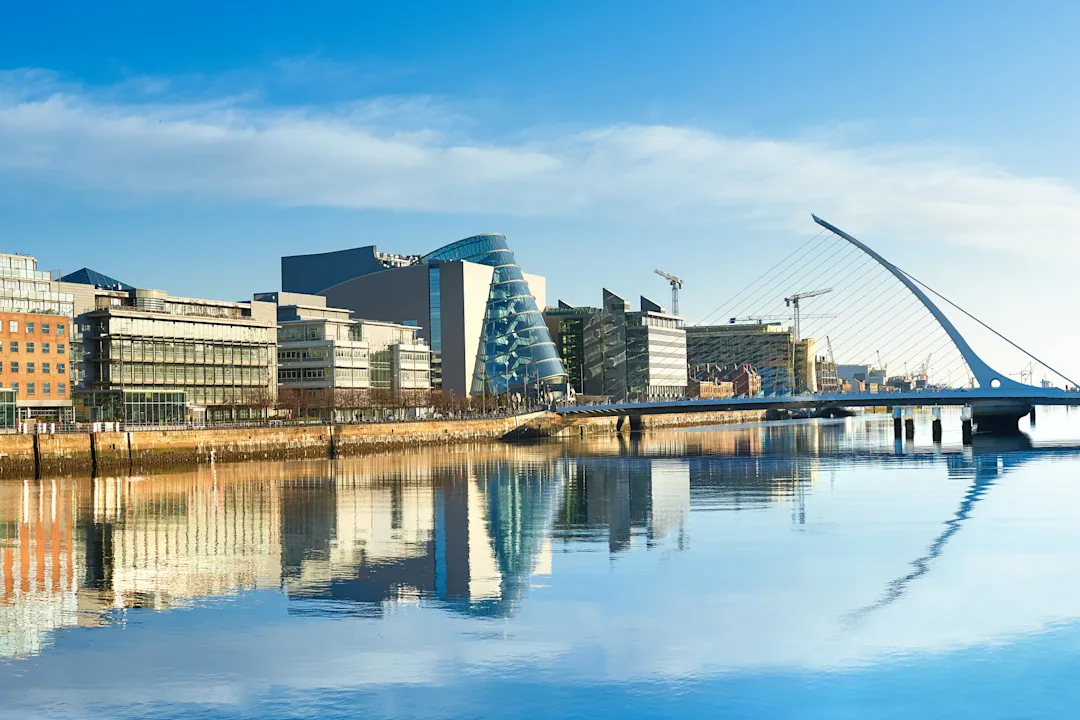
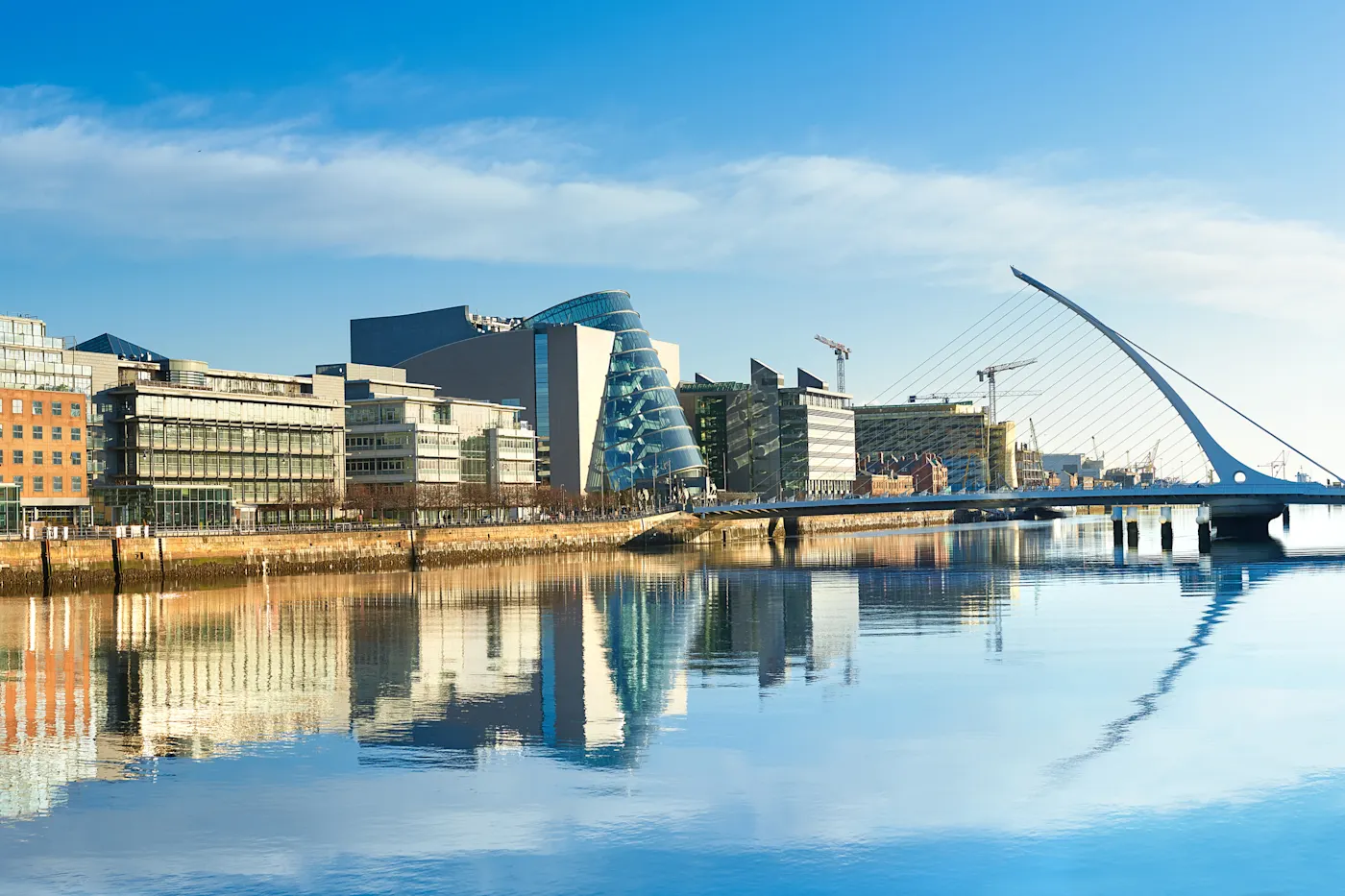
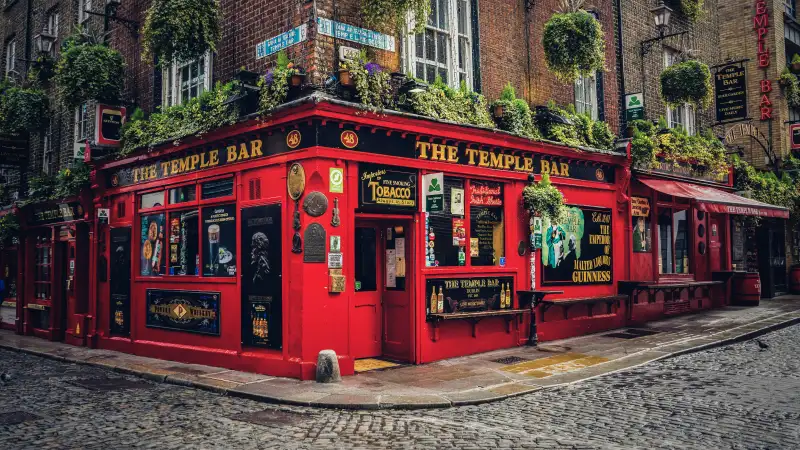
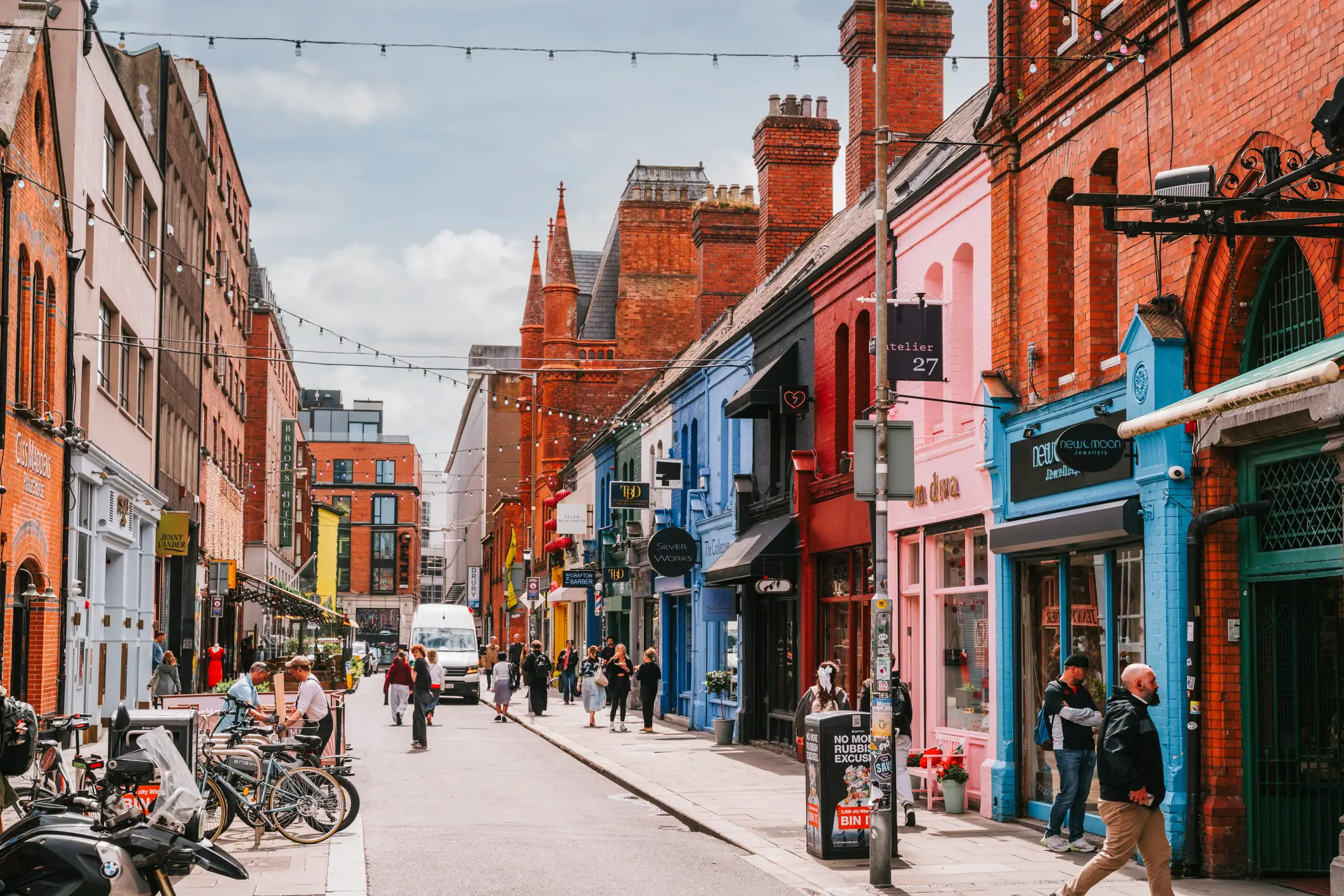
Two days is the ideal time to visit Dublin on its own, or as the start of a longer trip around Ireland. The city center is compact, flat, and easily walkable, and the main sights sit close together on both banks of the River Liffey. Set aside an evening for Temple Bar or, better yet, a local neighborhood pub where the music isn't just for tourists.
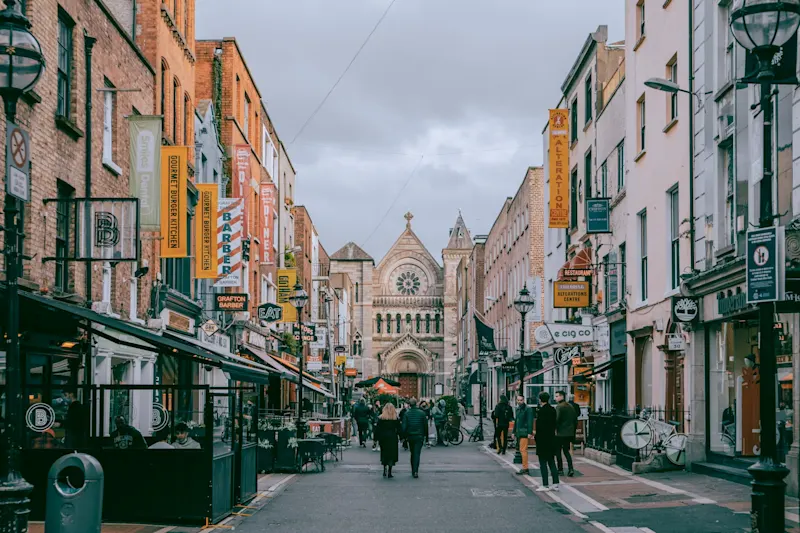
Day 1 — Trinity College and the Book of Kells, Dublin Castle, and the shops and greenery around Grafton Street and St Stephen's Green. A pub with live trad after dark.
Day 2 — The Guinness Storehouse and its rooftop pint, St Patrick's Cathedral, then the whiskey trail or the EPIC emigration museum by the Docklands.
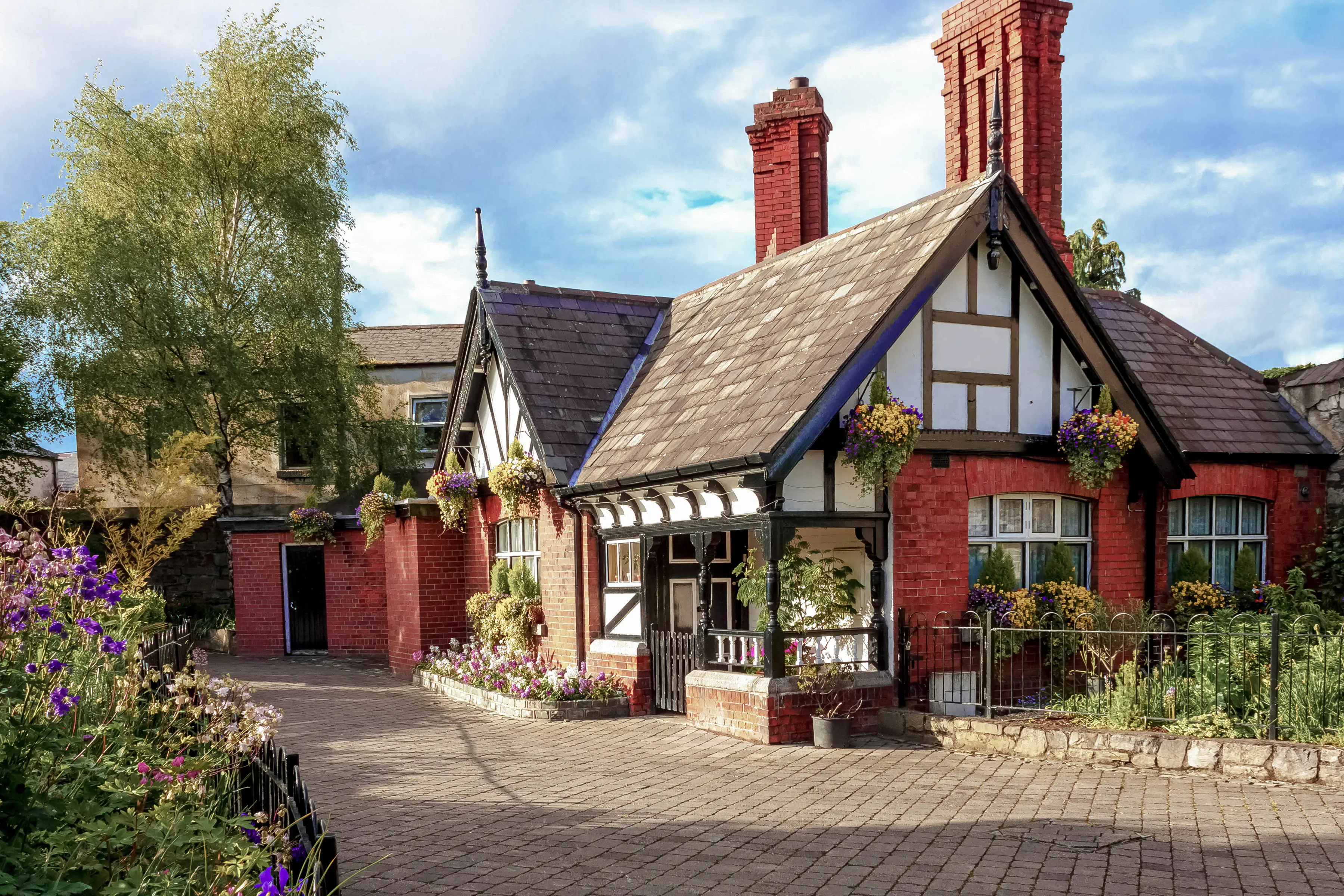
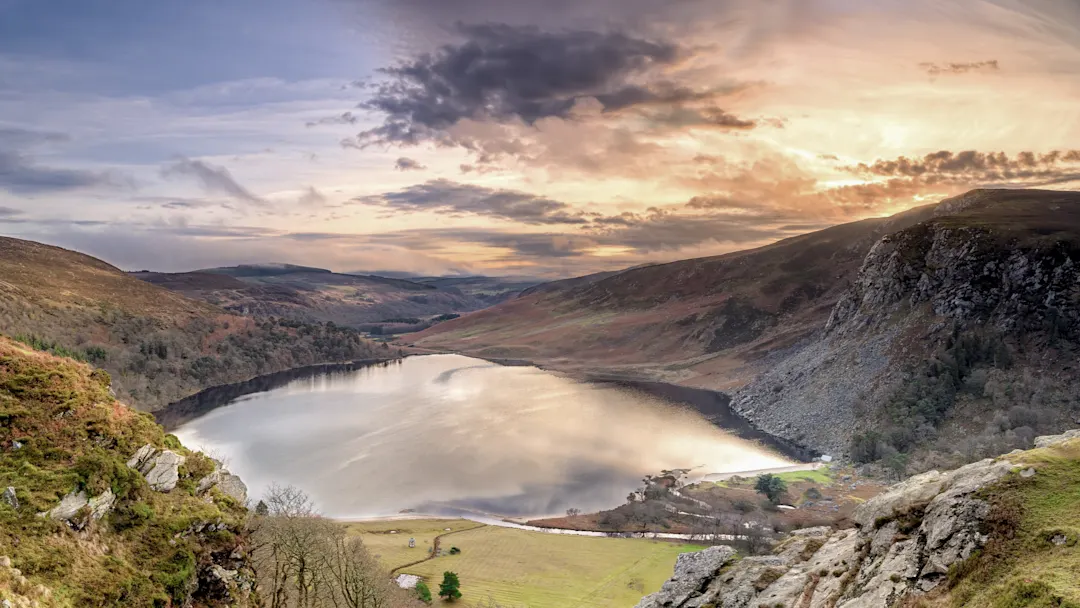
The third day is easily spent just outside the city. Glendalough — a monastic settlement among the lakes and valleys of the Wicklow Mountains — makes a peaceful half-day or longer by car. Even closer, the seaside village of Howth (reachable by local train) offers cliff walks and seafood over Dublin Bay. Both reset the pace before another evening in the city.
Days 1–2 — The city: Trinity, the Storehouse, the pubs.
Day 3 — A day trip: Glendalough and the Wicklow Mountains, or a coastal walk at Howth.
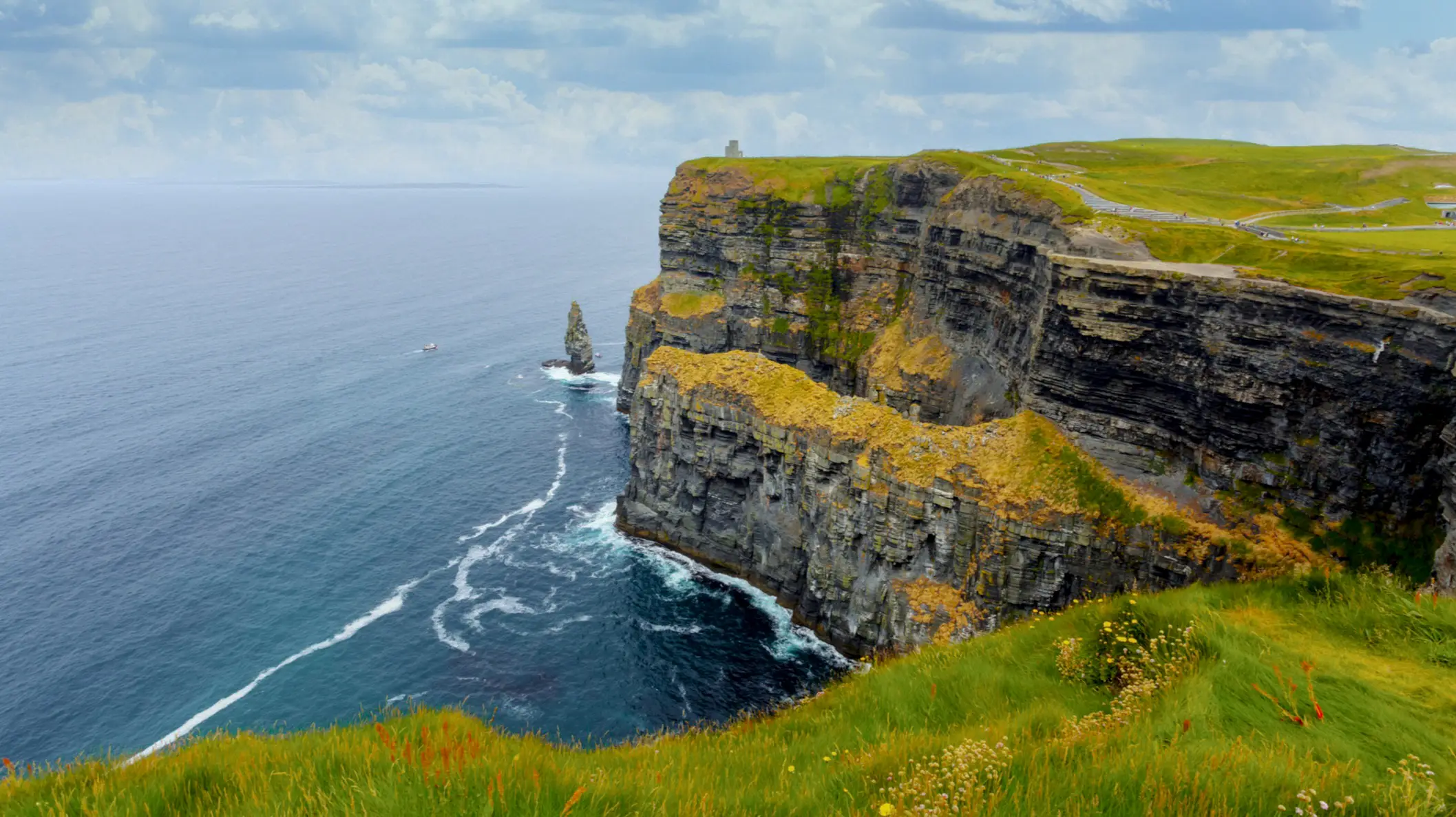
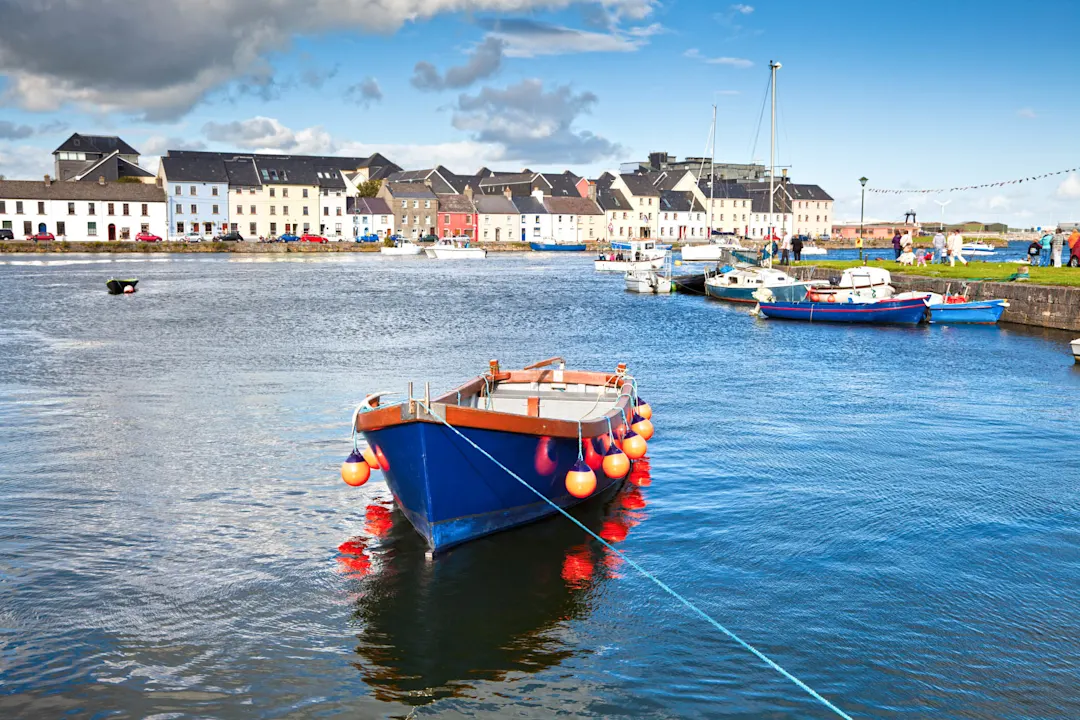
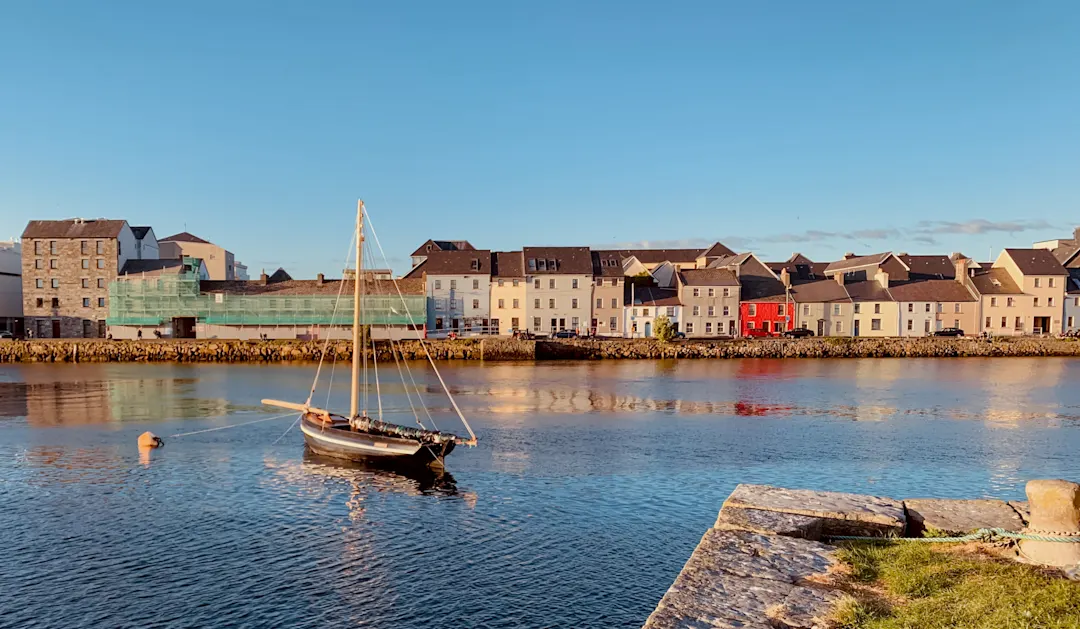
With four or five days, Dublin becomes the perfect starting point for a trip west. A scenic train connects the capital to Galway — a small, music-filled city on the Atlantic — which opens onto Connemara, the Burren, and the towering Cliffs of Moher. You can do this itinerary entirely without a car, which adds to its appeal. Your time in Dublin frames a real taste of the wild coast.
Days 1–2 — Dublin, unhurried.
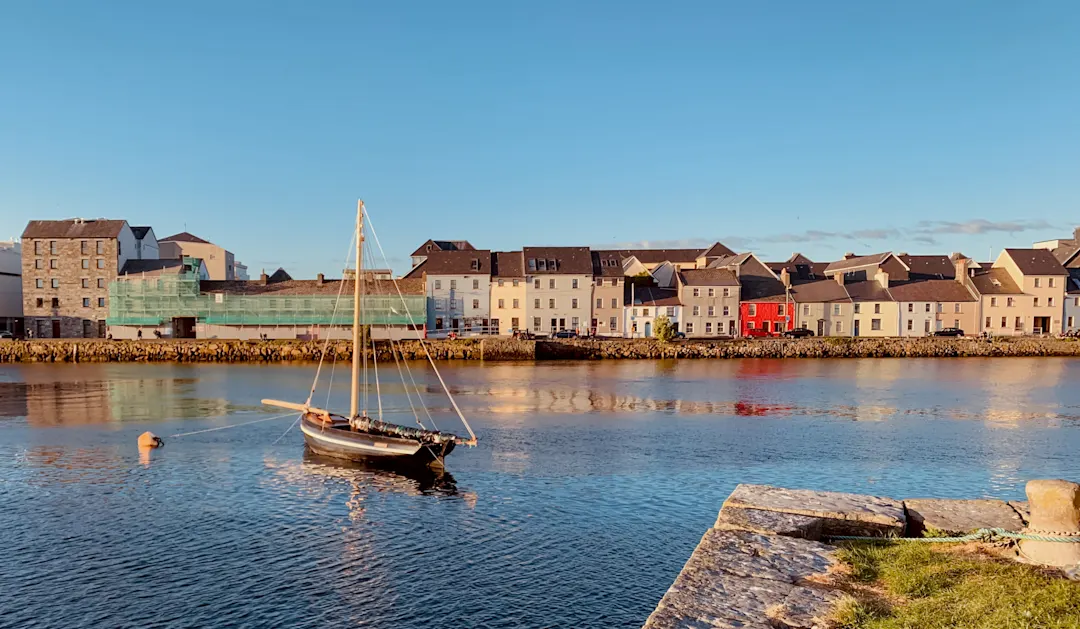
Day 3 — By train to Galway: its streets, its music, its oyster bars.
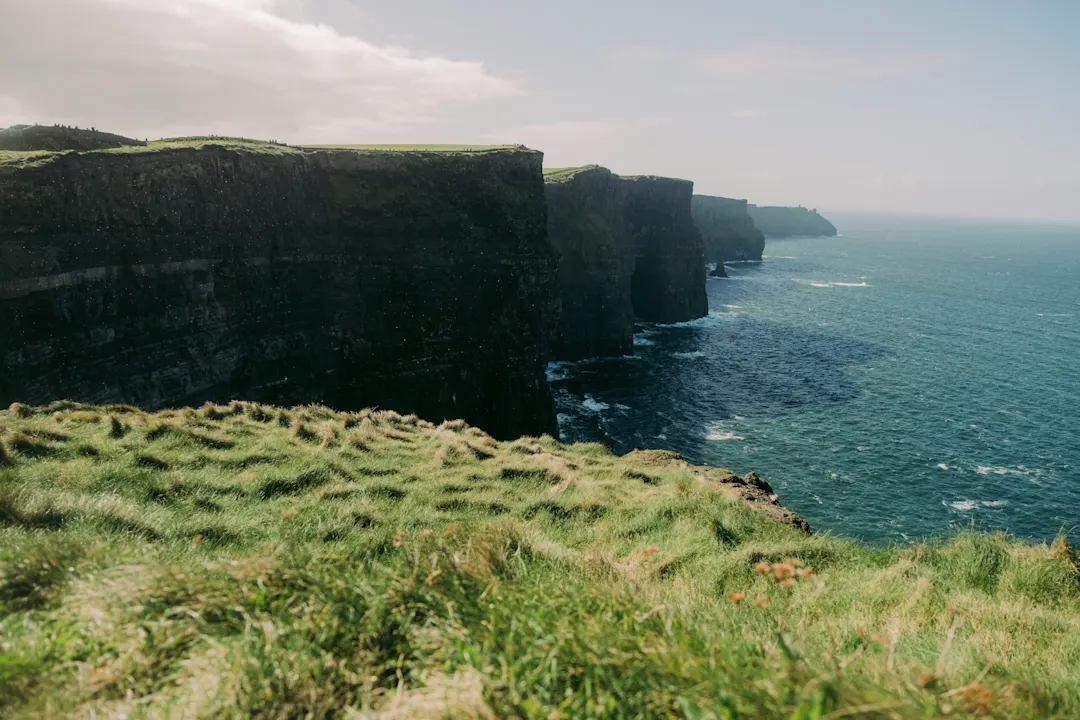
Days 4–5 — A guided day to the Cliffs of Moher and the Burren, then back east.
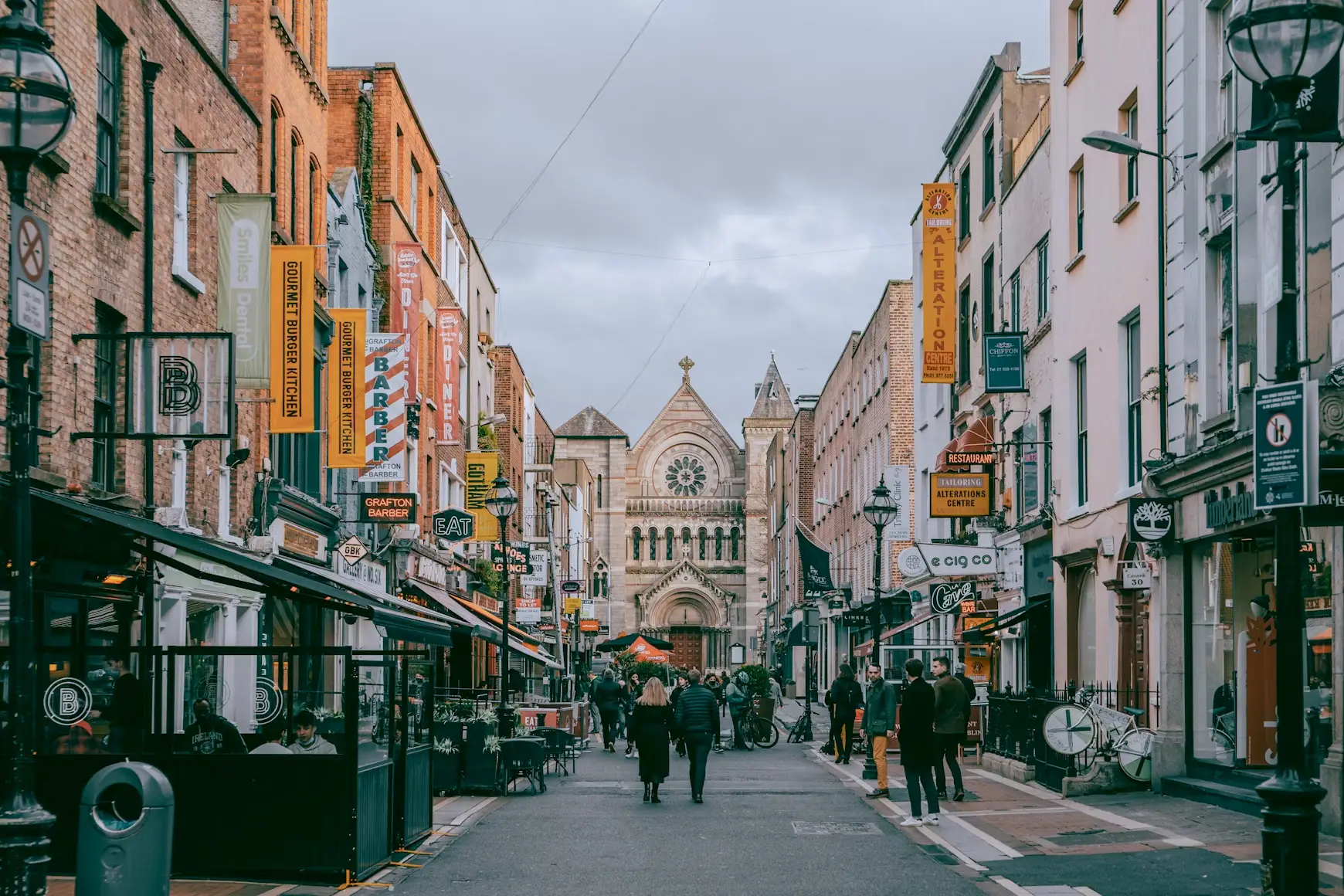
A city to be savored, not just ticked off
Dublin's charm lies not in a list of monuments, but in the atmosphere you soak up between them. You can comfortably see the must-sees — Trinity, the Guinness Storehouse, the cathedrals — in two days, leaving the rest of the time for what the city does best: pubs, conversation, live music, and a slow pint by a roaring fire. Don't overload your itinerary. Two days are enough for the main sights, and extra time is better spent on Ireland beyond the capital. For attractions that warrant careful planning, check out our guide on things to do in Dublin.
The west is where Ireland opens up
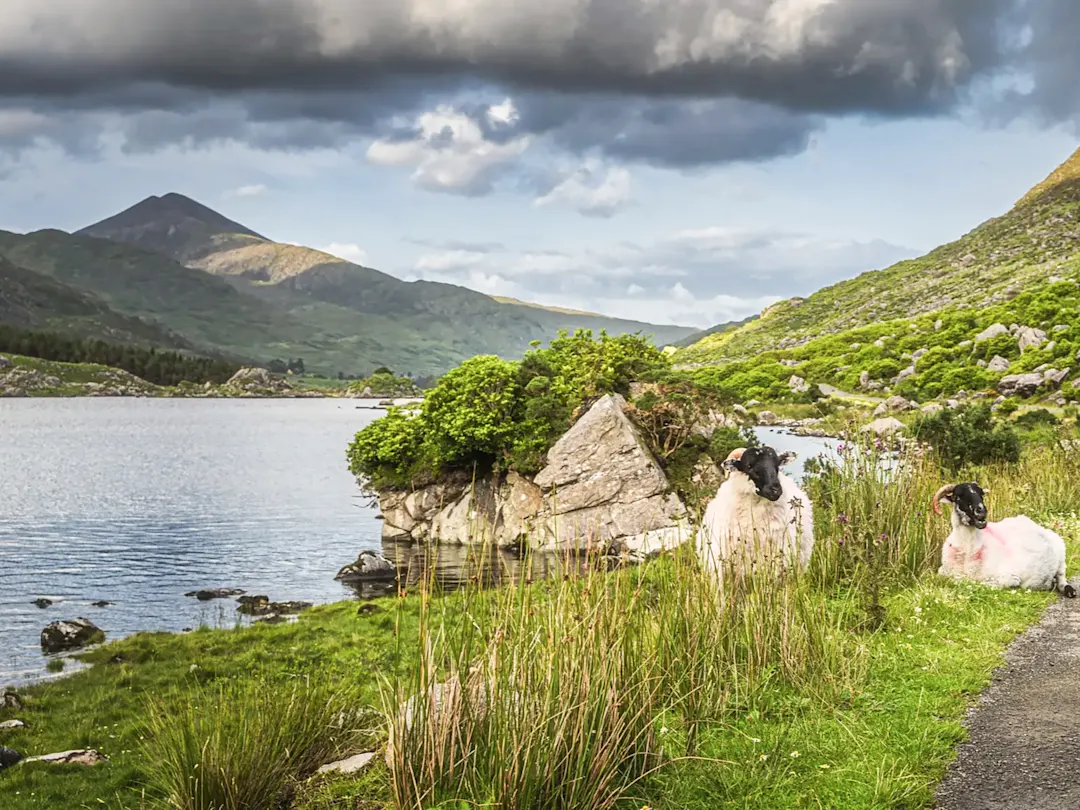
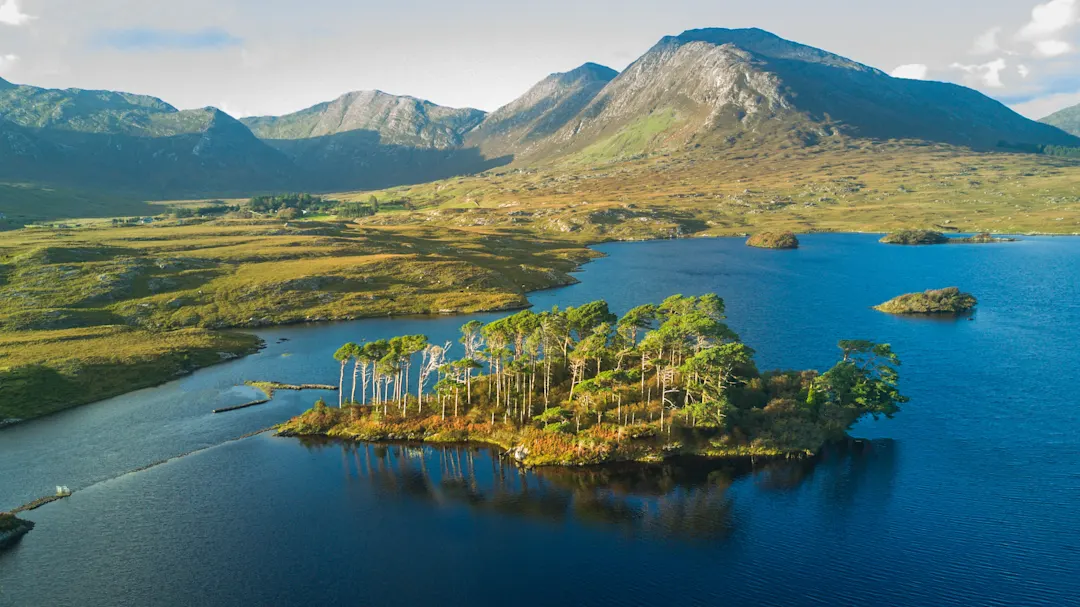
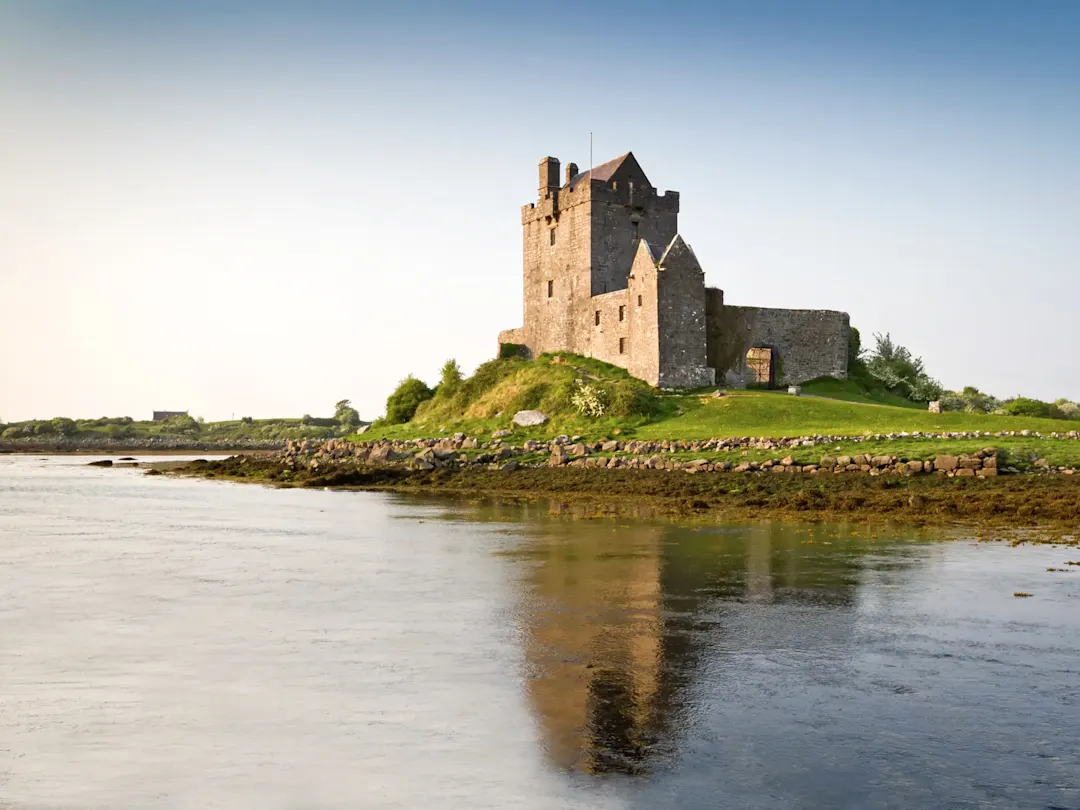
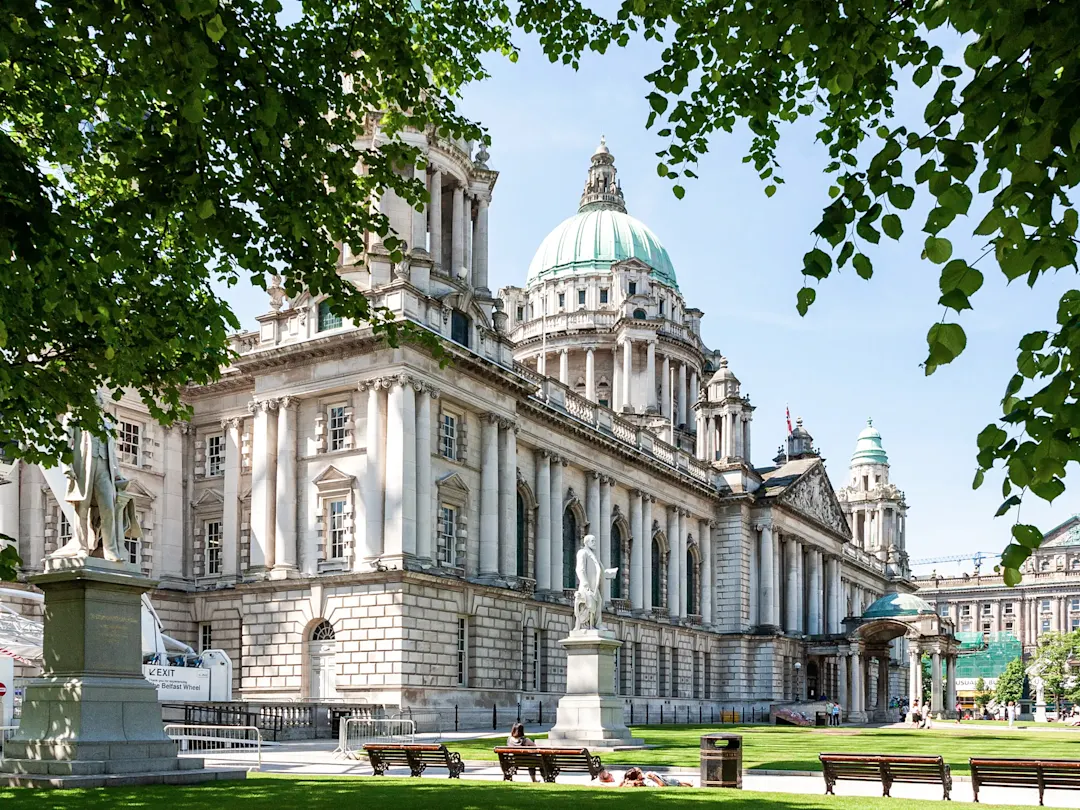
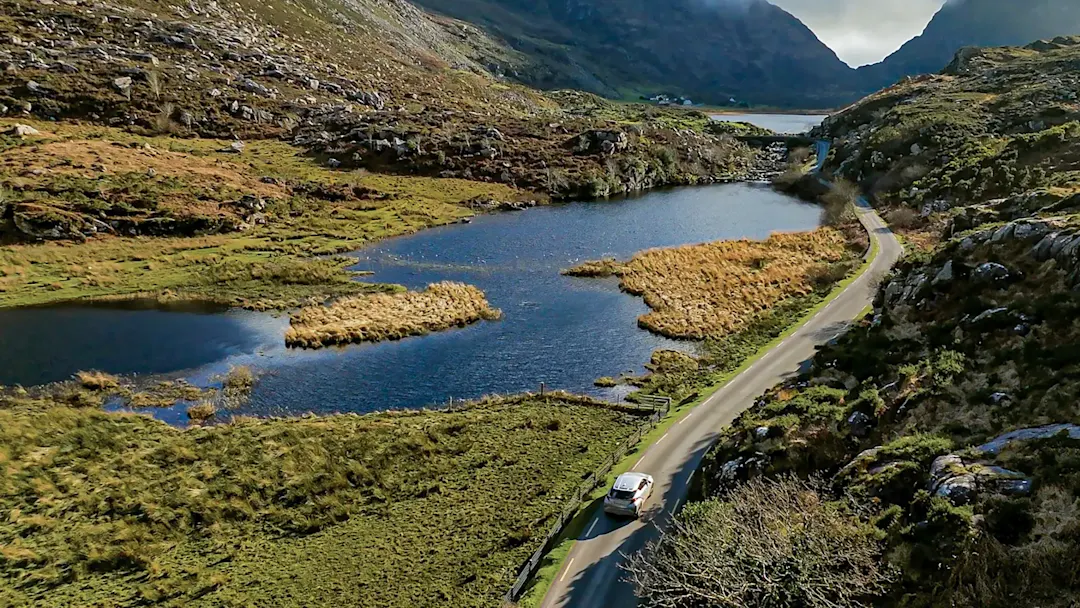
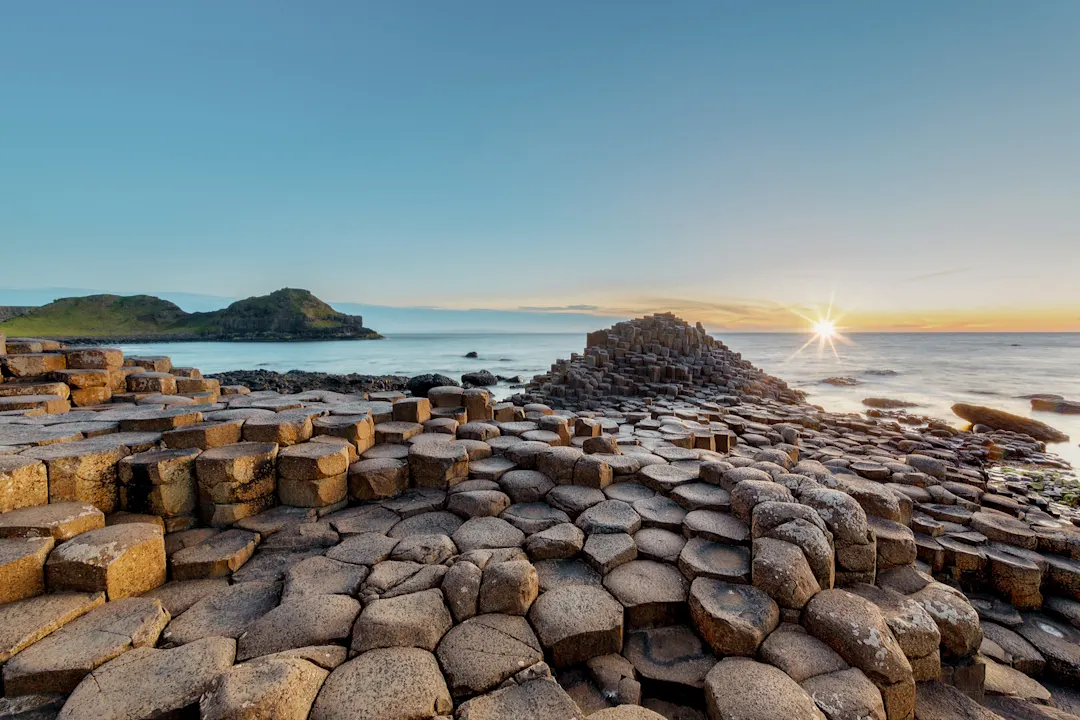
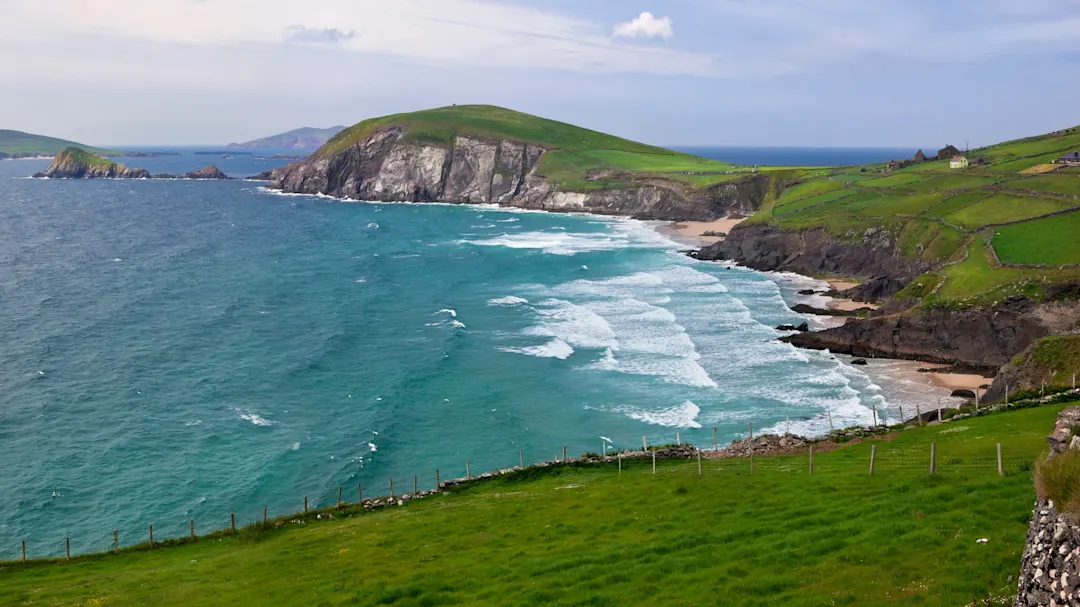
Almost everyone who stays in Dublin ends up wishing they had headed west sooner. This is where you find the postcard Ireland: the Cliffs of Moher rising above the Atlantic, the lunar limestone of the Burren, the music of Galway, the Ring of Kerry, and the fjord and abbey of Connemara. Head north, and you reach the Giant's Causeway and Belfast. Trains connect Dublin to Galway and Cork, so car-free travel works, though more remote rural areas are easier with a vehicle. Each extra day buys another stretch of coast. Planning a wider trip? See our guide to things to do in Ireland.
Rain is part of the deal
There is a reason Ireland is so green: the weather is a real planning factor, not a detail to overlook. Showers come and go quickly, often several times a day, so layers and a raincoat are essential in any season. The Irish response is built into the culture: when the weather turns, people take refuge in a pub for a pint and some seafood chowder while it passes. That is exactly where some of the trip's best conversations unfold. Plan flexible days, especially on the west coast, where the Atlantic sets the pace.
When to visit
Most travelers prefer May to September: the days are longer (light past 10:00pm in high summer), the weather is milder, and the countryside is at its green best. May and September in particular pair good weather with smaller crowds and lower prices. March brings St Patrick's Day, when Dublin throws the year's biggest party — lively, but book well ahead. Winter is quiet, affordable, and cozy, if short on daylight. For a season-by-season overview, consult our guide on the best time to visit Ireland.