How many days in Vienna?
The right length for Vienna, from the imperial palaces to the coffee houses and the Wachau wine valley
Plan your Trip
Your tailor-made itinerary – No cost, no commitment
Excellent
4.6 of 5
6,137Reviews
Excellent
Recommended trip duration
Vienna doesn't rush anyone. The city is built for savoring time at a leisurely pace — a Melange in a marble café, the gilded halls of Schönbrunn, an evening concert in the very venues where Mozart and Beethoven once worked. Two days cover the imperial heart: the palaces, St. Stephen's Cathedral, and the grand museums along the Ring. A third day lets you settle into the city's rhythm, an afternoon of coffee and pastries or a gallery. Beyond the city lies the Danube: the terraced vineyards of the Wachau, Salzburg to the west, Bratislava an hour downstream by boat. Give Vienna two or three days first, unhurried, then decide how far along the river to go.
Roman Karin
Travel Expert for Austria
Updated on 09/09/2026
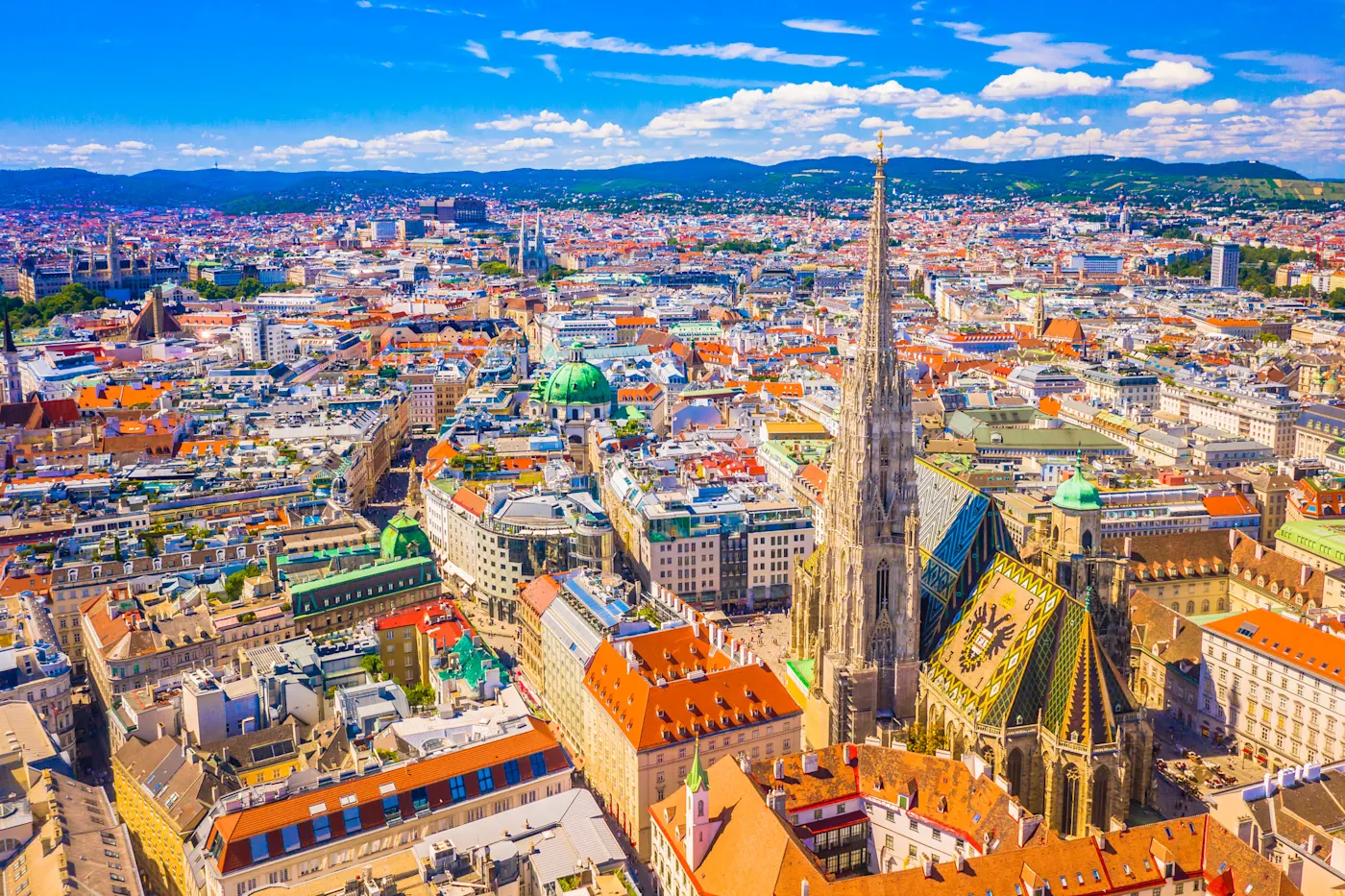
Vienna has a dual nature: its imperial sights, and the relaxed pace that follows. Two days cover the palaces, St. Stephen's Cathedral, and the museums along the Ring. A third day adds the historic cafés, the Belvedere, and an evening at the opera. Beyond that, the Danube beckons, upstream to the Wachau or west to Salzburg. A single day sees the palaces but misses the city's rhythm, which is half of Vienna.
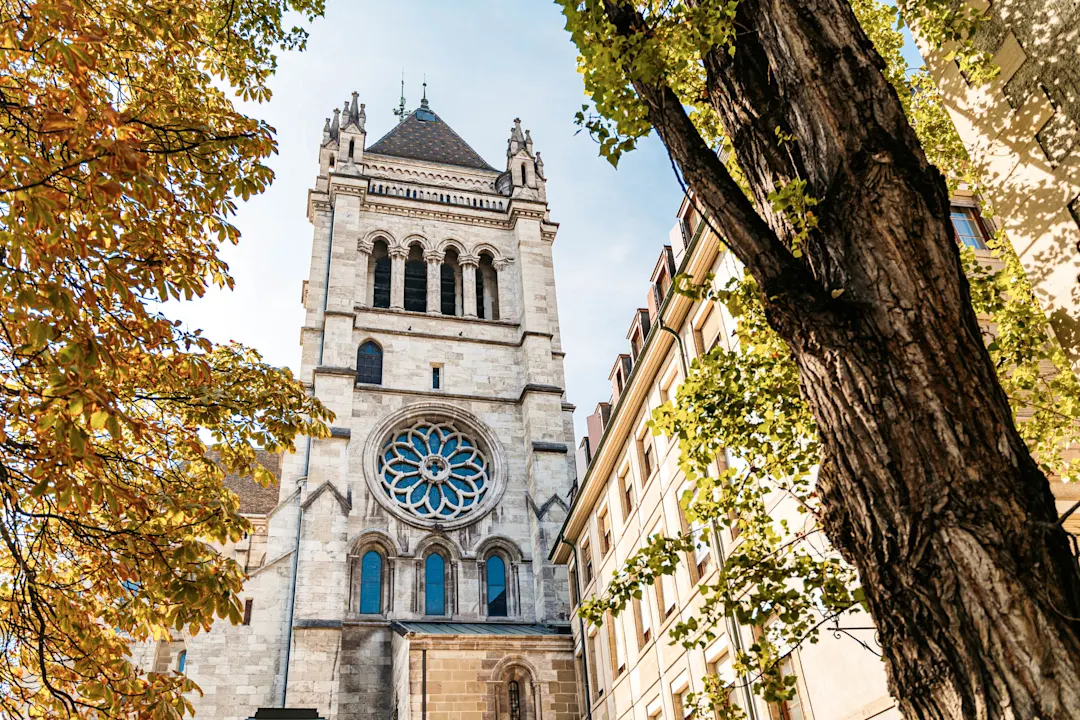
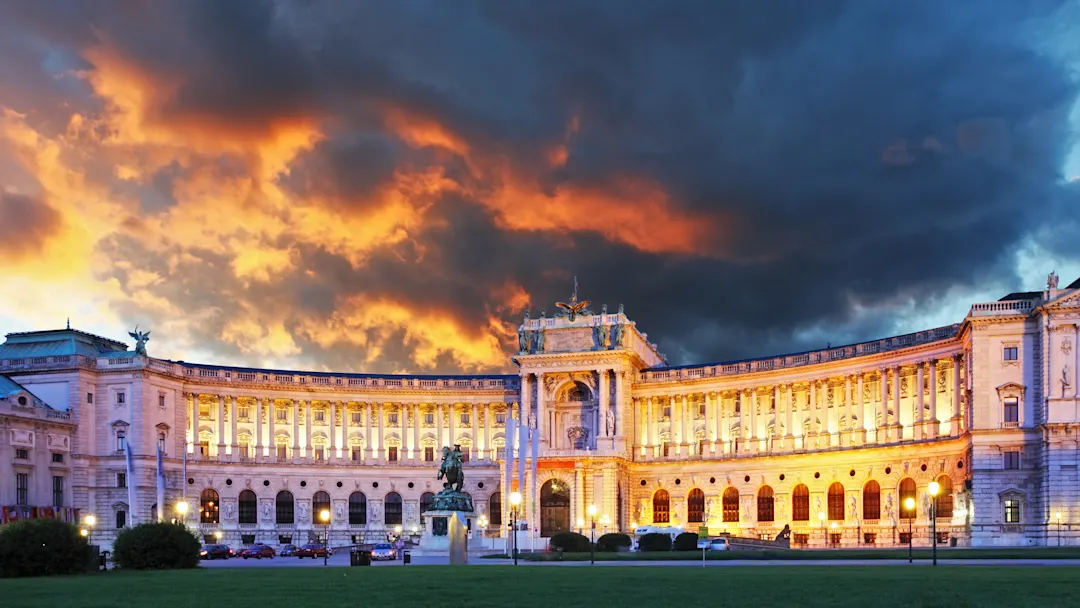
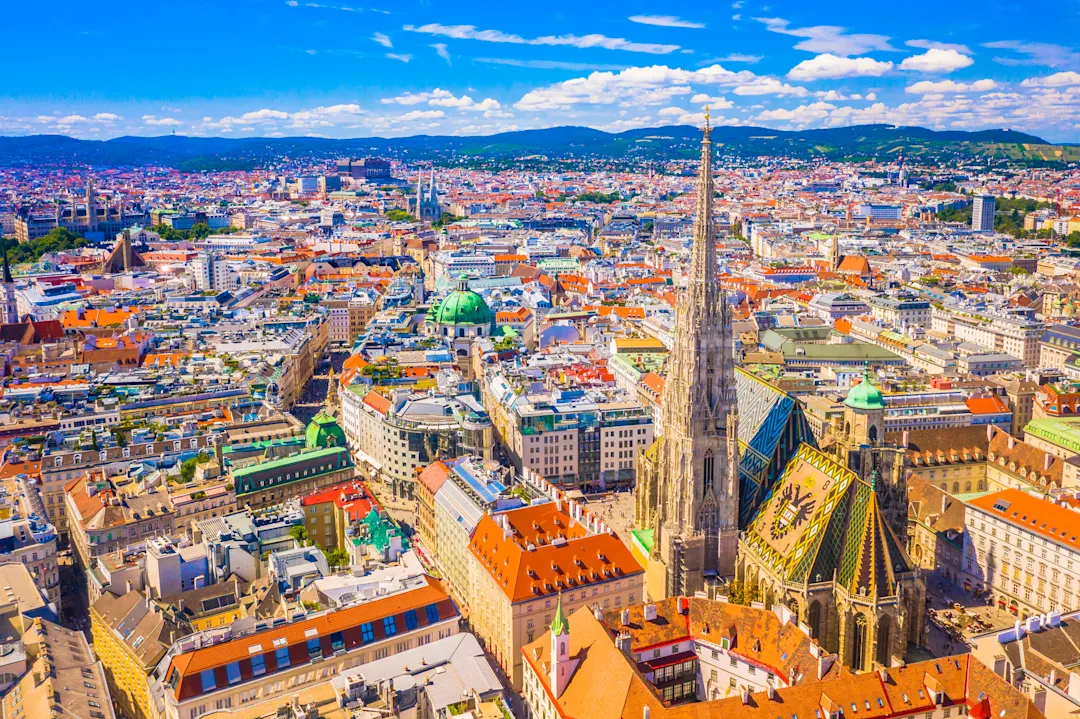
2 days — The imperial core. Schönbrunn, the Hofburg, St. Stephen's, and the museums of the Ring.
3 days — Add the city's slower side. Coffee houses, the Belvedere, a night at the opera or a concert.
4–5 days — Vienna plus the Danube, with an excursion into the Wachau wine valley or on toward Salzburg.
| Days in Vienna | Best for | Combine with — wider route |
|---|---|---|
| 2 days | The imperial highlights | Vienna + Schönbrunn + the Ring |
| 3 days | The city at its own pace | Vienna + coffee houses + a concert |
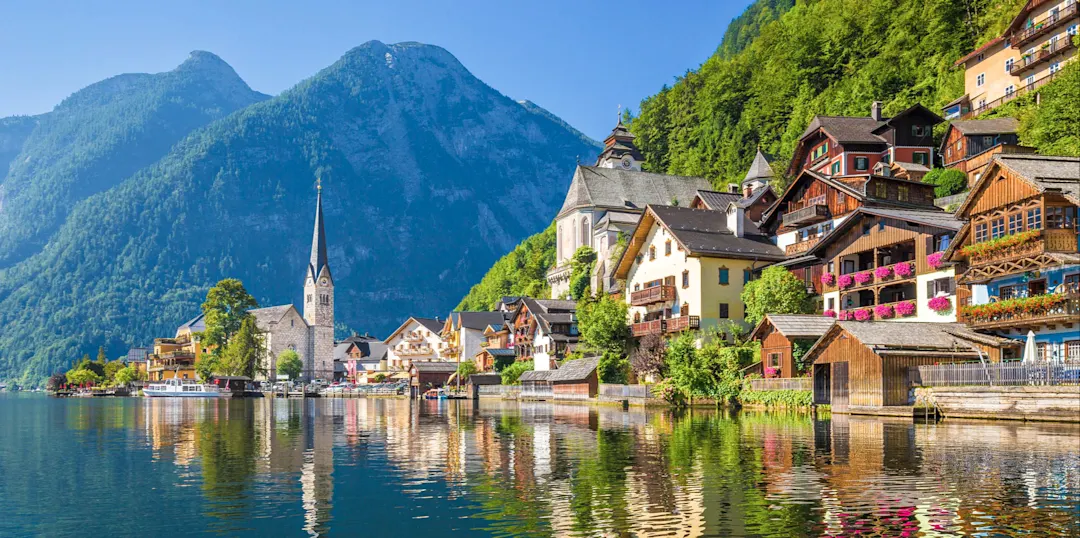
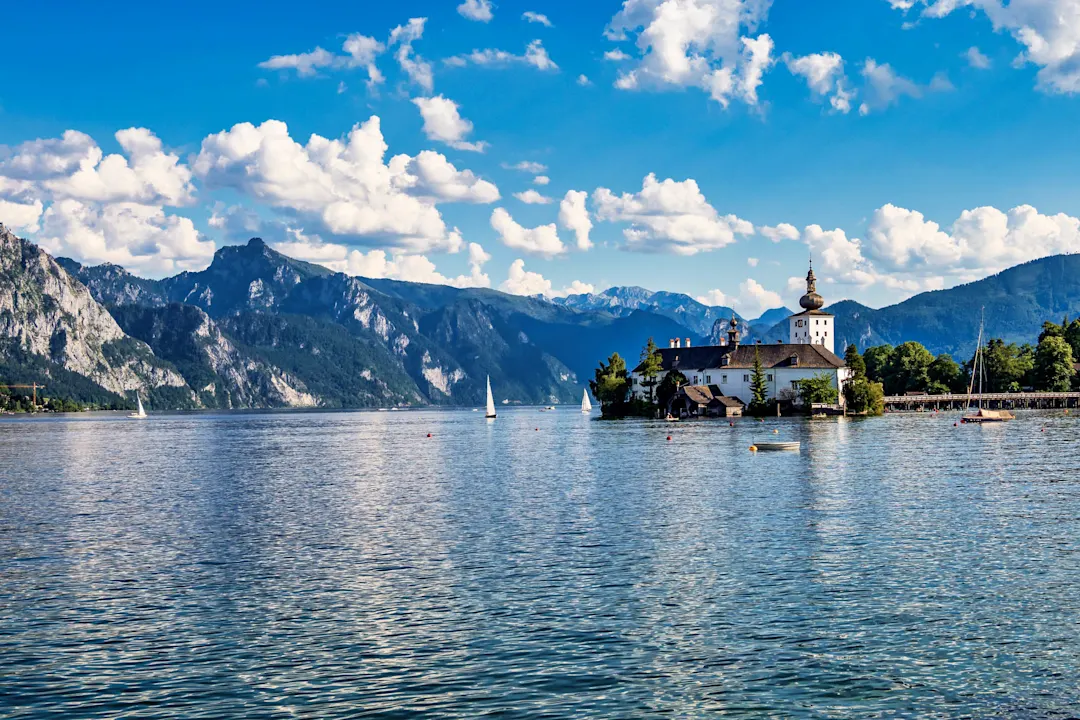
| 3 days | Austria's classic route | Vienna ▸ Salzburg ▸ Hallstatt |
| 4 days | The city plus the Danube | Vienna + Wachau wine valley |
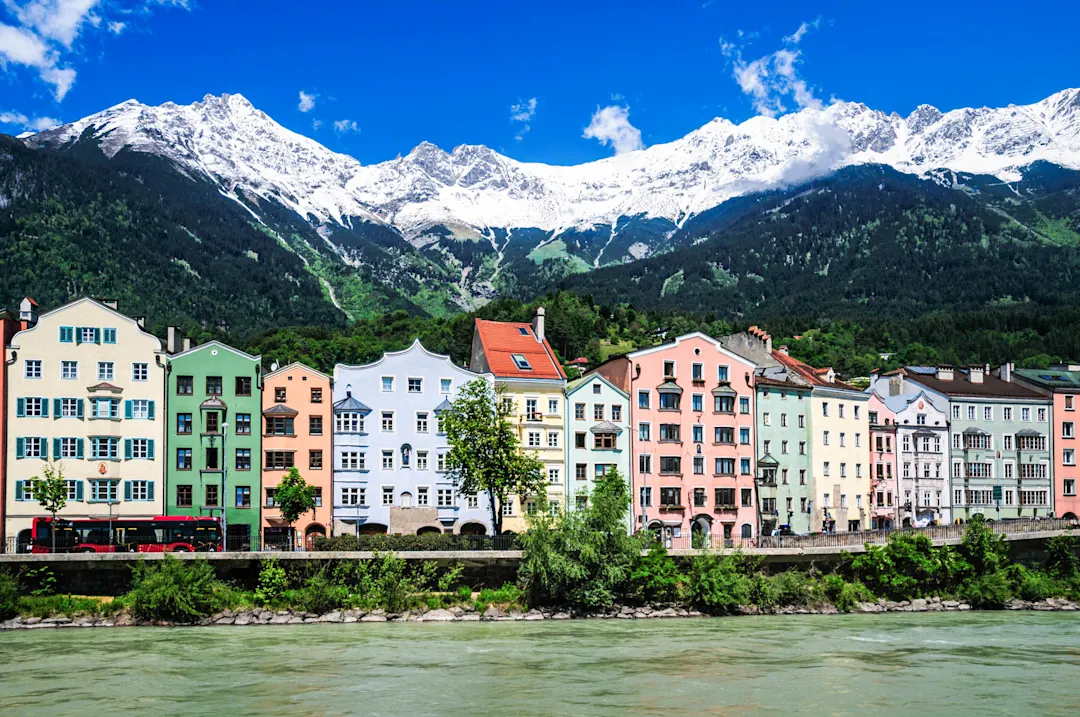
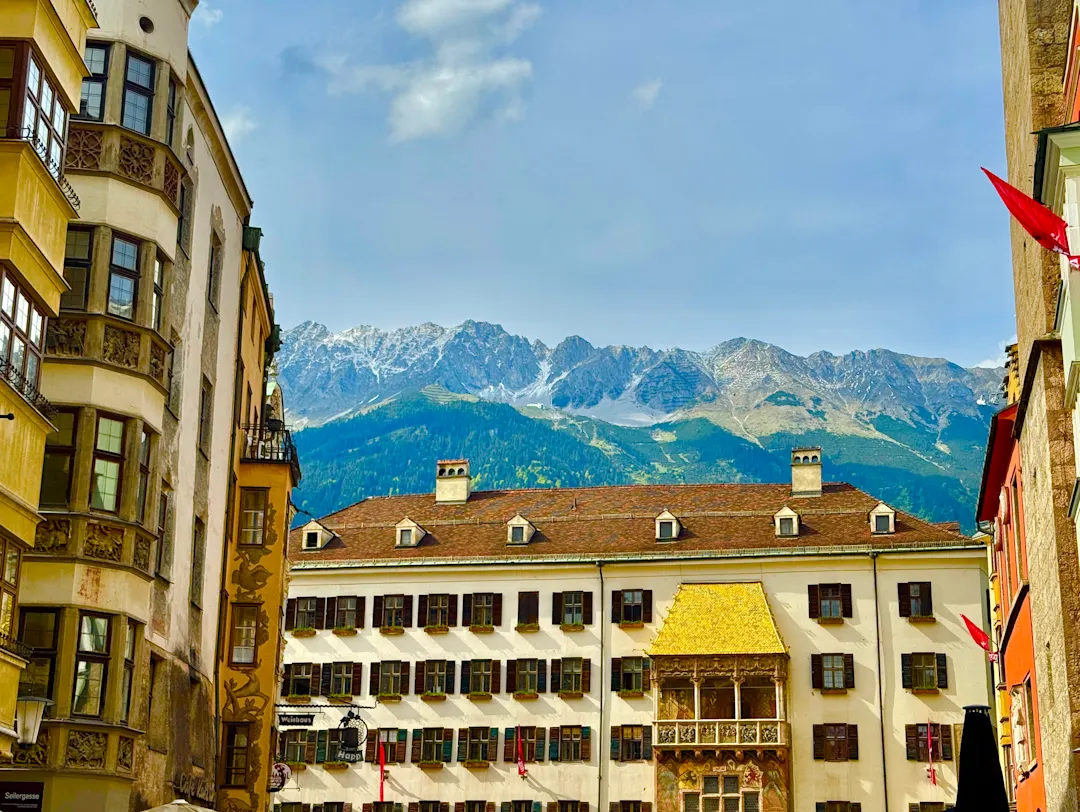
| 5+ days | Vienna into the Alps | Vienna ▸ Salzburg ▸ Innsbruck |
These stages are a guide, not a fixed route. Every trip is tailored to you.

Plan for free
Custom holiday packages and trips that fit your budget

Personalized for you
Itineraries built exactly to your needs

Private VIP guides
A personal English-speaking, native-European travel expert for every step

Peace-of-mind support
Full service assistance before, during, and after your trip
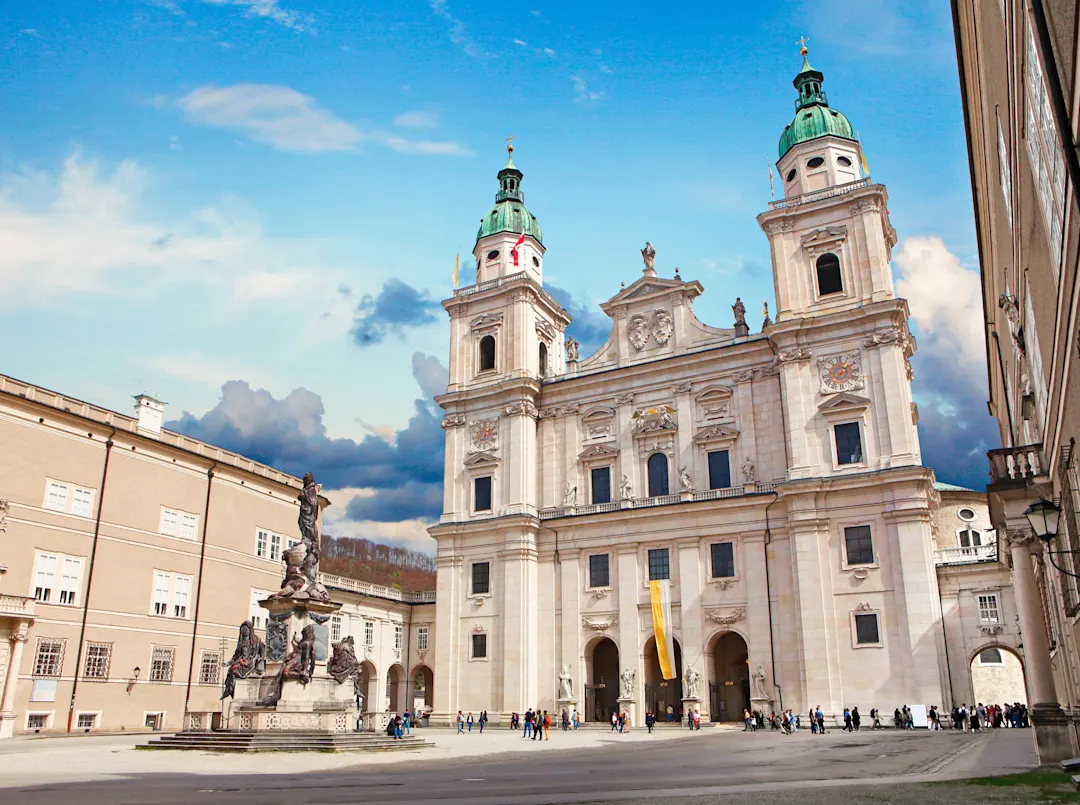
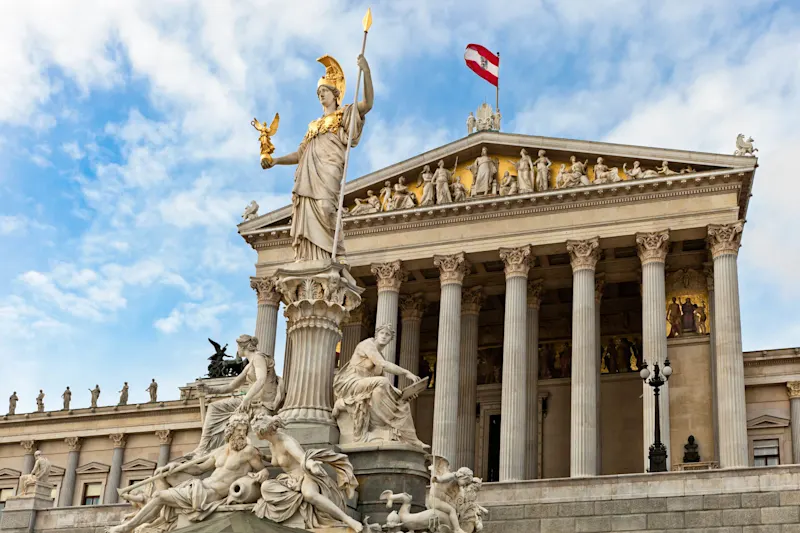
Two days is the absolute minimum to see the main attractions, provided you plan the palaces well. Give one day to the city of the Habsburgs and another to the Ring and the museums, with the evening free for the opera or a concert. The historic center is compact, free of skyscrapers, and ideal for exploring on foot or by tram.
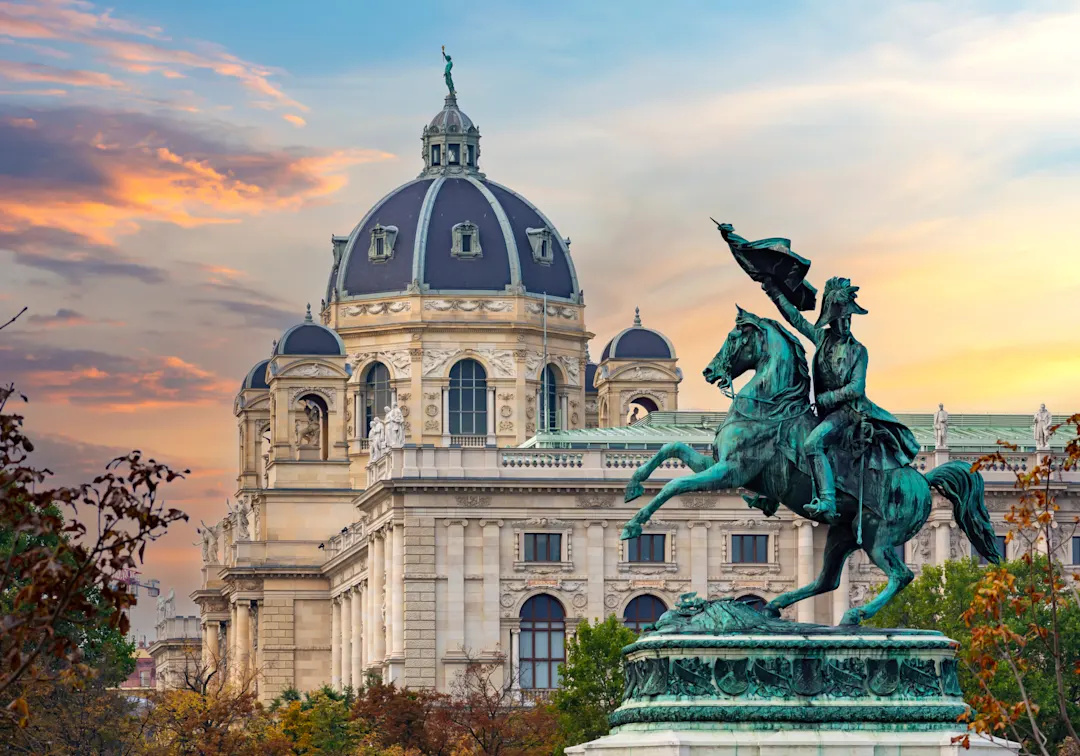
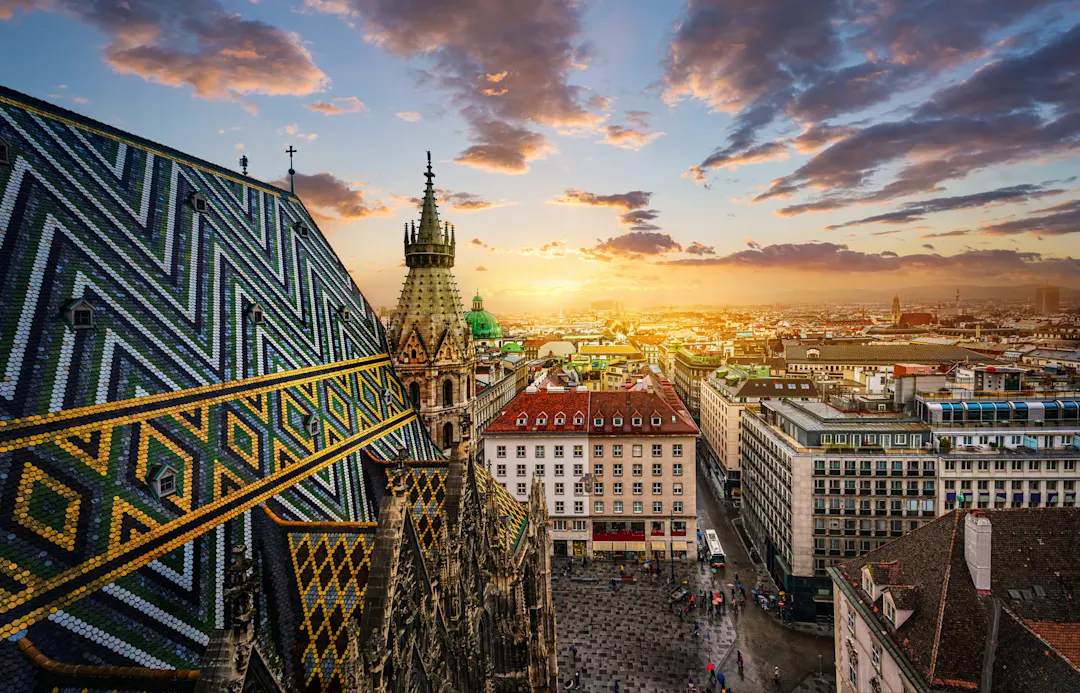
Day 1 — Schönbrunn Palace and its gardens in the morning, then St. Stephen's Cathedral and the lanes of the old town.
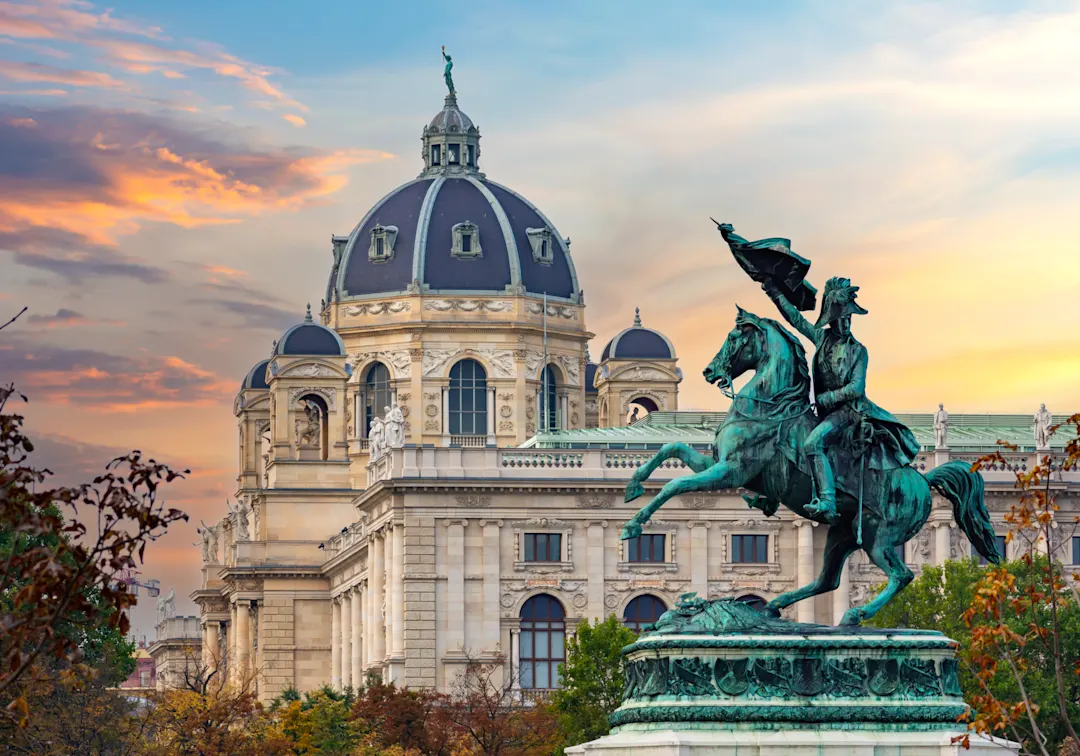
Day 2 — The Hofburg and the museums of the Ring, the Kunsthistorisches among them. An evening concert or a night at the State Opera.
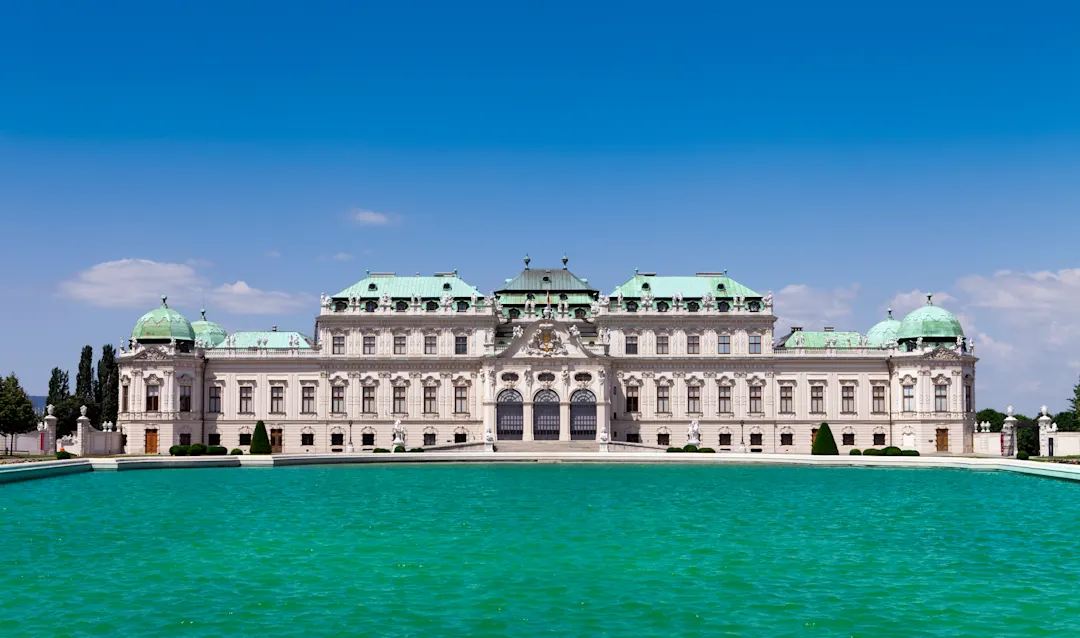
The third day is for slowing down to Vienna's rhythm. It is the time to visit the Belvedere and admire Klimt's The Kiss, to take a leisurely coffee-and-cake break in a historic café, or to stroll among the stalls at the Naschmarkt. It is less about ticking off sights than settling into the city's cultured, unhurried mood. That is what stays with you.
Days 1–2 — The imperial core: the palaces, the cathedral, the Ring.
Day 3 — The Belvedere, a coffee house afternoon, the Naschmarkt, and a second concert or a Heuriger wine tavern in the evening.
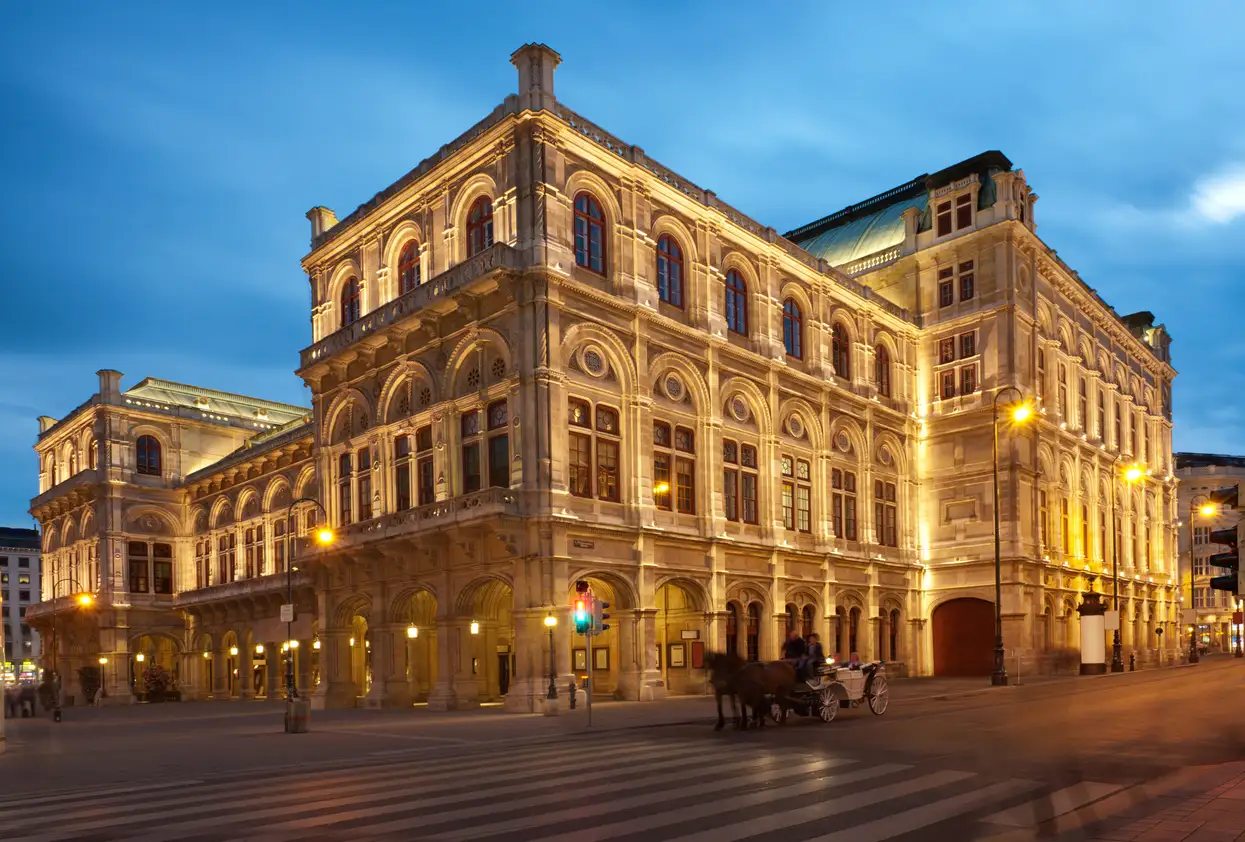
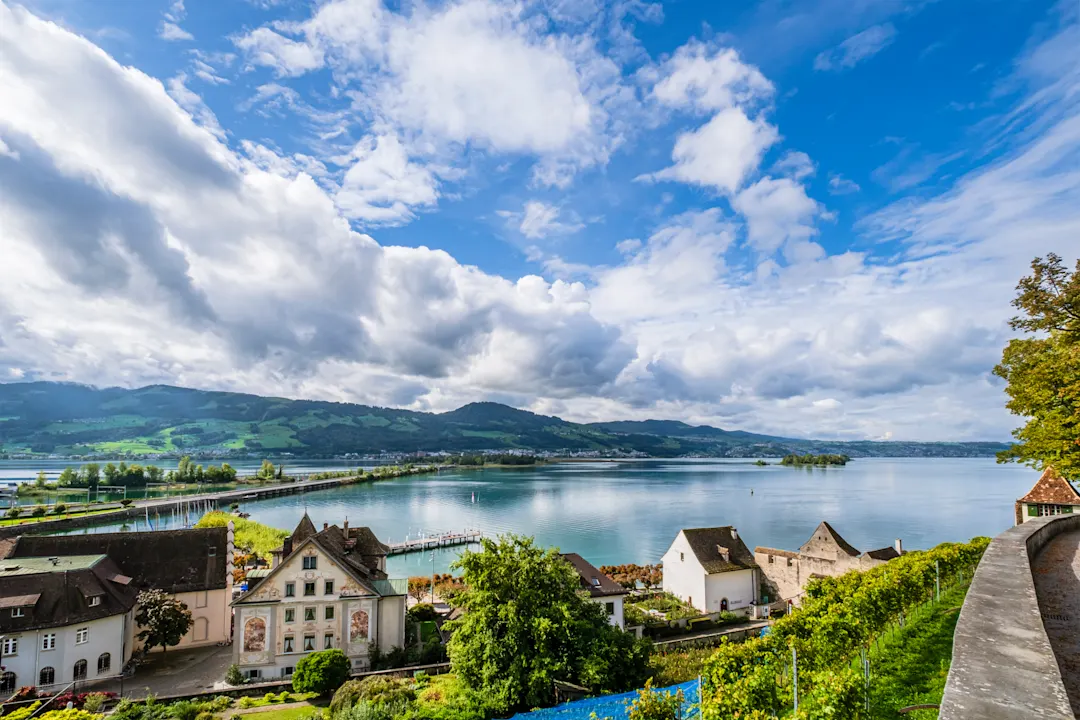
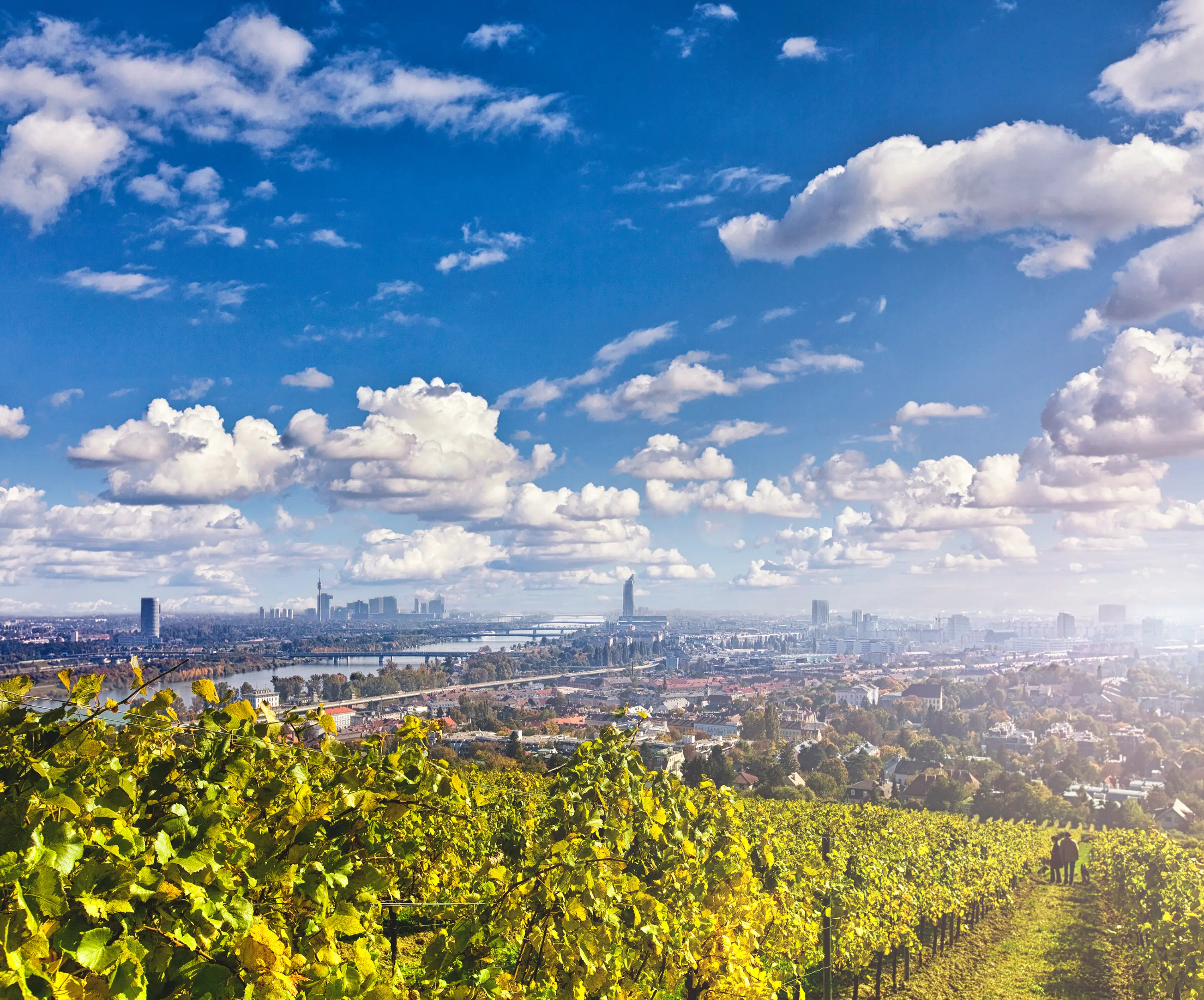
Four or five days let you discover Vienna's connection to the river. A classic day out takes you to the Wachau Valley — an hour upstream by boat or road — where terraced vineyards, riverside villages, and Melk Abbey line the Danube. Or use the excellent connections outward: Bratislava is an hour downstream, and Salzburg an easy fast train west. Even so, evenings are best spent back in Vienna, with its concerts and traditional café culture.
Days 1–3 — Vienna, unhurried.
Day 4 — A Wachau Valley excursion: the vineyards, the river, and Melk Abbey.
Day 5 — Onward to Salzburg, or a day in nearby Bratislava.
The palaces, then the pace
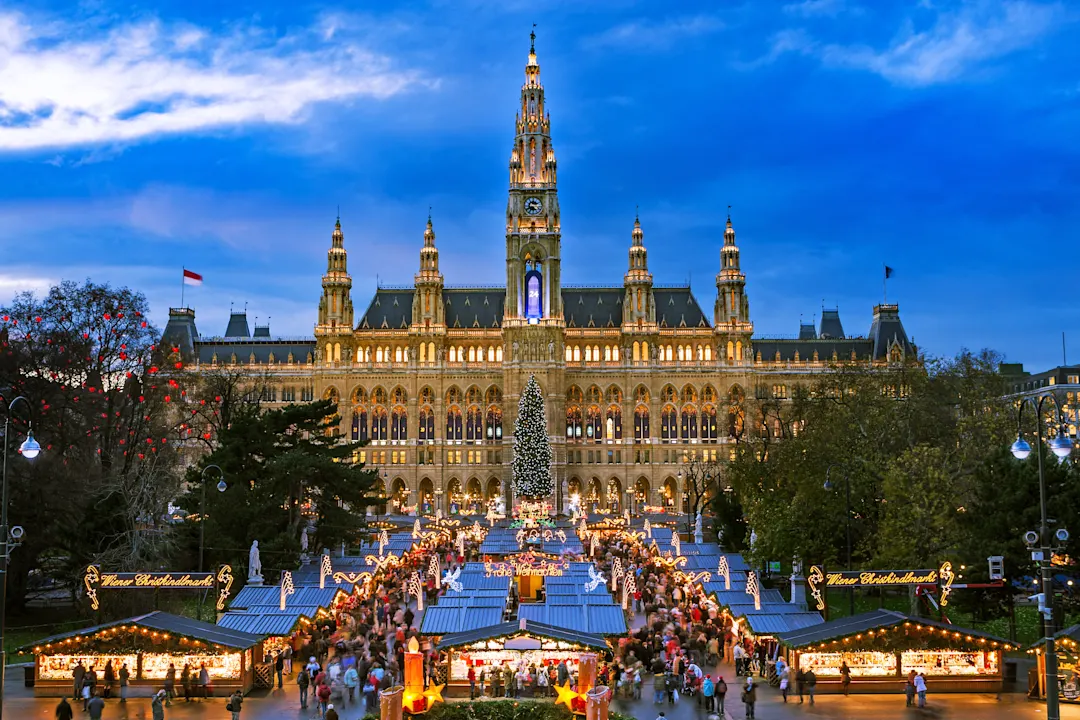
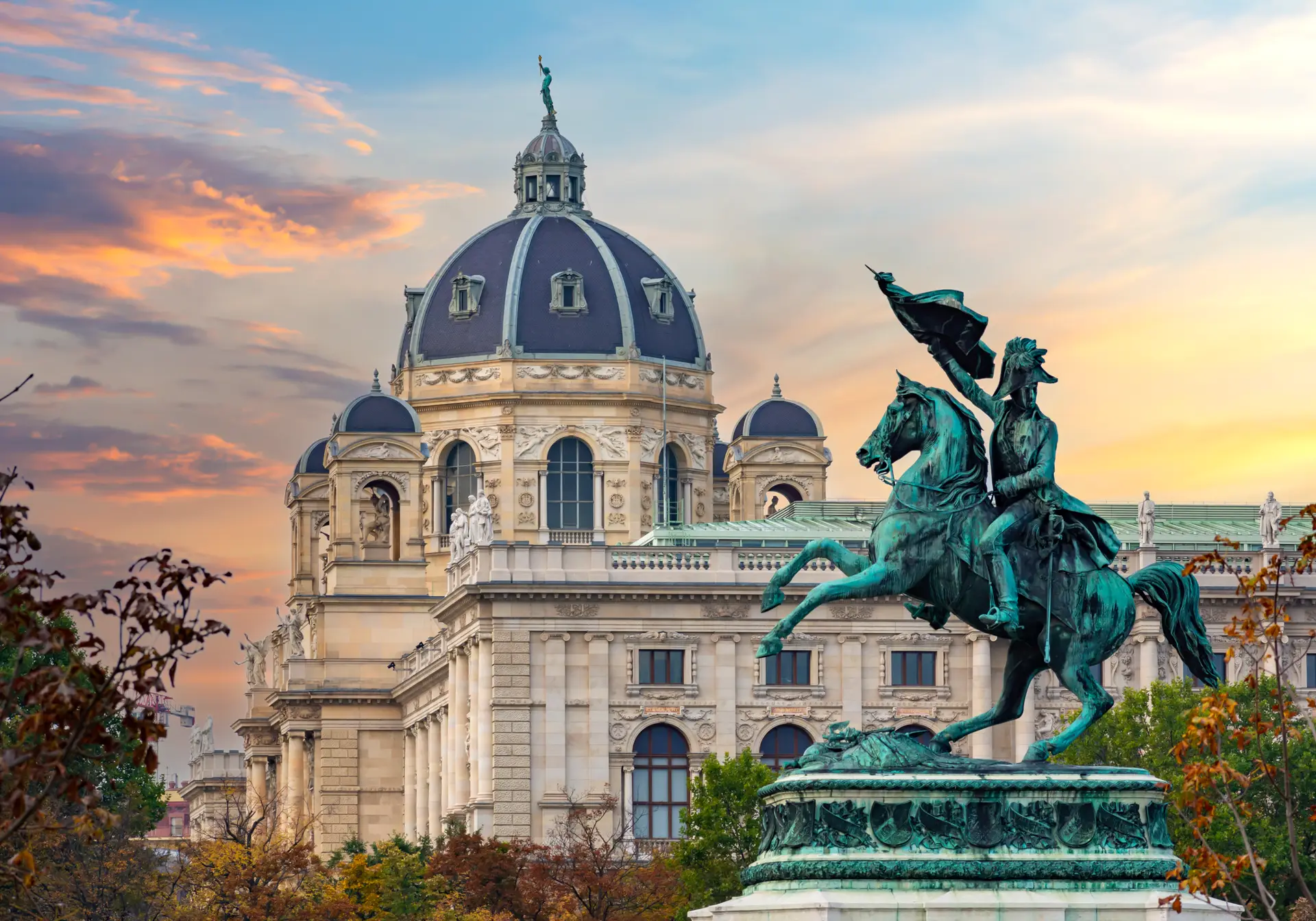
Vienna has two sides, and both help set the length of your trip. The imperial sights — Schönbrunn, the Hofburg, and the museums along the Ring — fill two full, busy days. But the city's real character is more laid-back: the coffee-house ritual, an evening concert, a Sunday at the Belvedere. The more you want of that relaxed side, the more that third day earns its place. To discover the main attractions, check out our guide to things to do in Austria.
The river decides the extra days
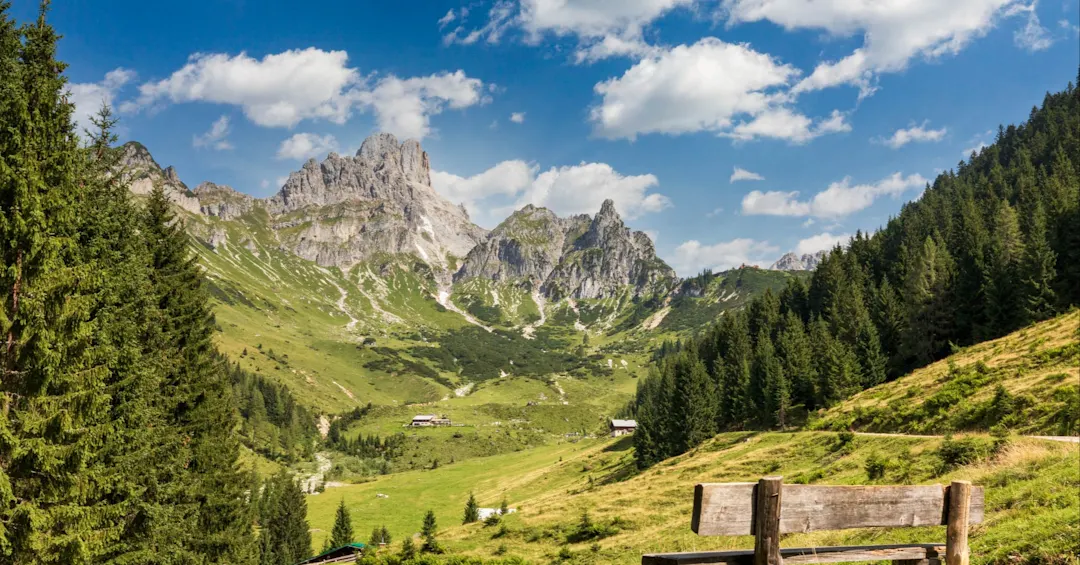
Where you spend your extra days depends on the Danube. Upstream lies the Wachau, Austria's finest wine valley, all terraced vineyards and riverside abbeys. Downstream, Bratislava sits an hour away. To the west, high-speed trains reach Salzburg and the Alps. A fourth day picks the wine valley, and a fifth pushes on into the mountains. Train and river cruise cover much of it, so a wider trip adds scenery rather than long drives. Planning to explore more of Austria? See our Austria road trip guide.
When you go
Spring (April–May) and autumn (September–October) are ideal: mild days, thinner crowds, and the Wachau at its best during the autumn grape harvest. Summer is hot and lively, with open-air concerts and long evenings. Winter has its own strong pull, with Christmas markets, the ball season, and a packed concert schedule, even though the days are short and cold. For a season-by-season overview, consult our guide on the best time to visit Austria.