How many days in Edinburgh?
The right length for Edinburgh, from the Castle and the Royal Mile to the lochs, glens, and islands of the Highlands
Plan your Trip
Your tailor-made itinerary – No cost, no commitment
Excellent
4.6 of 5
6,137Reviews
Excellent
Recommended trip duration
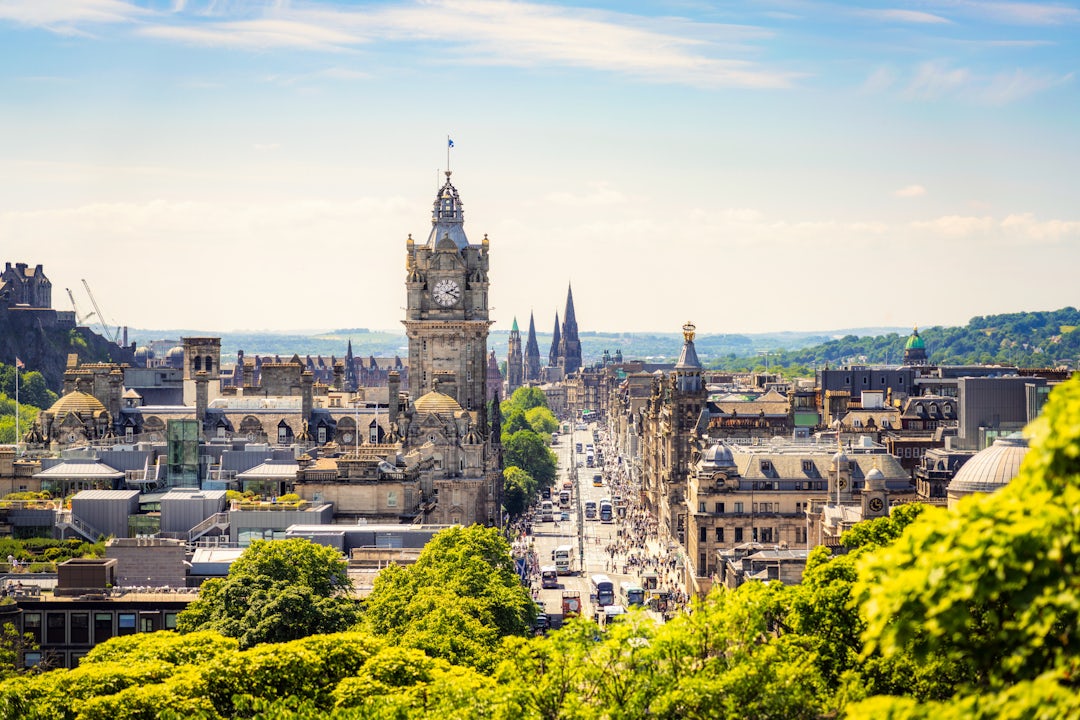
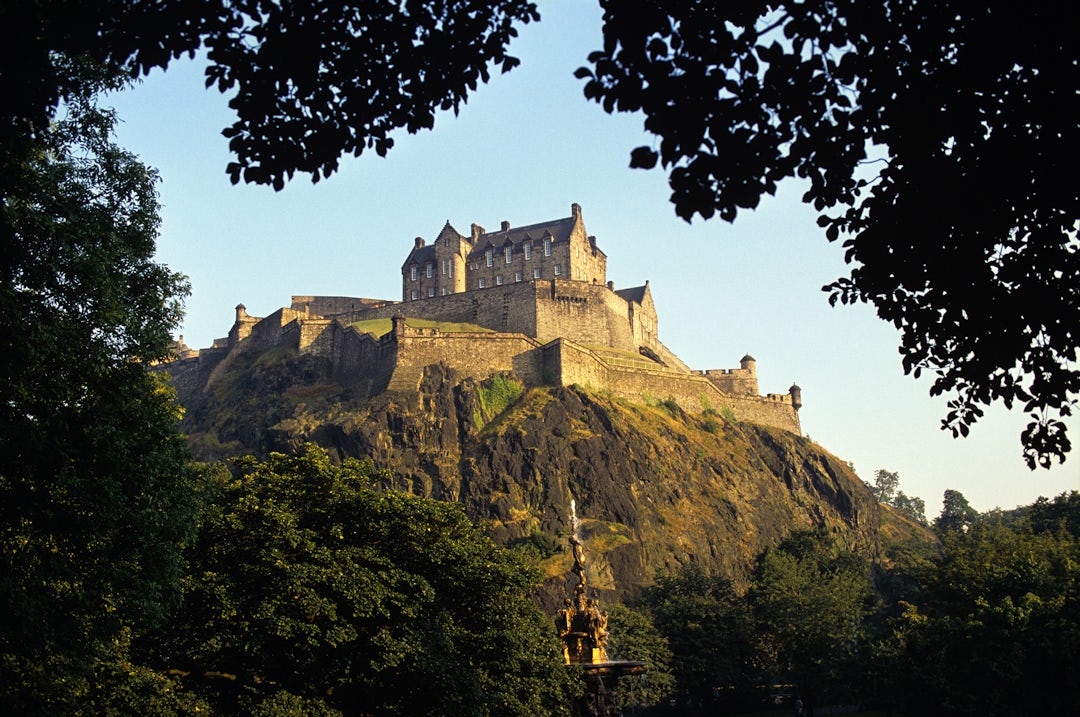
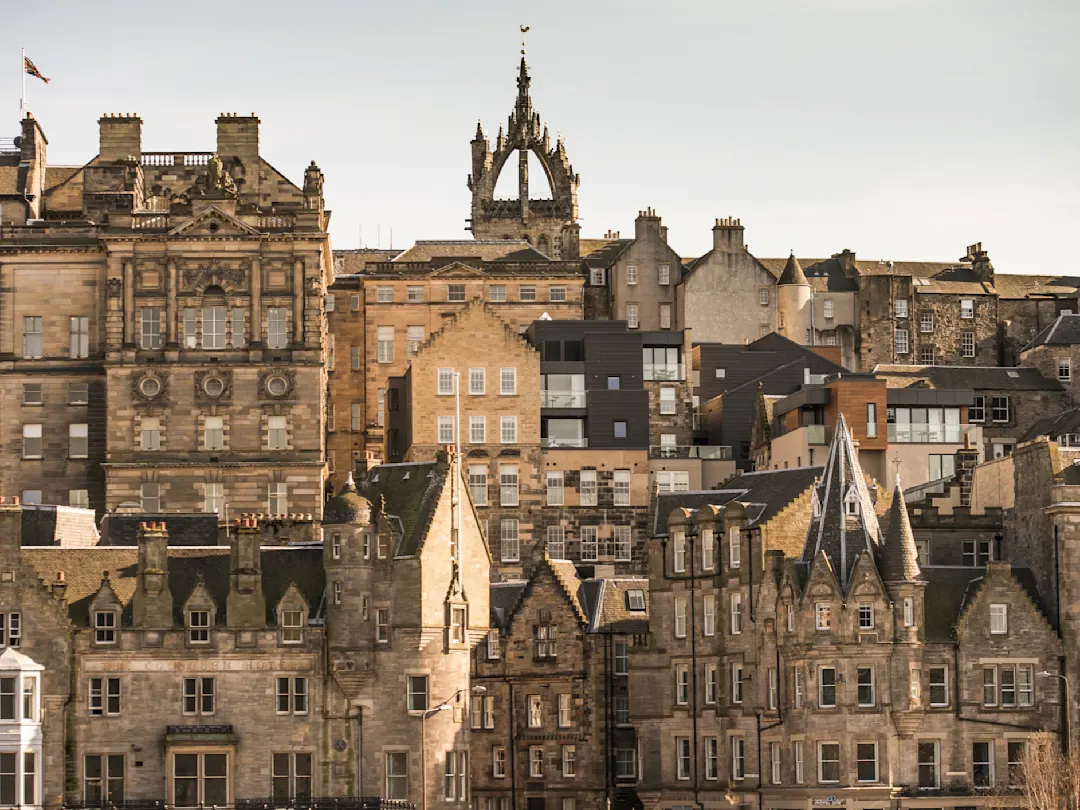
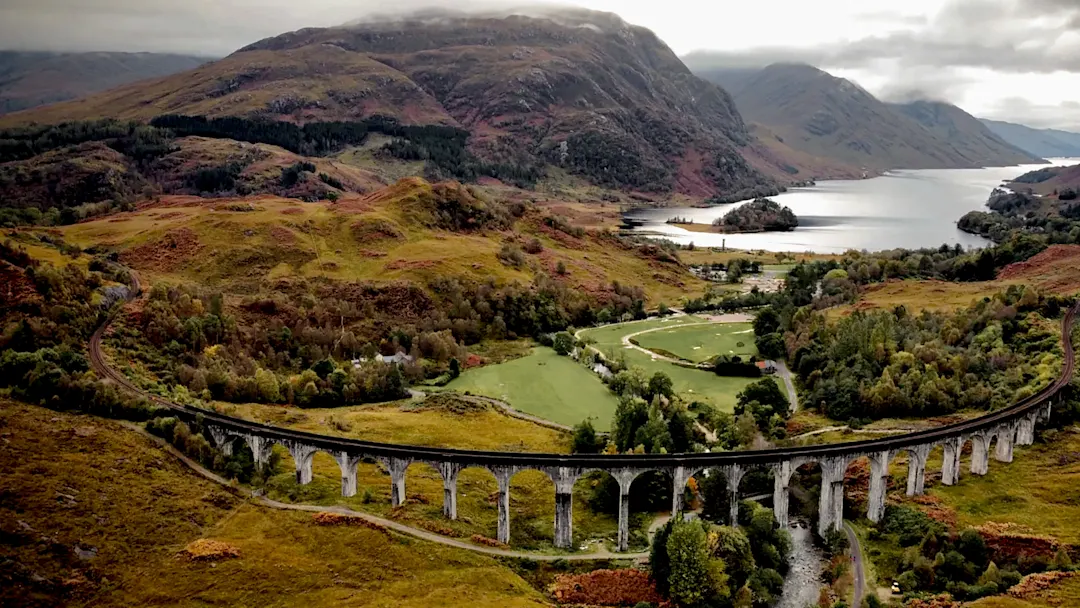
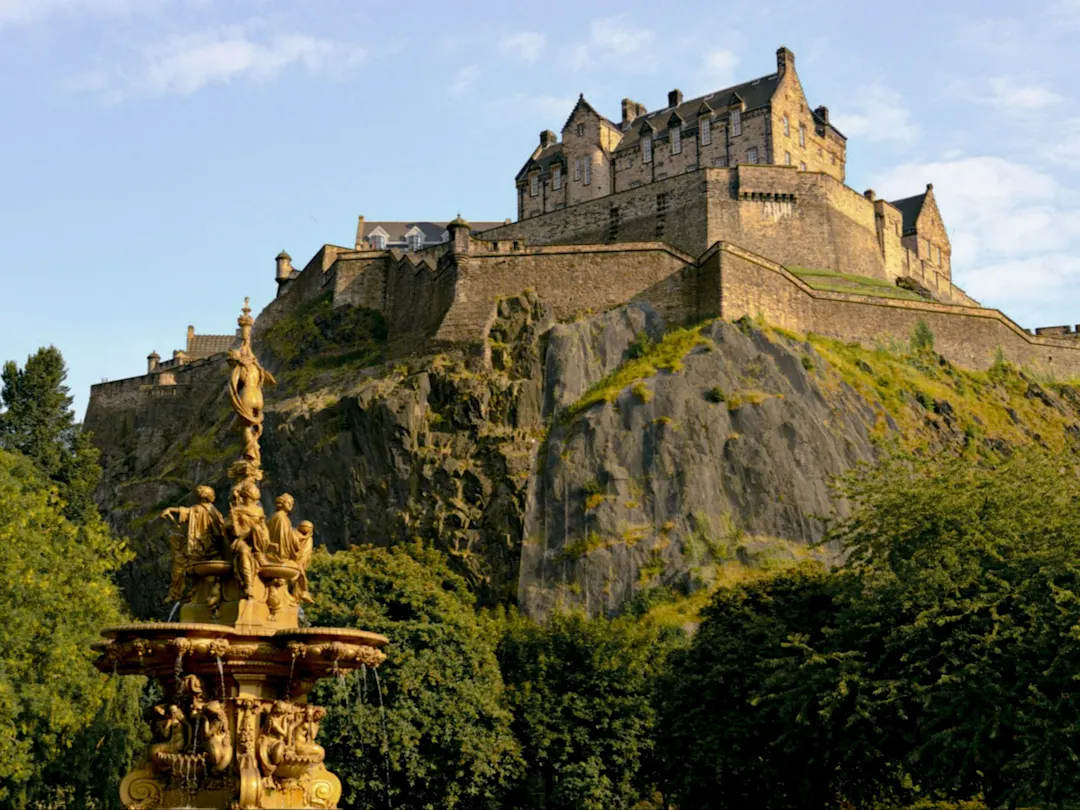
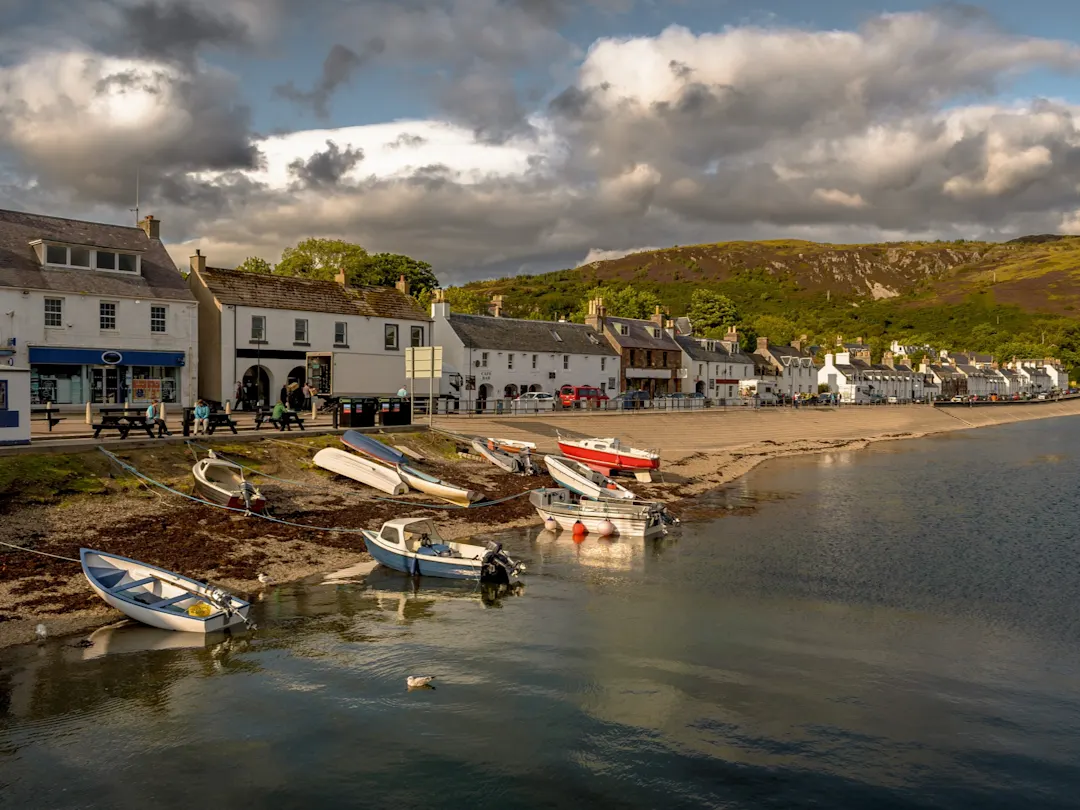
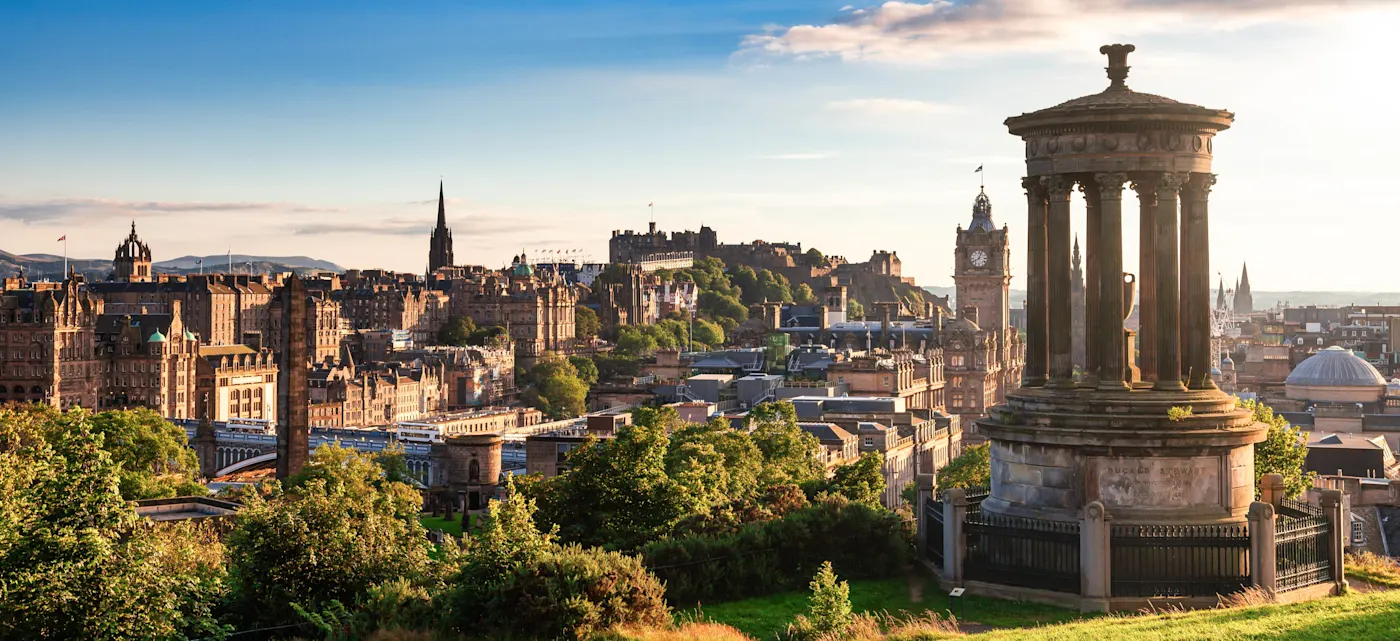
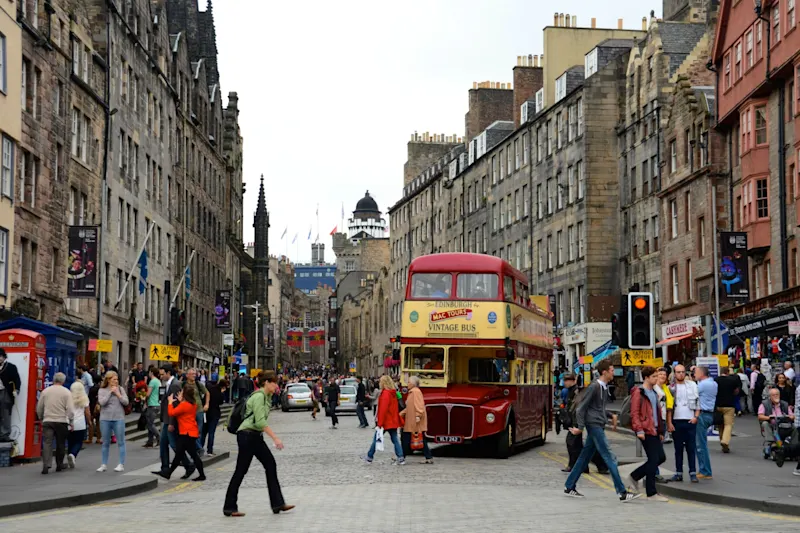
Edinburgh makes an immediate impression. Built on a series of extinct volcanoes, the city layers the medieval Old Town over the elegant Georgian New Town, all beneath a castle perched on a crag. You can explore its heart on foot in two days: the Royal Mile end to end, a climb up Arthur's Seat for the view, and a good whisky to close the day. What often changes the trip is what lies to the north. Edinburgh is the ideal starting point for the Highlands, and once you're here, Loch Ness, Glencoe, and the Isle of Skye are hard to resist. Give the city two days, then set off for the valleys (the glens).
Tom Williams
Travel Expert for England
Updated on 09/09/2026
Edinburgh's city center is walkable, so two days rarely feel rushed. That covers the Castle, the Royal Mile, the Old Town, and the New Town, plus a climb up Arthur's Seat. What changes the trip is the north: the Highlands and the islands within reach. A single day sees the Castle, but little else.
2 days — The city. The Castle and the Royal Mile, the Old and New Towns, and the climb up Arthur's Seat.
3 days — More of Edinburgh, or a first day trip to Stirling, St Andrews, or Loch Lomond.
4–5 days — Edinburgh as the launch point for the Highlands, Loch Ness, and Skye.
| Days in Edinburgh | Best for | Combine with — wider route |
|---|---|---|
| 2 days | The city on its own | Edinburgh + the Castle + the Royal Mile |
| 3 days | The city plus a day out | Edinburgh + Stirling or St Andrews |
| 3 days | The classic Scottish loop | Edinburgh ▸ Highlands ▸ Glasgow |
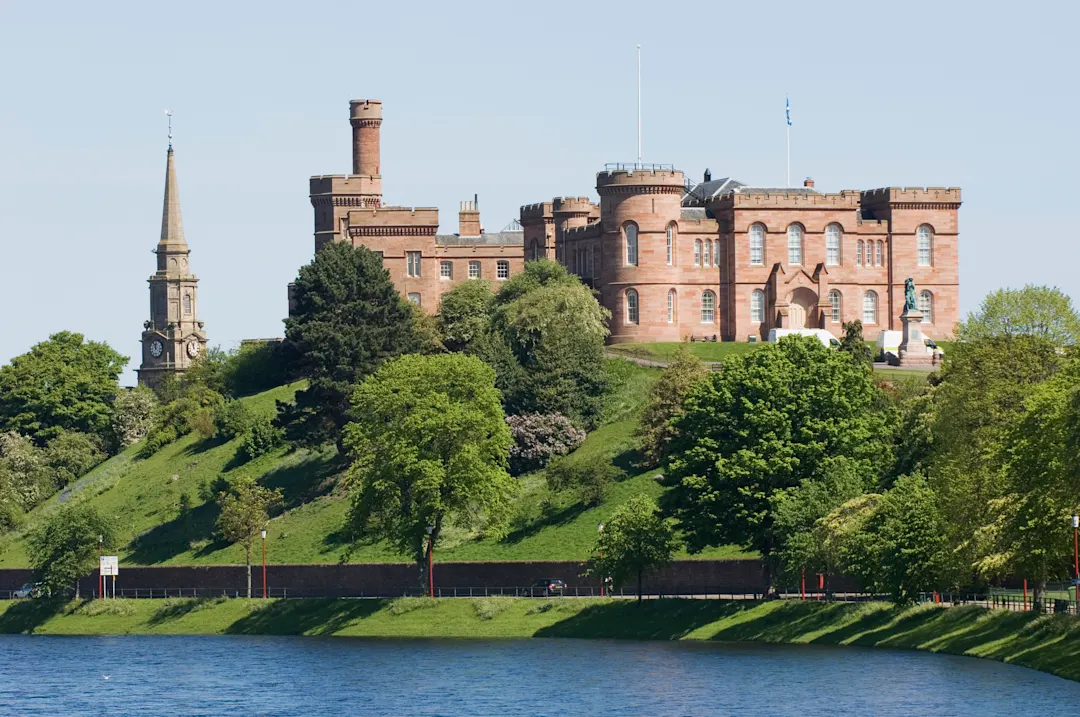
| 4 days | Edinburgh into the Highlands | Edinburgh ▸ Loch Ness ▸ Inverness |
| 5+ days | The road to the islands | Edinburgh ▸ Glencoe ▸ Isle of Skye |
These stages are a guide, not a fixed route. Every trip is tailored to you.

Plan for free
Custom holiday packages and trips that fit your budget

Personalized for you
Itineraries built exactly to your needs

Private VIP guides
A personal English-speaking, native-European travel expert for every step

Peace-of-mind support
Full service assistance before, during, and after your trip
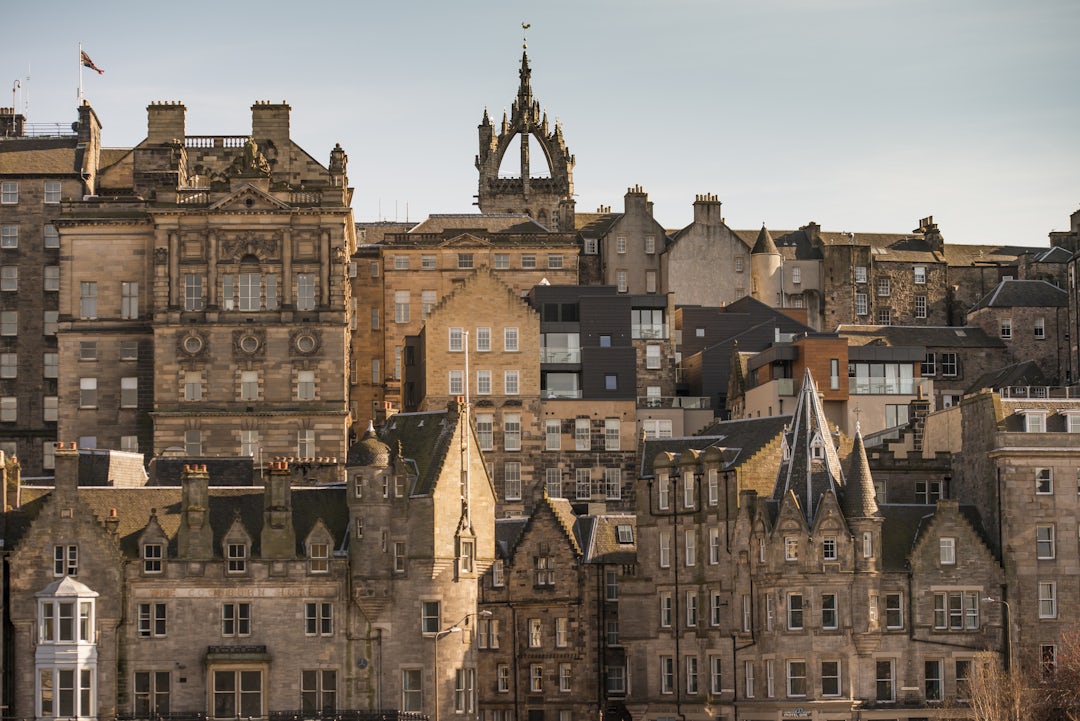
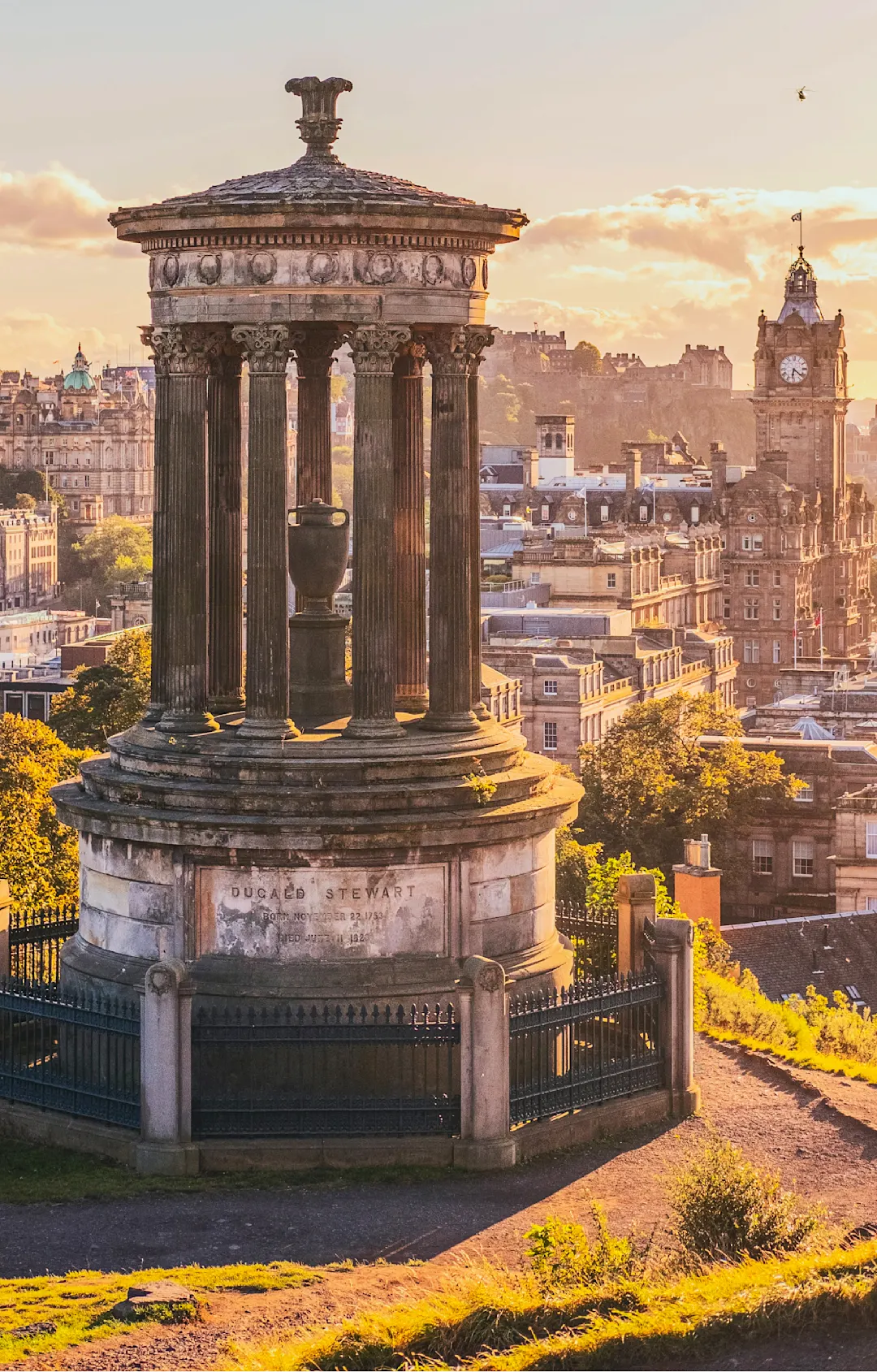
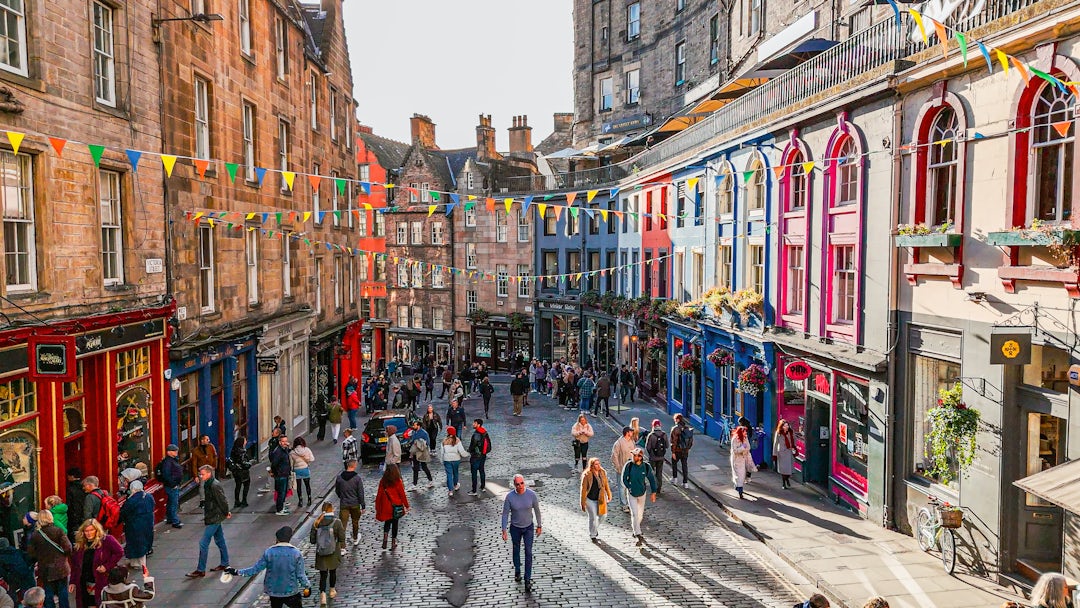
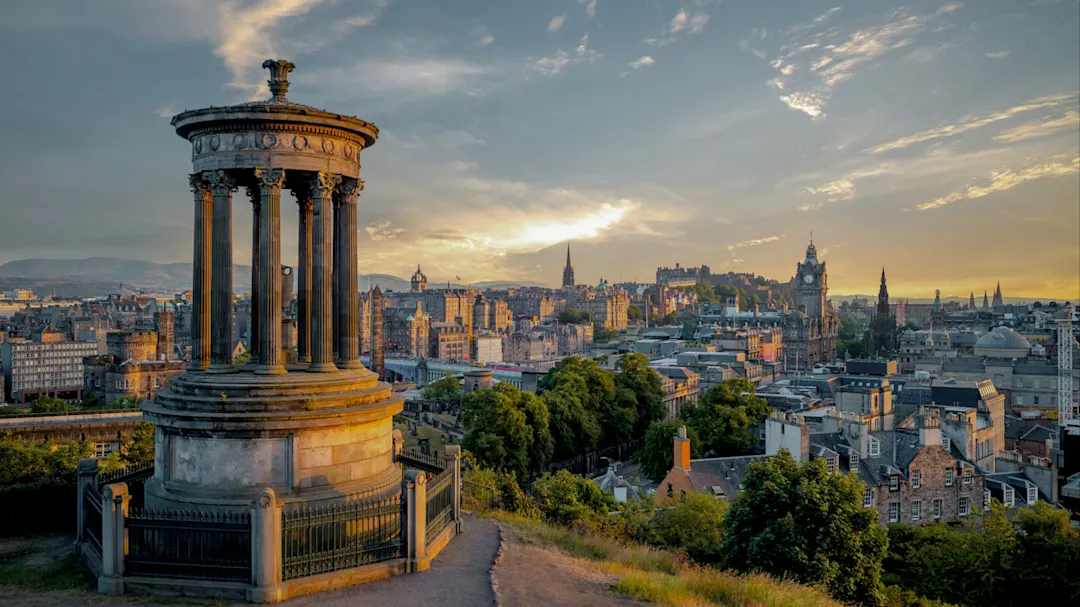
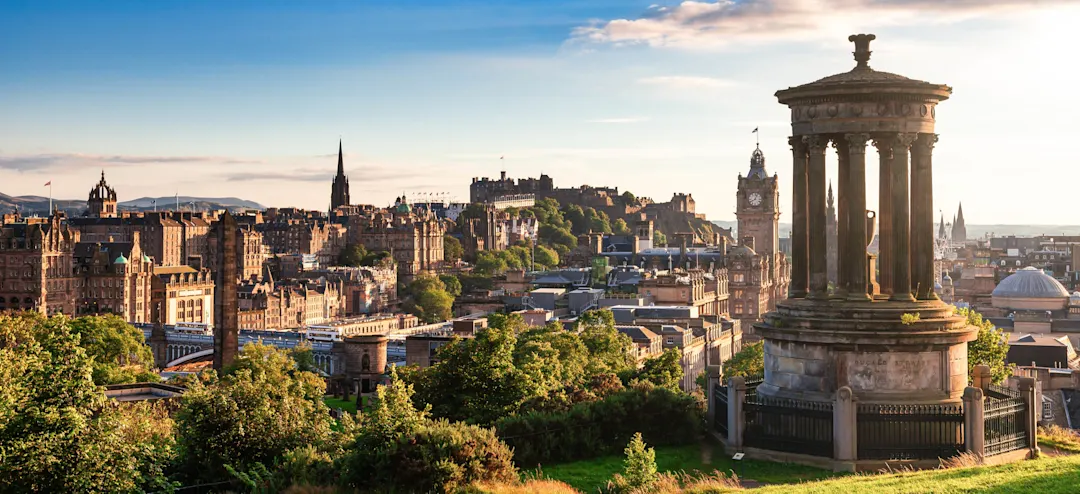
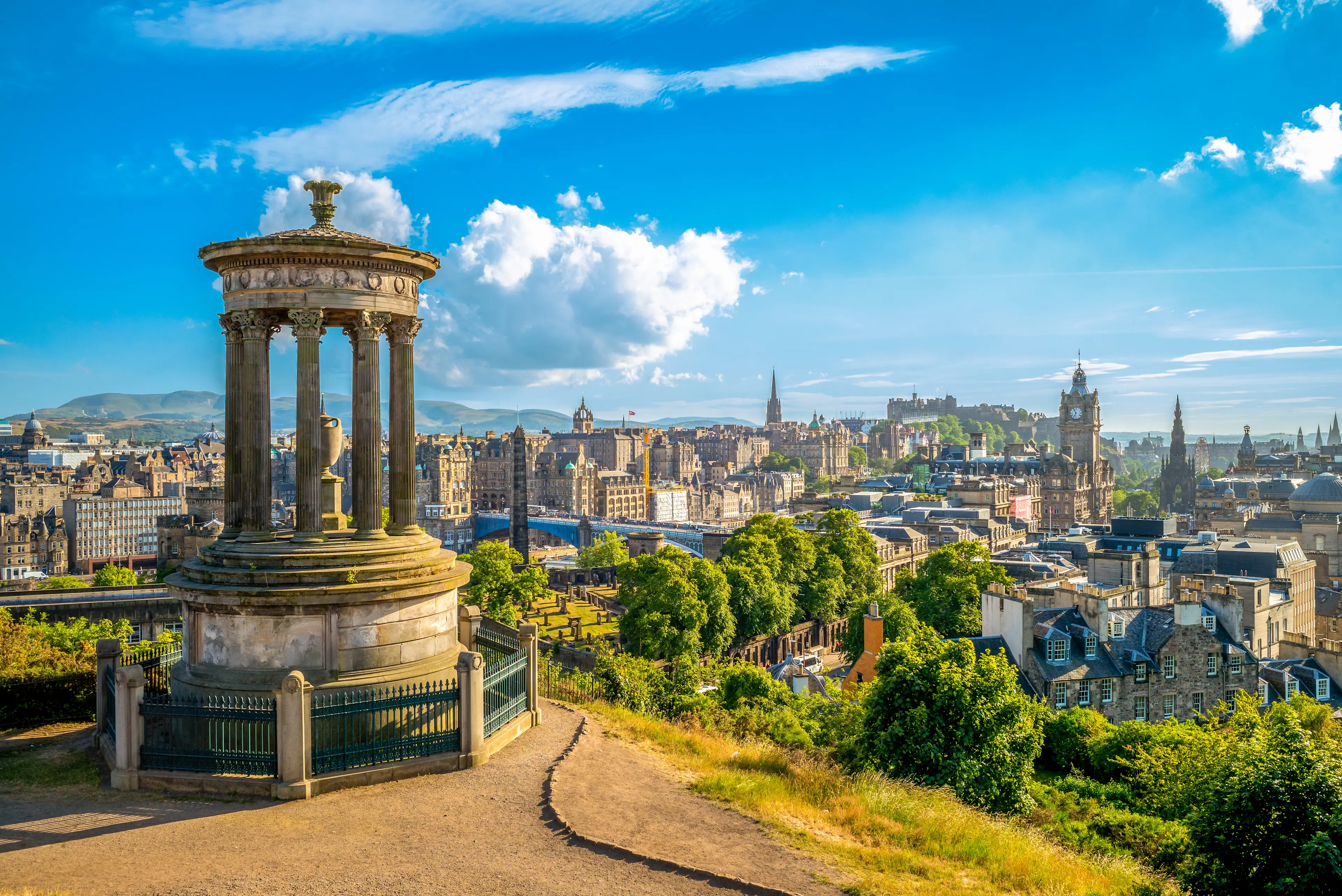
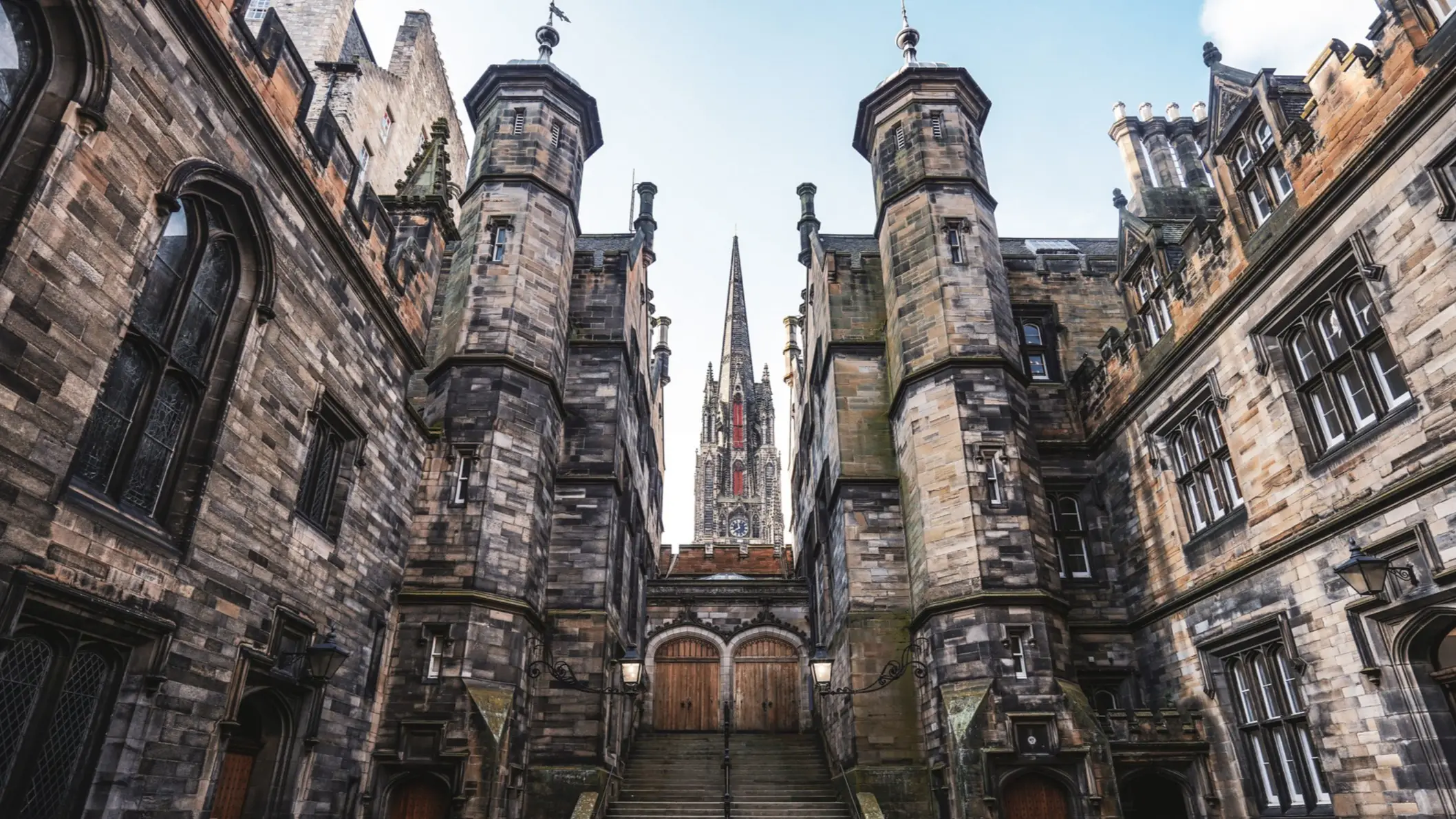
Two days are enough to know Edinburgh, especially since much of it runs along a single, spectacular central spine. The Old Town slopes down from the Castle, and the New Town's Georgian grid lies just to the north. The whole city is walkable, though steep in places. Set aside an hour to climb Arthur's Seat or Calton Hill. From there, the city's volcanic landscape reveals itself all at once.
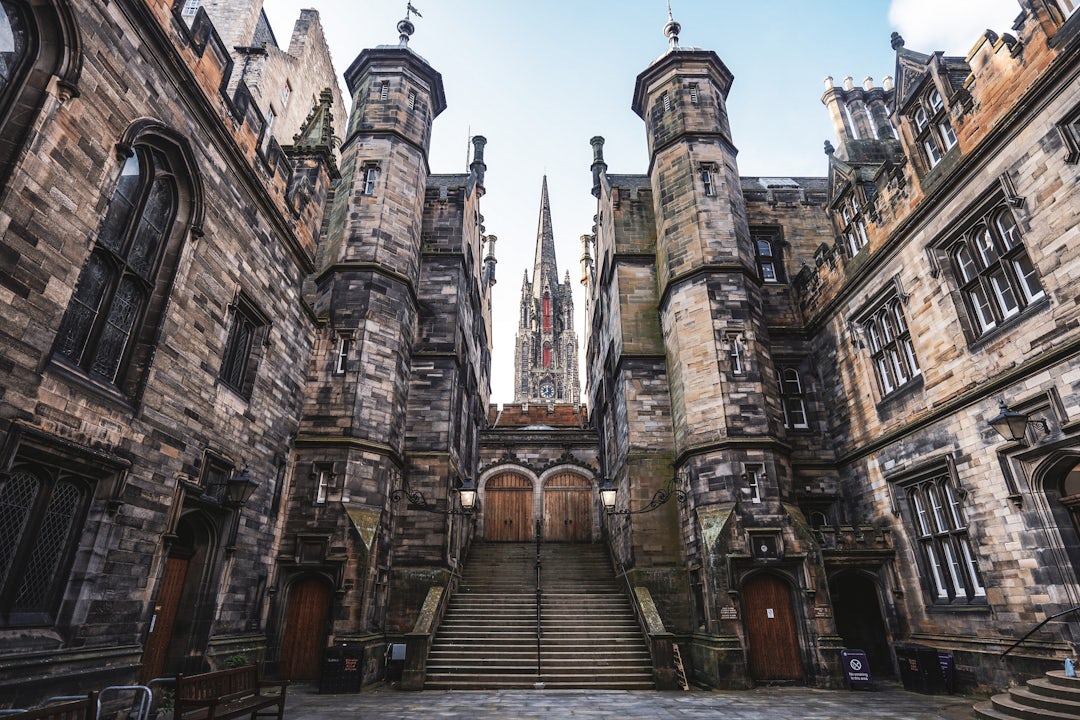
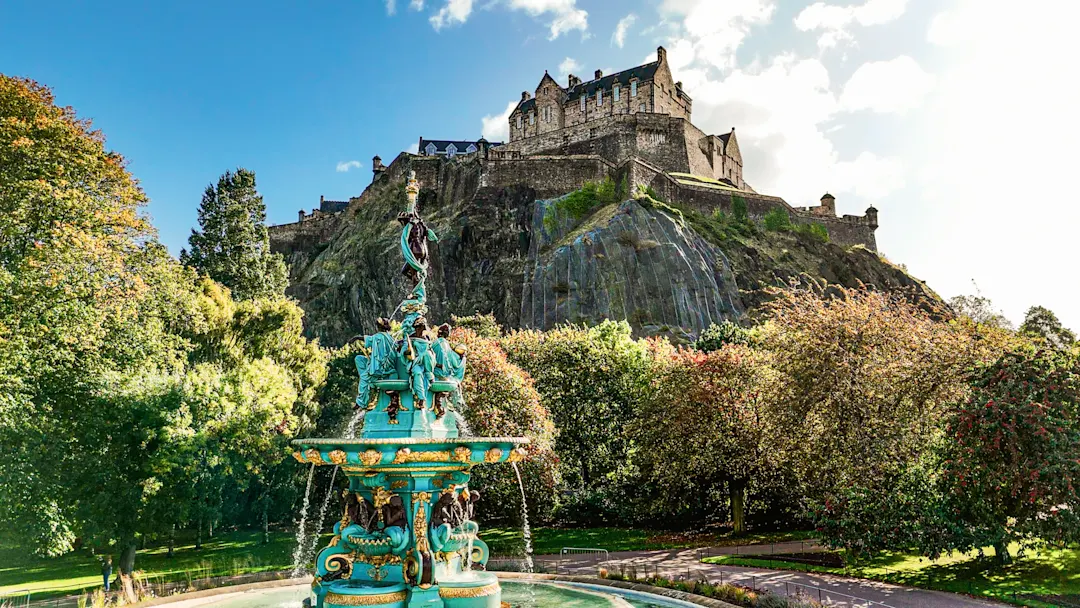
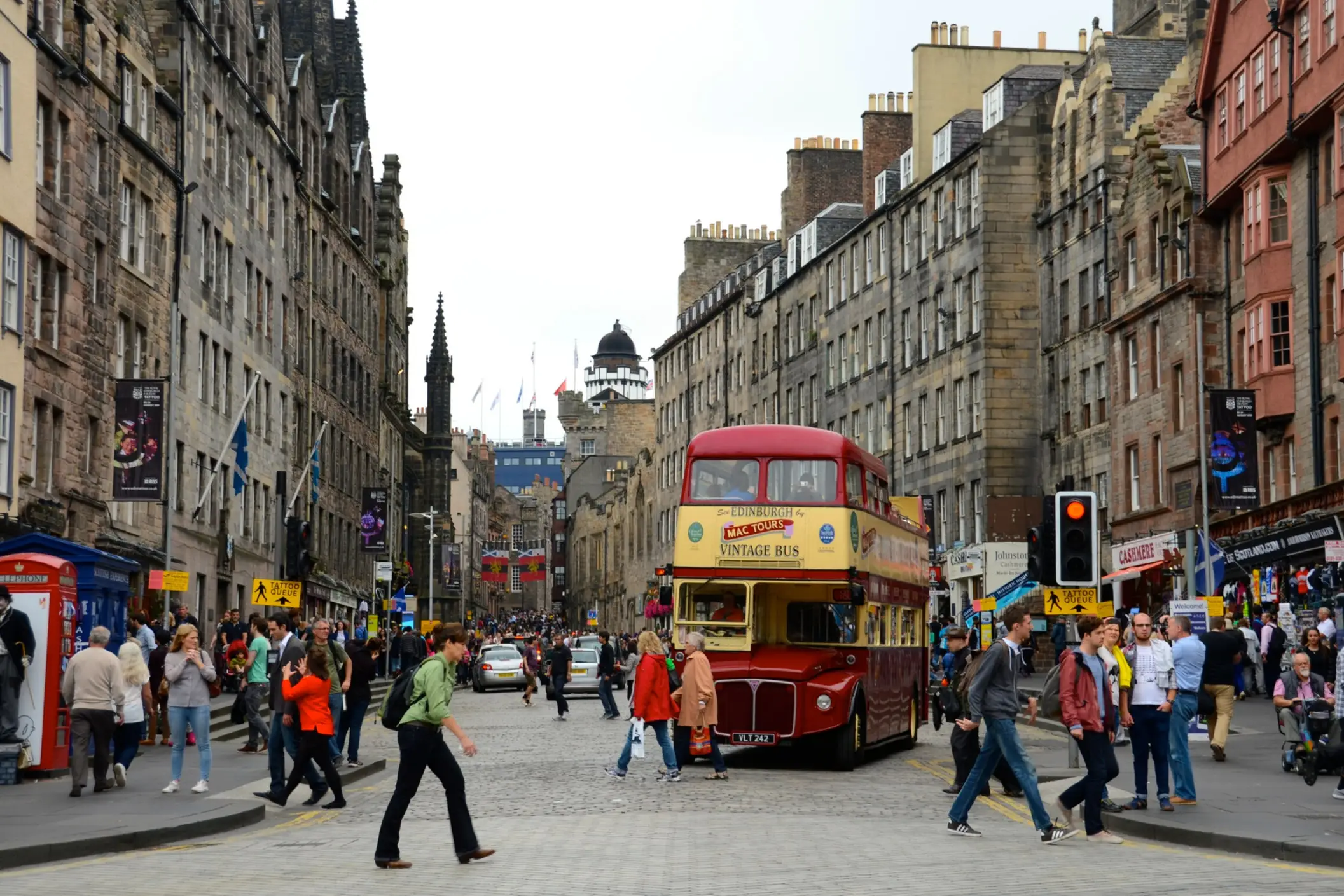
Day 1 — Edinburgh Castle and down the Royal Mile: St Giles' Cathedral, the closes and wynds, and the Palace of Holyroodhouse at the bottom. Up Arthur's Seat for sunset.
Day 2 — The New Town's Georgian streets and galleries, the Scotch Whisky Experience, and Calton Hill for the skyline.
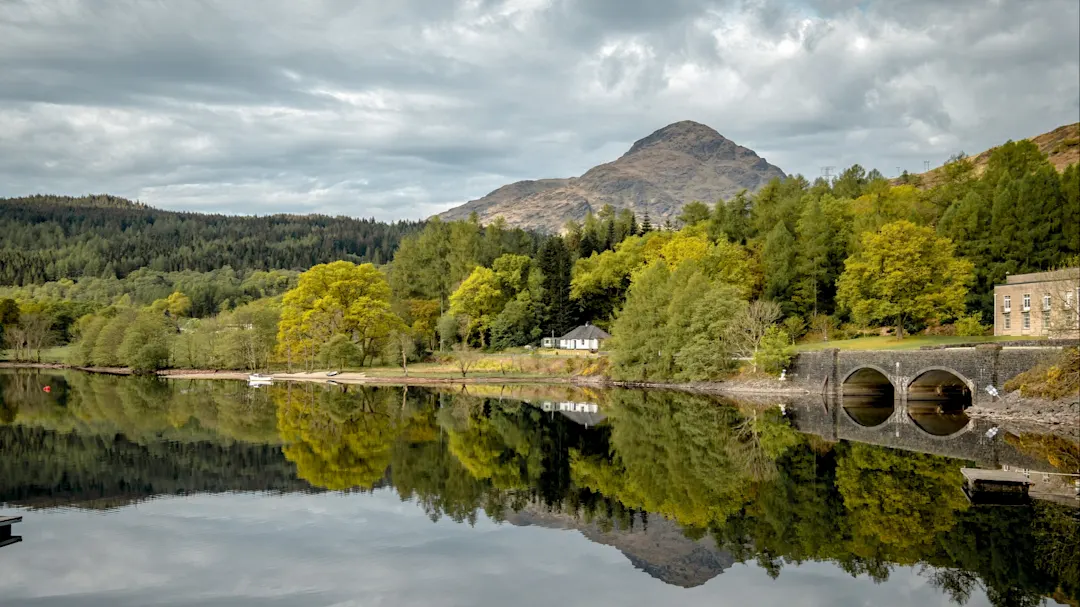
The third day is your first look beyond the city, and Scotland has plenty within an easy drive. Stirling pairs a hilltop castle with the Wallace Monument and the nearby Trossachs. St Andrews is the home of golf, with a windswept coast. Loch Lomond gives you the edge of the Highlands without the full journey north. Return to Edinburgh for dinner and an evening in a pub with live folk music.
Days 1–2 — The city: the Castle, the Royal Mile, the two Towns.
Day 3 — A day trip: Stirling Castle and the Trossachs, St Andrews and the Fife coast, or Loch Lomond.
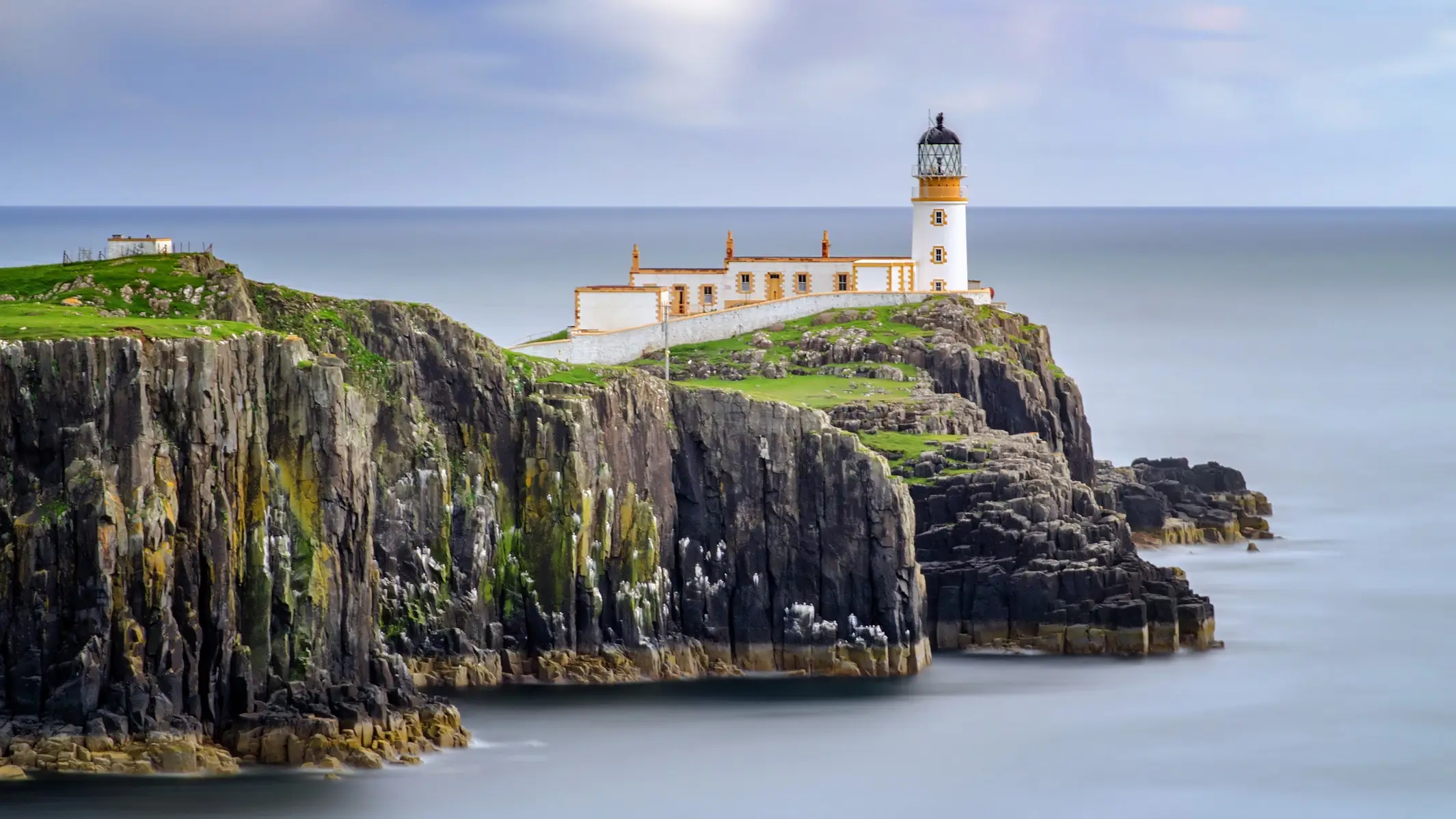
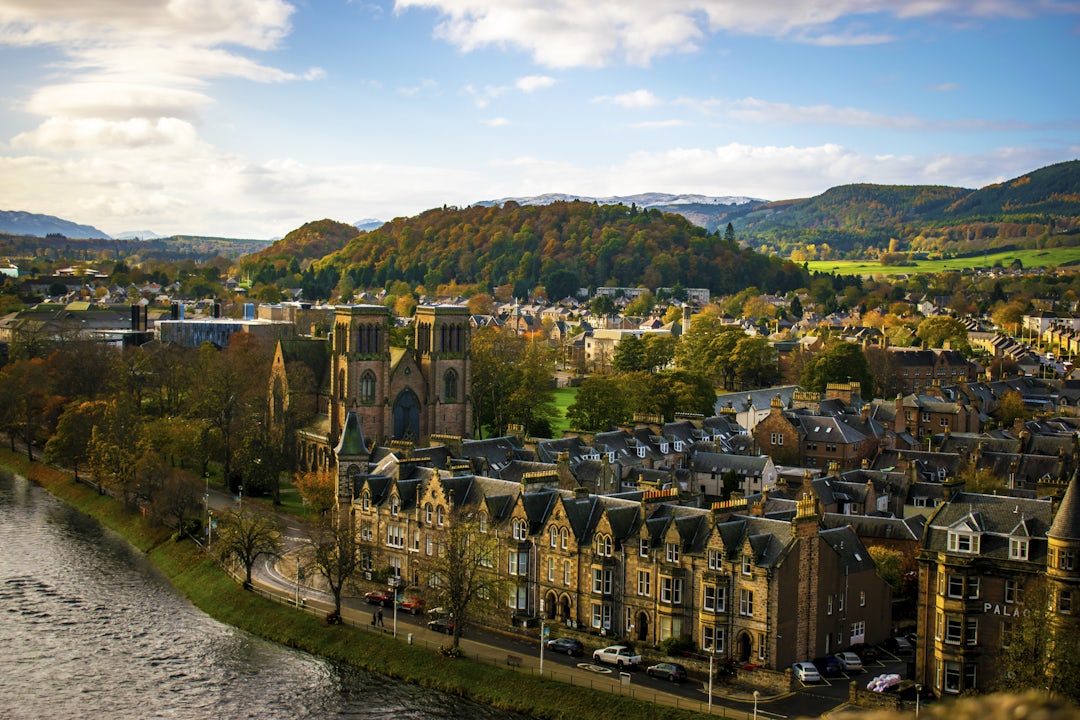
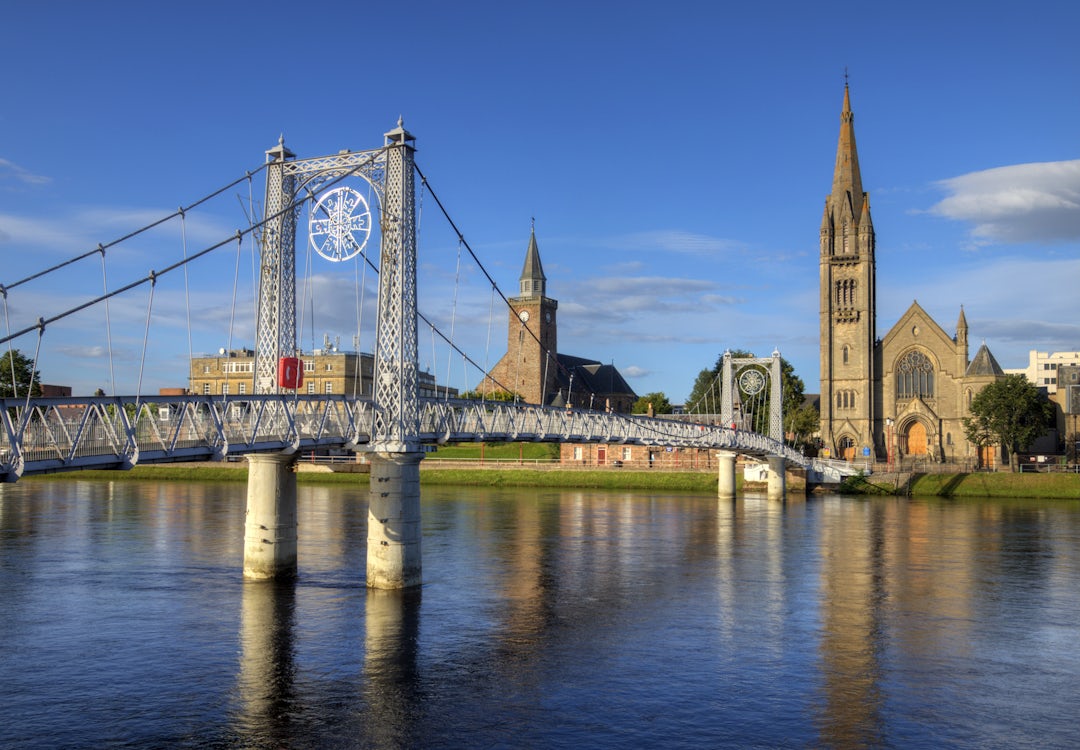
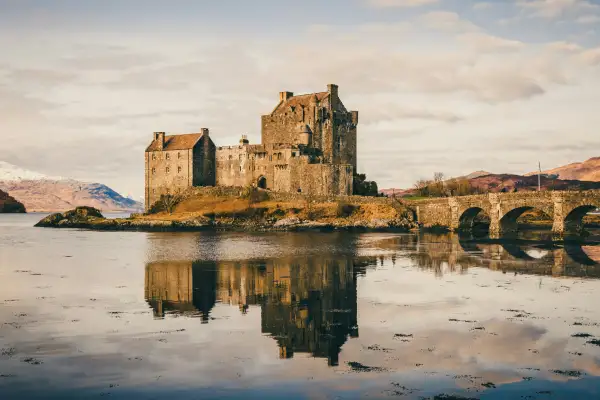
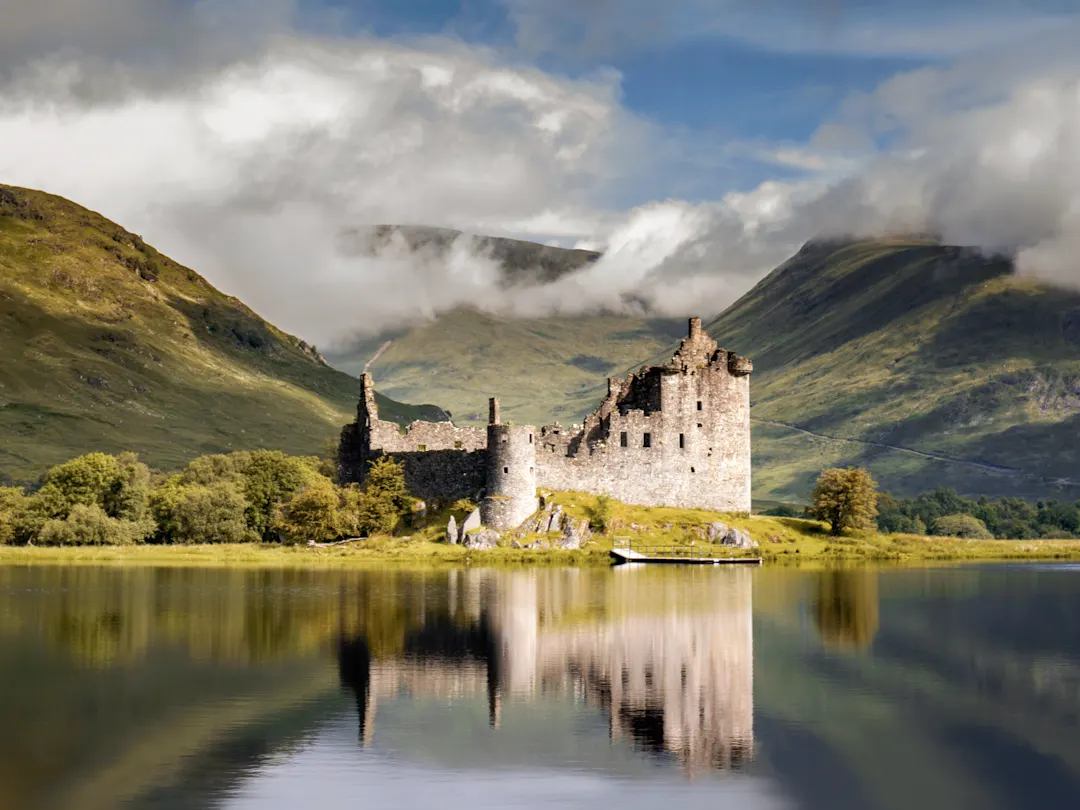
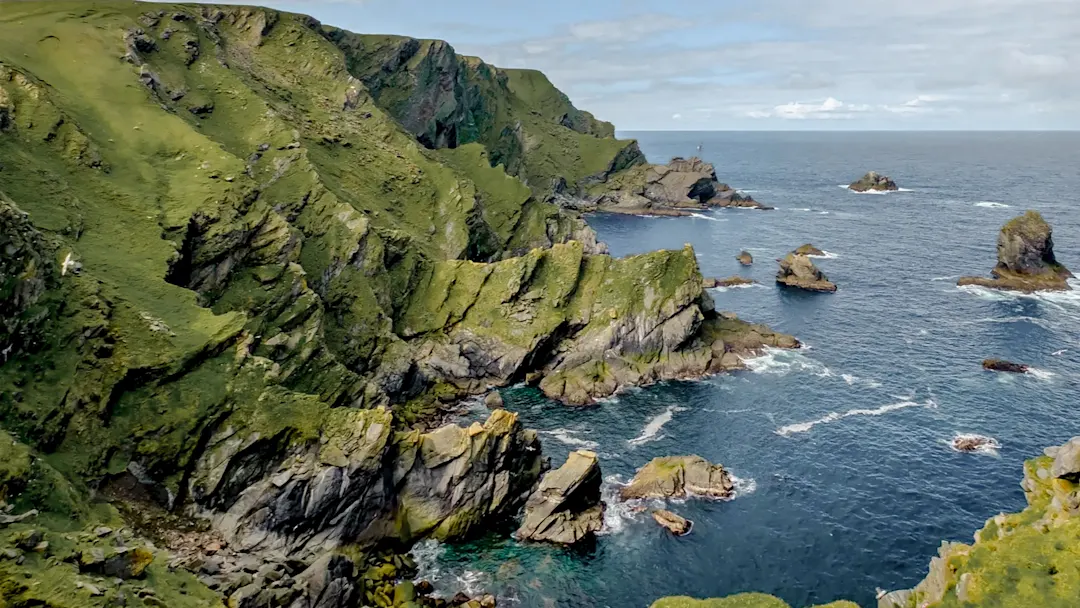
With four or five days, Edinburgh becomes the starting point for the road trip Scotland was made for. The route north runs through the brooding valley of Glencoe to Loch Ness and Inverness, past Urquhart Castle on the water and whisky distilleries along the way. Stretch to five days, and the Isle of Skye comes into range. Its cliffs, the Fairy Pools, and Eilean Donan Castle are among the most photographed spots in Great Britain.
Days 1–2 — Edinburgh, unhurried.
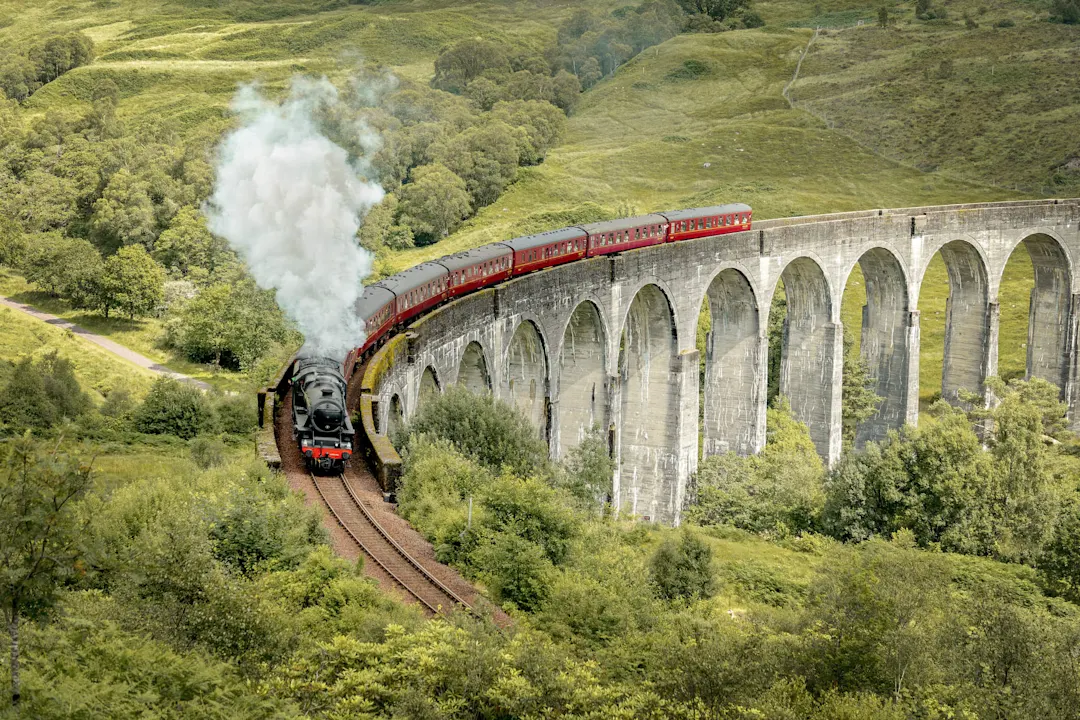
Day 3 — Into the Highlands: Glencoe and on to Loch Ness and Inverness.
Days 4–5 — The far west and the Isle of Skye, or a loop back via whisky country.
A compact city, then the wild north
Edinburgh's great advantage is its compactness: the Castle, the Royal Mile, and the New Town sit in a central area easily explored on foot, so two days are usually enough to see the sights without a rush. For that reason, the length of your trip depends more on the rest of Scotland than on the city. Beyond the ring of hills lie the Highlands, the lochs, and the islands, the reason many visitors stay longer than planned. Allow two days for Edinburgh, and four or five if the glens are calling. To discover the main attractions, check out our guide on things to do in Edinburgh.
The road trip is the point
Here, extra days aren't for a quick day trip, but for a proper touring holiday. Scotland rewards those who drive: Glencoe, Loch Ness, the Speyside whisky trails, and the Isle of Skye follow routes a train can't quite reach. Distances are real and the Highland roads are narrow, so allow time to actually stop, and remember you drive on the left. Each extra day buys another loch or glen rather than more time in transit. Planning to take the wheel? See our Scotland road trip guide.
August changes everything
No factor shapes an Edinburgh trip like timing, because for most of August the city becomes the world's largest arts festival. The Fringe, the International Festival, and the Military Tattoo fill every stage and street, thrilling if you've come for it, overwhelming if you haven't. Either way, hotels book up months ahead. Outside August, spring and early autumn (May, June, September) bring the kindest weather and thinner crowds. Keep in mind that in the Highlands, midges (tiny biting gnats) are worst at the height of summer.
Dress for four seasons in a day
Scottish weather is its own planning factor. In Edinburgh, you might get sun, wind, and rain in a single afternoon, and the Highlands more so, so layers and a waterproof jacket are essential whatever the month. It's less a warning than a rhythm: the light here shifts fast and dramatically, and some of the finest views come right as a shower clears. Plan flexible days, especially in the north and on Skye, and the weather becomes part of the atmosphere rather than a setback.