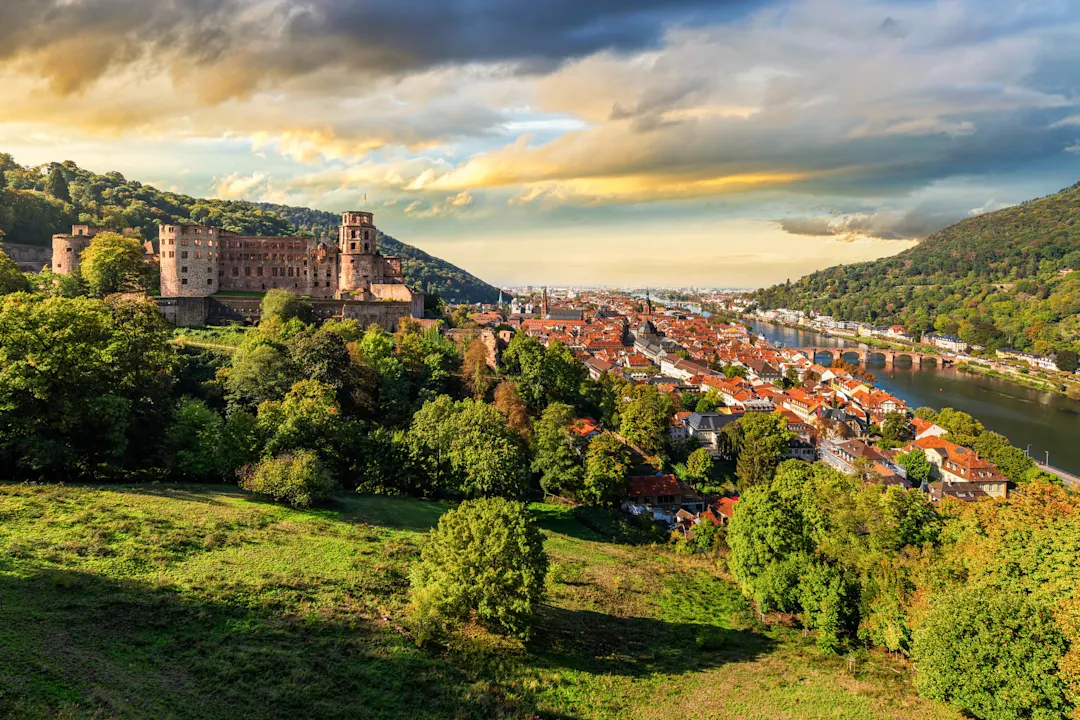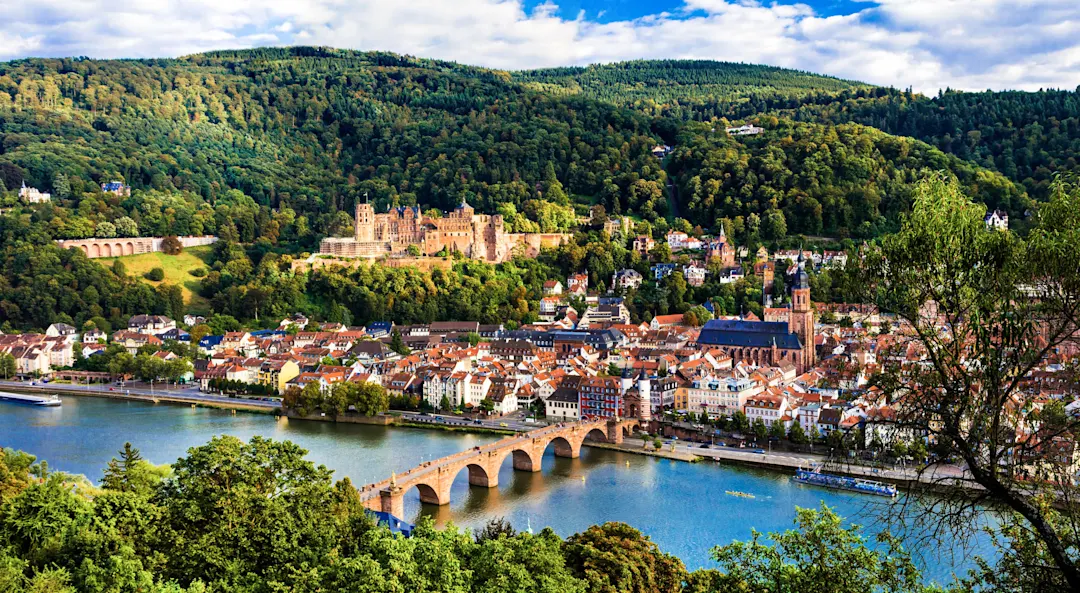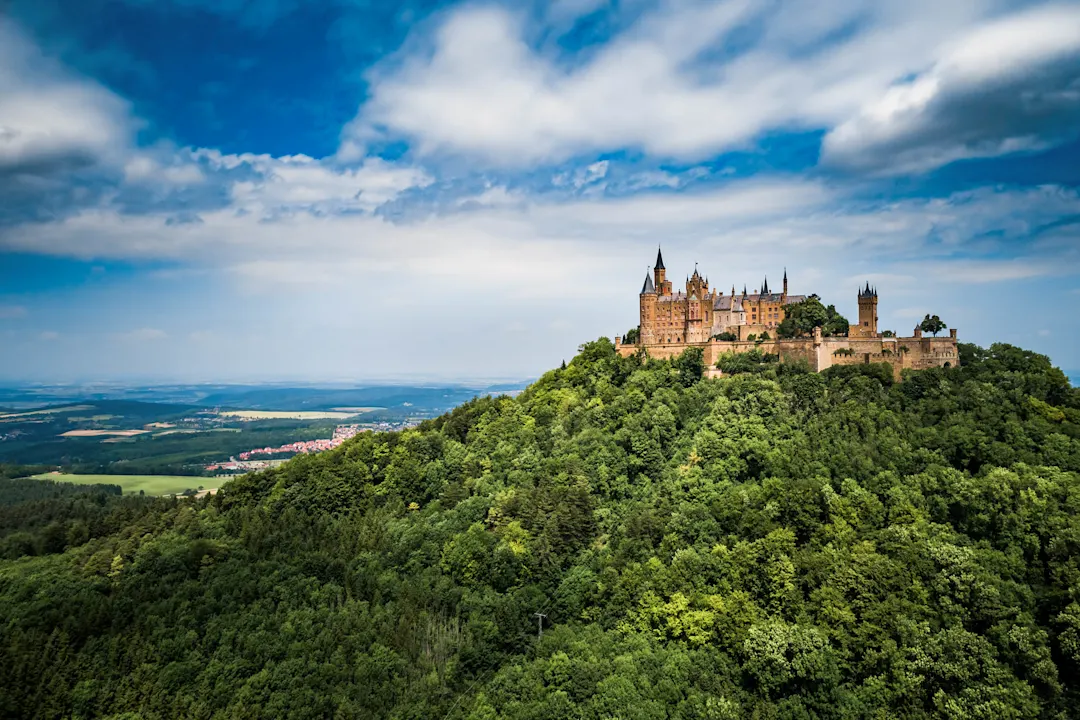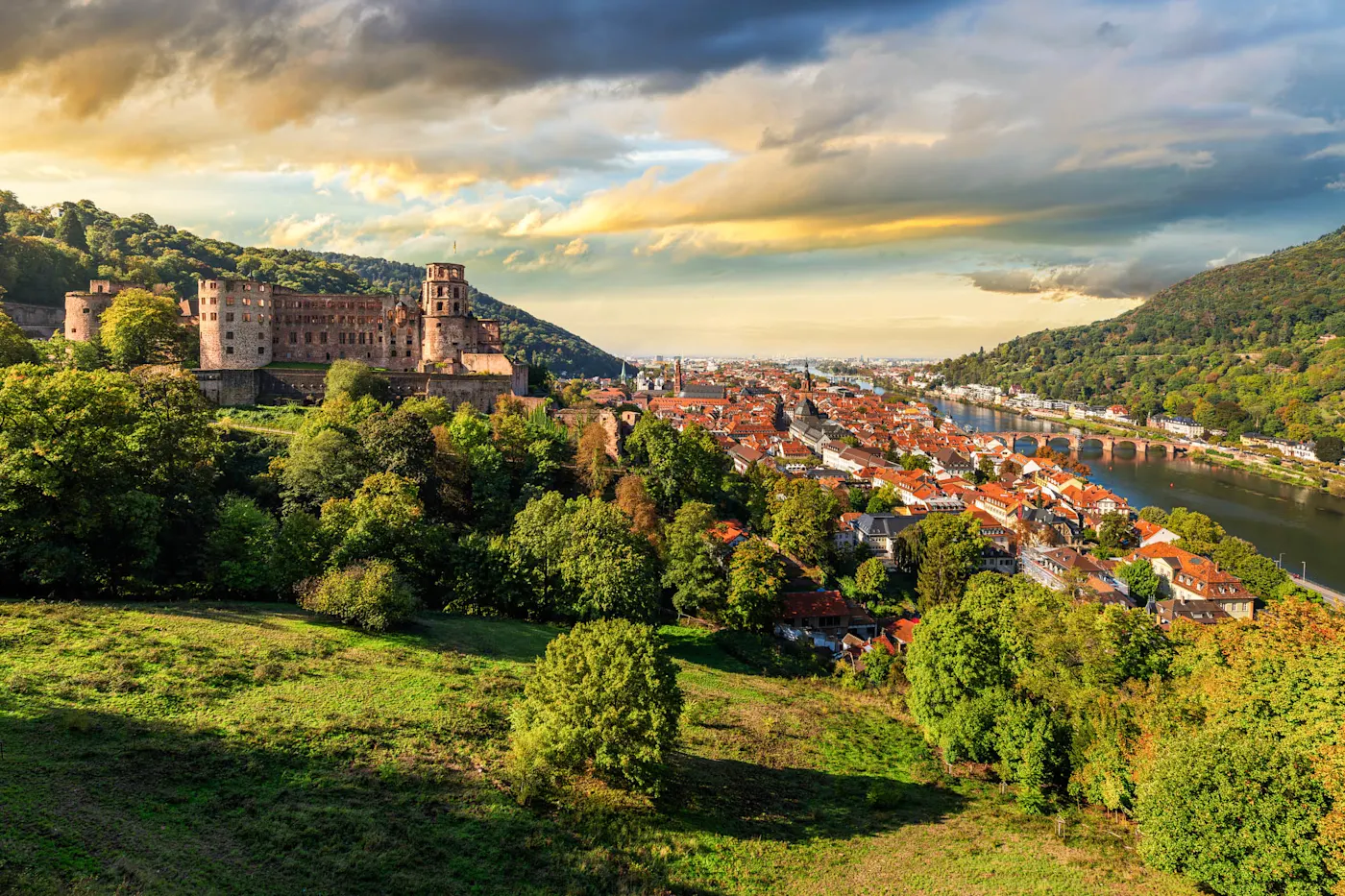
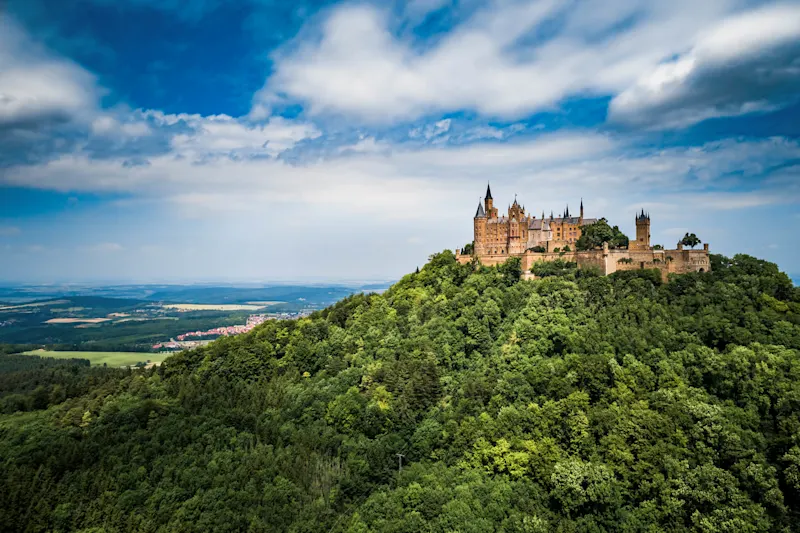
Best time to visit Germany
Historic timber-framed towns, deep fairytale forests, and a legendary automotive heritage
Plan your Trip
Your tailor-made itinerary – No cost, no commitment
Excellent
4.4 of 5
4,958Reviews
Excellent
Plan your Trip
Your tailor-made itinerary – No cost, no commitment
Our expert recommendation
The best time to visit Germany is generally from May to September. During these months, you can enjoy ideal weather for city sightseeing, scenic river landscapes, and exploring vast forest regions. Your perfect time to travel depends on your plans—from urban breaks and historic road trips to festive celebrations like Munich’s Oktoberfest in September. Use this guide to find the best season for your Germany trip and plan with confidence.
Roman Karin
Travel expert for Germany
Updated on 02/27/2026
When is the best time to visit Germany?
Germany is a land of historic timber-framed towns, deep fairytale forests, and a legendary automotive heritage. From the cutting-edge galleries of Berlin and the medieval charm of the Romantic Road to the serene shores of Lake Constance and the rugged peaks of the Bavarian Alps, you can experience Germany at its best when you choose the right time to travel.
While Germany is a year-round destination, the period from May to September is especially popular. During these months, you’ll enjoy pleasant weather for exploring cultural hubs like Munich, Hamburg, or Cologne, as well as scenic regions such as the Black Forest, the Rhine Valley, and the Baltic coast. Immerse yourself in Germany’s rich history and diverse traditions, savor hearty regional cuisine and world-class beer, and soak up the unique local atmosphere.
Longer days, mild to warm temperatures, and plenty of sunshine in many regions make a trip to Germany between late spring and early fall a memorable experience. Depending on your destination, summer and the surrounding shoulder seasons are often the best times to visit.
Recommended travel time: May – September & December
Activities: The optimal time to visit depends on your itinerary. Spring and early fall are ideal for city breaks, hiking, and river cruises, offering comfortable temperatures and fewer crowds. The summer months are perfect for outdoor festivals, beer gardens, and exploring the northern islands. Alternatively, December is the premier time for experiencing the world-famous Christmas markets and winter festivities.
Key public holidays: German Unity Day (October 3), Labor Day (May 1), Christmas Day (December 25)
Please note: In summer, some urban areas in Germany can experience occasional heat waves. Heavy rain and strong winds may occur in northern coastal regions from late fall into winter, and mountainous areas can see heavy snowfall. Always check current travel and safety advice before your trip.
Climate table for Germany
| Climate Table for Germany | Jan | Feb | Mar | Apr | May | Jun | Jul | Aug | Sep | Oct | Nov | Dec |
|---|---|---|---|---|---|---|---|---|---|---|---|---|
| Max. Temperatures in °F | 38 | 41 | 50 | 59 | 68 | 74 | 77 | 76 |
The table shows average values based on climate data from Berlin, Munich, Hamburg, and Frankfurt. These cities represent the various regional climates across Germany, from the coastal north to the alpine south.
Plan for free
Custom holiday packages and trips that fit your budget
Personalized for you
Itineraries built exactly to your needs
Private VIP guides
A personal English-speaking, native-European travel expert for every step
Peace-of-mind support
Full service assistance before, during, and after your trip
Germany experiences a distinct seasonal cycle, influenced by both maritime air from the north and continental patterns from the east. Winters tend to be brisk, particularly in the southern highlands, while summers provide balmy weather ideal for wandering through medieval town centers and verdant river valleys. While travelers visit throughout the year, the window from May to September is especially favored for its mild and reliable climate. Late spring and early autumn are fantastic for scenic rail journeys and hiking, whereas the summer months are perfect for open-air festivals and coastal retreats. Ultimately, your ideal timing depends on whether you are seeking sun-drenched beer gardens or the nostalgic glow of a traditional winter market.
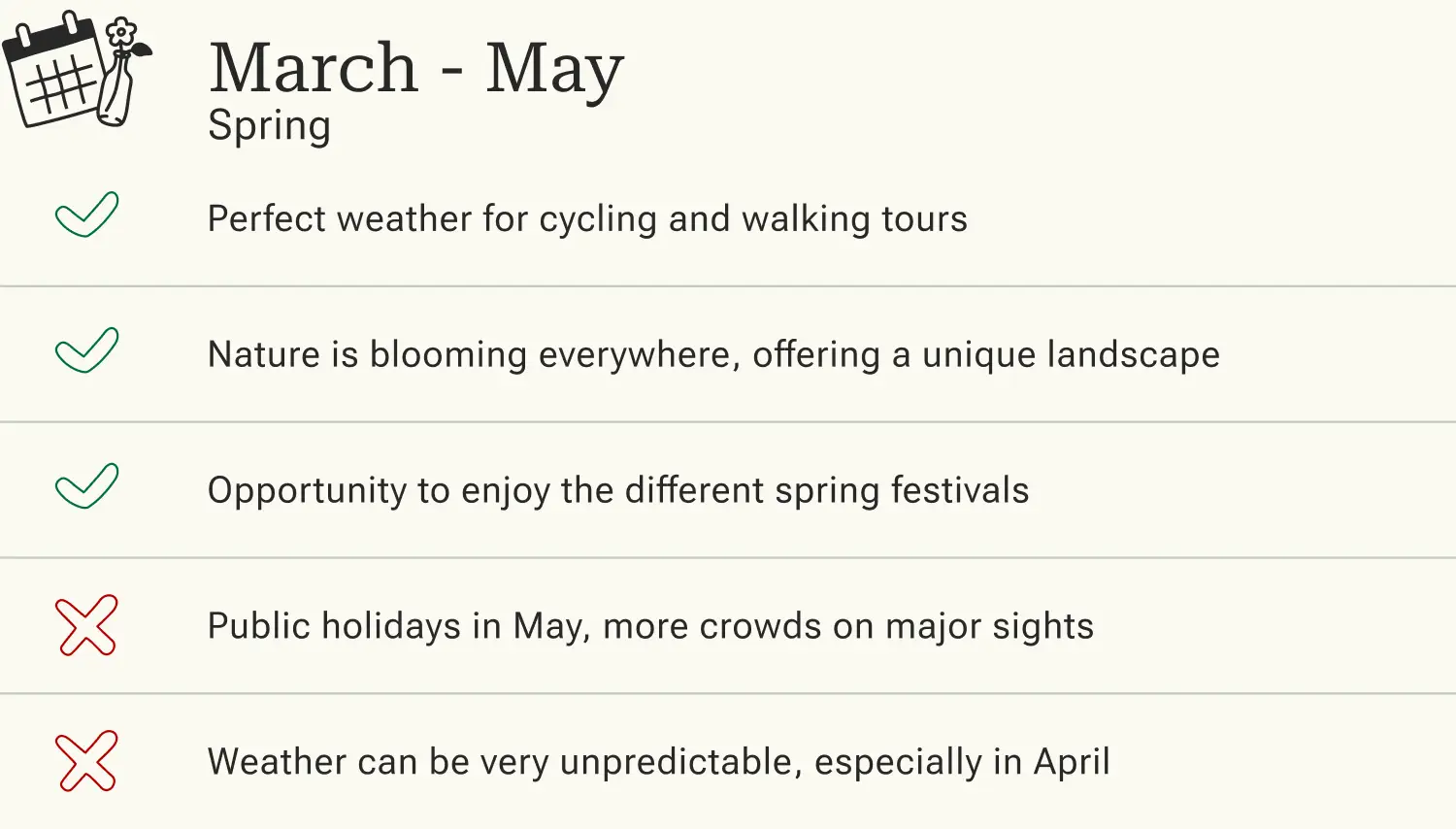
Germany in spring
Germany transitions into spring with a refreshing mix of cool breezes and increasing sunshine. From late March through May, the landscape awakens as cherry blossoms paint the cities pink and the countryside turns a lush green. For your journey, this means comfortable temperatures for wandering through historic old towns or cycling along the Moselle river. Spring is a fantastic time for nature lovers to see the gardens of Sanssouci in bloom or to experience the vibrant folk festivals that celebrate the end of winter.
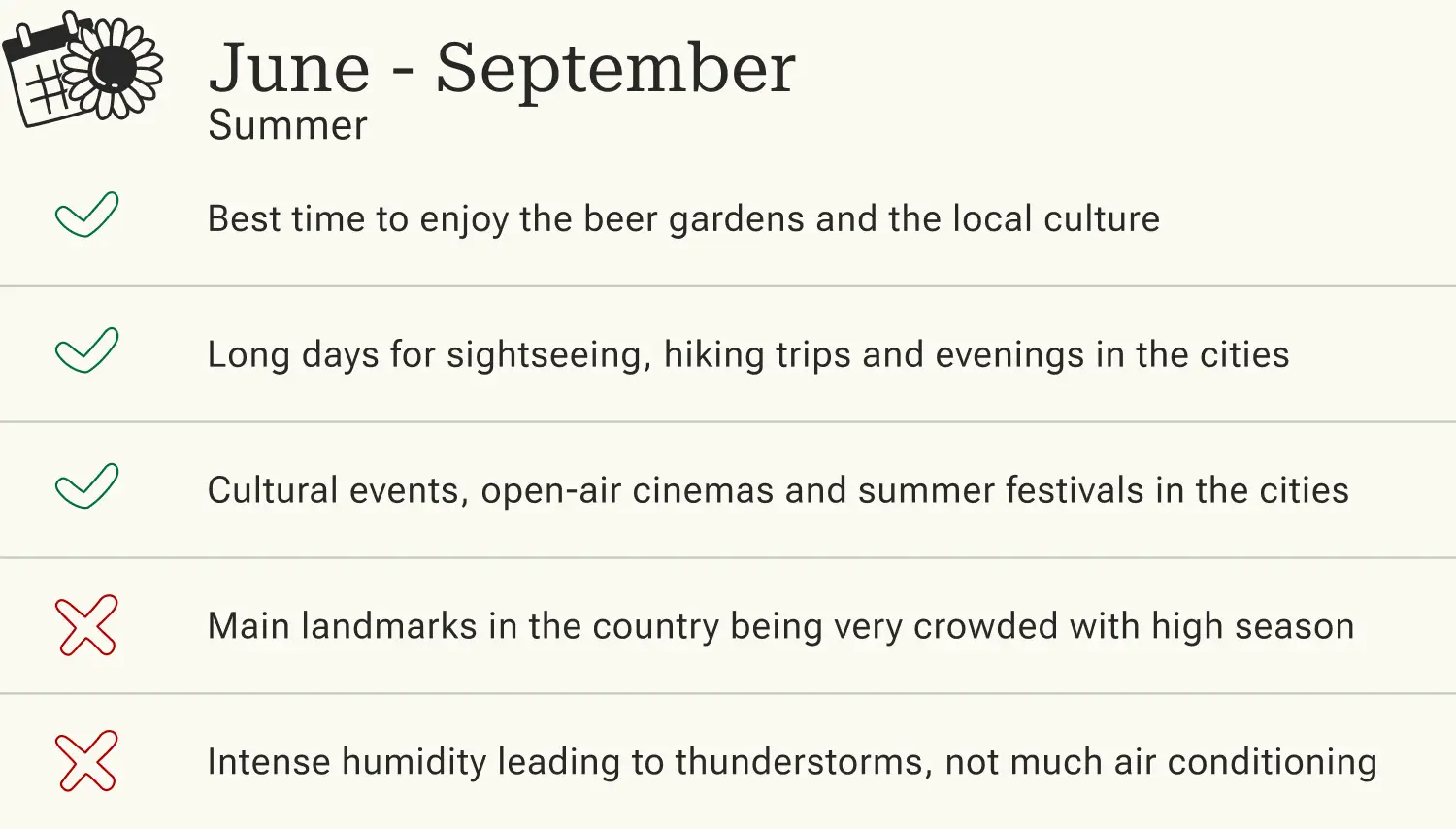
Germany in summer
Summer arrives in full force in June, bringing long, bright days that are perfect for outdoor living. With temperatures often reaching the 70s and 80s°F, the country’s vast beer gardens, city parks, and lakefronts become the focal point of social life. This is the prime window for exploring the rugged cliffs of the Baltic Sea, hiking in the Black Forest, or attending open-air concerts in Berlin’s courtyards. While popular destinations are at their liveliest, the warm weather ensures that every region, from the northern islands to the southern mountains, is fully accessible and vibrant.
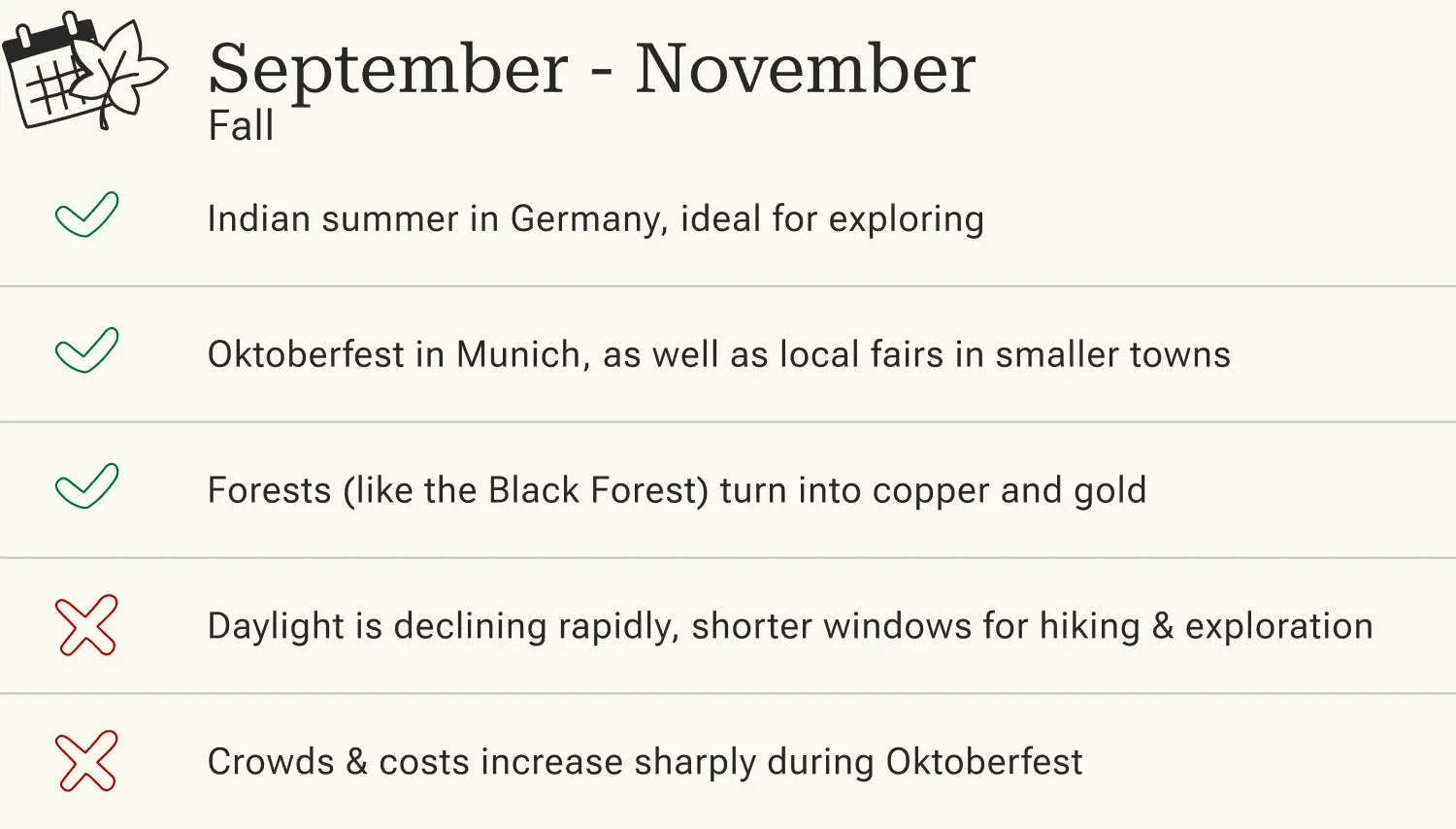
Germany in fall
Early autumn, particularly September, is a favorite for many travelers due to the stable, golden weather and the start of the harvest. As the air turns crisp in October, Germany’s vast forests transform into a spectacular display of copper and gold. A trip during this season is exceptionally rewarding; with daytime highs often in the 60s°F, it is the perfect climate for river cruises and vineyard tours during the grape harvest. Beyond the famous festivities of Munich’s Oktoberfest, the season offers a calmer, more atmospheric way to explore medieval castles and rugged national parks.
Germany in winter
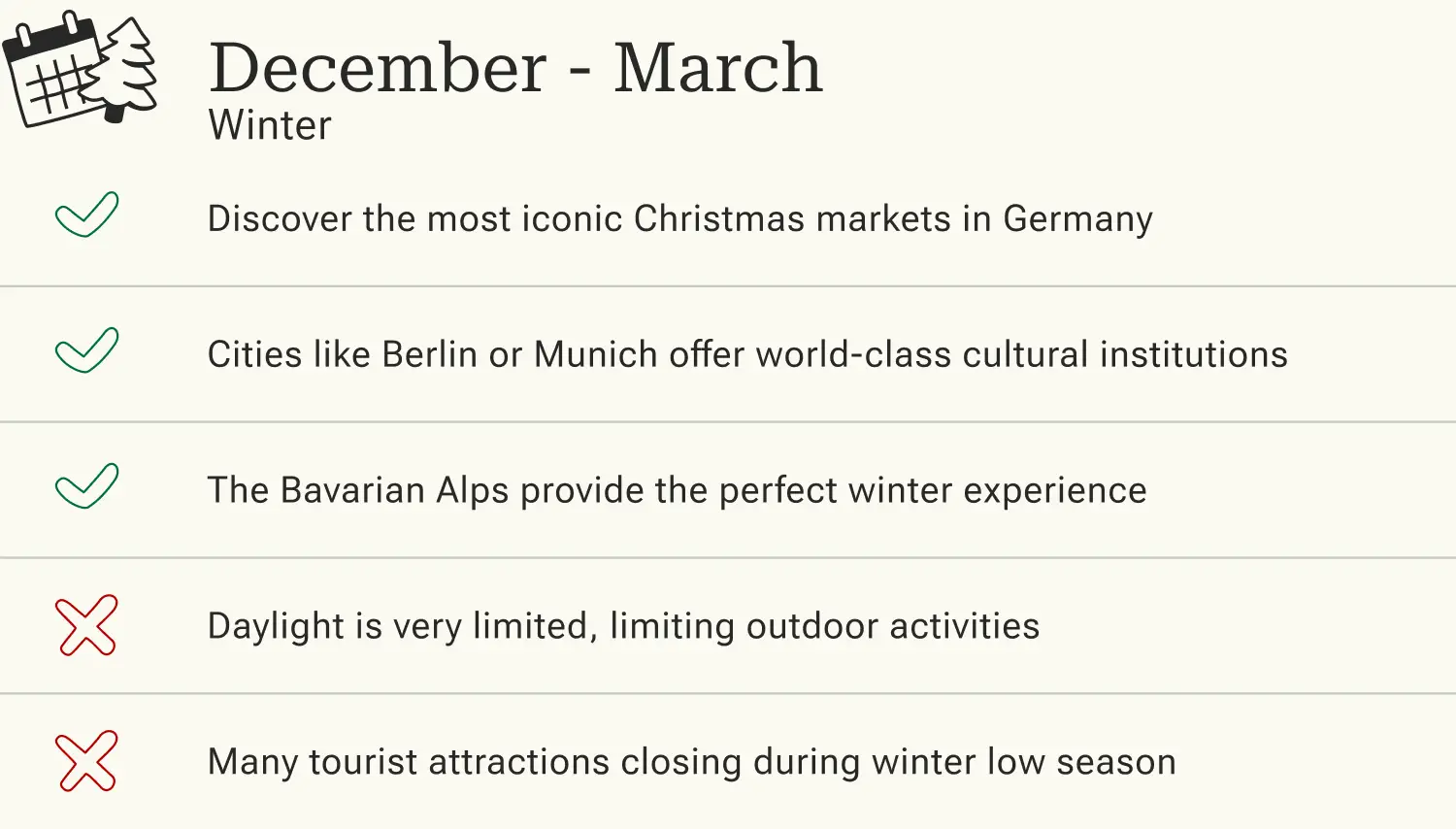
Germany in winter is a place of deep-rooted tradition and seasonal magic. While the days are short and the air is chilly, the arrival of December brings a unique glow as towns across the country host world-famous Christmas markets. From the historic stalls of Nuremberg to the maritime charm of Hamburg’s markets, the festive spirit is palpable. In the south, the Alps offer premier conditions for skiing and snowshoeing, while the cities provide a cozy retreat in historic breweries and high-end museums. To stay comfortable while exploring the illuminated streets, packing warm layers and a sturdy coat is essential.
Best time to visit Berlin
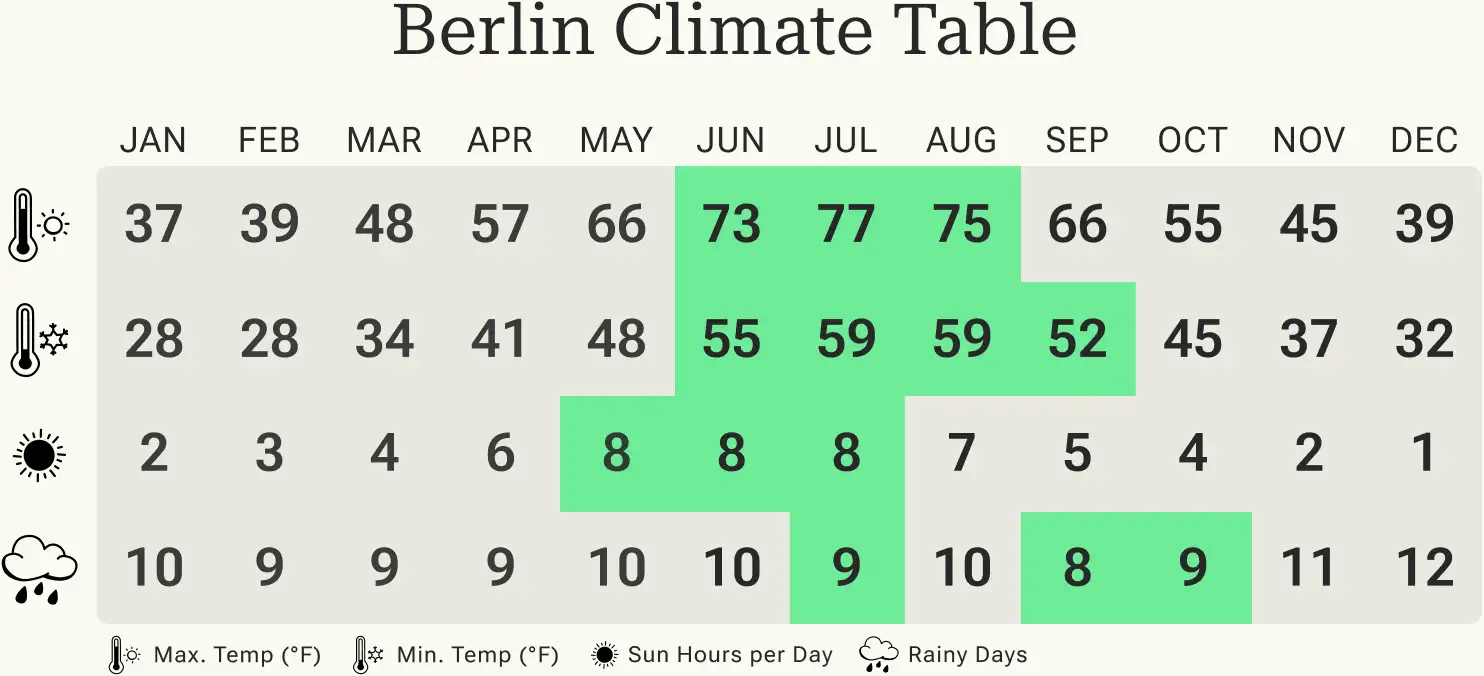
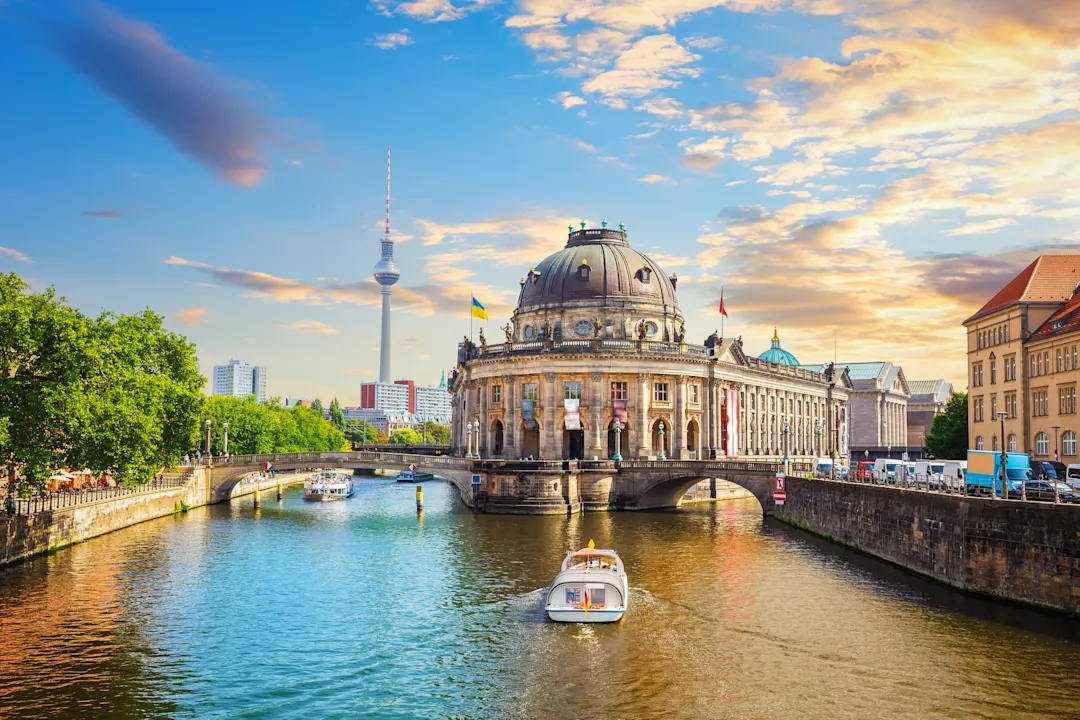
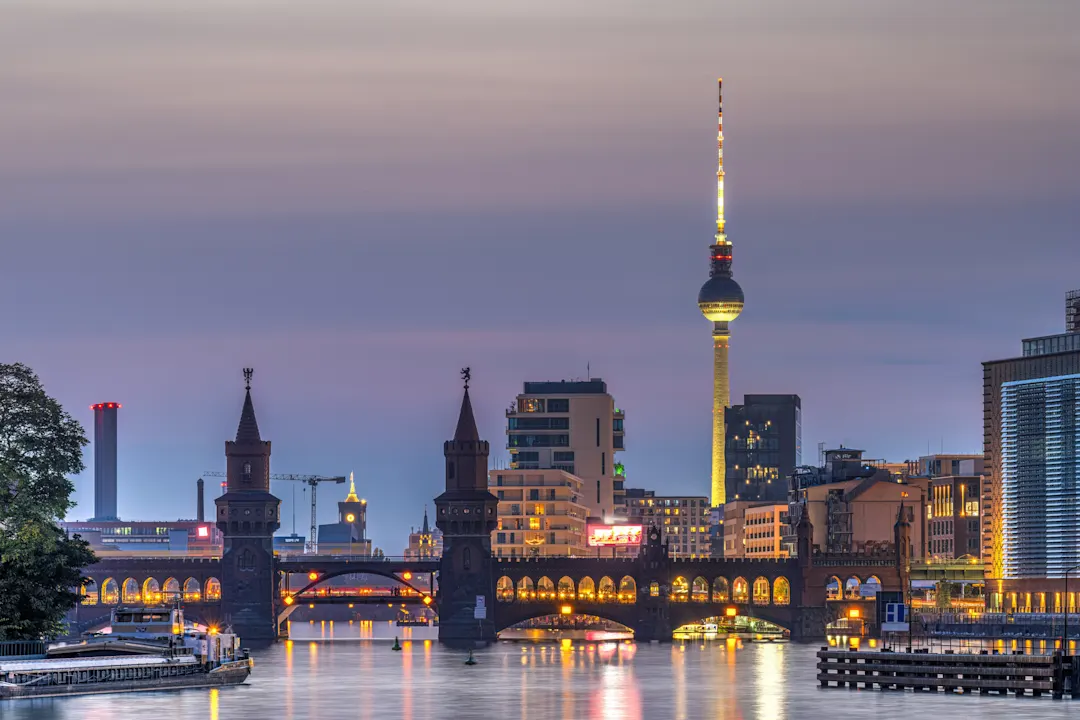
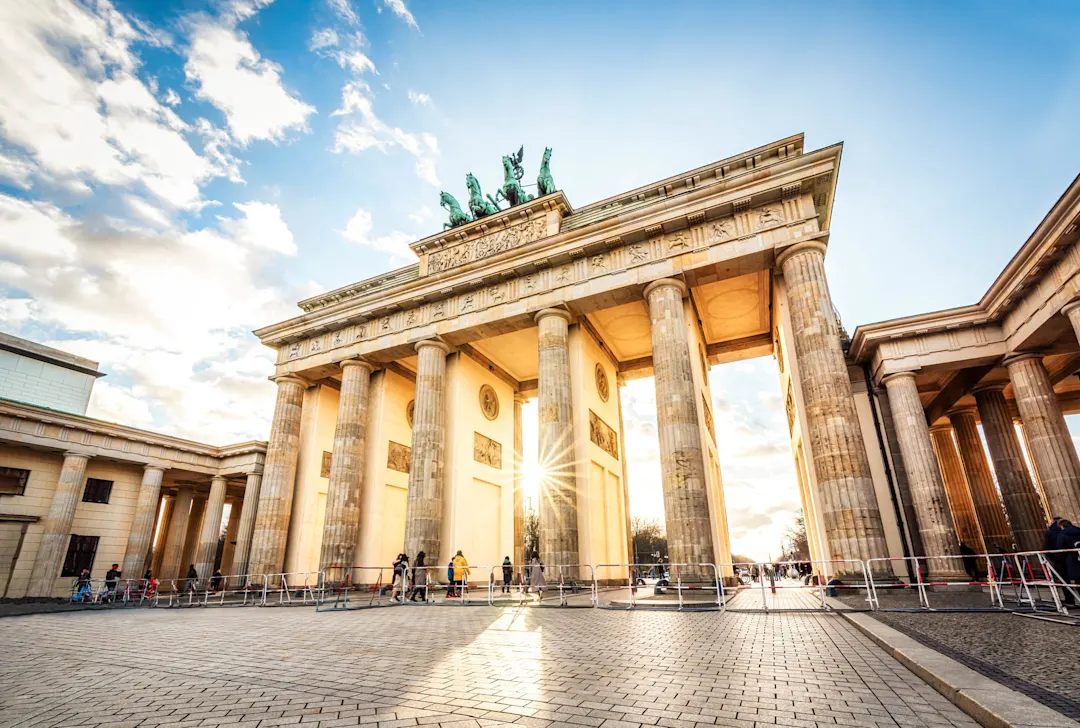
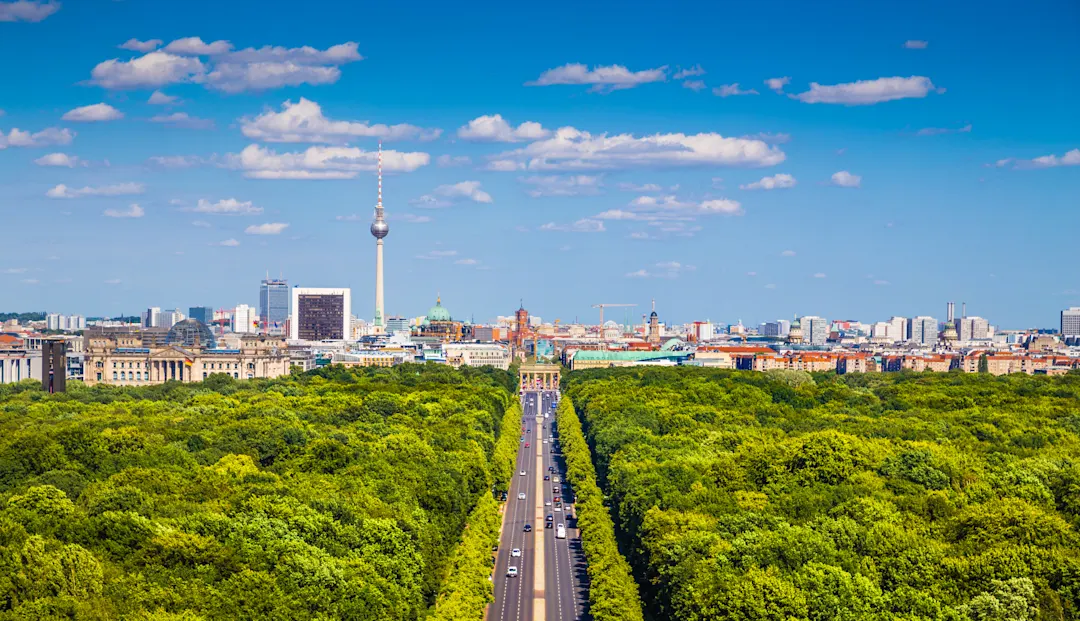
Spring and early autumn are the most rewarding seasons to visit the German capital, particularly from May to June and September to October. During these months, the city’s vast parks and riverside "strandbars" come to life, and the weather is ideal for exploring landmarks like the Brandenburg Gate or the East Side Gallery on foot. While summer brings an electric energy with open-air clubbing and street festivals, it can also see occasional humidity. For those who don't mind the chill, winter in Berlin offers a unique grit and glamour, with world-class museums and the famous Berlinale film festival in February. Your ideal visit depends on whether you want to soak up the sun in a Tiergarten beer garden or dive into the city's legendary indoor cultural scene.
Best time to visit the Bavarian Alps & Munich
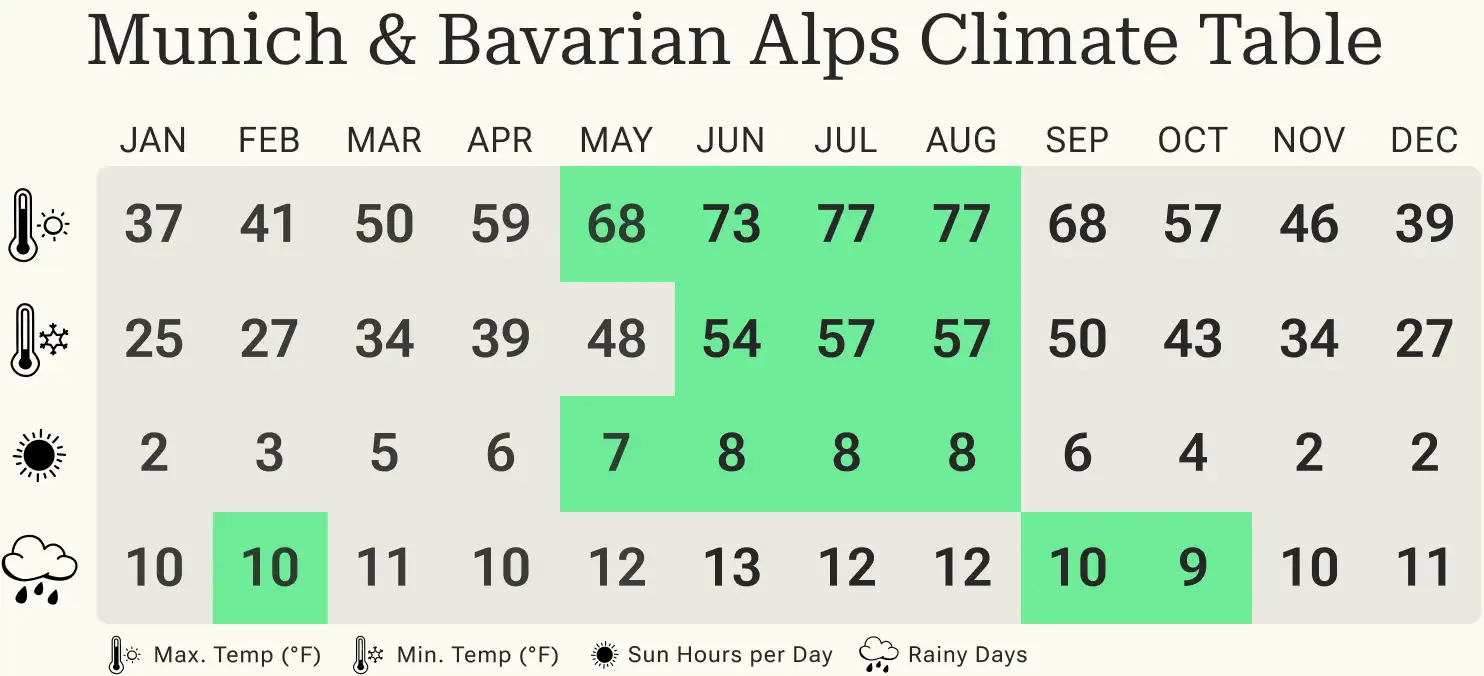
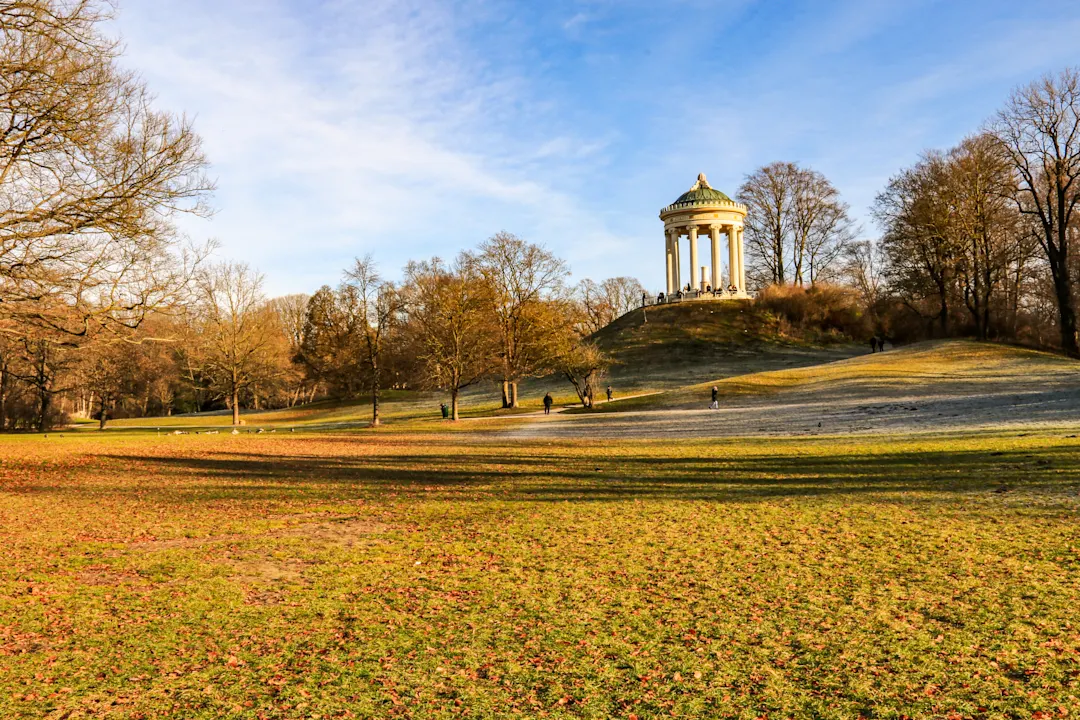
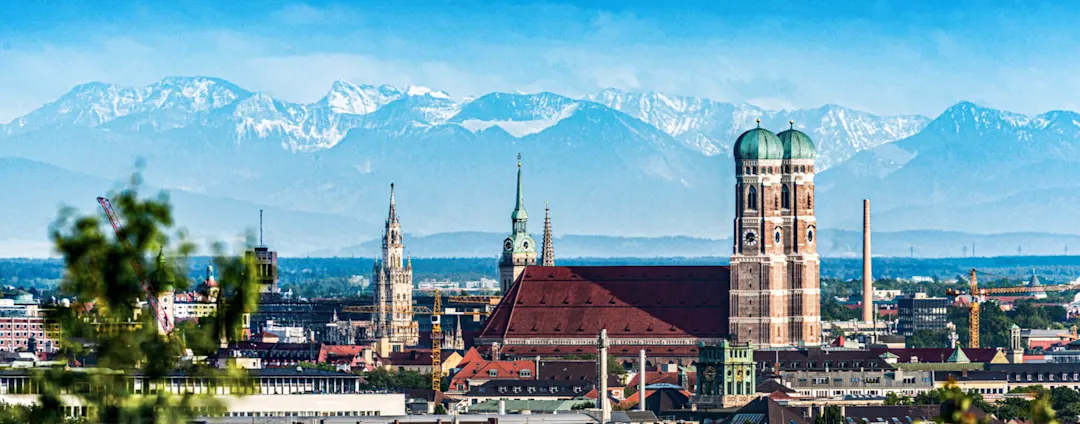
The optimal time to visit Southern Germany is divided between the high summer (June to August) and the festive onset of autumn. Munich is particularly vibrant in late September for the world-famous Oktoberfest, which coincides with crisp, clear "Altweibersommer" weather. For mountain enthusiasts, summer provides perfect visibility for summiting the Zugspitze or hiking to Neuschwanstein Castle. If you are looking for a winter sports paradise, the period from January to March offers the most reliable snow cover for skiing in Garmisch-Partenkirchen. Spring is a hidden gem for travelers, as the alpine meadows begin to bloom and the emerald-green lakes like Eibsee are at their most tranquil.

Best time to visit the Romantic Rhine & Moselle Valleys
To experience Germany's wine country at its peak, aim for the window between May and October. This region is famous for its steep vineyards and hilltop ruins, which are best viewed during a river cruise when the air is mild and the hills are lush. Late summer and early autumn (August to October) are the "Rhein in Flammen" (Rhine in Flames) months, featuring spectacular firework displays and local wine harvests. While spring is wonderful for seeing the castle gardens in bloom, the late fall offers a more contemplative atmosphere with misty river mornings that are perfect for photography and visiting cozy, half-timbered villages without the crowds.
Best time to visit the Baltic & North Sea Coasts
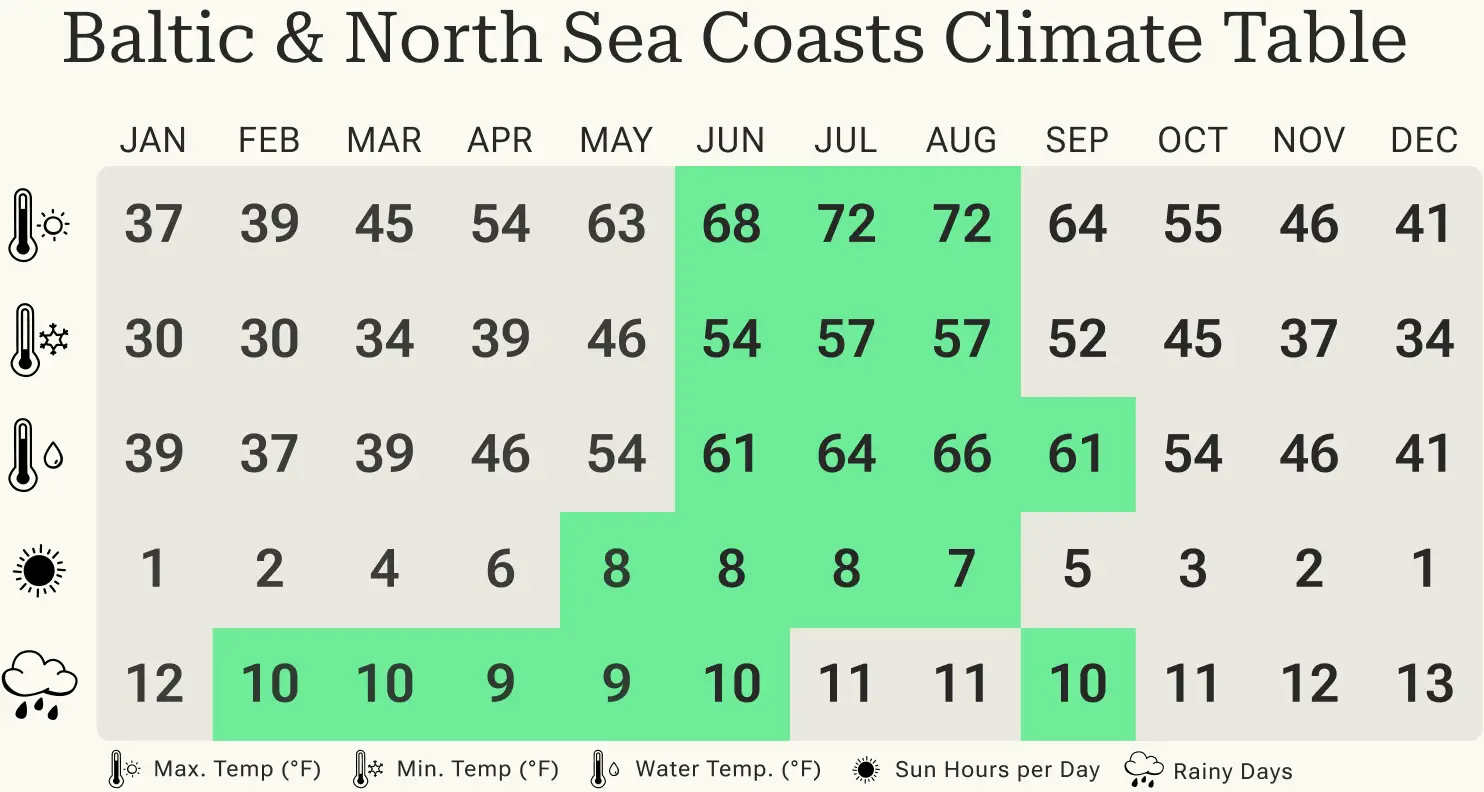
The best time to visit Northern Germany’s coastline and islands like Rügen or Sylt is during the summer months from July to September. This is when the maritime climate is at its most stable, and the bracing sea breeze feels refreshing rather than biting. While the water remains invigorating, the sunny days are perfect for lounging in a traditional "Strandkorb" (hooded beach chair) or cycling through the dunes. Early autumn is also popular for nature lovers who visit to witness the dramatic bird migrations. In contrast, winter on the coast is for those seeking raw natural beauty and stormy seas, followed by warming up with a traditional East Frisian tea.
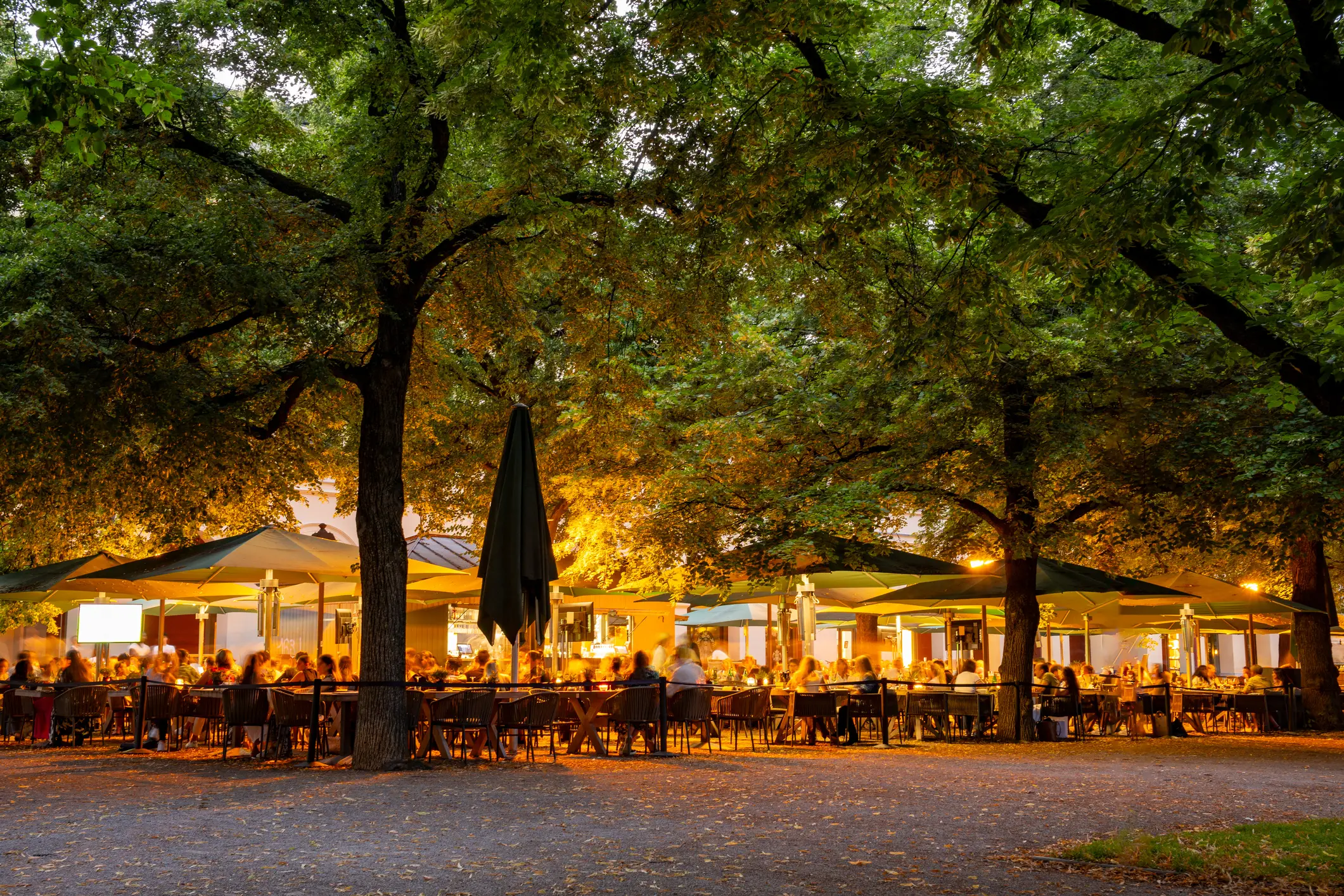
Beer Gardens & Culinary Tours
Germany’s culinary identity is deeply rooted in its world-famous beer culture and hearty regional specialties. From the massive chestnut-shaded beer gardens of Munich to the rustic brewhouses of Cologne and the cutting-edge food markets of Berlin, the best time to indulge is from May to September. During these months, outdoor seating is the standard, and the atmosphere is at its most vibrant. Late September specifically offers the quintessential German experience with the start of various harvest and folk festivals. Whether you are sampling a crisp Pilsner in the north or a cloudy Weissbier in the south, the warmer months provide the perfect backdrop for Germany’s legendary hospitality.
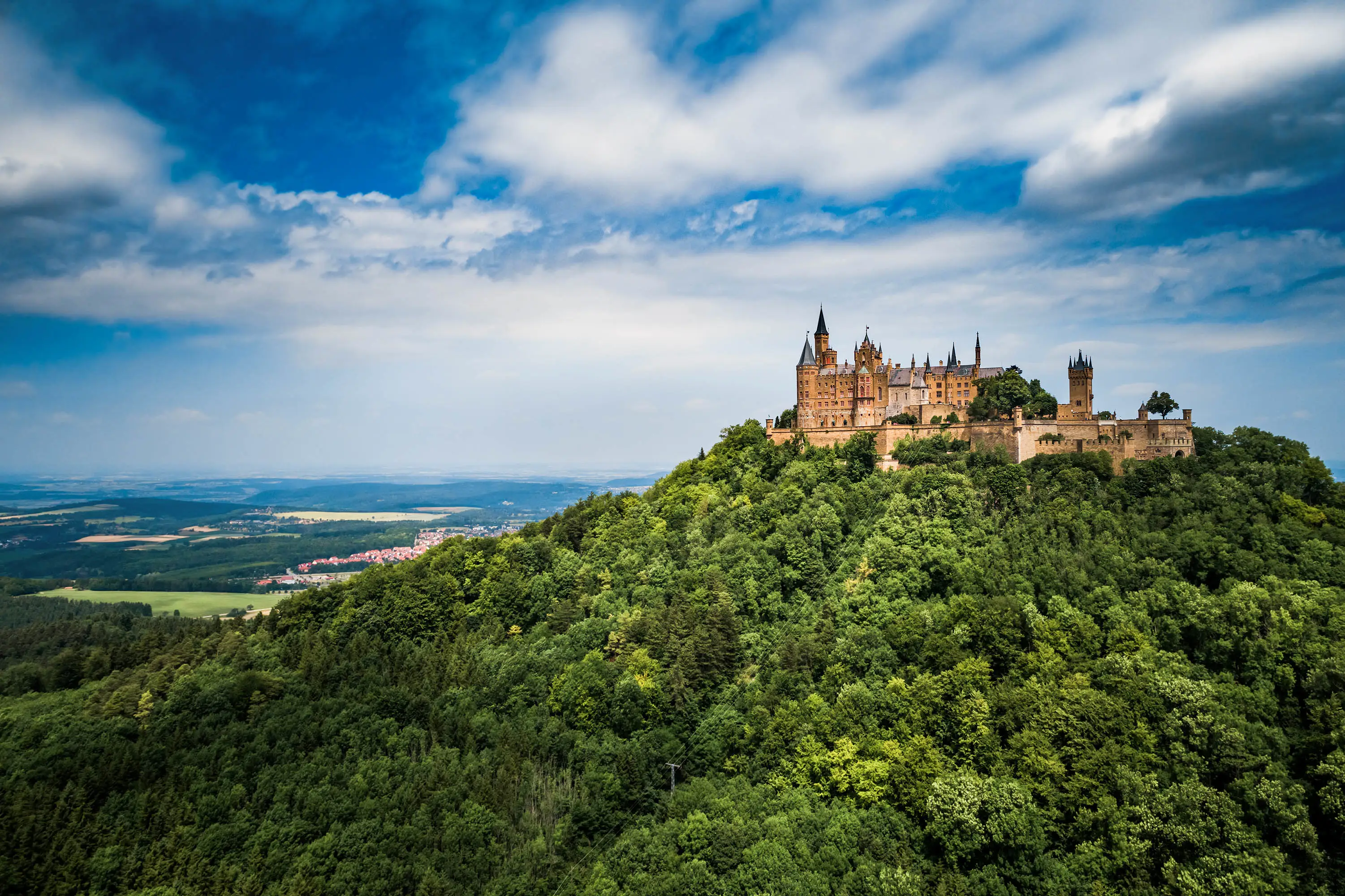
Exploring Fairytale Castles
With thousands of fortresses and palaces dotting its landscape, Germany is a premier destination for history and architecture enthusiasts. The iconic Neuschwanstein, the medieval Burg Eltz, and the grand Sanssouci Palace are best visited from April to October. During this window, the surrounding gardens are in full bloom and the hiking trails leading to the best viewpoints are easily accessible. While summer offers the longest opening hours, a visit in late spring or early fall provides softer light for photography and shorter wait times for guided tours. For a different perspective, many castles take on a dramatic, moody beauty during the misty mornings of November.
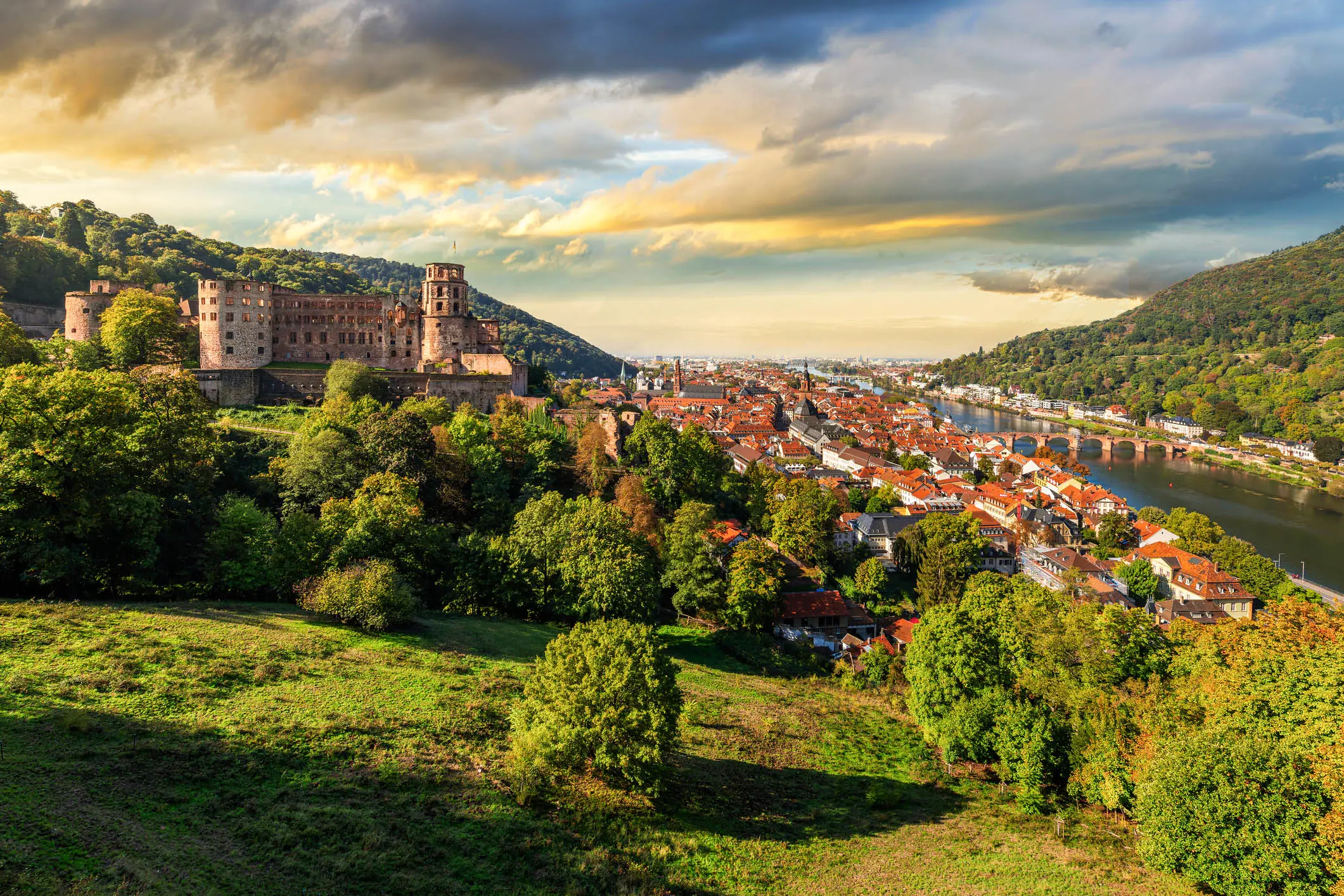
Hiking the Black Forest
Germany’s diverse natural landscapes offer world-class hiking, from the rolling evergreen hills of the Black Forest to the jagged sandstone pillars of Saxon Switzerland. The optimal trekking season runs from June through September, when mountain paths are dry and high-altitude huts are open for overnight stays. Summer provides pleasantly cool temperatures under the forest canopy, even during heatwaves. For those seeking the most striking scenery, October is a spectacular time to visit, as the deciduous forests turn into a sea of amber and gold, offering some of the best autumnal hiking in Central Europe.
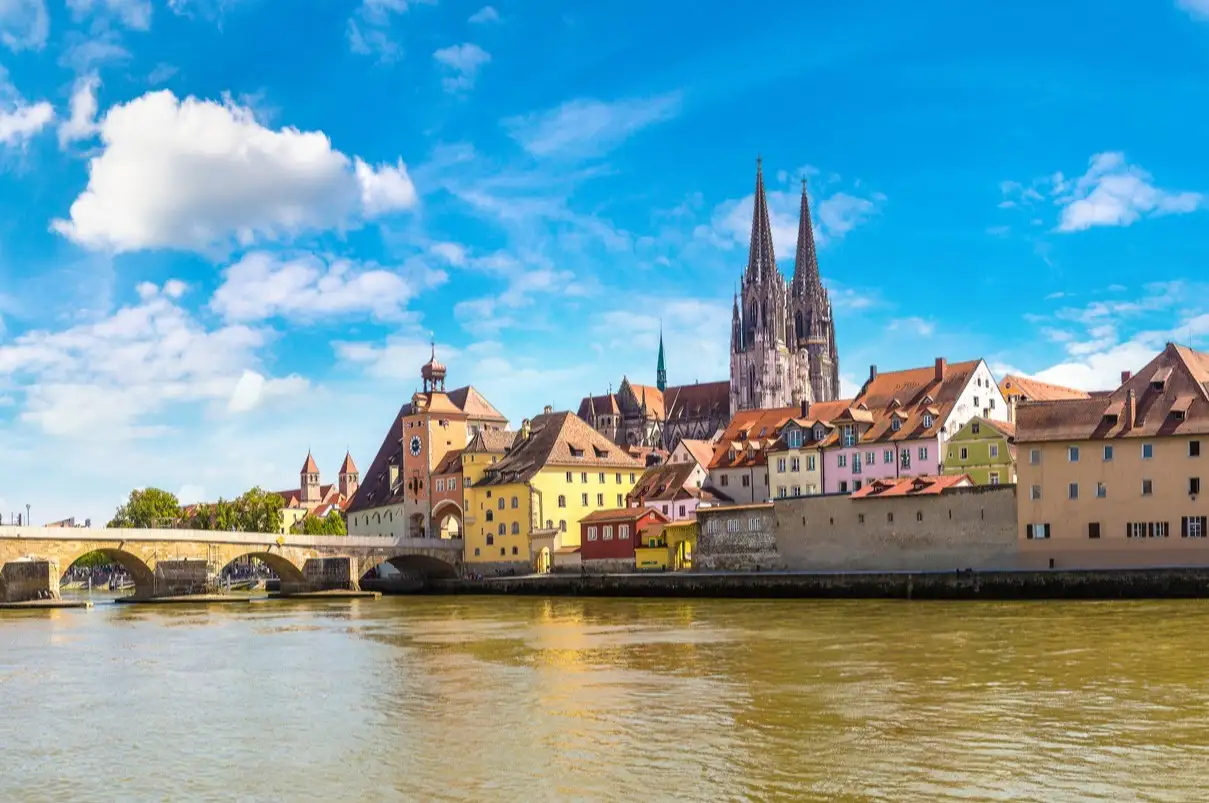
River Cruising & Boating
Experiencing Germany from its waterways is a highlight for many travelers, particularly along the Rhine, Moselle, and Danube rivers. The primary cruising season is from May to October, when the riverbanks are lush and the various "Rhine in Flames" firework festivals take place. If you prefer smaller-scale water sports, the Mecklenburg Lake District and Lake Constance offer excellent conditions for sailing and kayaking during the summer months. Sailing through the UNESCO-listed Upper Middle Rhine Valley during the late summer harvest ensures a perfect mix of cultural sightseeing and scenic relaxation from the deck of a boat.
Our most popular round trips and routes
Germany is a multifaceted destination where centuries of history meet modern innovation. From the cosmopolitan energy of Berlin and the maritime charm of Hamburg to the fairytale castles and deep forests of the Bavarian south, the country offers an incredible diversity of landscapes and traditions. Whether you wish to explore the romantic Rhine Valley, indulge in world-class culinary delights, or trace the legacy of architectural icons, Germany provides a truly captivating journey. Let our travel experts craft a bespoke itinerary for you, ensuring you experience the most authentic highlights and hidden gems of this historic European heartland.

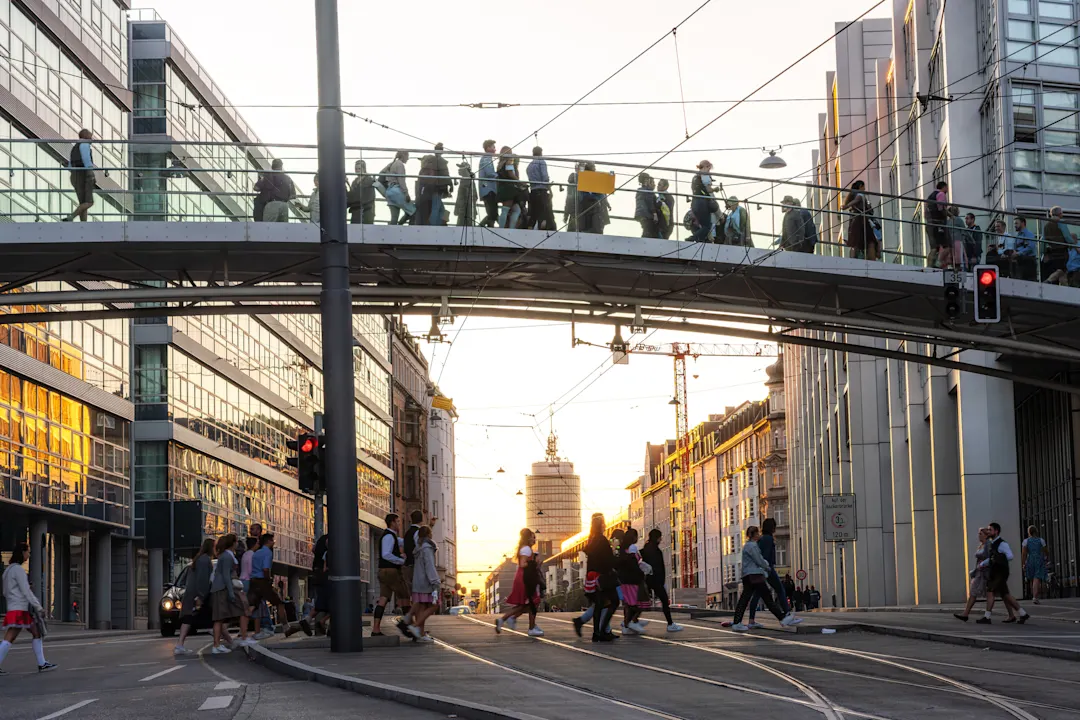


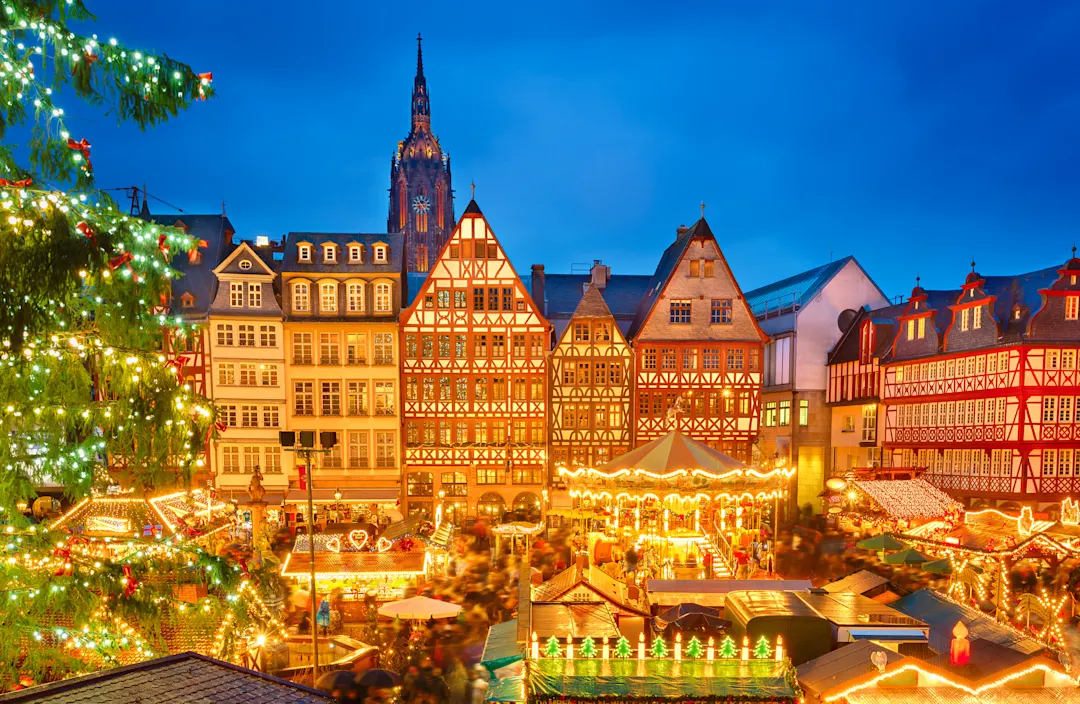


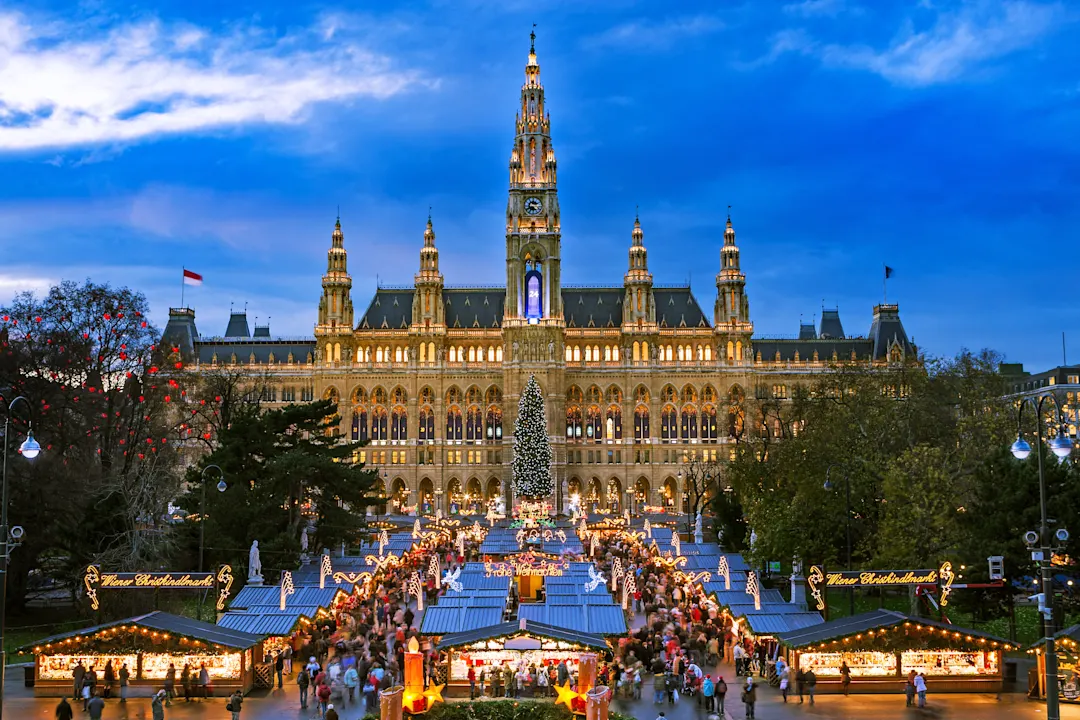
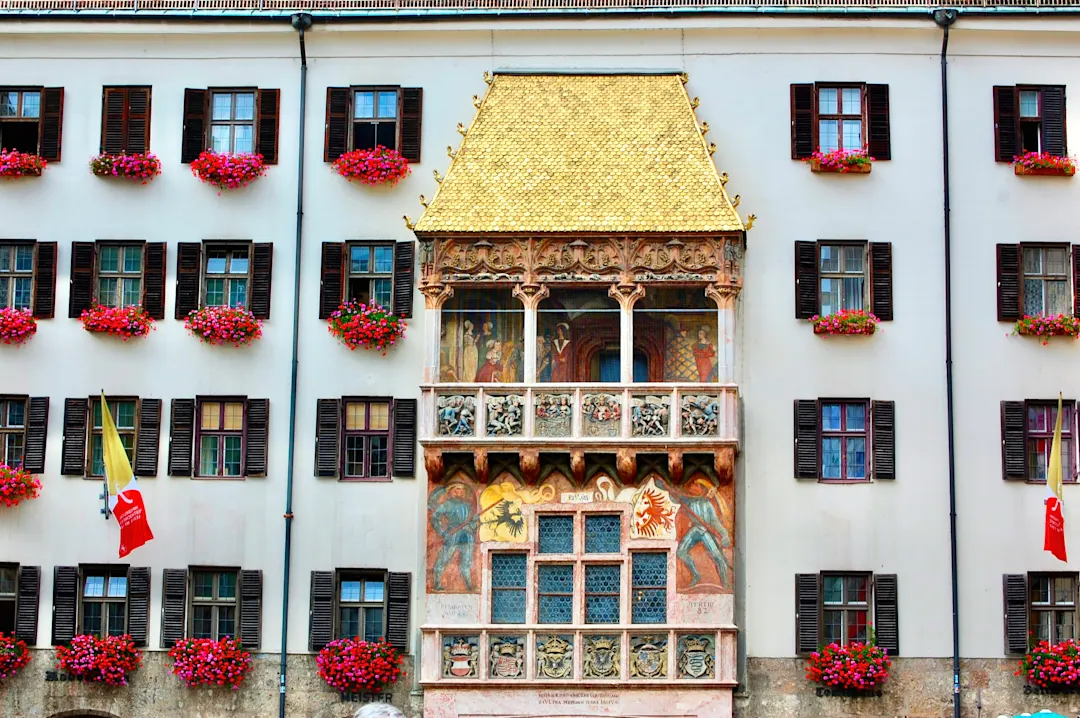






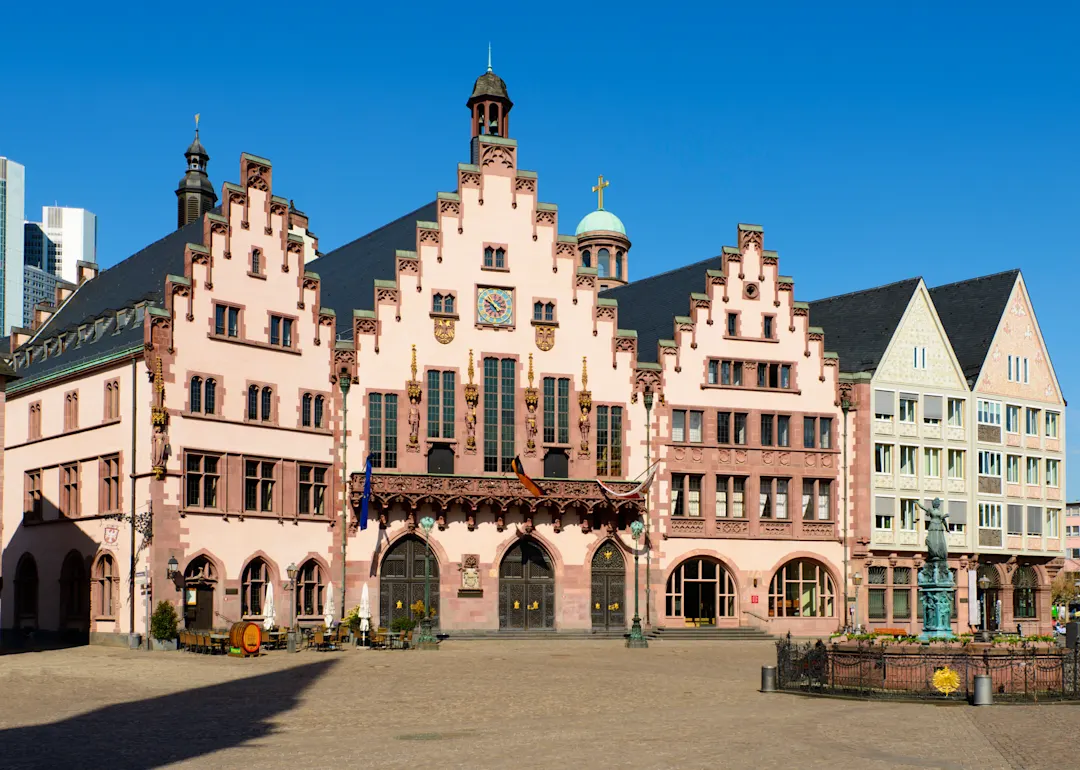
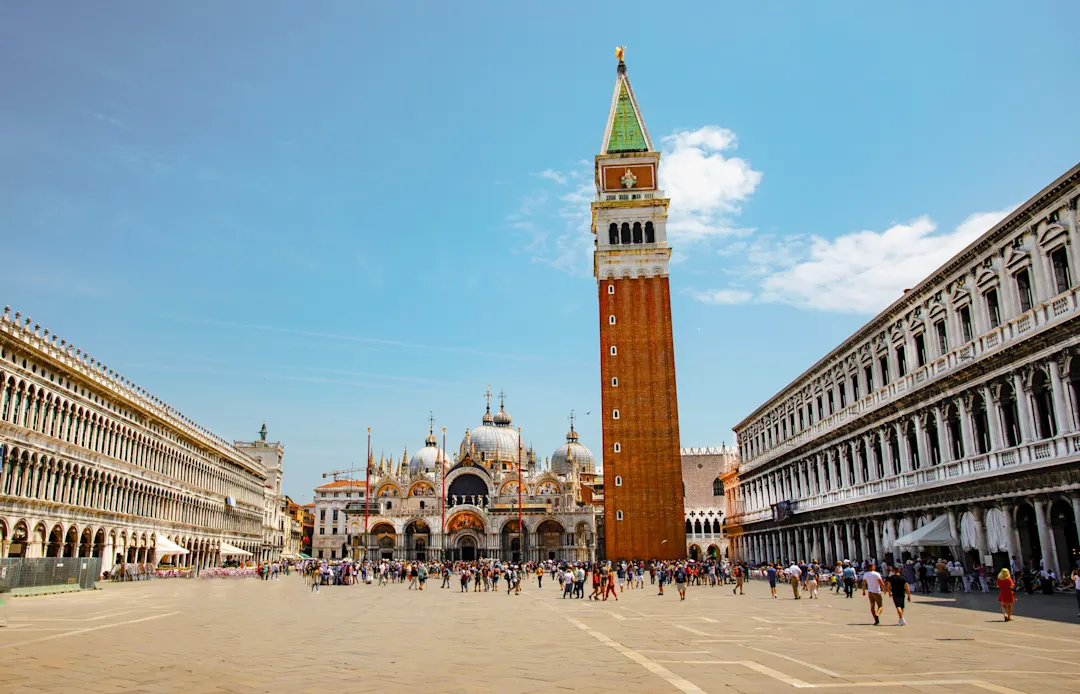



Family vacation
Germany is an outstanding destination for families, offering a mix of interactive museums, legendary theme parks like Europa-Park, and fairytale nature trails. The best time for a family getaway is typically from May to September. During these months, the weather is perfect for exploring the Black Forest or enjoying the beaches of the Baltic Sea. Spring and early autumn provide mild temperatures that are great for visiting castles without the summer heat, while the peak summer months of July and August are ideal for outdoor adventure parks and lakeside camping.
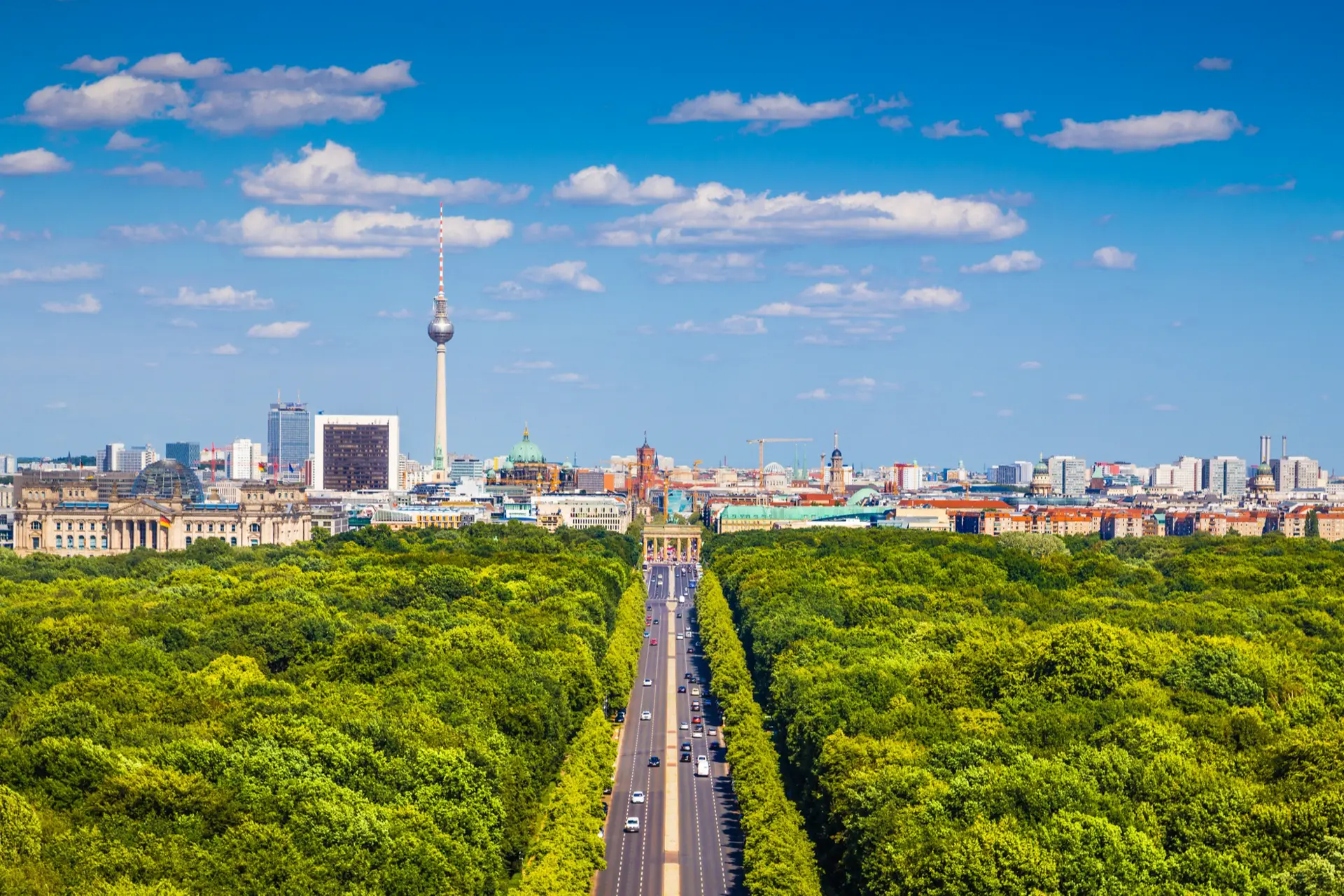
City break
For those planning an urban escape—whether to the creative hubs of Berlin and Hamburg or the historic streets of Munich and Cologne—the optimal windows are May to June and September to October. These months offer the most pleasant weather for walking tours and enjoying the iconic beer garden culture. While summer brings a high-energy atmosphere with many street festivals, the shoulder seasons provide better access to world-class galleries and landmarks. For a unique experience, a winter city break in December is highly recommended to witness Germany’s cities transformed by festive lights and traditional markets.
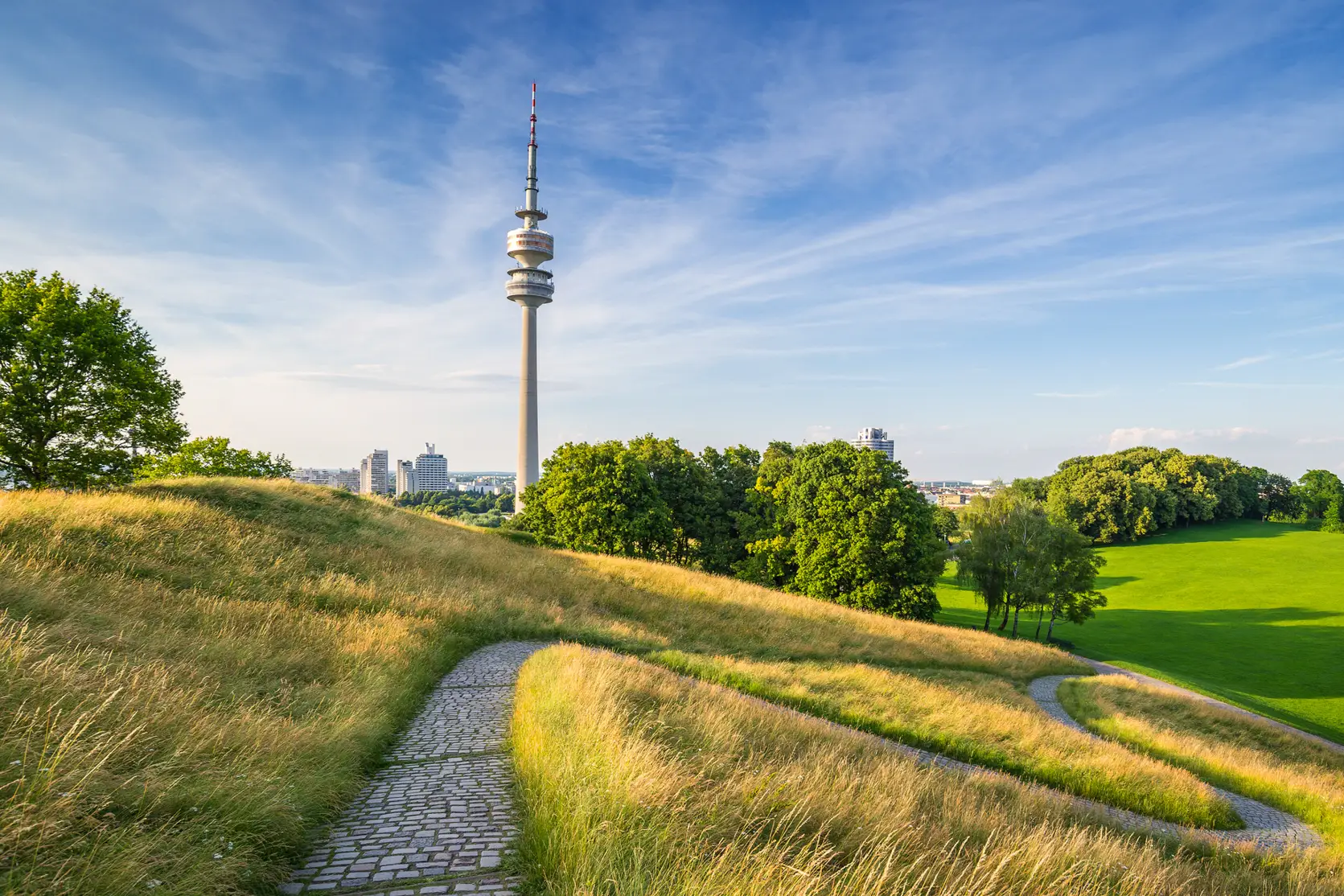
Road trip
Germany’s world-famous Autobahn and scenic themed routes, such as the Romantic Road or the Alpine Road, make it a premier choice for driving enthusiasts. The best time for a German road trip is from late May to October. During this period, you can expect clear driving conditions and long daylight hours for sightseeing. Early summer is perfect for seeing the lush river valleys of the Rhine and Moselle, while autumn offers a stunning backdrop of changing leaves in the southern highlands. These months allow for spontaneous stops at timber-framed villages and panoramic viewpoints in total comfort.
Romantic escape
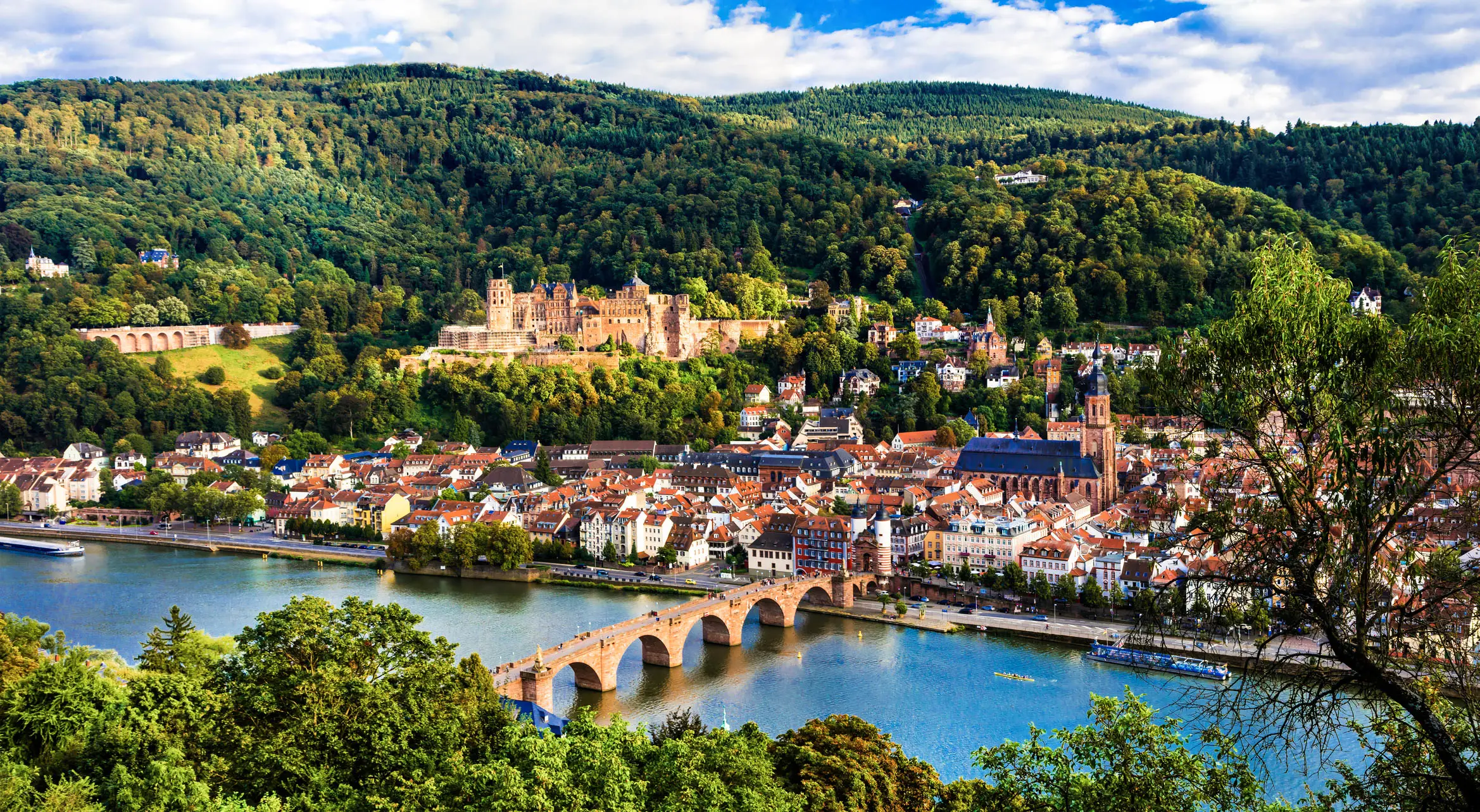
For a romantic getaway—perhaps staying in a historic castle hotel, visiting the vineyards of the Palatinate, or wandering the shores of Lake Constance—the most enchanting times are late spring and early autumn. From May to June, the blooming landscapes and soft light create a picturesque setting for couples. September and October offer a cozy atmosphere with wine harvests and crisp evening air, perfect for intimate dinners. If you prefer a whimsical winter setting, the snow-dusted streets of medieval towns like Rothenburg ob der Tauber in December offer an incredibly romantic, storybook ambiance.