How many days in Berlin?
The right length for Berlin, from Cold War landmarks to the neighborhoods east of Mitte and the palaces of Potsdam
Plan your Trip
Your tailor-made itinerary – No cost, no commitment
Excellent
4.6 of 5
6,137Reviews
Excellent
Recommended trip duration
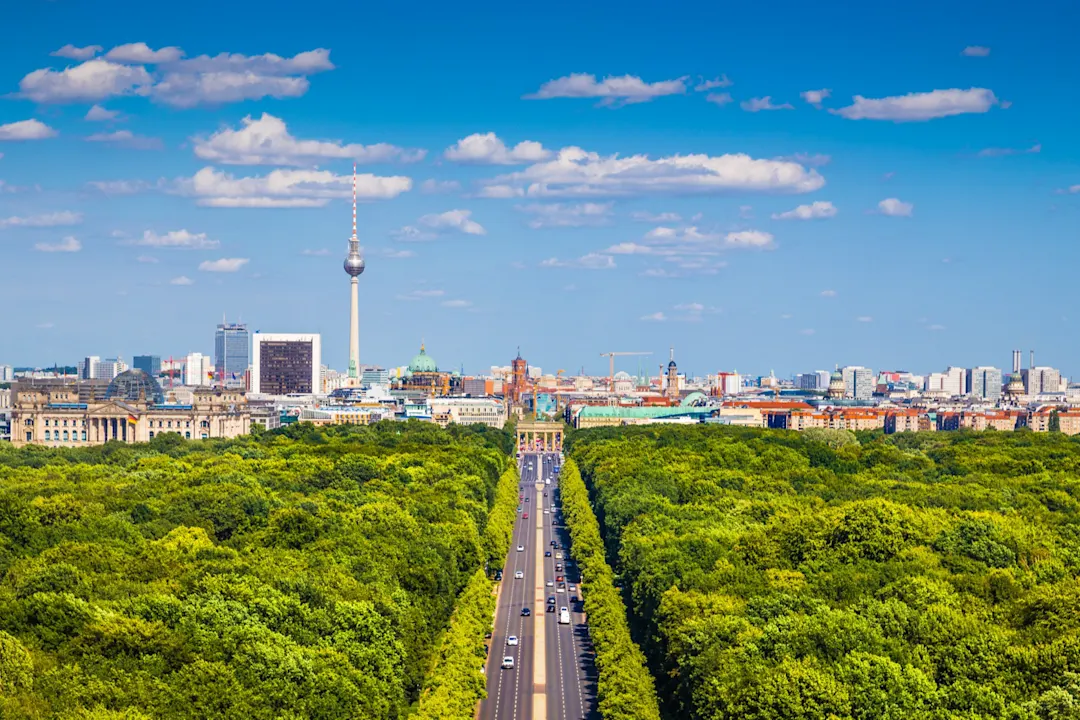
Berlin takes more time than you might think, but it gives back more too. It isn't a city where you can simply check off the monuments in a single afternoon. It is vast, and its history is etched into entire neighborhoods — from the Wall and the Cold War to the memorials and the rebirth that turned the former East Berlin into Europe's most restless creative hub. Three days is the bare minimum to grasp its essence: the Brandenburg Gate and the Reichstag, Museum Island and the Topography of Terror, plus time to eat and stroll through Kreuzberg or Prenzlauer Berg after dark. Extend to four days, and you can add the Prussian palaces in Potsdam. A single weekend is all it takes to spark a desire to return.
Roman Karin
Travel Expert for Germany
Updated on 09/09/2026
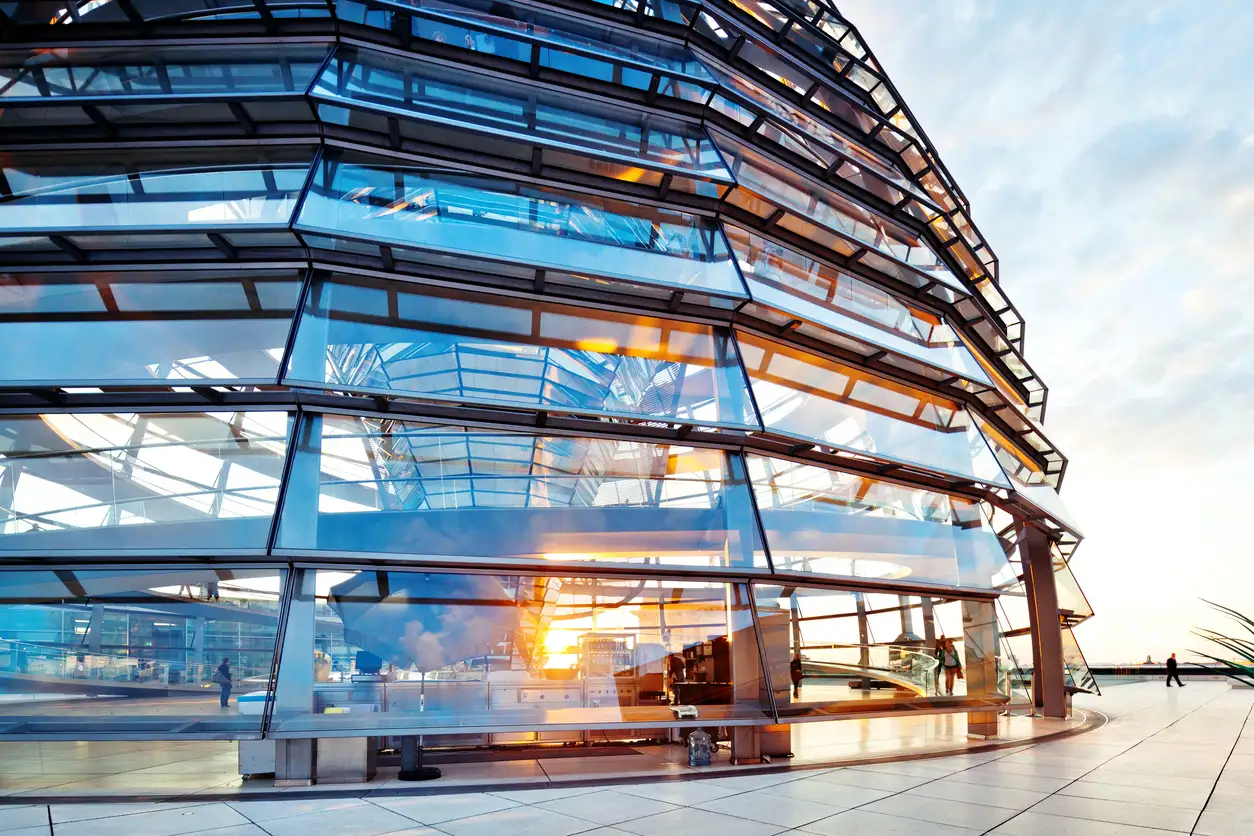
Berlin is spread across neighborhoods rather than concentrated in a single historic center, so it takes more time than most capitals. Three days let you truly understand the city: its iconic landmarks, Cold War history, and the neighborhoods that define modern Berlin. A fourth day adds Potsdam. Two days offer only a fleeting taste of a city that has so much to offer.
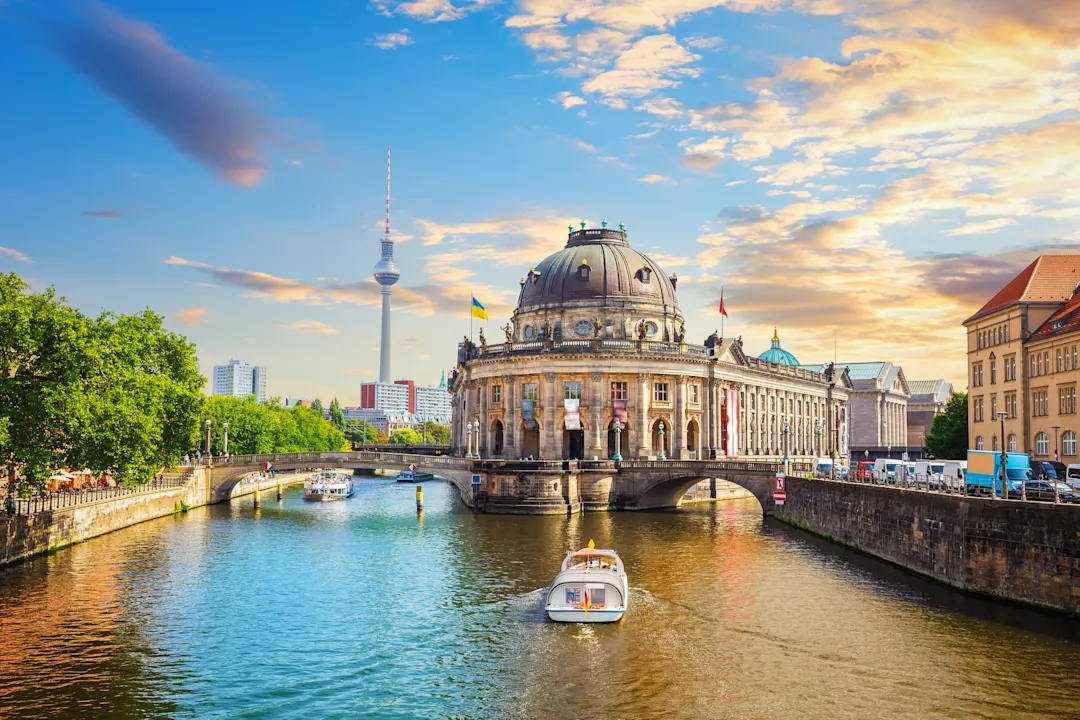
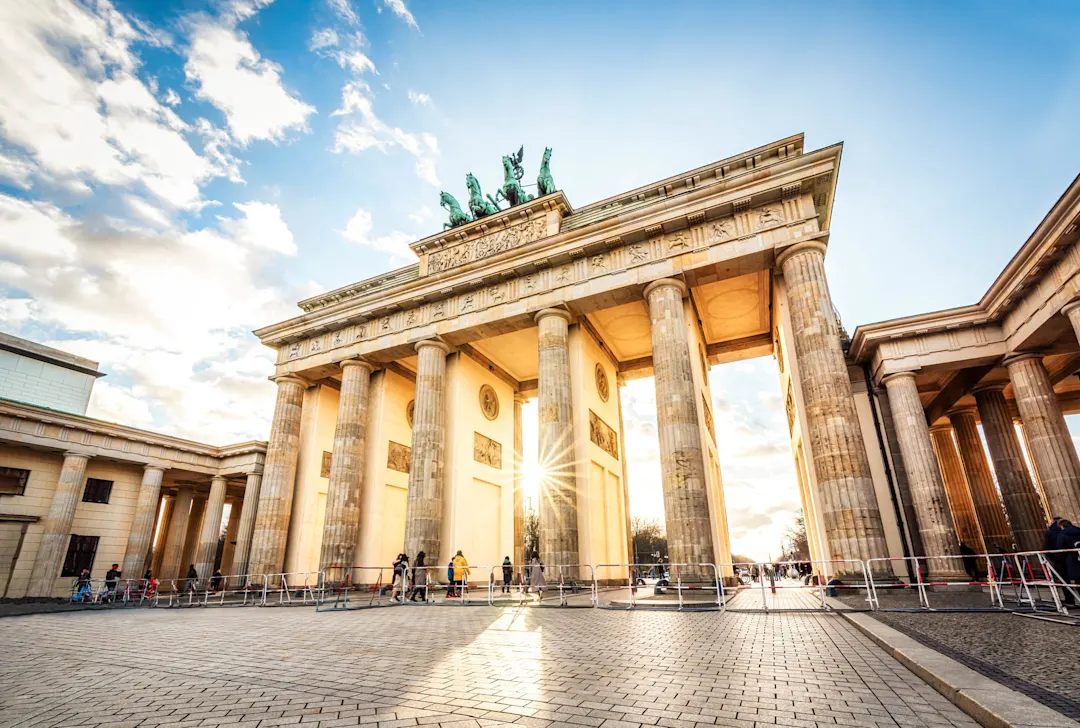
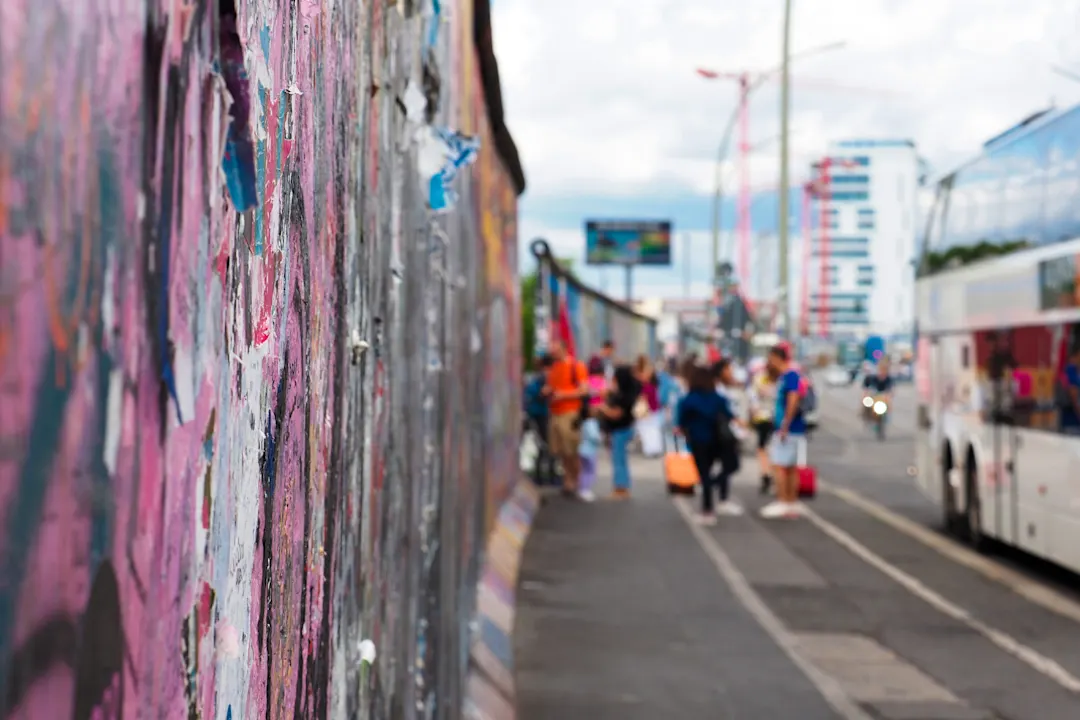
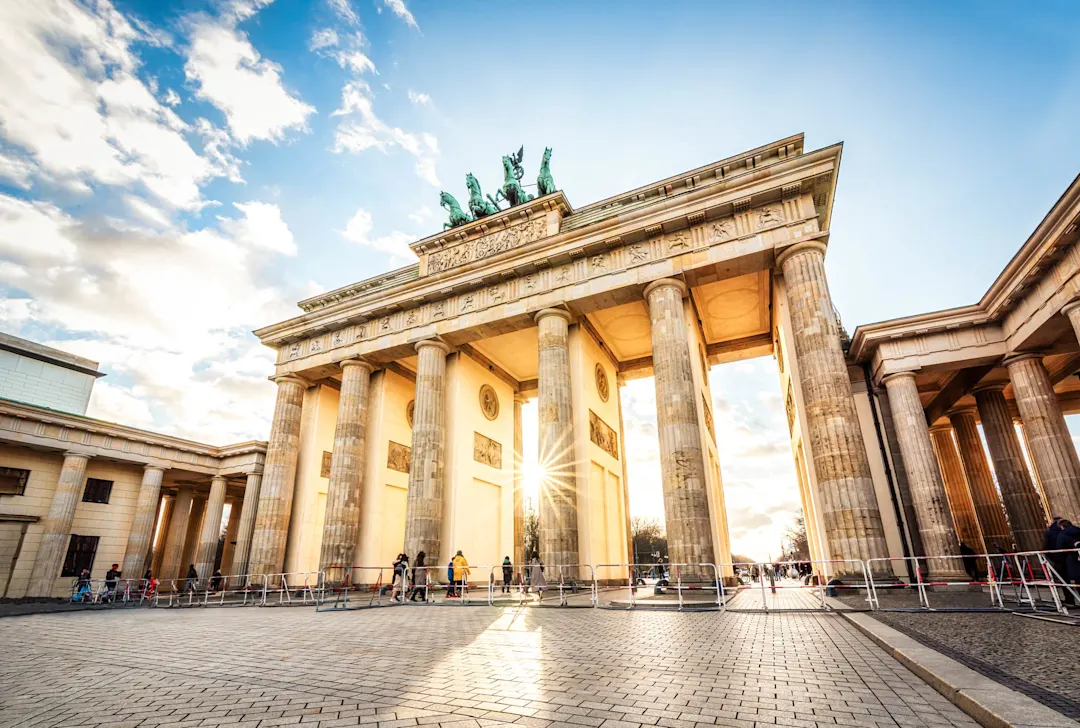
2 days — A first pass. The Brandenburg Gate, the Reichstag, Museum Island, and the East Side Gallery.
3 days — The city with room to breathe. Cold War history, the neighborhoods, the food and nightlife that define modern Berlin.
4–5 days — Berlin plus Potsdam, or the launch point for Dresden and the south.
| Days in Berlin | Best for | Combine with — wider route |
|---|---|---|
| 2 days | The landmarks — first time | Berlin + Mitte + Museum Island |
| 3 days | History and neighborhoods | Berlin + the Wall + Kreuzberg |
| 3 days | Germany's great cities by rail | Berlin ▸ Dresden ▸ Munich |
| 4 days | The city plus Potsdam | Berlin + Sanssouci |
| 5+ days | Berlin and the Bavarian south | Berlin ▸ Dresden ▸ Munich ▸ the Alps |
These stages are a guide, not a fixed route. Every trip is tailored to you.

Plan for free
Custom holiday packages and trips that fit your budget

Personalized for you
Itineraries built exactly to your needs

Private VIP guides
A personal English-speaking, native-European travel expert for every step

Peace-of-mind support
Full service assistance before, during, and after your trip
Two days are enough if Berlin is a stop on a longer journey through Germany. You can visit the main historical landmarks and get a sense of the city's scale, but you'll move quickly, and Berlin is a city best taken at a leisurely pace. Distances are real, so rely on the U-Bahn and S-Bahn rather than trying to walk it all.
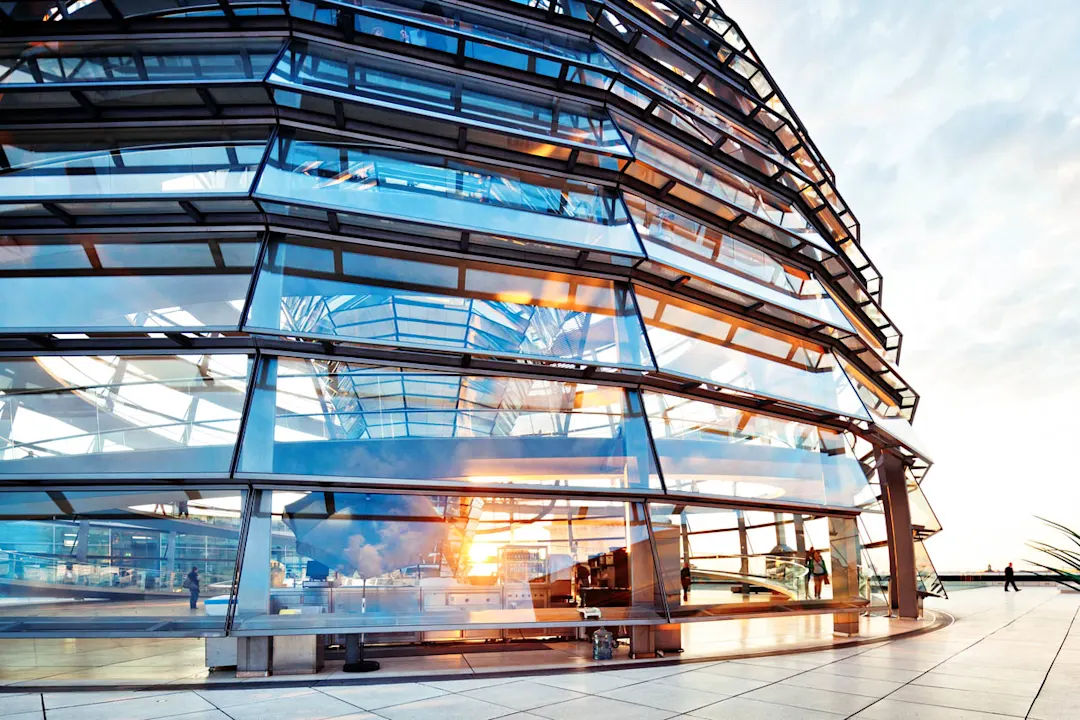
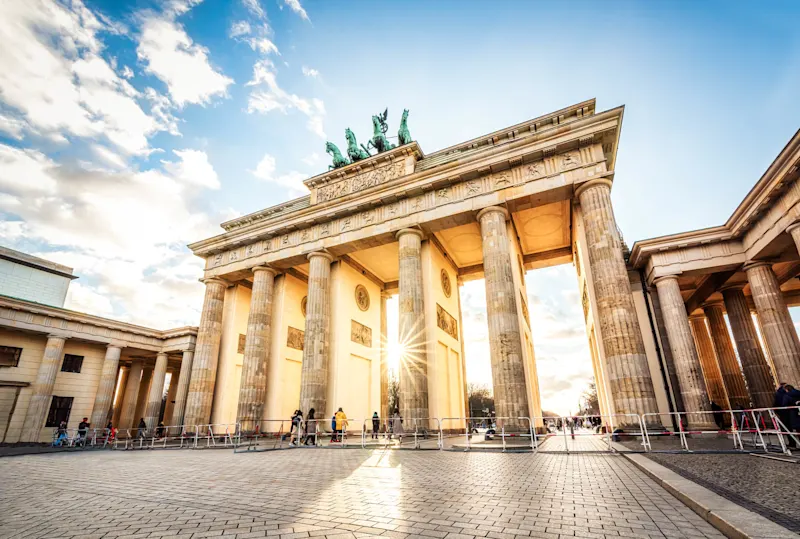
Day 1 — The Brandenburg Gate, the Reichstag dome (book the slot ahead), the Holocaust Memorial, then Unter den Linden to Museum Island.
Day 2 — Cold War Berlin: Checkpoint Charlie, the Topography of Terror, and the East Side Gallery, then a first evening in Kreuzberg.
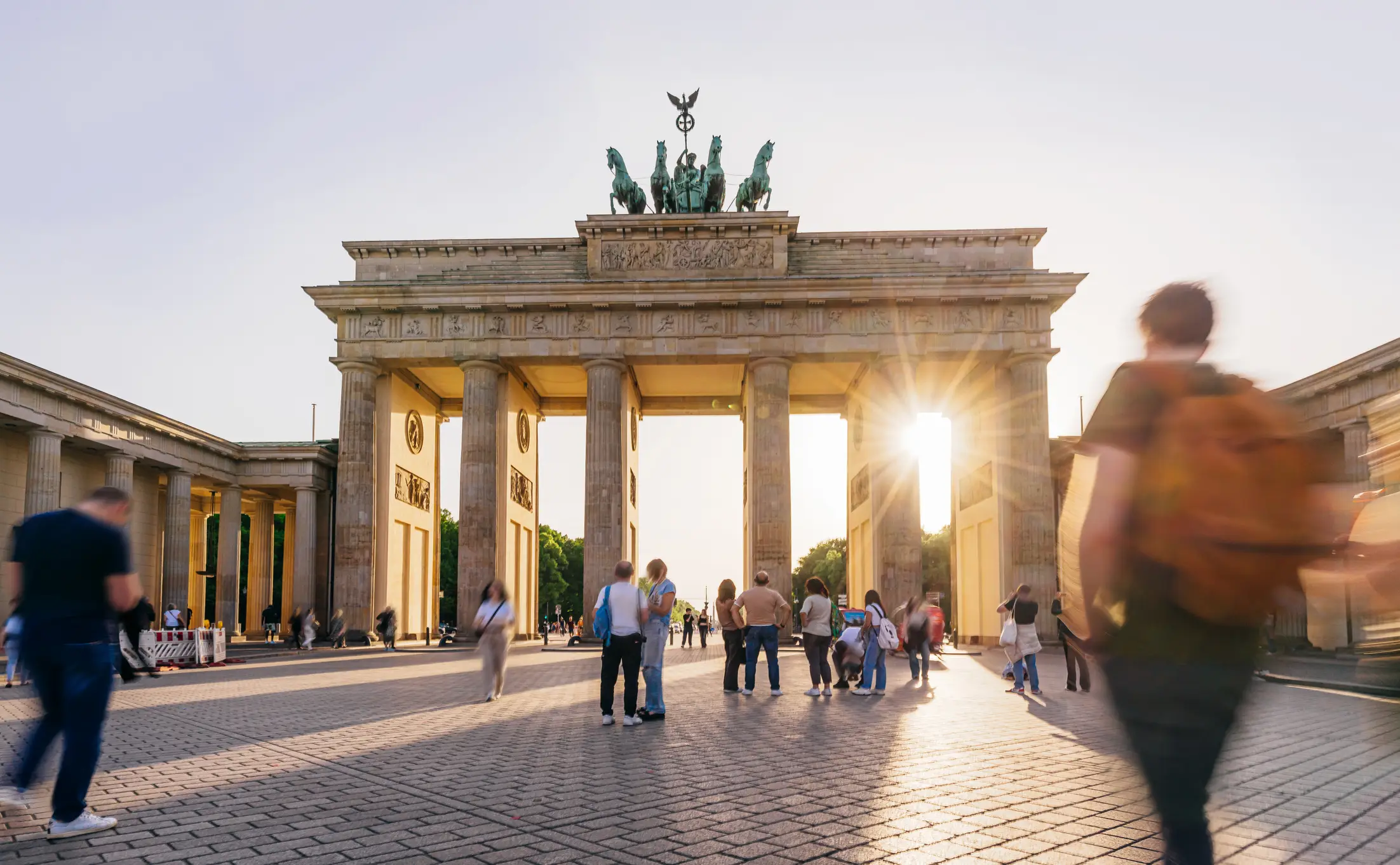
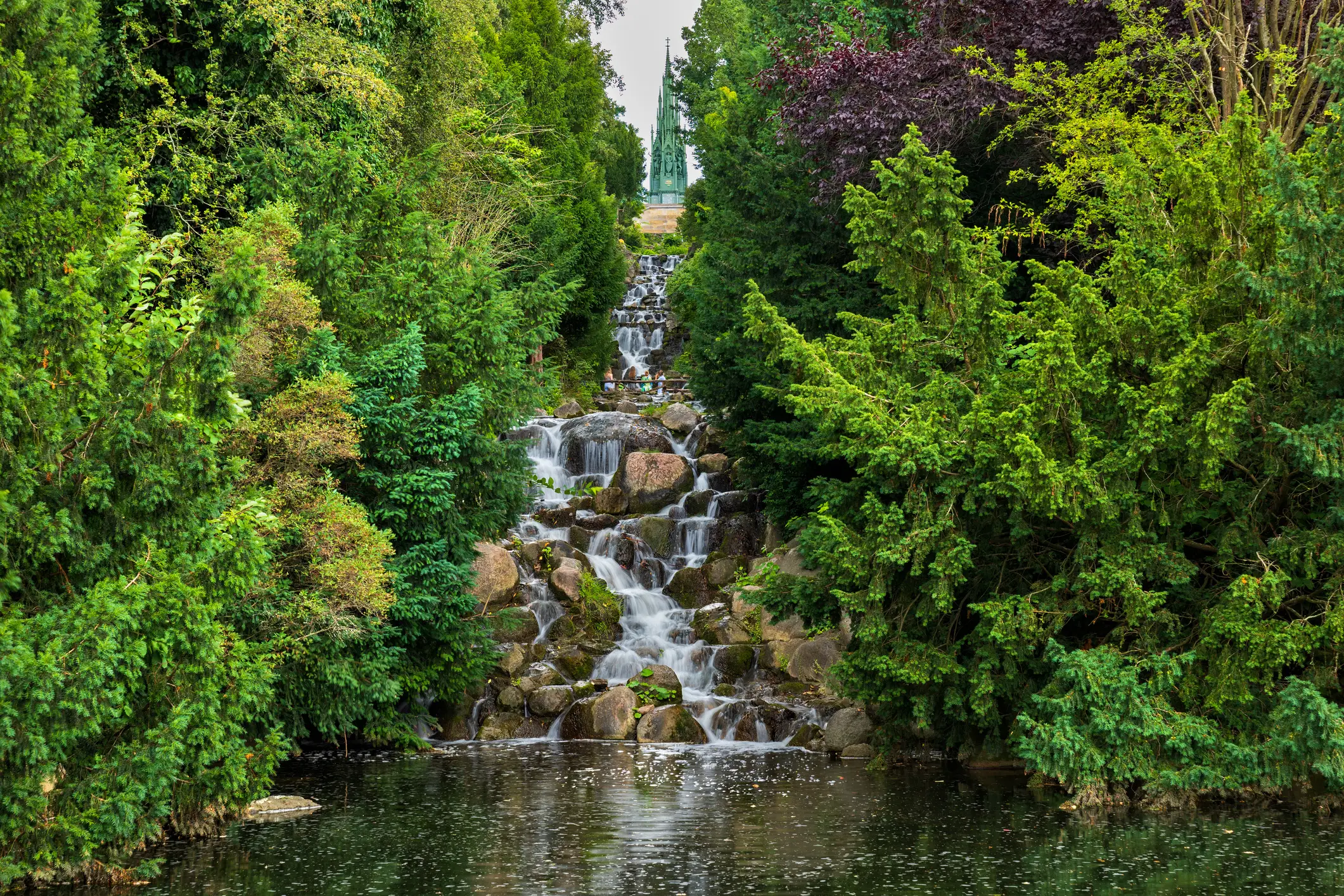
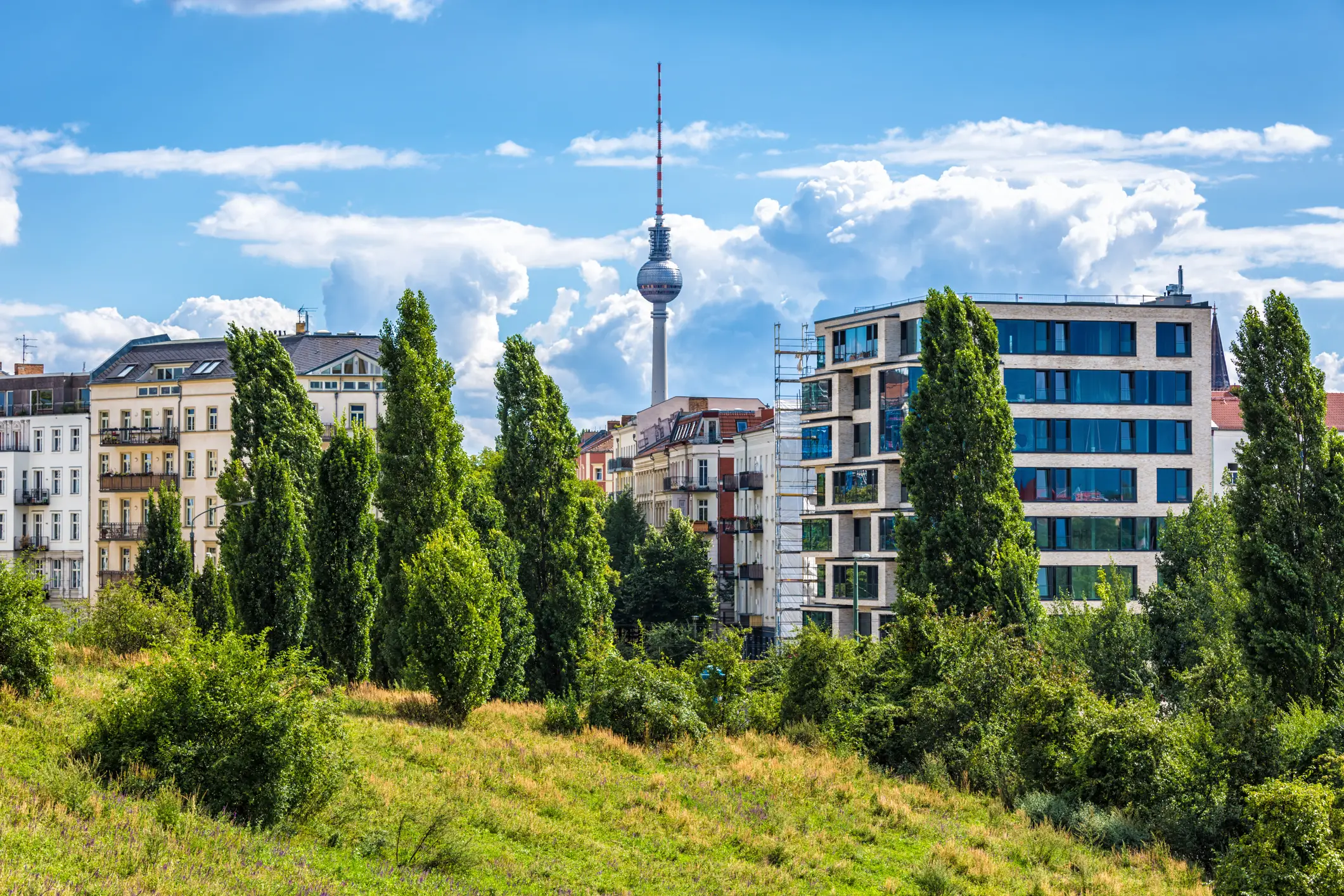
Three days is the right amount to do the city justice. After the main sights, give the third day to two things Berlin does better than anywhere: its layered 20th-century history and the lived-in culture of its neighborhoods. Spend the morning at the Berlin Wall Memorial or the Stasi Museum, then let the afternoon unfold among the cafés of Prenzlauer Berg, the Mauerpark flea market, or dinner at an indoor food market.
Days 1–2 — The landmarks and Cold War Berlin.
Day 3 — The Berlin Wall Memorial, then the neighborhoods east of Mitte: Prenzlauer Berg, Friedrichshain, and the street food and bars after dark.
A fourth day trades the city for its greatest gem, just beyond the city limits. Half an hour by train, Potsdam holds Sanssouci — Frederick the Great's rococo summer residence, with its terraced gardens and vineyards — a world apart in scale and mood from central Berlin. Arrive at opening, before the tour buses, and the gardens are almost deserted. You're back in the city by evening.
Days 1–3 — Berlin: the landmarks, the history, the neighborhoods.
Day 4 — Potsdam: Sanssouci Palace, the gardens, and the old town.
A city measured in districts
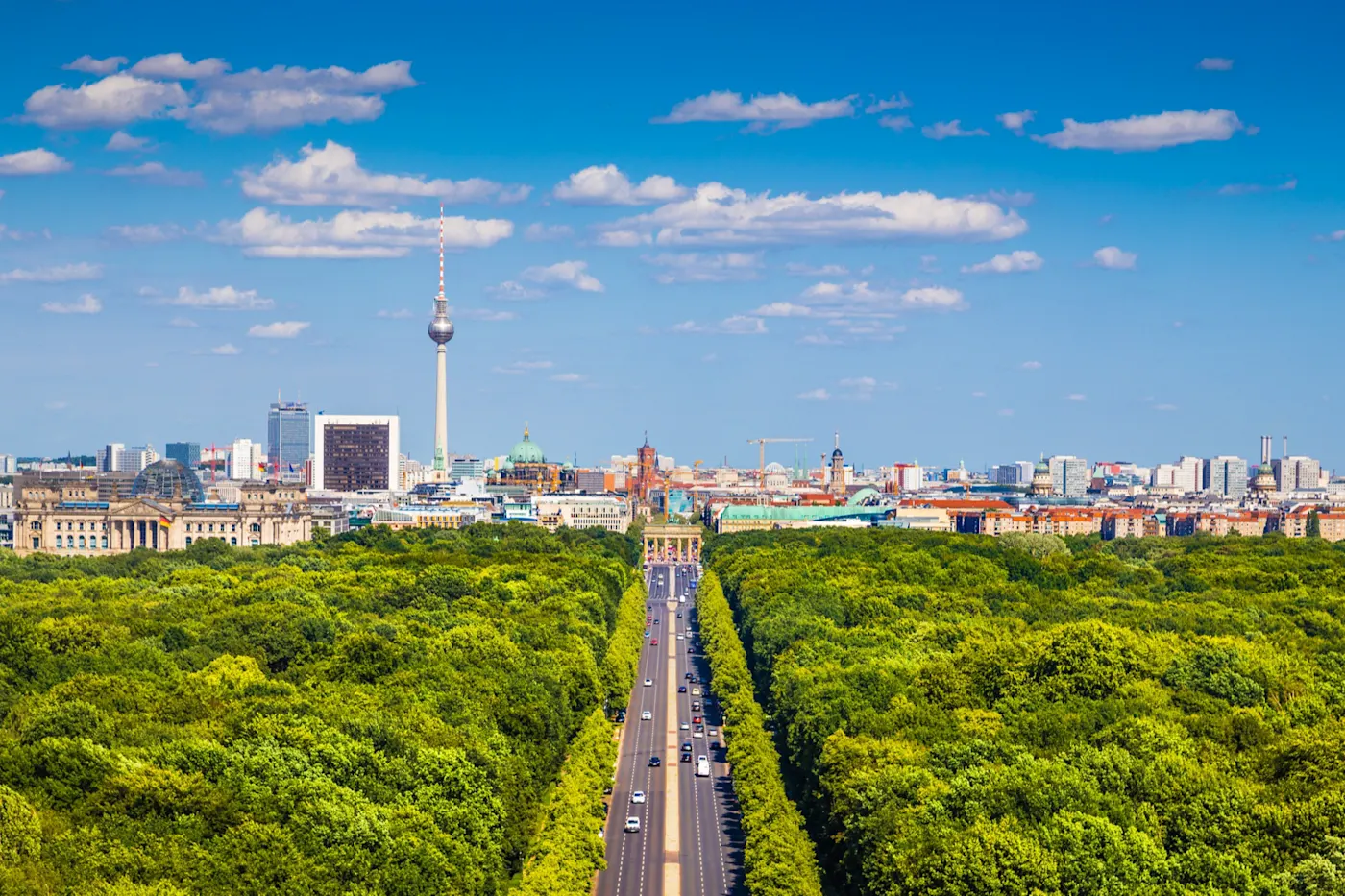
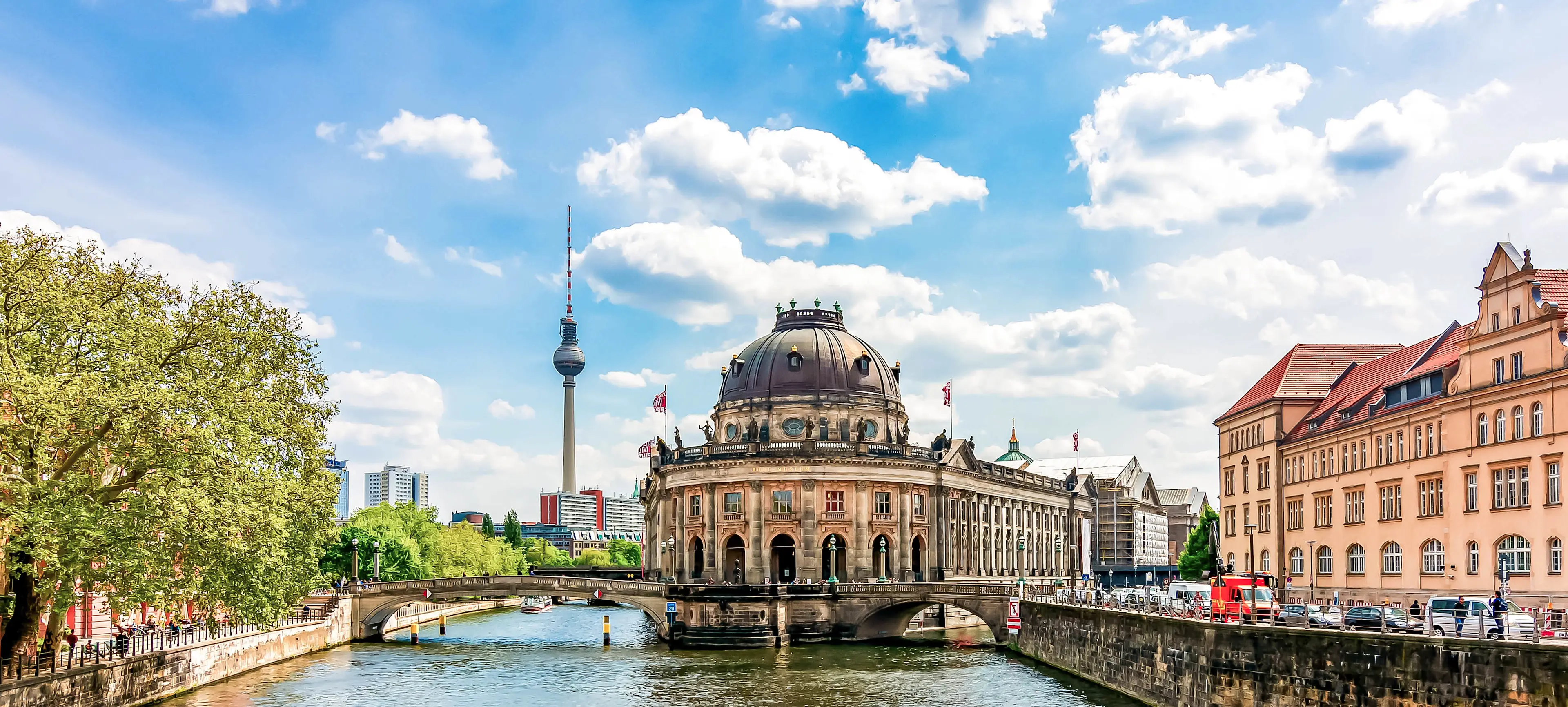
Berlin is huge, and this shapes everything. The sights aren't concentrated in a single historic center but scattered across neighborhoods that each have their own identity: Mitte, the seat of government; Kreuzberg, with its nonconformist vibe; Prenzlauer Berg, full of cafés. Getting from one area to another takes time, but the journey is part of the experience — the streets, markets, and corners that still hold the atmosphere of the former East Berlin. Factor in the distances, and three days rarely feels like too long. To discover the main attractions, check out our guide on things to do in Berlin.
History you can walk through
No other European capital wears its recent past so openly, and the length of your stay depends on how deeply you want to explore it. It runs from the Nazi era — documented at the Topography of Terror and the Holocaust Memorial — to the city's division, marked by the Berlin Wall Memorial, Checkpoint Charlie, and the East Side Gallery, and the surveillance state at the Stasi Museum. A single day covers the essentials, while two let the history land properly. Several sites, including the Reichstag dome and Museum Island, need advance booking, so plan before you arrive.
Where the extra days go
Beyond the city, the best destinations lie either just outside town or much further south. Potsdam and Sanssouci are an easy half-day-plus by train. Venture further, and in under two hours you reach the rebuilt baroque center of Dresden, then Munich and Bavaria beyond. The German rail network makes even the longer hops easy, so more days mean more of the country rather than more transit. Prefer to drive instead? See our Germany road trip guide.
When to visit
May, June, September, and October are the ideal months for Berlin: temperatures are pleasant for the beer gardens and afternoons by the canals, and the city is quiet enough to get around easily. Summer is lively and green, with city life spilling into parks and open-air venues. Winter is cold and the days grow short fast, yet the nightlife and art scene never stop, and the Christmas markets lend the season its own charm. For a seasonal overview, check our guide on the best time to visit Germany.