How many days in Munich?
The right length for Munich, from the beer halls and the Residenz to King Ludwig's castles and the Bavarian Alps
Plan your Trip
Your tailor-made itinerary – No cost, no commitment
Excellent
4.6 of 5
6,137Reviews
Excellent
Recommended trip duration
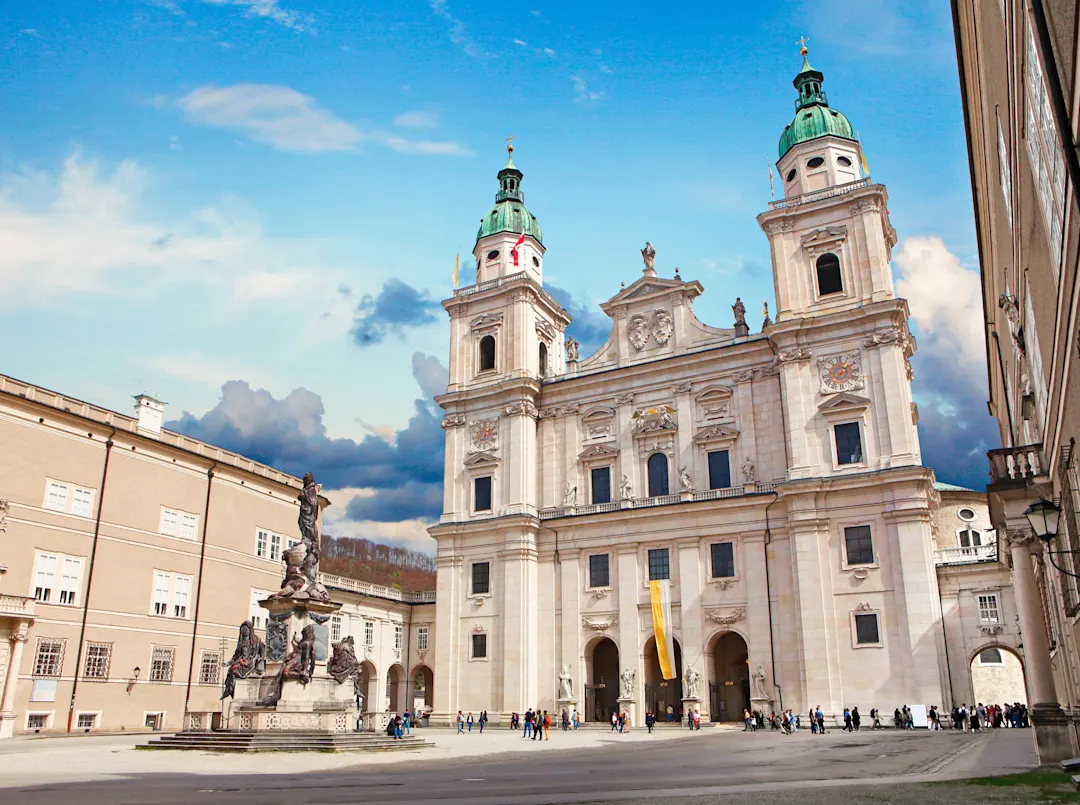
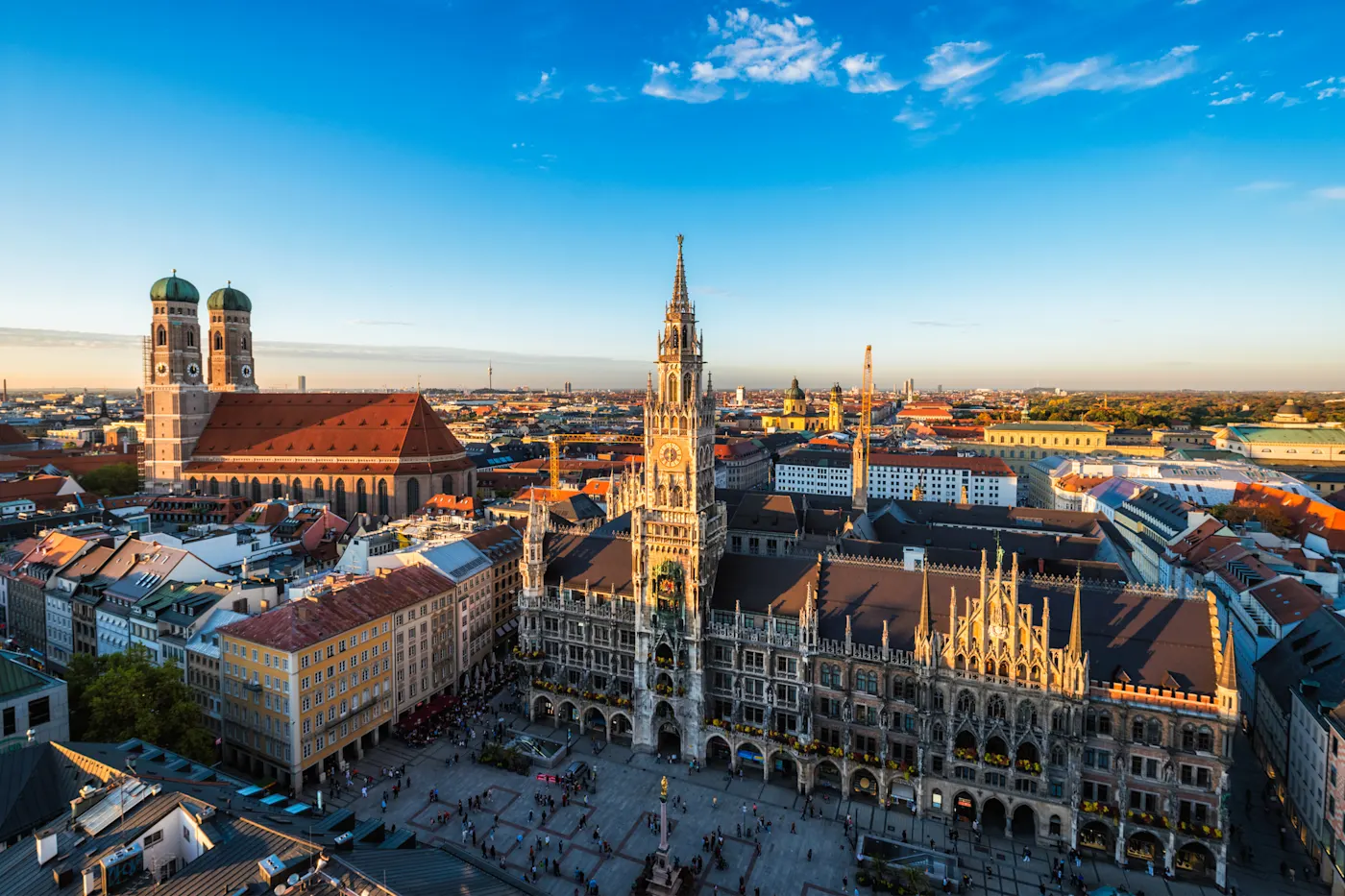
The historic center is compact and made for strolling — from Marienplatz to the Viktualienmarkt, and on to a table in a Biergarten shaded by chestnut trees — and two days are enough to capture its essence. What keeps visitors longer is everything the city opens onto. Munich is the doorway to Bavaria: within easy reach are Ludwig II's fairytale castles (Neuschwanstein and Linderhof), the summit of the Zugspitze, and Salzburg, just across the Austrian border. Enjoy the city's relaxed pace for a couple of days, then let the Alps do the rest.
Roman Karin
Travel Expert for Germany
Updated on 09/09/2026
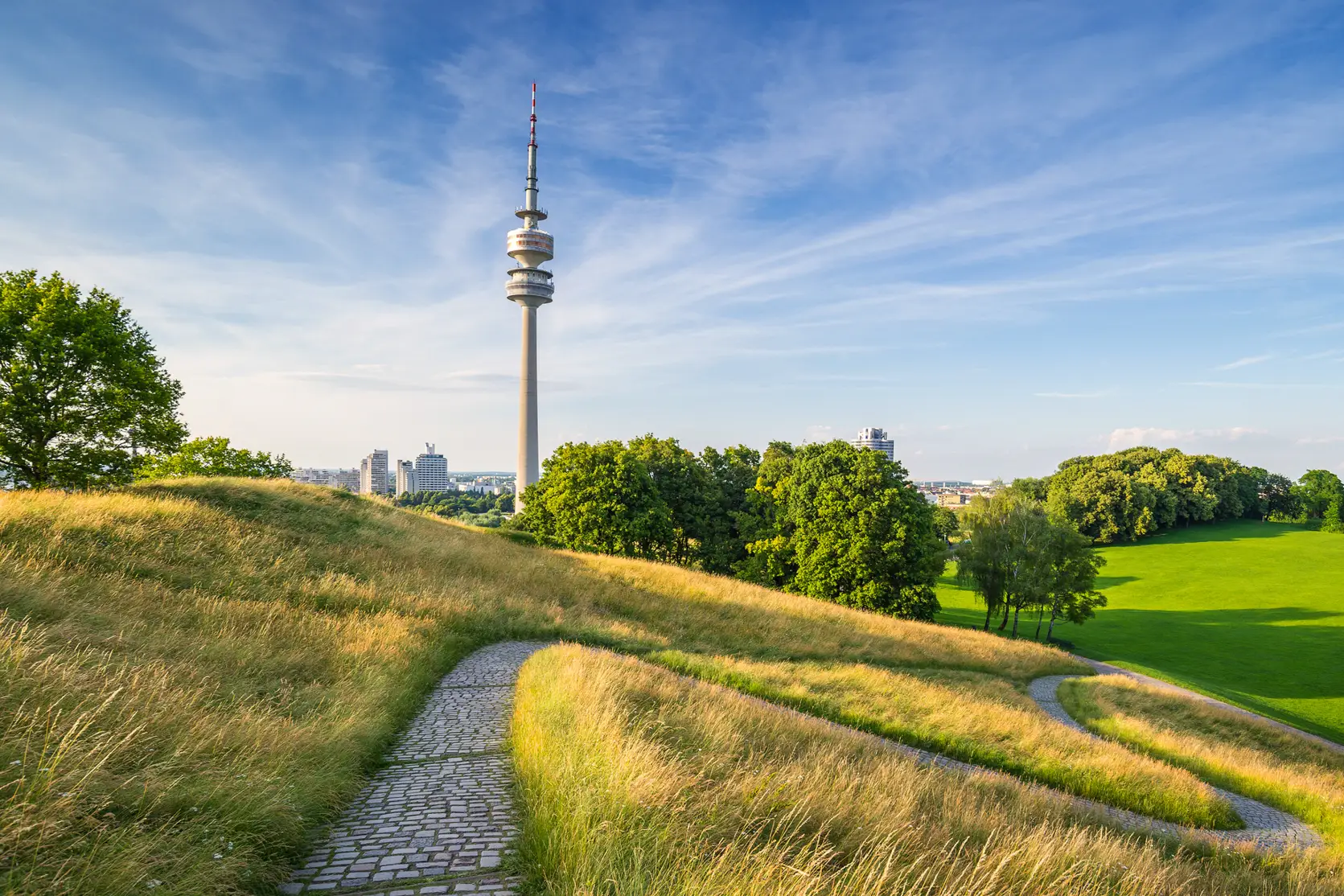
Munich's historic center is compact and walkable, so two days are enough to see it at a leisurely pace. That covers Marienplatz and the Old Town, the Residenz, the Englischer Garten (English Garden), and an evening in a typical beer hall. The real question is how much time you want for the Alps and the castles. Two days for the city, the rest for Bavaria.
2 days — The city. Marienplatz and the old town, the Residenz, the English Garden, and a proper evening in a beer hall.
3 days — Room for more Munich, plus Dachau or a first castle day trip.
4–5 days — The city as a base for Bavaria, with Neuschwanstein, the Zugspitze, or Salzburg within reach.
| Days in Munich | Best for | Combine with — wider route |
|---|---|---|
| 2 days | The city and its beer halls | Munich + Marienplatz + the Residenz |
| 3 days | The city plus a castle day | Munich + Neuschwanstein |
| 3 days | Germany's cities by rail | Berlin ▸ Dresden ▸ Munich |
| 4 days | The gateway to the Alps | Munich + Zugspitze or Salzburg |
| 5+ days | Munich and Bavaria in full | Munich ▸ the castles ▸ the Alps |
These stages are a guide, not a fixed route. Every trip is tailored to you.

Plan for free
Custom holiday packages and trips that fit your budget

Personalized for you
Itineraries built exactly to your needs

Private VIP guides
A personal English-speaking, native-European travel expert for every step

Peace-of-mind support
Full service assistance before, during, and after your trip
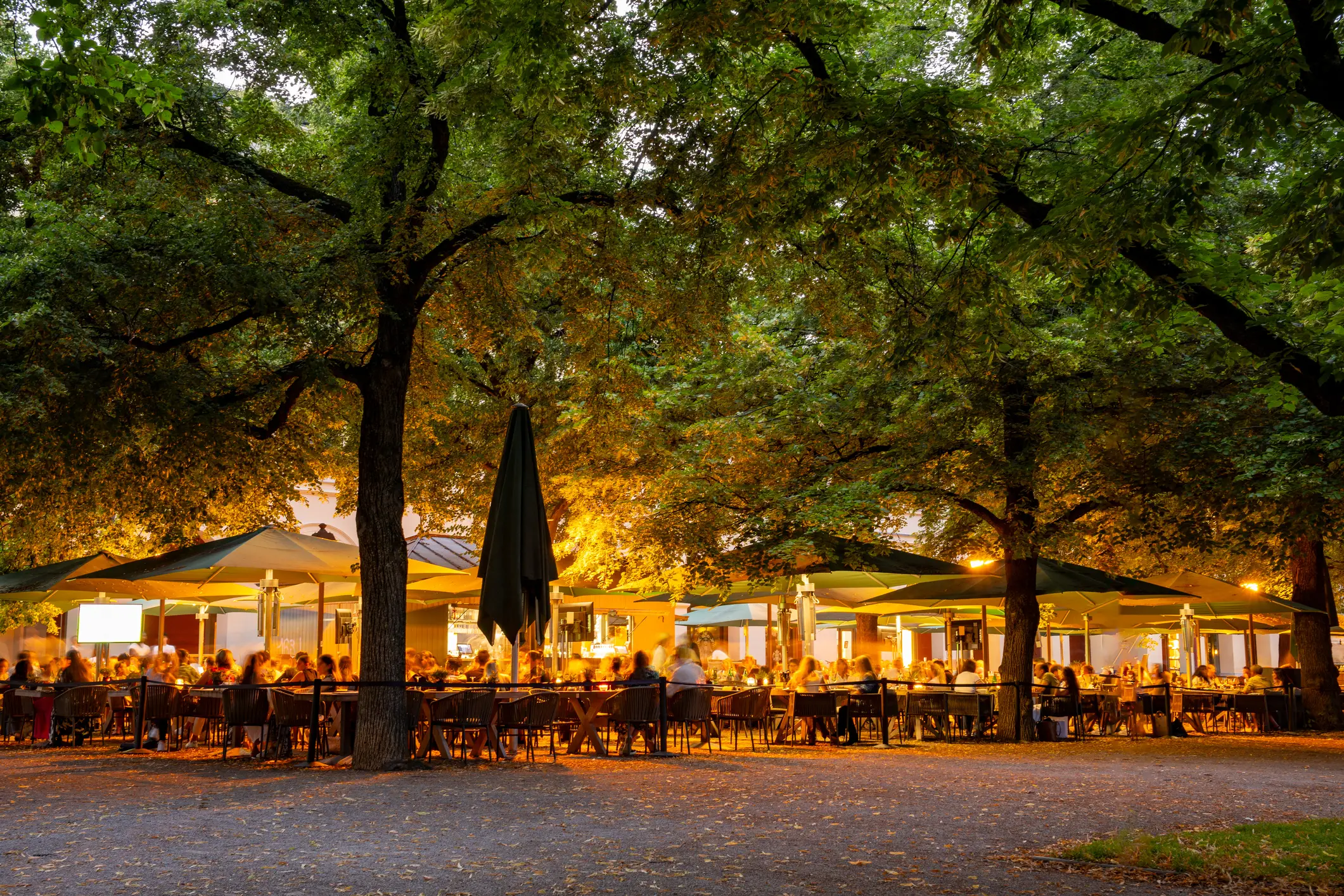
Two days are ideal for Munich if it is part of a larger trip to Germany or the Alps. The historic center is compact and walkable: you cover the main sights on foot and save your energy for the evening, which in Munich means a beer hall or Biergarten (beer garden). One day for the historic center, one for the palaces and parks.
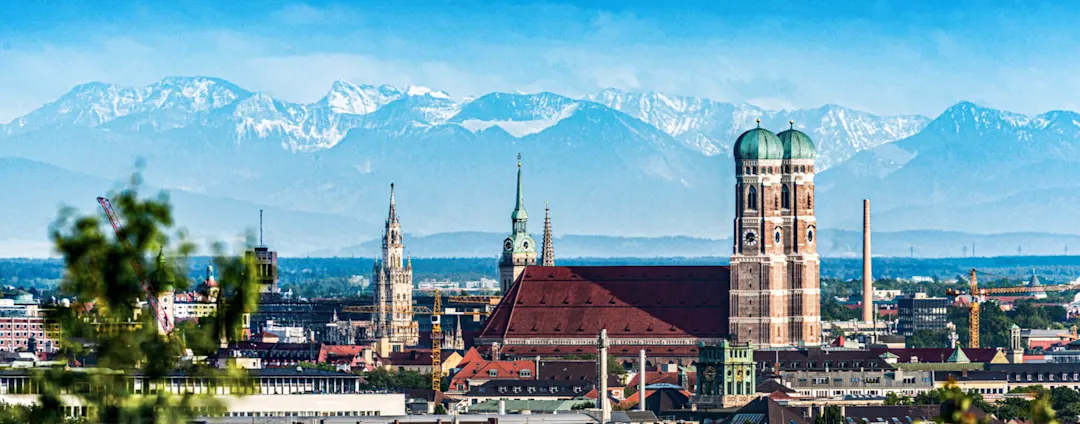
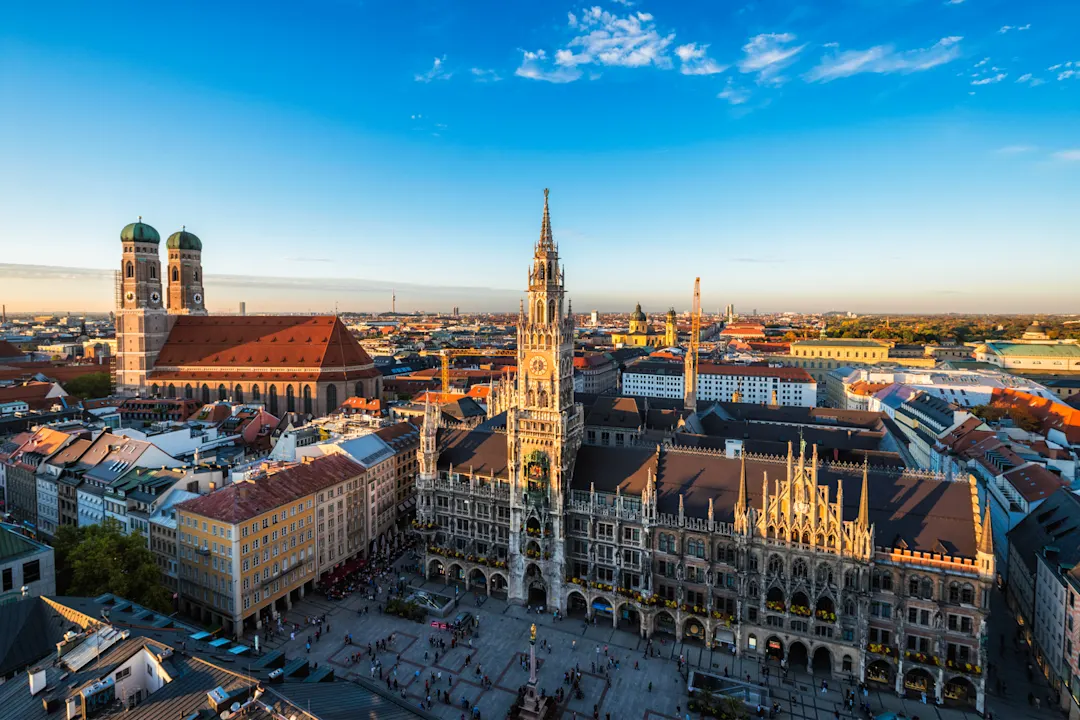
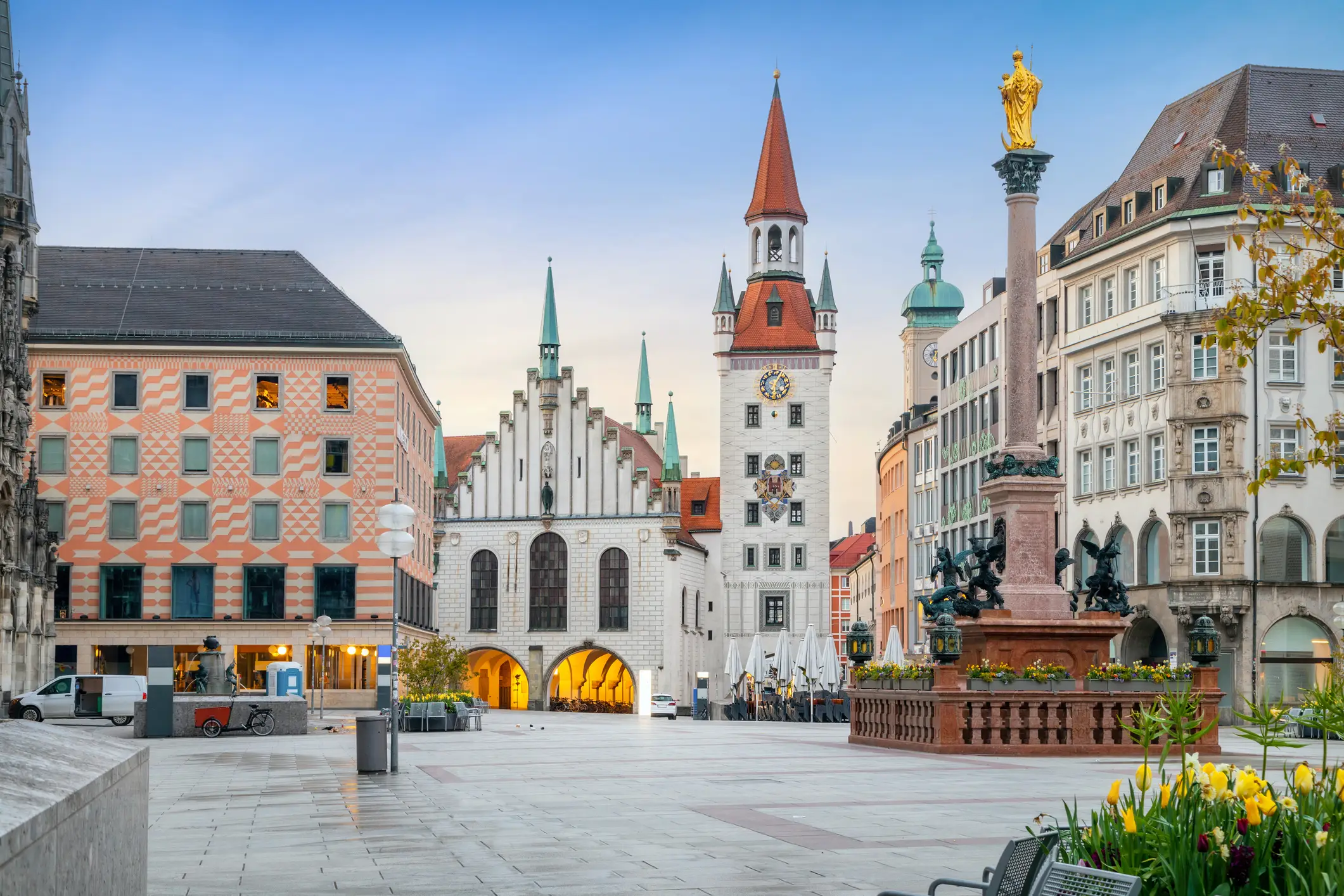
Day 1 — Marienplatz and the Glockenspiel, St. Peter's tower for the view, the Viktualienmarkt for lunch, then the Residenz. A beer hall dinner at the Hofbräuhaus.
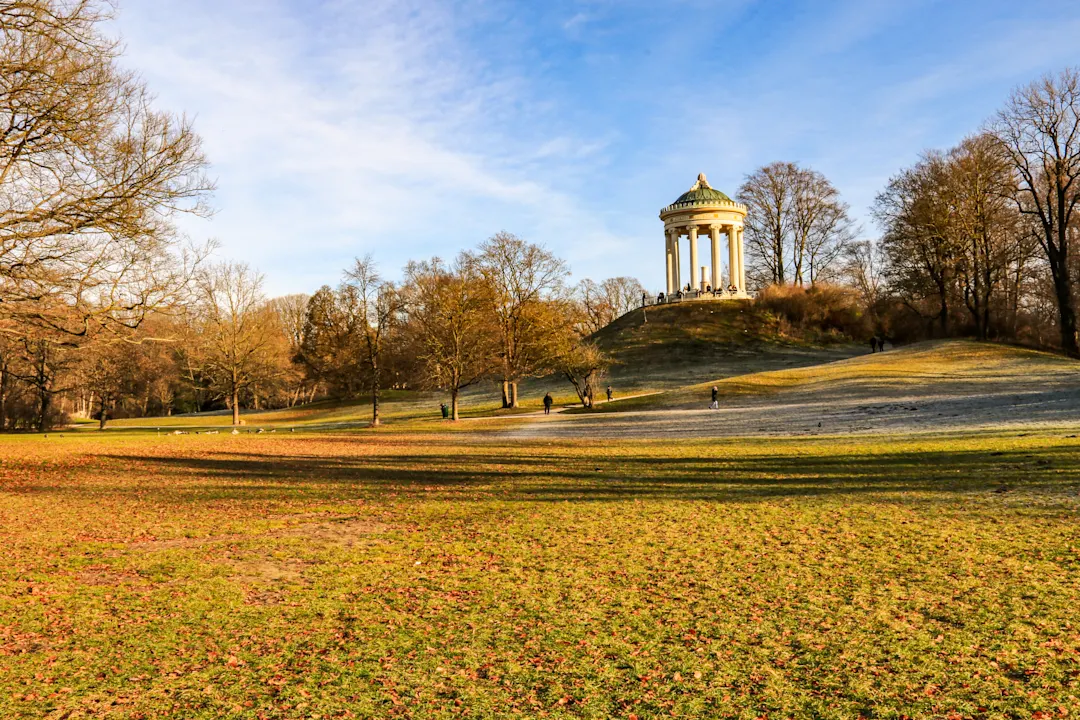
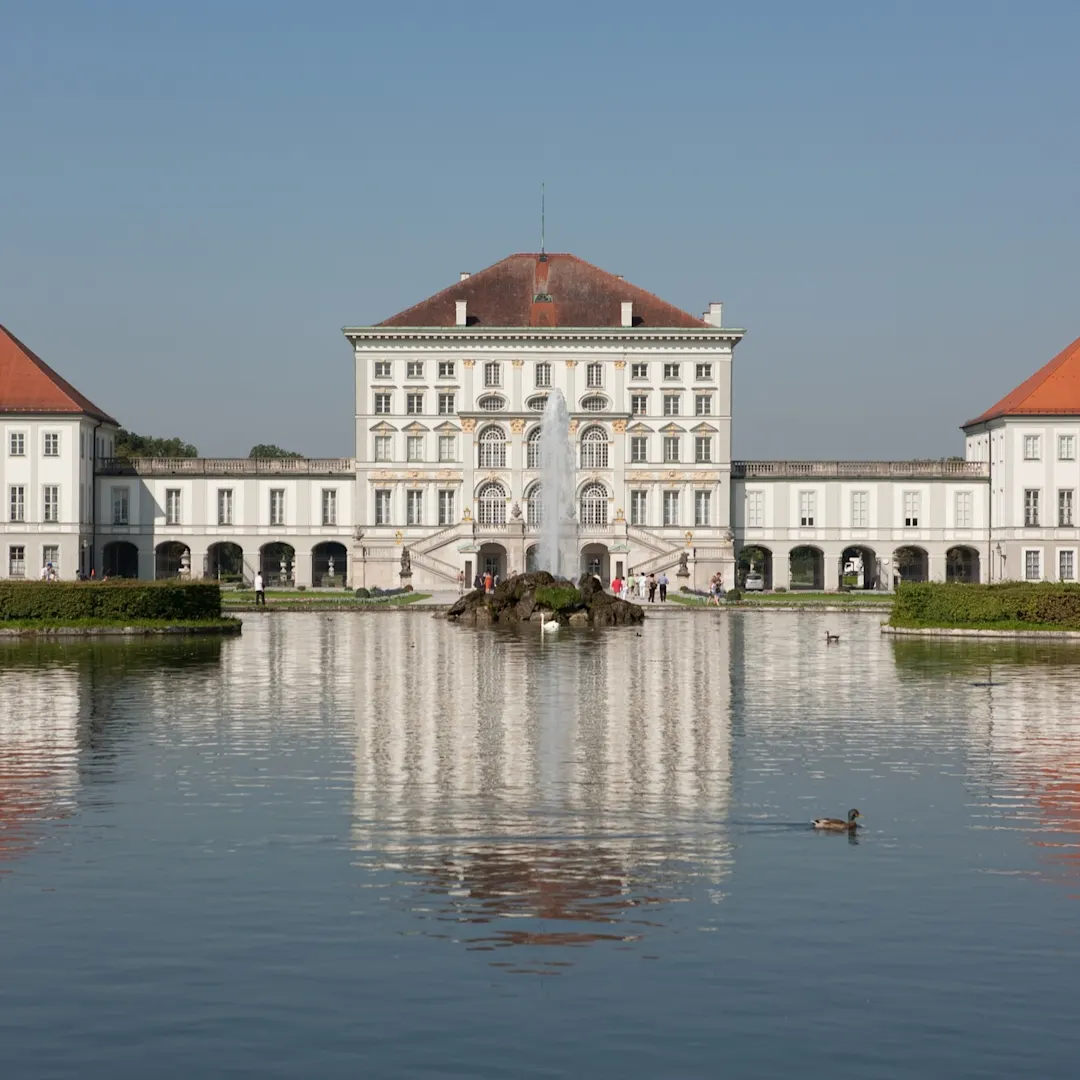
Day 2 — Nymphenburg Palace in the morning, the English Garden in the afternoon (with the surfers on the Eisbach), then a garden table as the light drops.
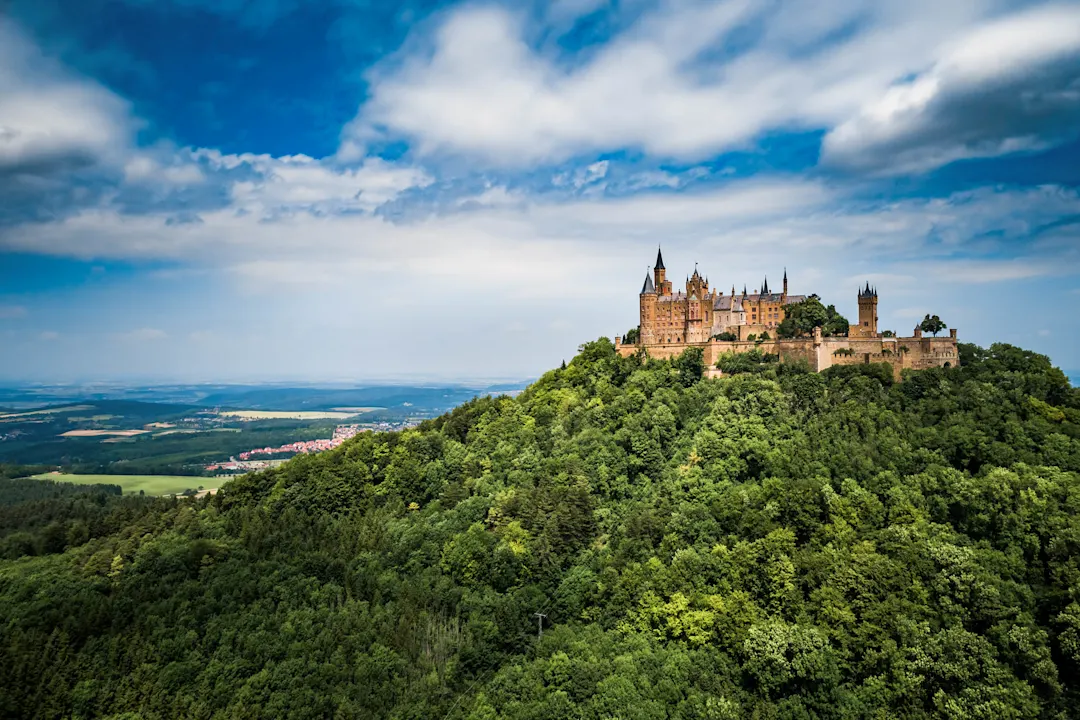
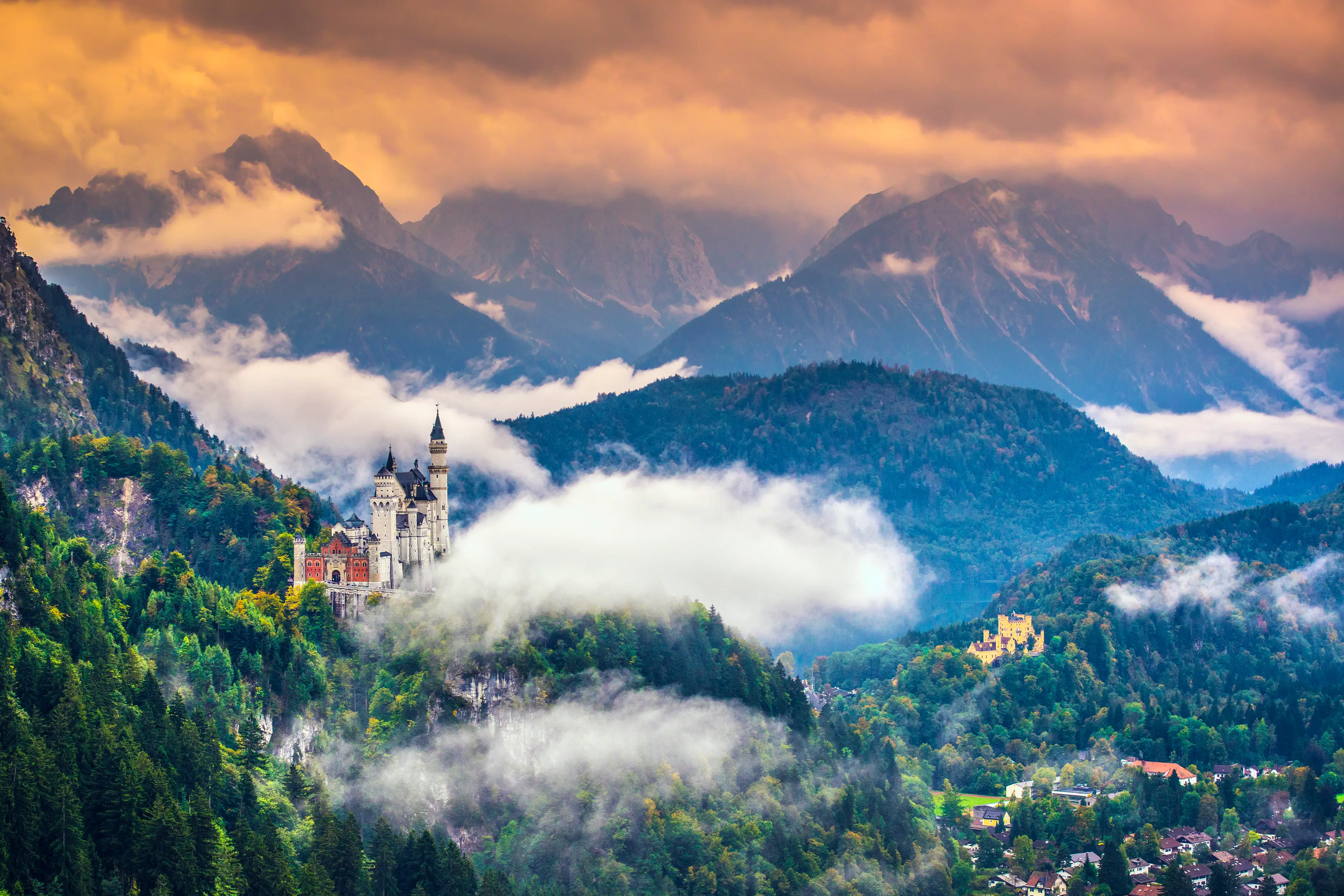
The third day takes you out of the city, with two very different ways to spend it. The classic choice is Neuschwanstein — Ludwig II's fairytale castle on a crag two hours south — often paired with Linderhof and the fresco-painted village of Oberammergau. The alternative is Dachau, the concentration camp memorial on the city's outskirts. This is a thought-provoking half-day that sits at the heart of Munich's 20th-century history.
Days 1–2 — The city: the old town, the palaces, the beer gardens.
Day 3 — Neuschwanstein and Linderhof, or a morning at Dachau and an afternoon at the BMW Welt or a museum.
With four or five days, Munich becomes an ideal base for the mountains. Beyond the castles, the Zugspitze (Germany's highest peak) is a cable-car ride from Garmisch. Salzburg and its Mozart-linked historic center are ninety minutes east by train. Berchtesgaden and Lake Königssee lie deeper in the Alps. You return to Munich's comforts each evening — that is the advantage of using it as your base.
Days 1–2 — Munich, unhurried.
Day 3 — Neuschwanstein and the castle country.
Days 4–5 — The Zugspitze from Garmisch, or a day in Salzburg across the border.
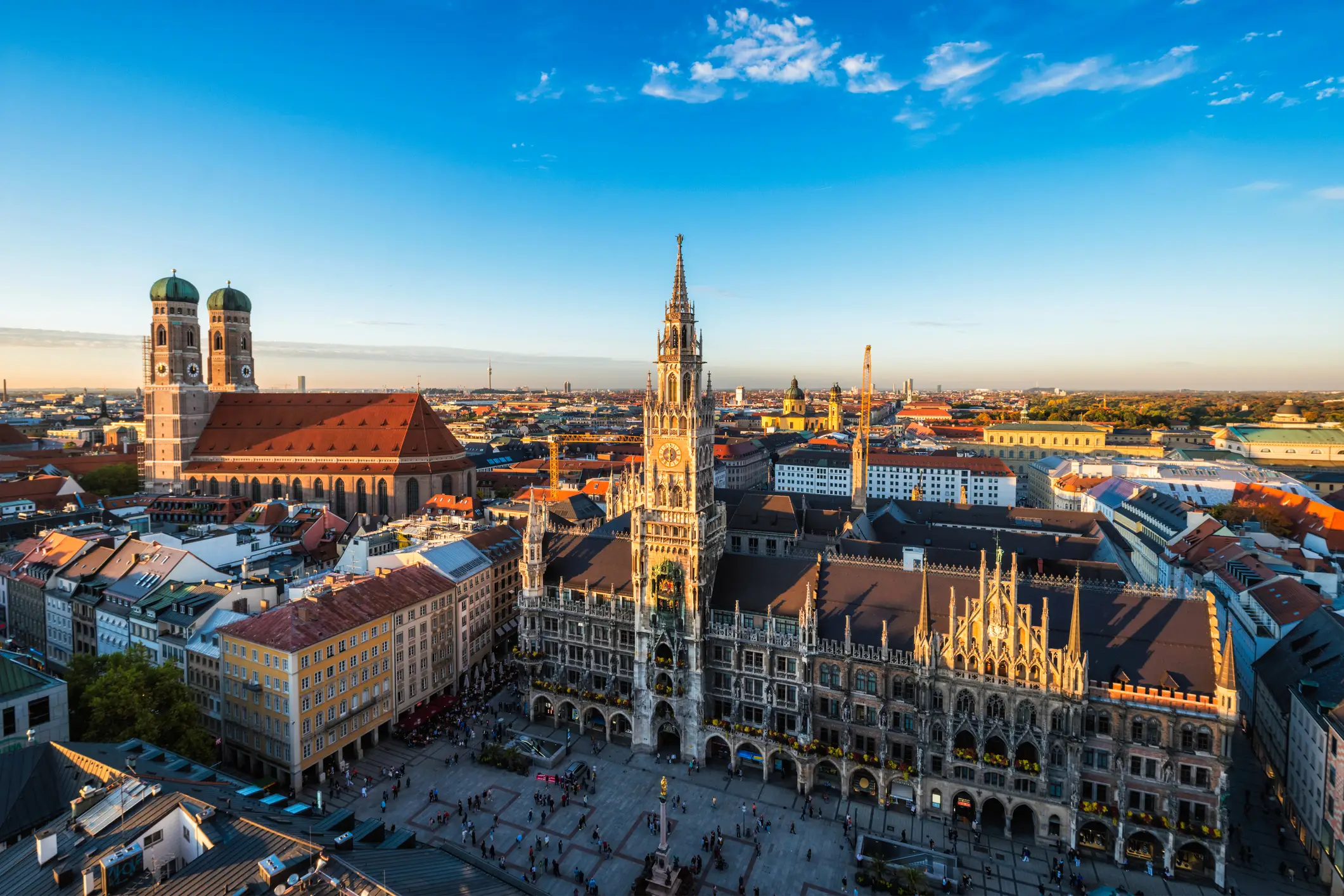
A small city with a big backyard
Munich itself does not need a great deal of time. The historic center is easily explored on foot, and the main attractions cluster in a compact area. For that reason, the length of your trip depends largely on what you visit beyond the city. Munich is a starting point more than a sprawling metropolis: two days are enough for the city itself, while the rest of your time goes to Bavaria. The more castles, peaks, and lakes you want, the longer your stay.
Ludwig's castles and the Alps
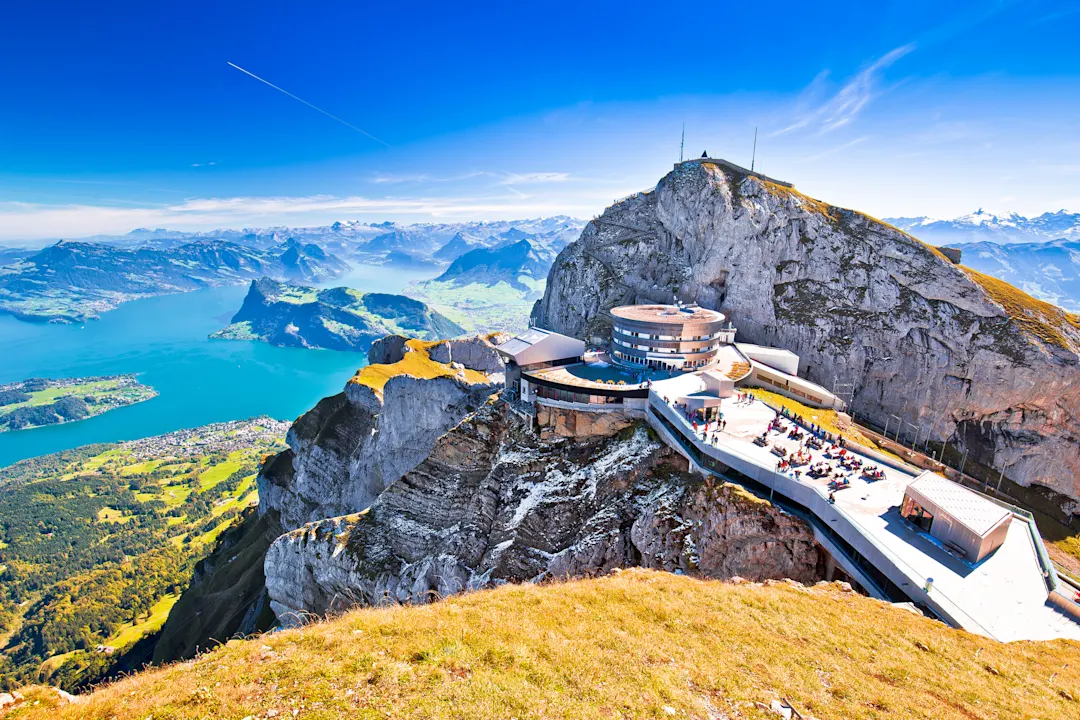
Munich sends you toward fairytale, not urban bustle. King Ludwig II's storybook castles — Neuschwanstein foremost among them — lie two hours south, at the foot of the mountains, usually visited alongside Linderhof and Oberammergau on one long day. Venture further, and the High Alps open up: the cable car to the summit of the Zugspitze, the turquoise waters of Königssee in Berchtesgaden, and Garmisch for mountain enthusiasts. A car or a guided day trip does the reaching. Every extra day buys another corner of the range.
Beer gardens and the Bavarian table
Munich moves to its own convivial rhythm, and embracing it enriches the visit. Here, beer halls and chestnut-shaded gardens aren't just an accompaniment to the evening but its heart, from the Hofbräuhaus to the Augustiner-Keller. Add the Viktualienmarkt for a lunch of pork knuckle and pretzels, and the food and drink alone make it worth slowing down. Since Oktoberfest transforms the city in late September, book well in advance.
When to visit
Late spring through early autumn is Munich at its most inviting: May, June, and September bring beer-garden weather and clear runs to the Alps. Summer is warm and lively, peaking with Oktoberfest from mid-September into early October, spectacular but packed. Winter is cold but characterful, with Christmas markets on Marienplatz and the mountains dressed for skiing. For a season-by-season breakdown, see the best time to visit Germany.