How many days in London?
The right length for London, from the museums and the West End to Windsor, Bath, and the wider country beyond
Plan your Trip
Your tailor-made itinerary – No cost, no commitment
Excellent
4.6 of 5
6,137Reviews
Excellent
Recommended trip duration
Few cities make a short visit feel as inadequate as London does. The problem isn't finding enough to do. A week wouldn't be enough for the museums alone, let alone the markets, parks, theater, and the dozen neighborhoods that feel like cities in their own right. Three days cover the essentials: Westminster and the Tower of London, the British Museum, a West End show, and a walk along the South Bank. Four or five days let you go deeper, or take a quick trip to Windsor Castle or Stonehenge. London rewards however much time you give it. Be generous with your stay, and expect to leave with a list for next time.
Marvin Luczynski
Certified England specialist
- 105+ trips planned
- Personally visited 8 times
- 7+ years of experience
- Specialist for Scotland and Wales
Plan your trip for free
Your tailor-made itinerary – No cost, no commitment
The real challenge in London is the sheer number of attractions, not the opening hours. Three days is the reasonable minimum for a first visit. That covers Westminster and the Tower of London, the British Museum, and the South Bank, plus an evening in the West End. Beyond that, you choose between exploring London in more depth or venturing out of the city. Two days barely scratches the surface of a city this size.
3 days — The essentials. Westminster and the Tower, the British Museum, the South Bank, and an evening in the West End.
4 days — More of the city, or a first day trip to Windsor.
5–6 days — London in depth, with excursions to Stonehenge and Bath or Oxford and the Cotswolds.
| Days in London | Best for | Combine with — wider route |
|---|---|---|
| 3 days | The first-time essentials | London + Westminster + the Tower |
| 3 days | One stop on a Europe tour | London ▸ Barcelona ▸ Rome |
| 4 days | The city plus a royal day trip | London + Windsor |
| 5 days | London with the classic excursions | London + Stonehenge + Bath |
| 6+ days | The gateway to England | London ▸ Oxford ▸ the Cotswolds |
These stages are a guide, not a fixed route. Every trip is tailored to you.

Plan for free
Custom holiday packages and trips that fit your budget

Personalized for you
Itineraries built exactly to your needs

Private VIP guides
A personal English-speaking, native-European travel expert for every step

Peace-of-mind support
Full service assistance before, during, and after your trip
Three days is the ideal minimum, and careful planning lets you see the main attractions. Group points of interest by area to avoid crisscrossing the city, and use the Underground — it's faster than it looks on the map. Set aside an evening for the West End. It is as much a London institution as any famous landmark with long lines outside.
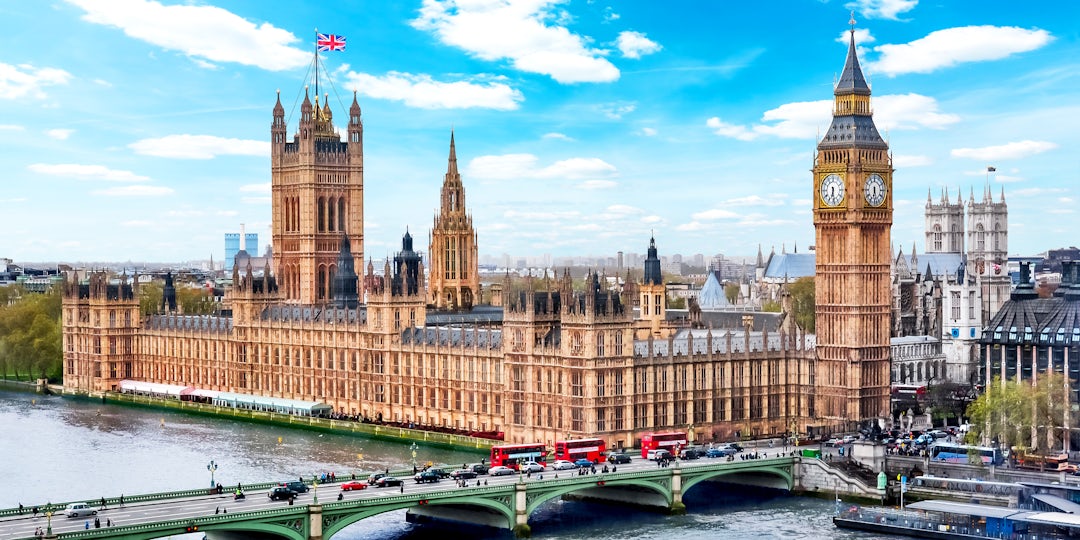
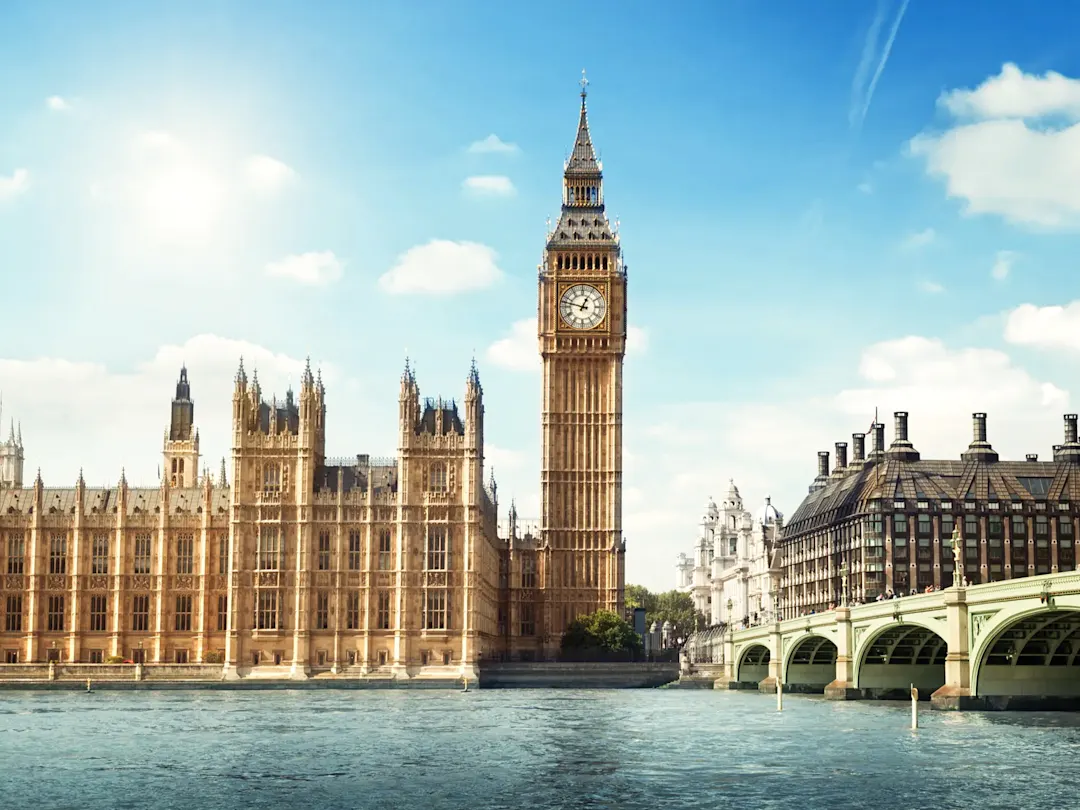
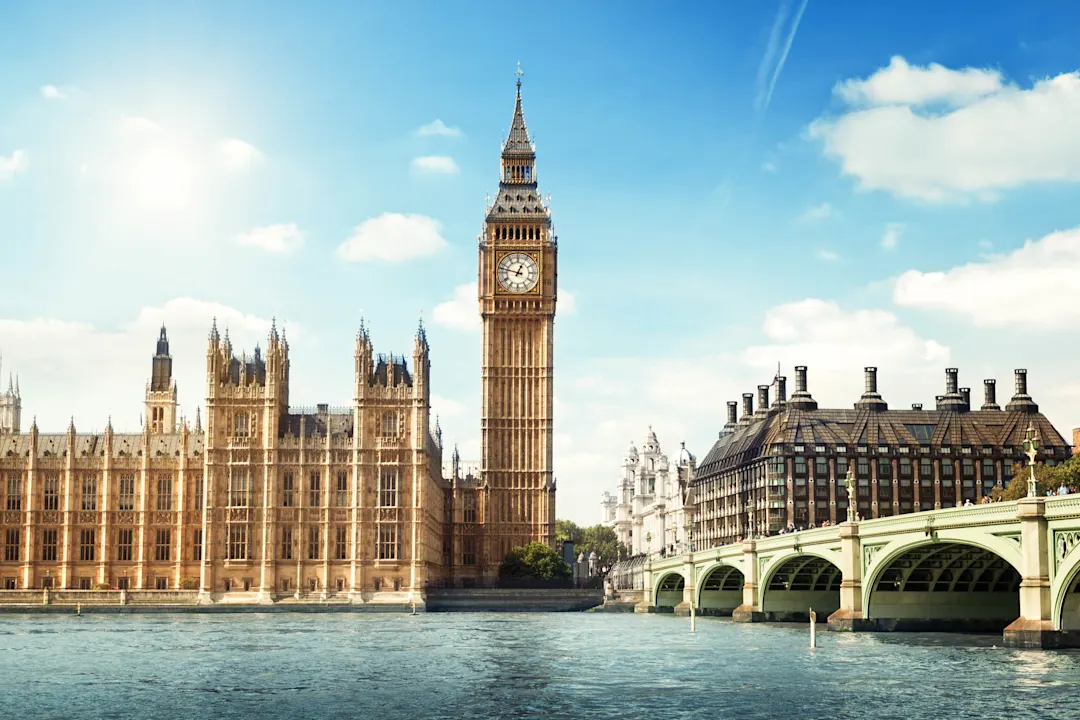
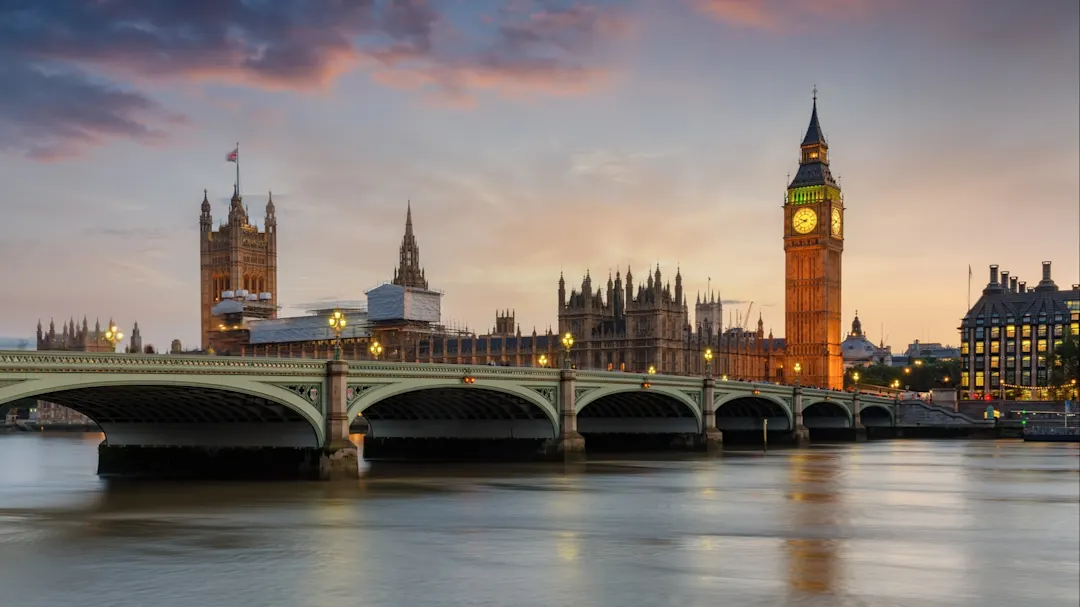
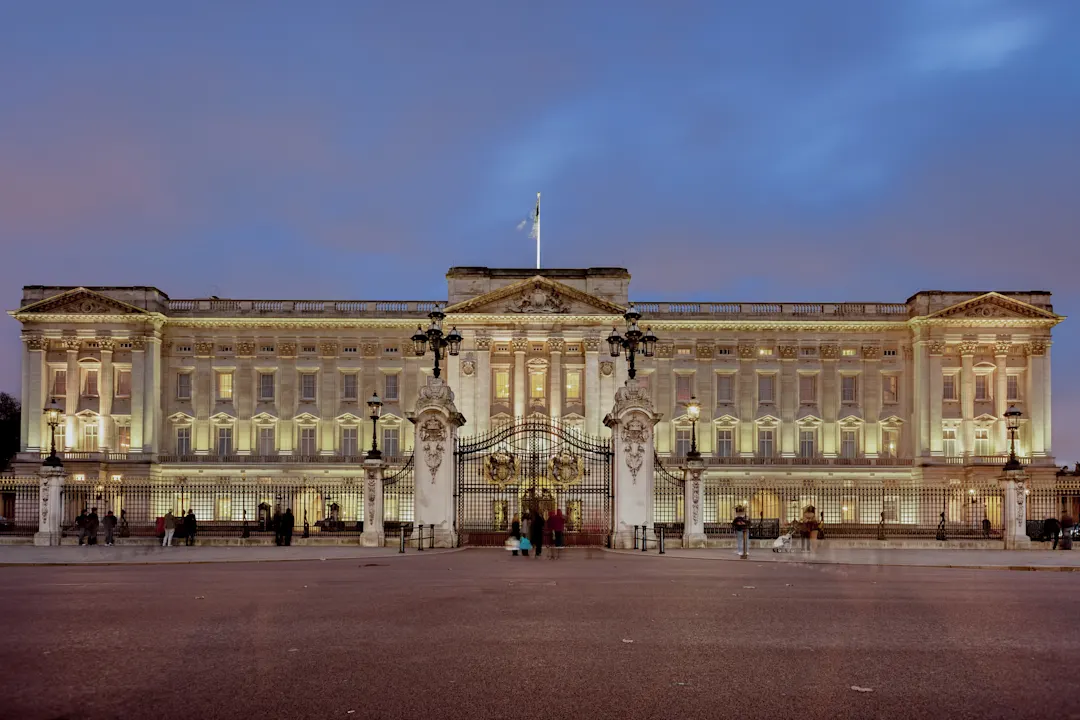
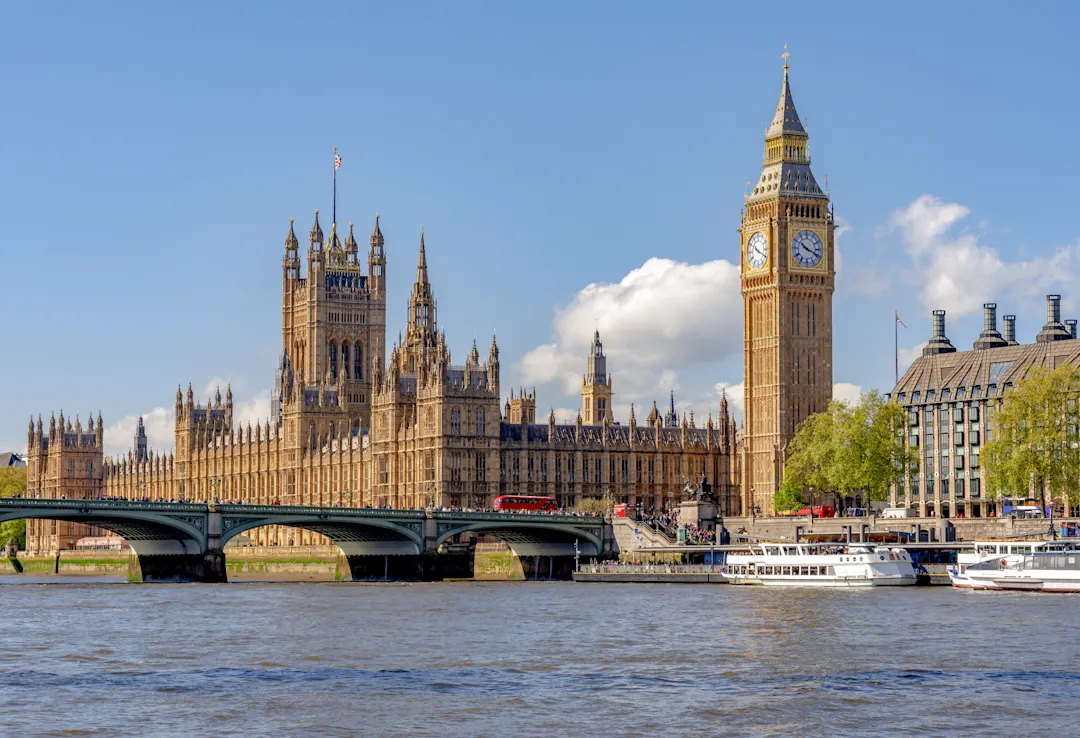
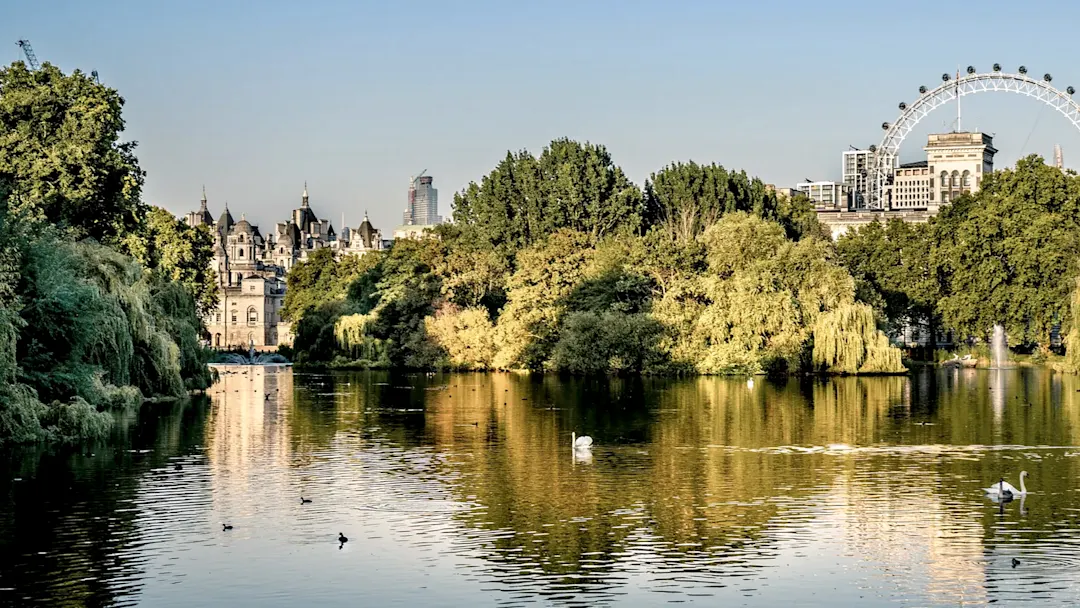
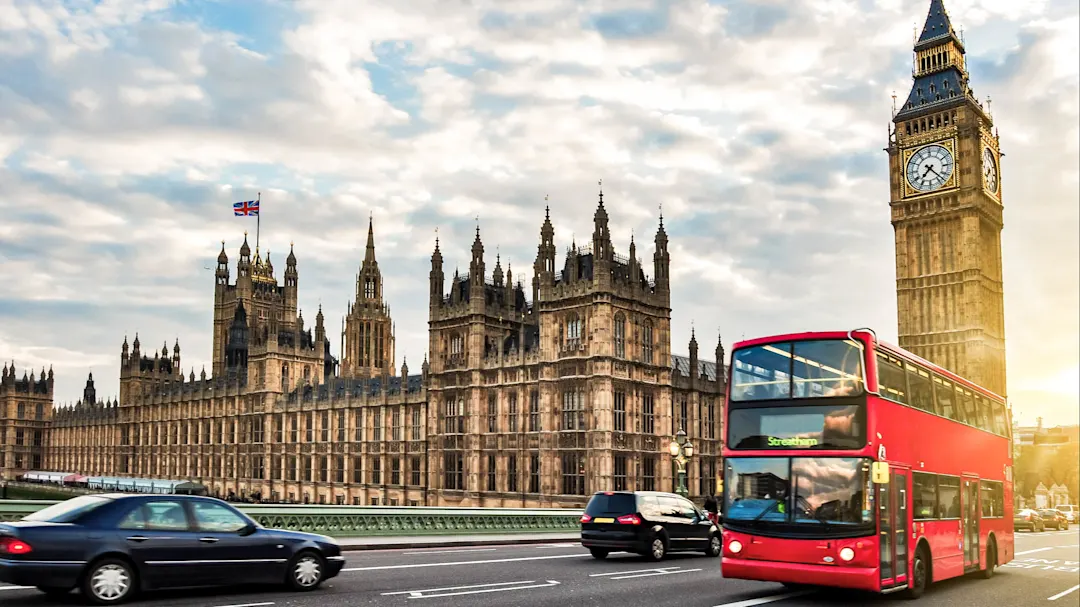
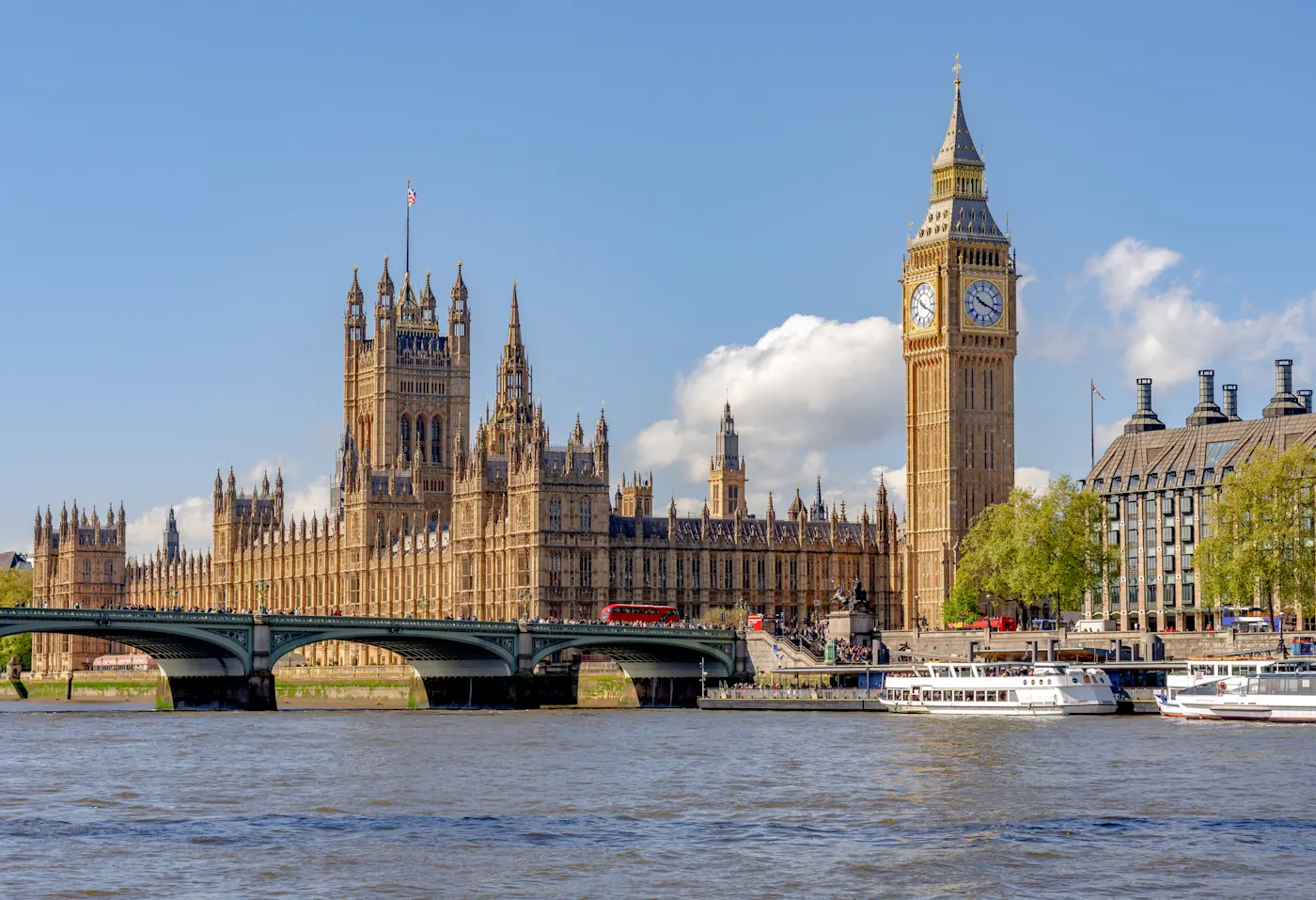
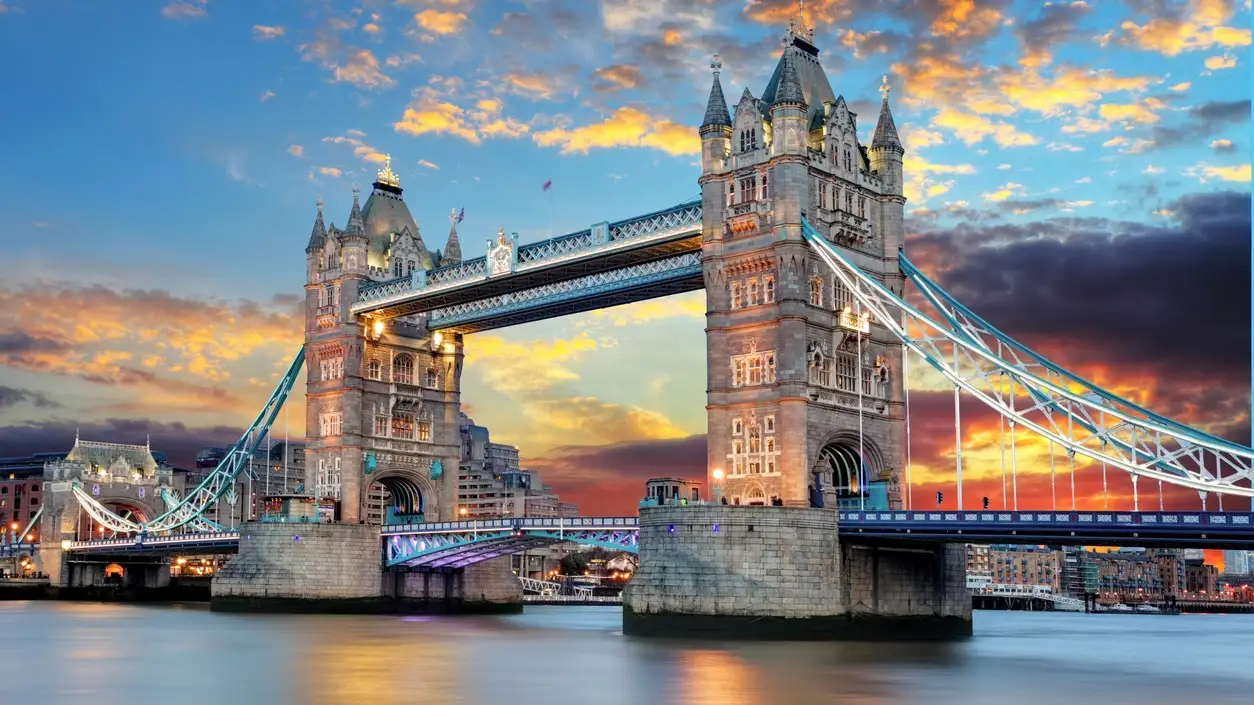
Day 1 — Westminster: the Abbey, Big Ben, and Buckingham Palace, then St. James's Park and a stroll to the South Bank for the London Eye at dusk.
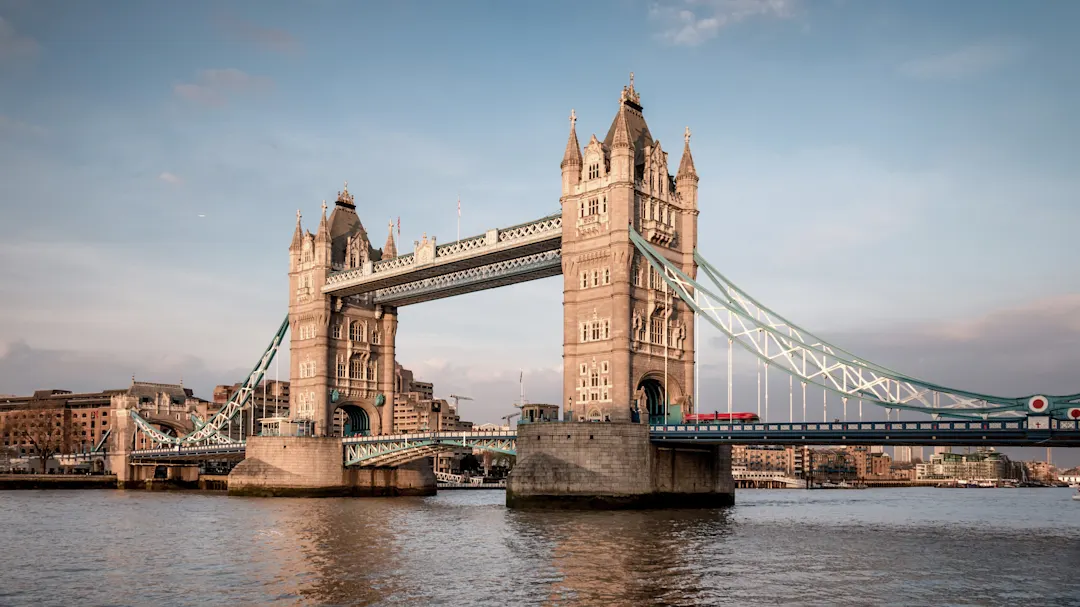
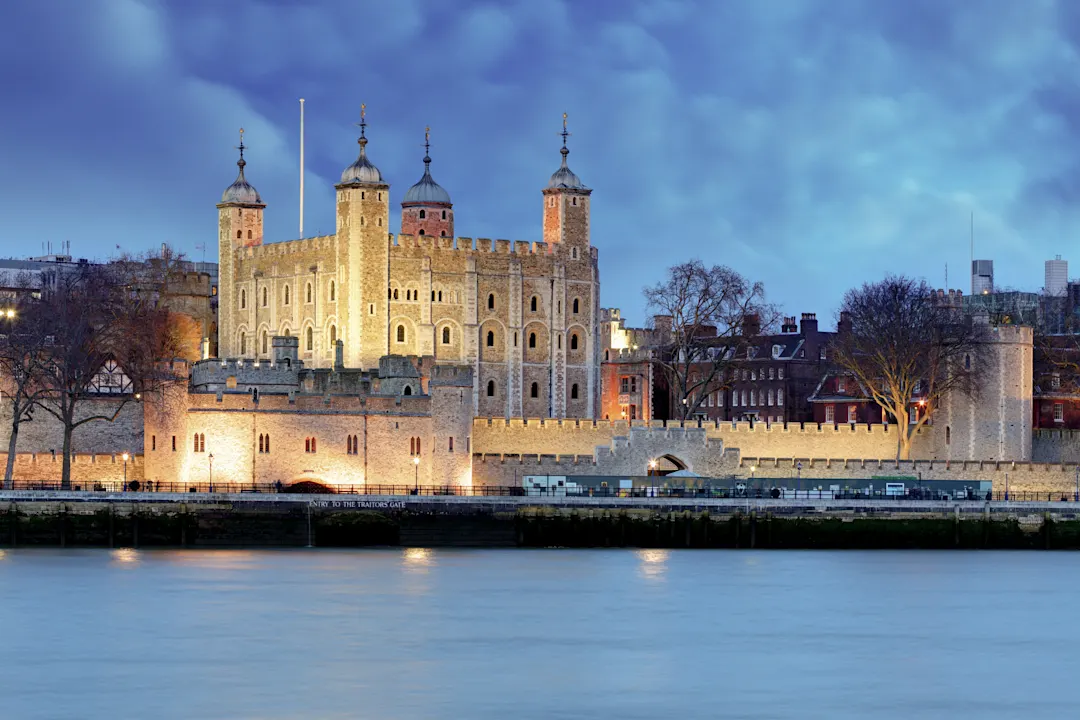
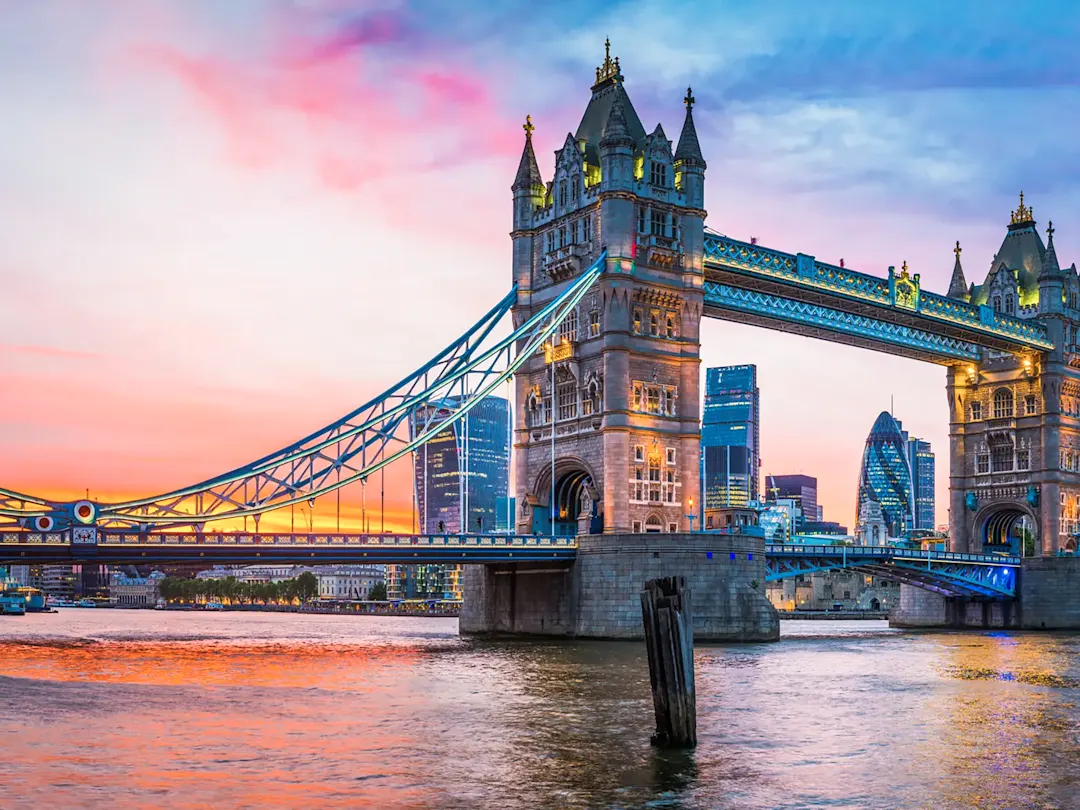
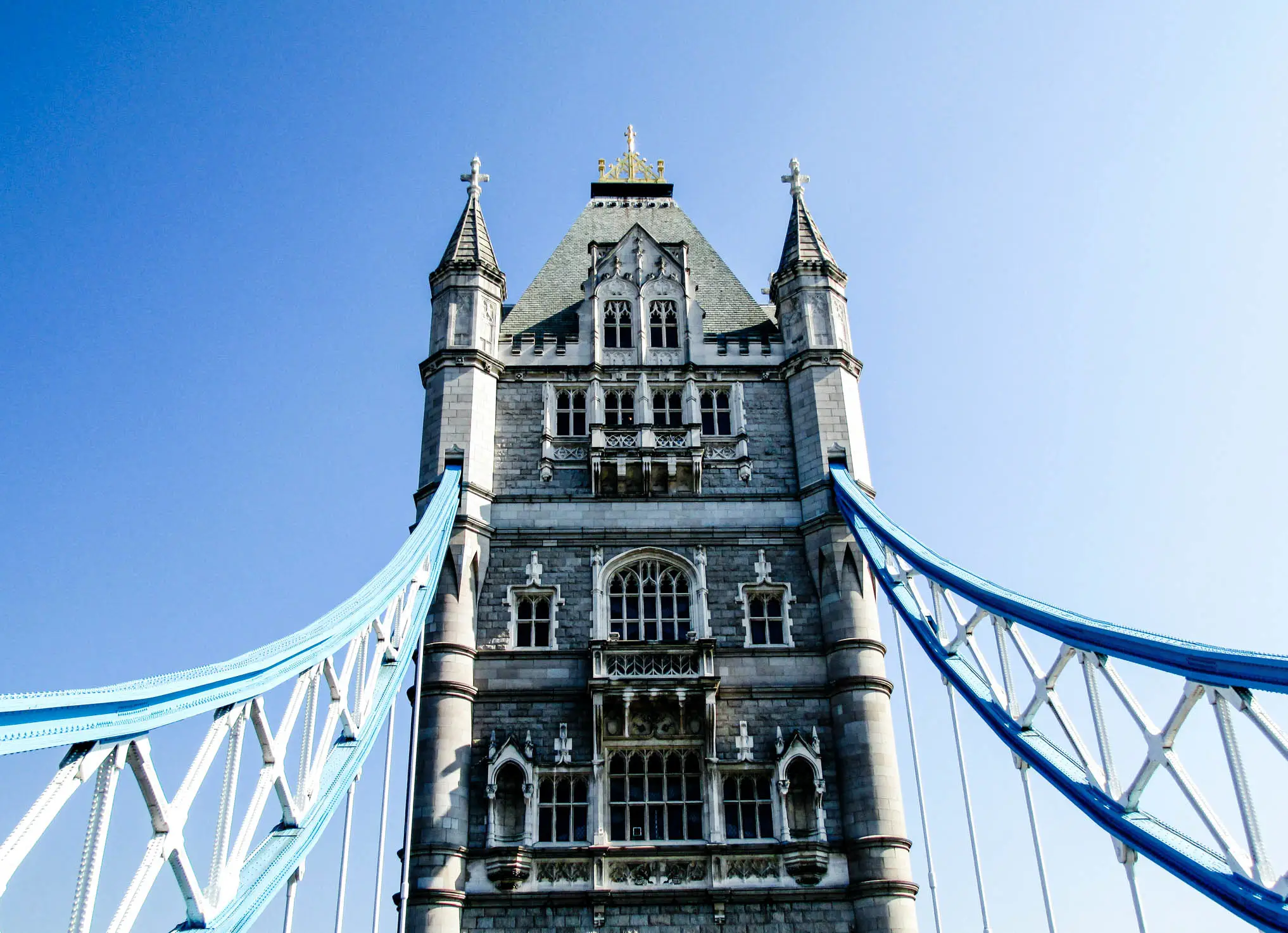
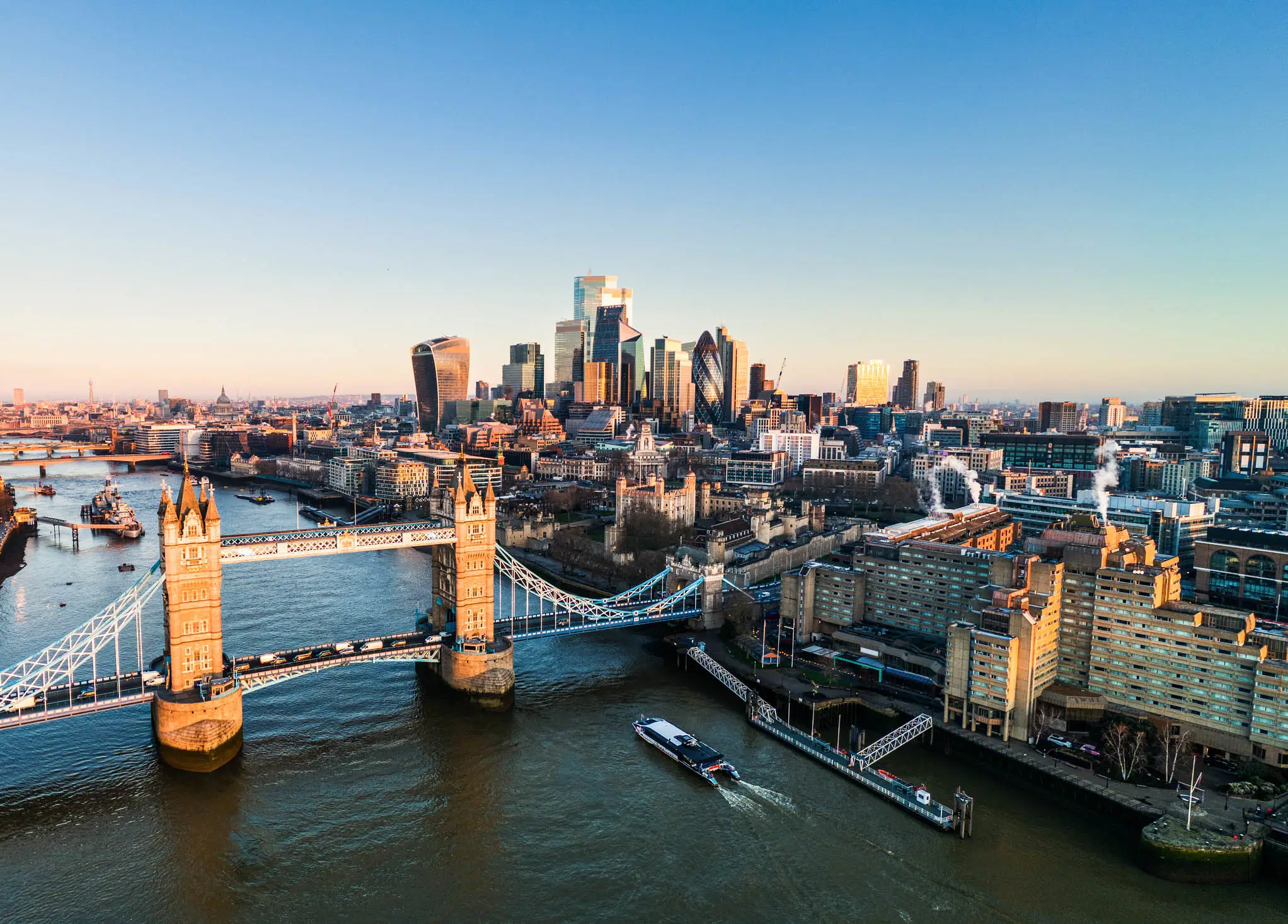
Day 2 — The Tower of London and Tower Bridge in the morning, the British Museum in the afternoon, a West End show at night.
Day 3 — A neighborhood day: Borough Market, the galleries of the South Bank or the shops of Covent Garden, and a walk through Hyde Park.
A fourth day gives you a choice: go deeper into the city, or take a short trip west to Windsor Castle — the oldest inhabited castle in the world and still a royal residence. Easy to reach by train, this half-day-plus trip pairs royal pageantry with a change of pace from the capital's crowds. You're back in the city in time for dinner and, if you wish, a second evening show.
Days 1–3 — The London essentials.
Day 4 — Windsor Castle and the town, then an evening back in the city.
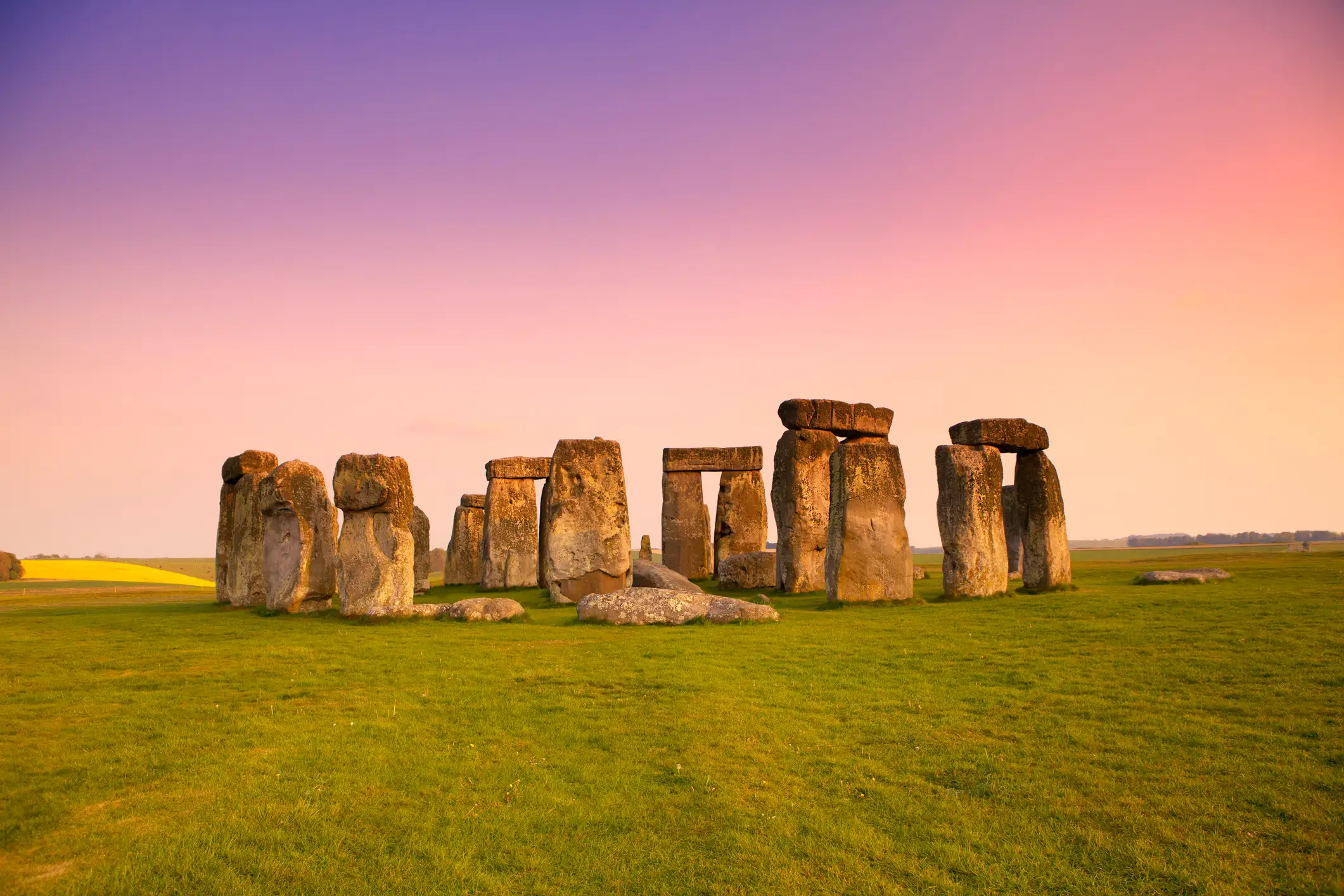
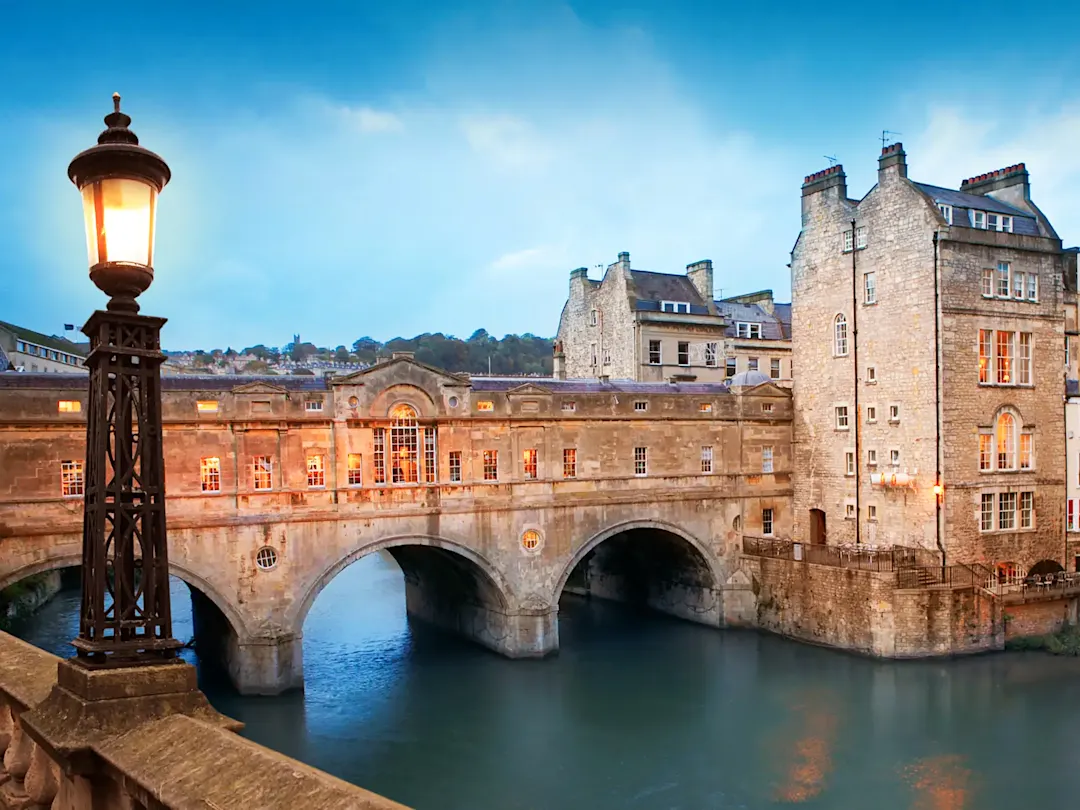
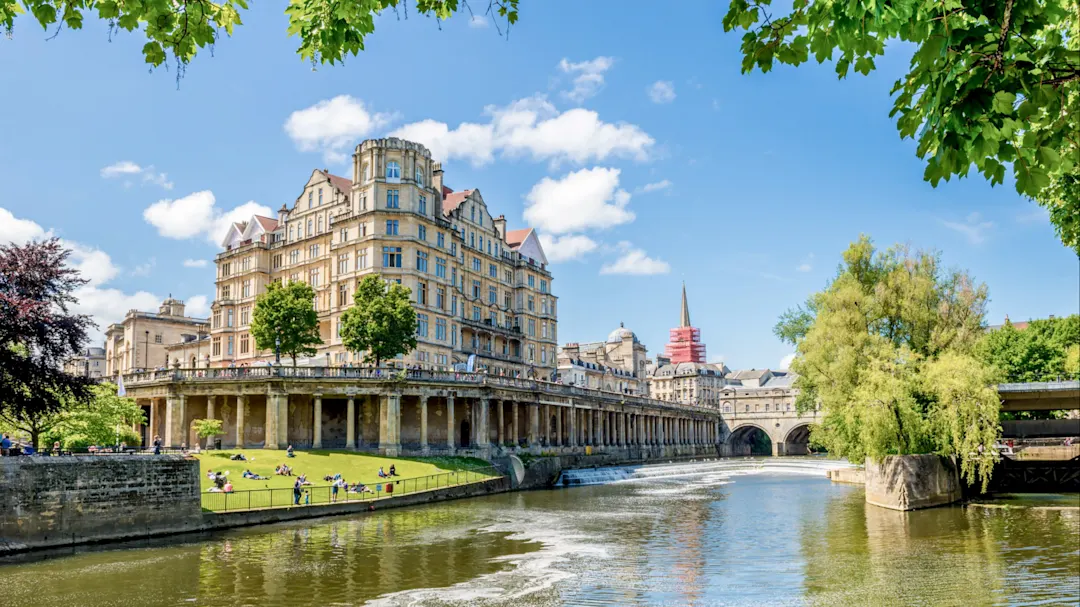
With five or six days, London becomes a base for the surrounding area. The signature day out pairs Stonehenge and Bath: the ancient stone circle and the honey-hued Georgian city with its Roman baths, a full day that resets the trip in the middle. Oxford's colleges and the Cotswolds villages offer a more relaxed counterpoint. Your London days sit on either side, richer for the contrast.
Days 1–3 — London in depth.
Day 4 — A full-day excursion to Stonehenge and Bath.
Days 5–6 — Oxford and the Cotswolds, or more of London's museums and markets.
A city offering more than time allows
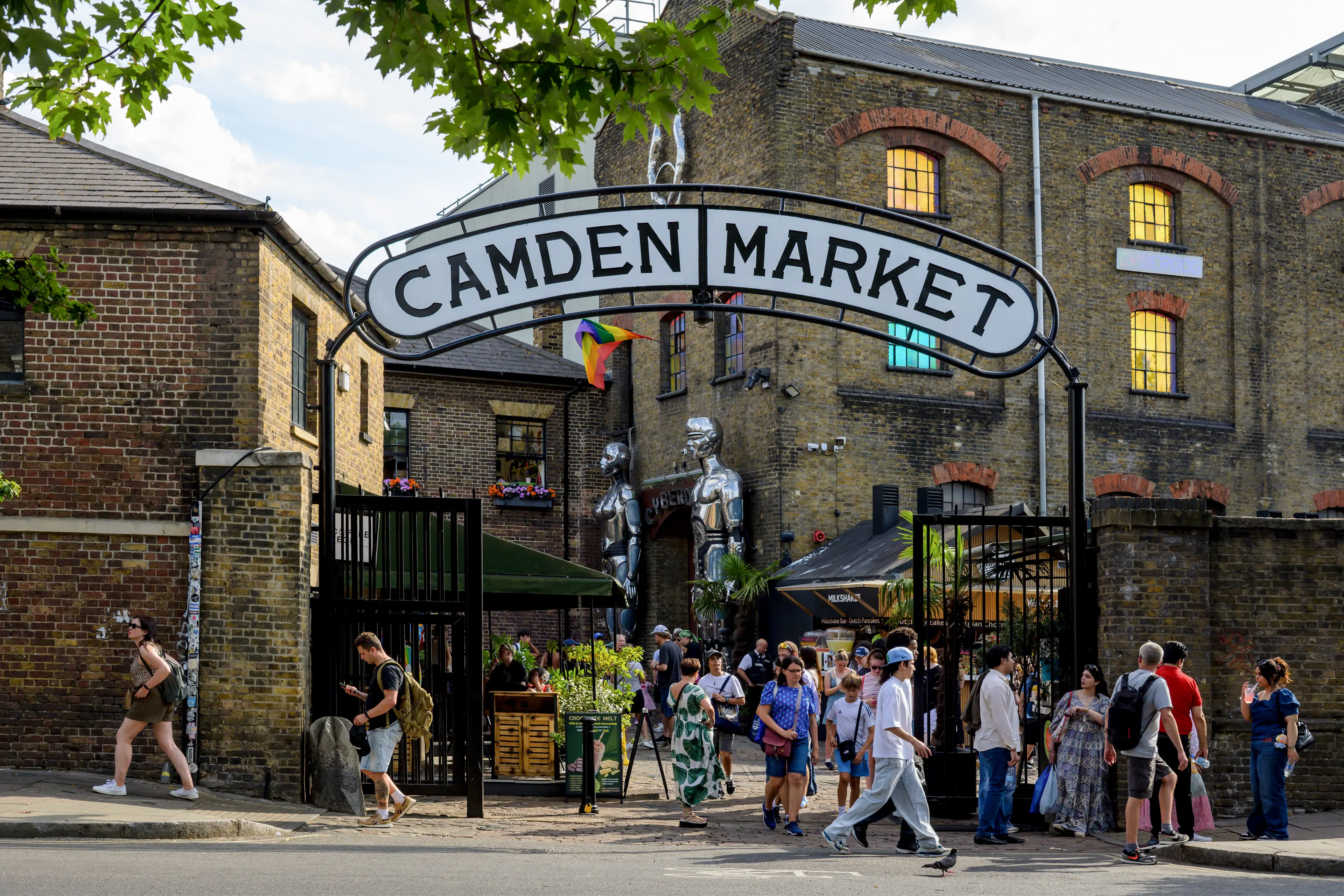
London's only real limit is the sheer scale of what it offers. You'll find more world-class museums here, many of them free, than many entire countries hold. There are also theaters, markets, and neighborhoods like Notting Hill, Shoreditch, and Greenwich, each worth a full afternoon. You won't run out of things to see in London. You'll run out of time. The more you want to explore the city, the longer you should stay. Few travelers ever regret an extra day. For attractions worth including in your itinerary, check out our guide on things to do in London.
Delving deeper or exploring the surroundings
Once the first three days have passed, the decision becomes a matter of direction. Stay in the city, and the options keep coming: another day for museums, a boat trip to Greenwich, or an evening at the opera. Venture outside, and the classic destinations are easy to reach: Windsor for royal history, Stonehenge and Bath for ancient sites and Georgian architecture, Oxford and the Cotswolds for university spires and stone villages. Trains make day trips easy, so venturing out buys you scenery rather than half a day in transit. Want to explore more of Great Britain? See our England road trip guide.
Budget for a pricey capital
London is one of Europe's most expensive cities, a factor that shapes your trip as much as the itinerary itself. Hotel and restaurant costs add up fast, so a central base is worth paying for. It buys back time you'd otherwise lose commuting. Balance paid attractions with free ones — the British Museum, the National Gallery, the Tate — and get an Oyster card or use contactless for the Underground. This is a factor when deciding not only where to stay, but how long.
When to visit
Summer (June–August) is when London is at its liveliest: long, warm days and the parks in full use, though it is also the busiest and most expensive season. Spring and early autumn offer milder weather, smaller crowds, and the gardens or golden light. Winter is cool, damp, and dark early, yet the city turns festive, and the theater and museum seasons are in full swing. Whenever you come, pack for rain. For a month-by-month breakdown, see the best time to visit London.