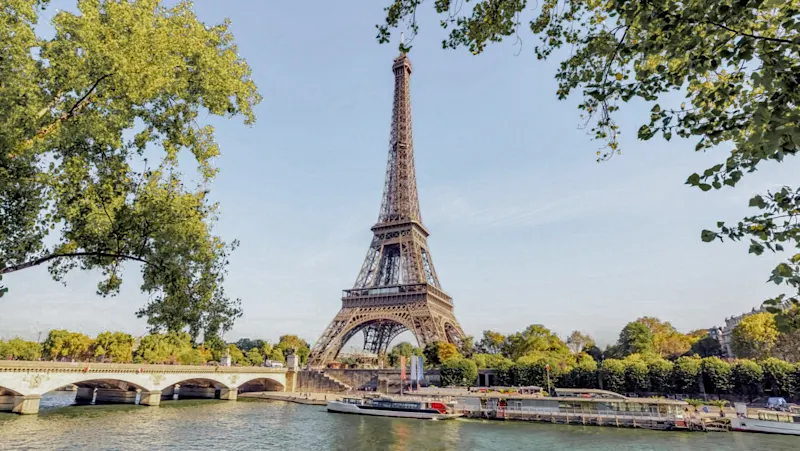
How many days in Paris?
The right length for Paris, from the Louvre and the Eiffel Tower to Versailles, Giverny, and the Champagne country
Plan your Trip
Your tailor-made itinerary – No cost, no commitment
Excellent
4.6 of 5
6,137Reviews
Excellent
Recommended trip duration
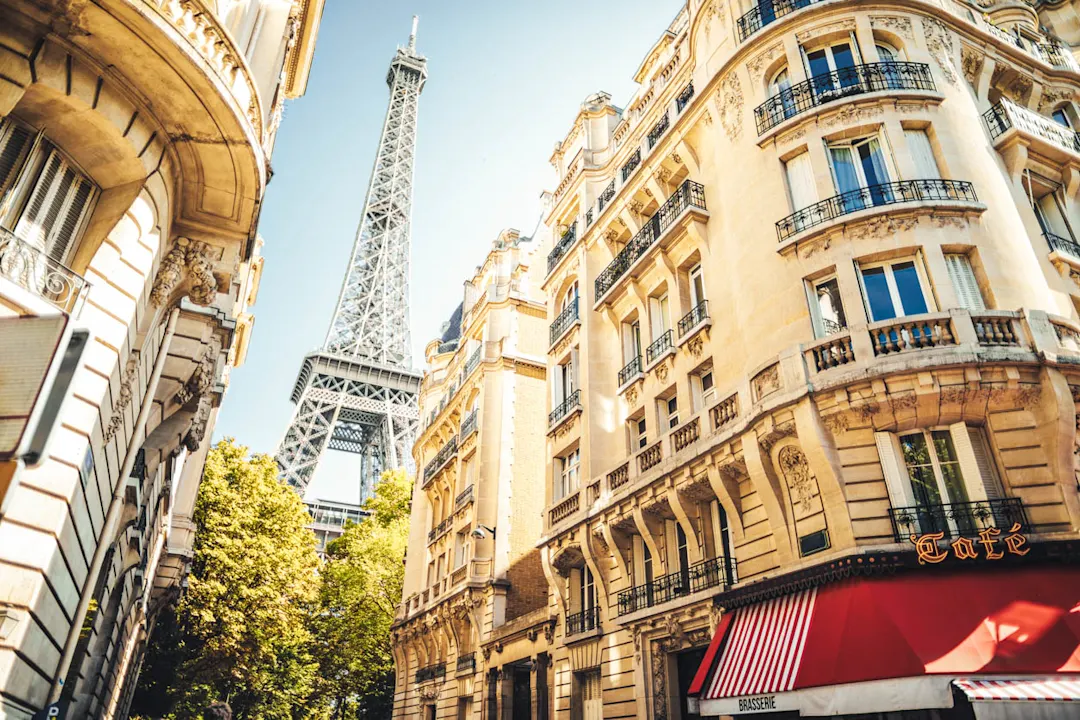
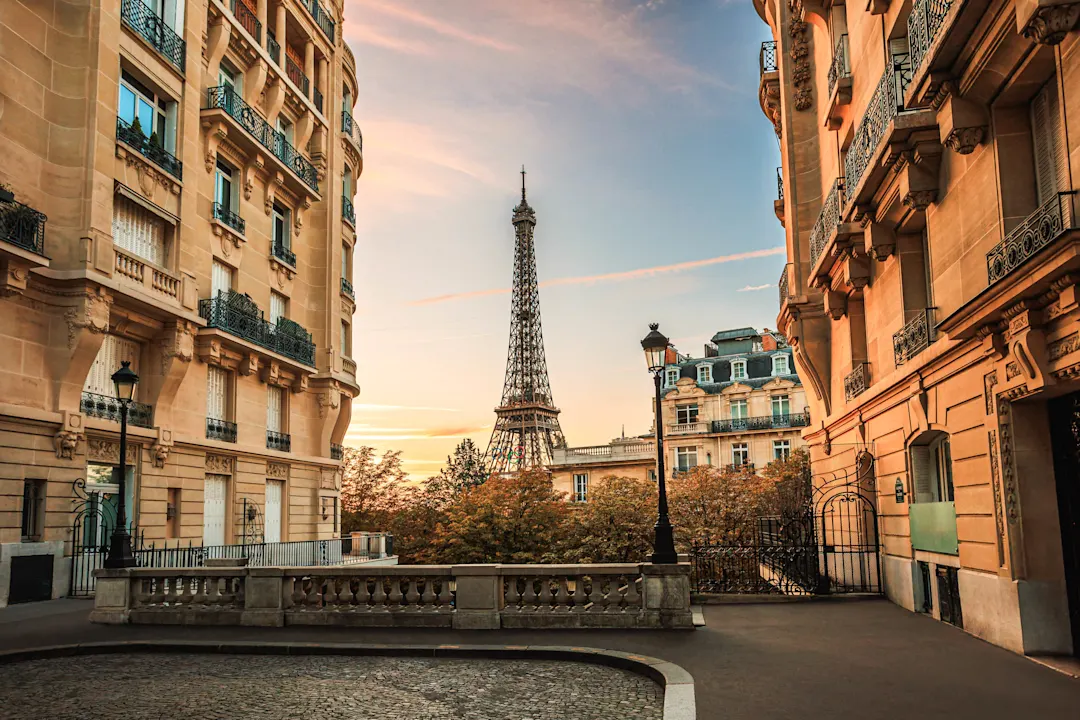
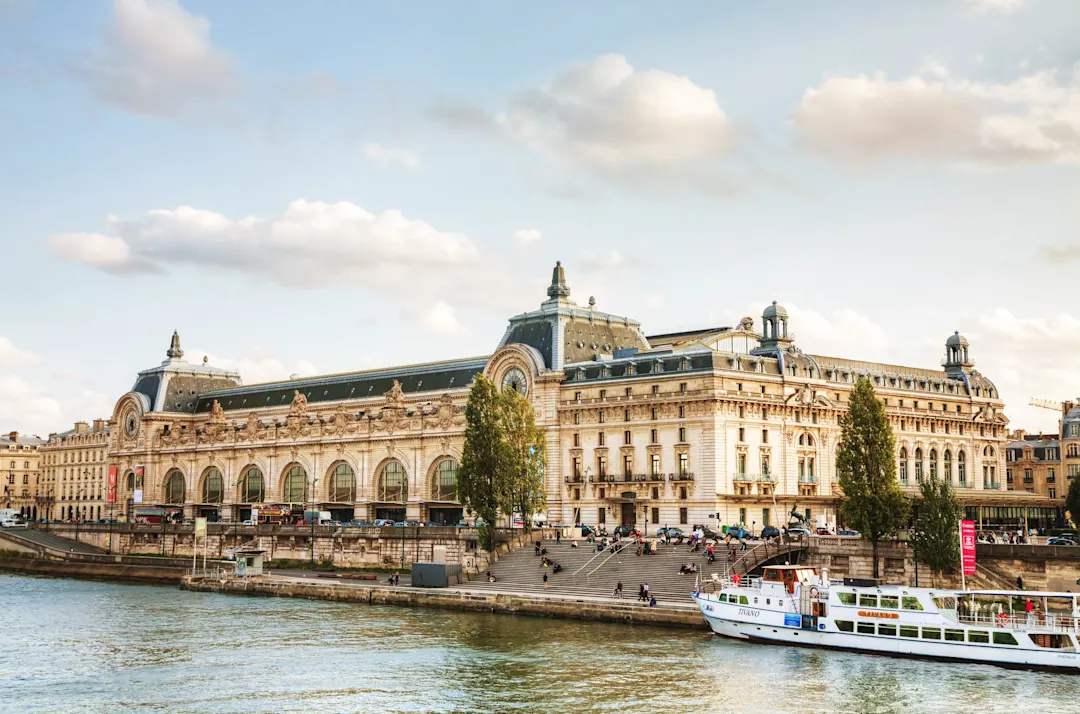
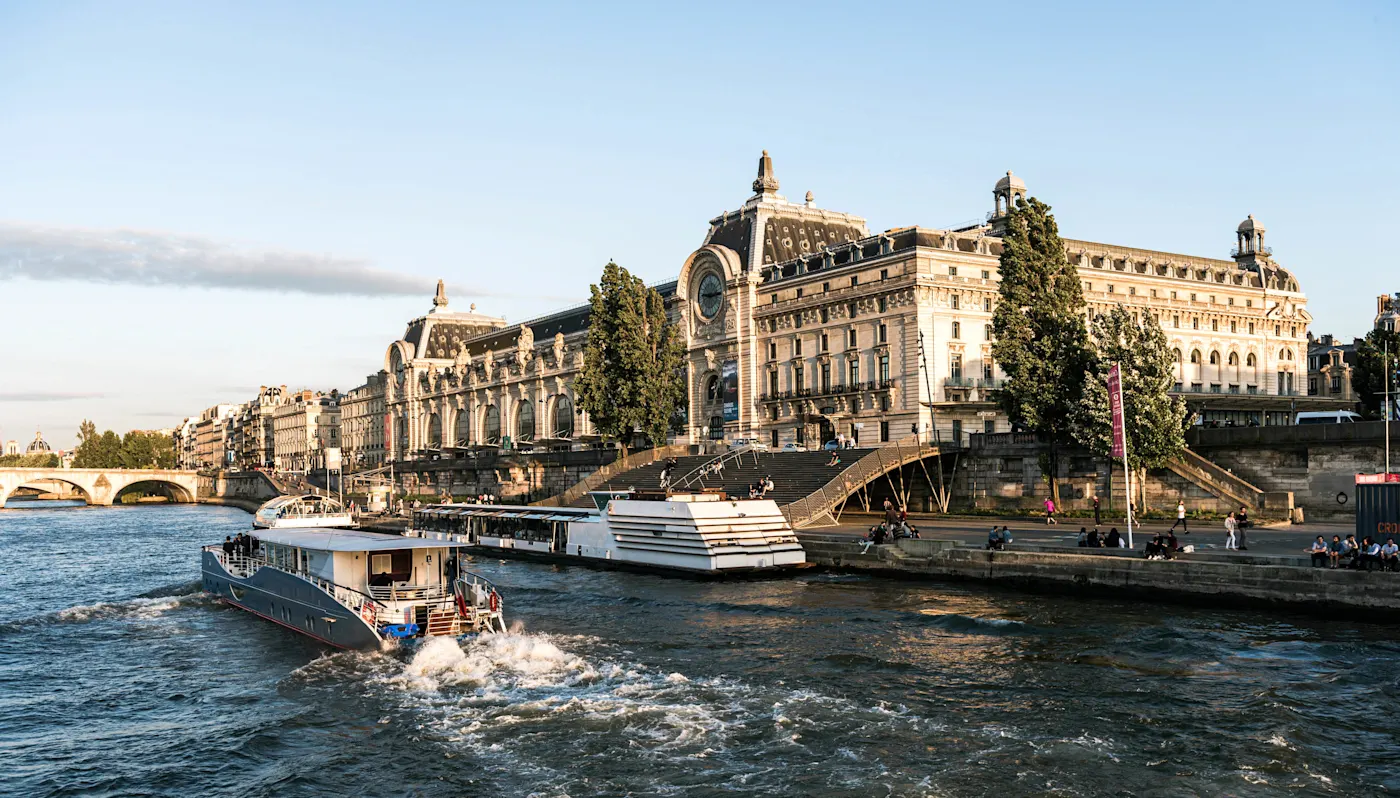
Paris tempts visitors to see it all in a weekend, only to quietly punish the attempt. It's a matter of arithmetic. The Louvre alone can take a full day, and the Musée d'Orsay another half. That's before the Eiffel Tower, Notre-Dame and the Île de la Cité, Montmartre, or the simple pleasure of sitting at a café and watching the city go by — which the French treat as a legitimate way to spend an afternoon. Three days is the real starting point for a first visit. A fourth or fifth day lets you slow to the Parisian pace, or take a day trip to the Hall of Mirrors at Versailles or the cellars of Champagne. Paris rewards patience, so give it more time than you think you need.
Lisa Robin
Travel Expert for France
Updated on 09/09/2026
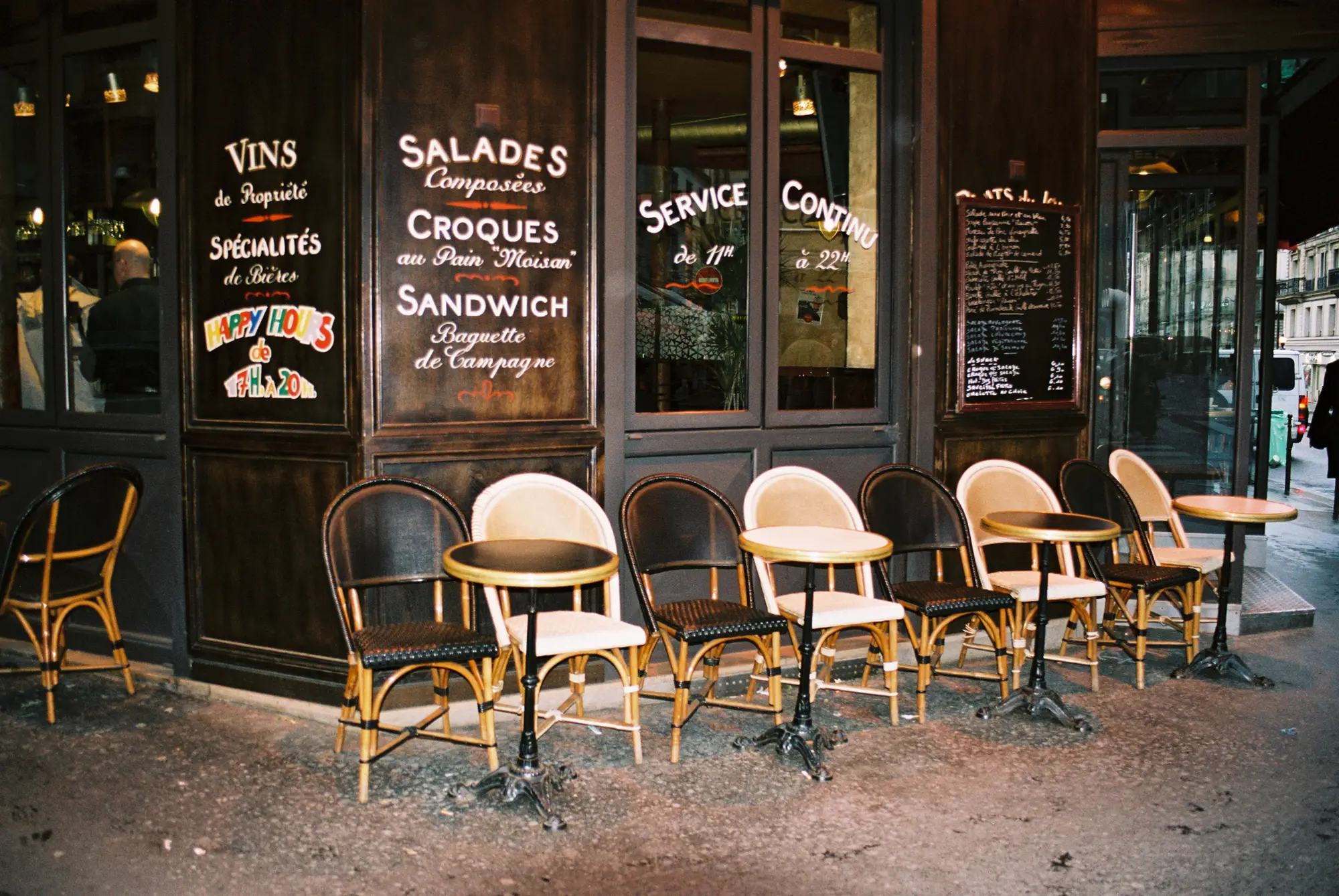
Many Paris attractions need timed-entry tickets, so you plan around time slots, not just days. The Louvre alone can take a full day, and the Orsay another half. Three days is the absolute minimum for a first visit. That covers the Louvre, the Eiffel Tower, Notre-Dame and the islands, and Montmartre, plus a Seine cruise. Beyond that, the choice is deeper Paris or the area around it.
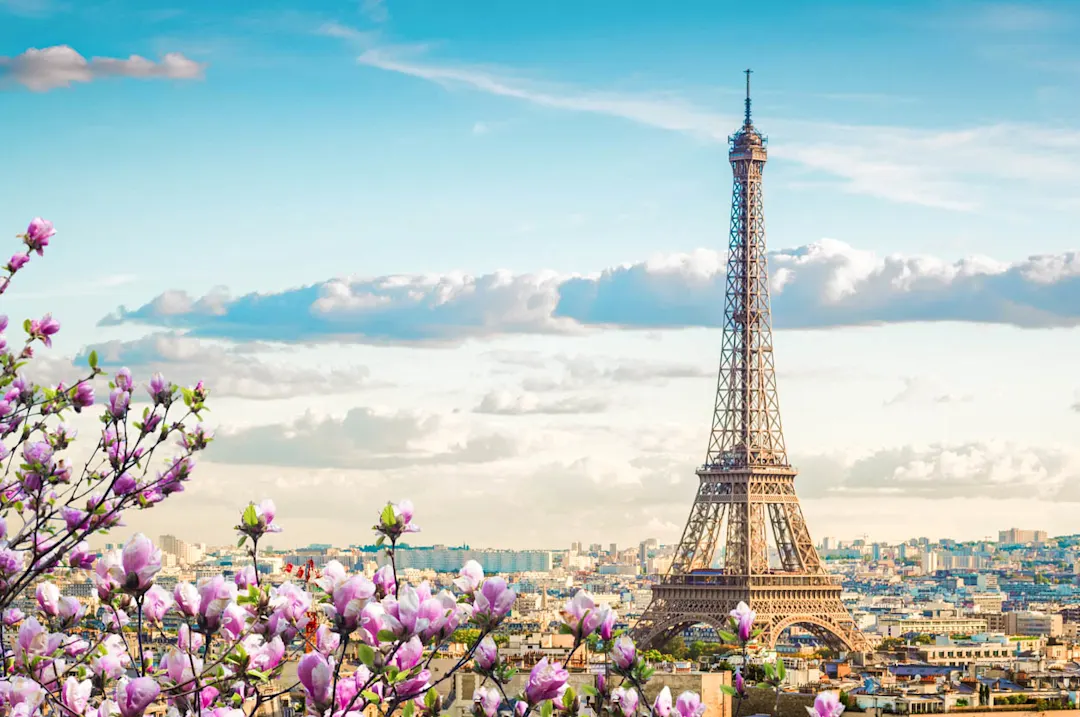
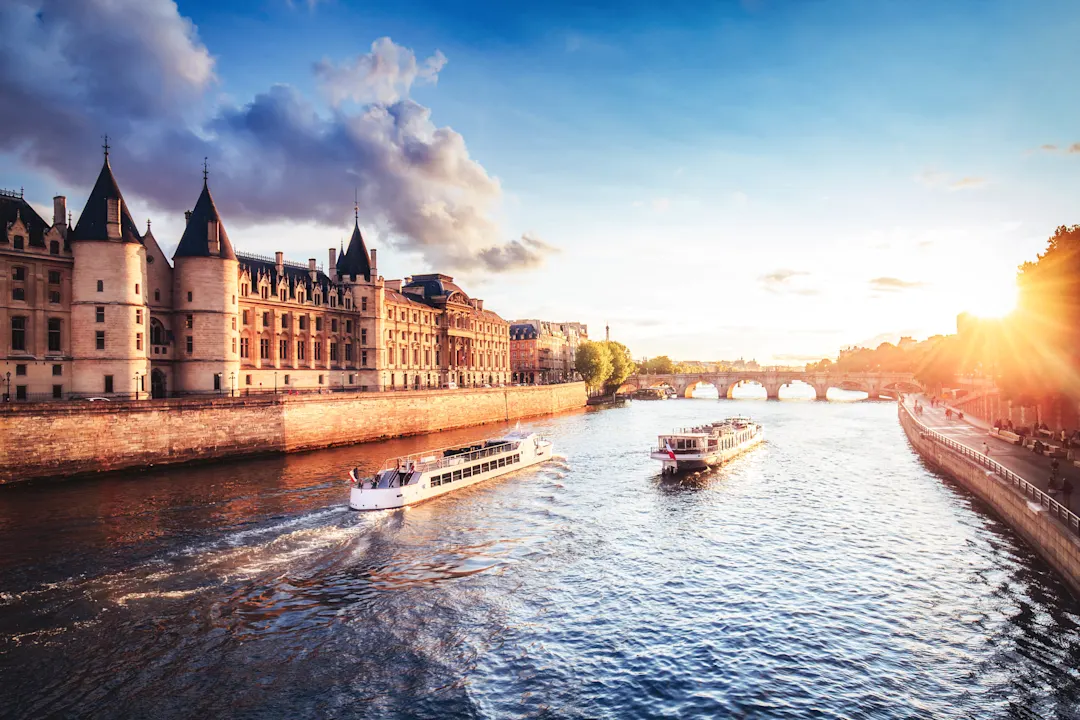
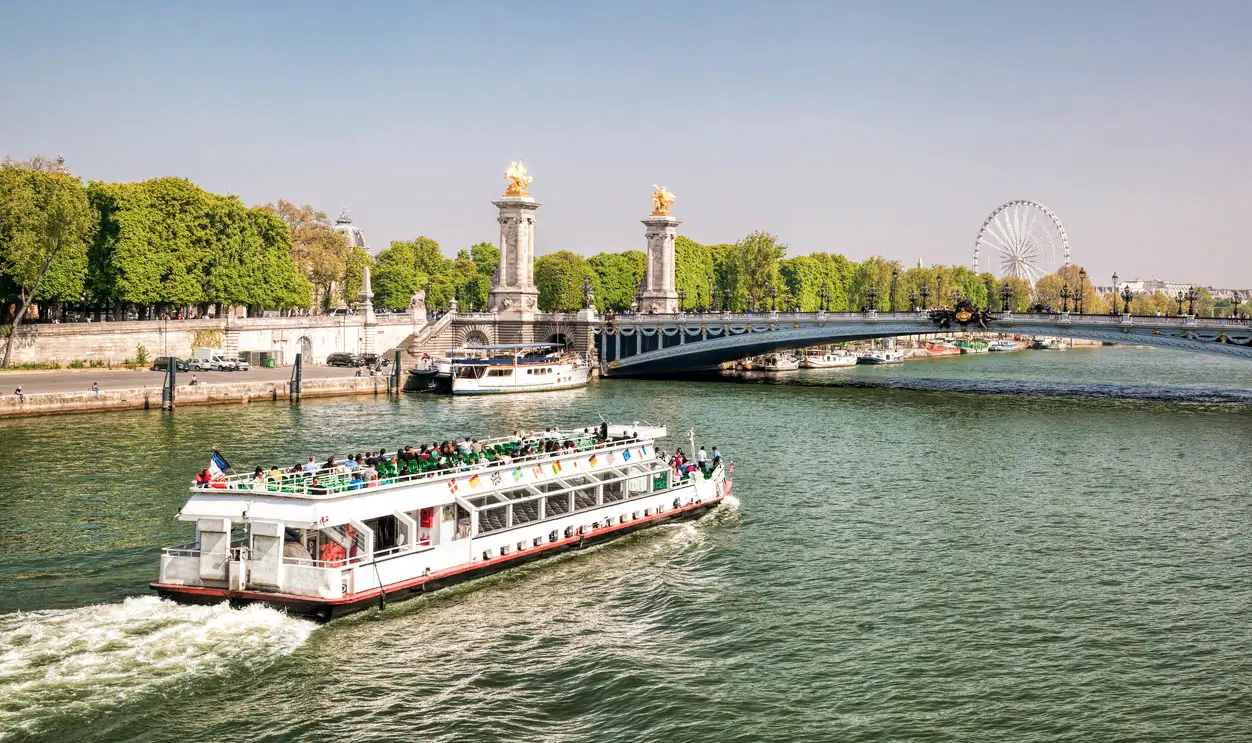
3 days — The essentials. The Louvre, the Eiffel Tower, Notre-Dame and the islands, Montmartre, and a Seine cruise.
4 days — More of the city, or a day at Versailles or Giverny.
5–6 days — Paris in depth, with excursions to Champagne, the Loire châteaux, or Normandy.
| Days in Paris | Best for | Combine with — wider route |
|---|---|---|
| 3 days | The first-time essentials | Paris + the Louvre + the Eiffel Tower |
| 3 days | One stop on a Europe tour | Paris ▸ Barcelona ▸ Rome |
| 4 days | The city plus a palace day | Paris + Versailles |
| 5 days | Paris and the Champagne country | Paris + Épernay |
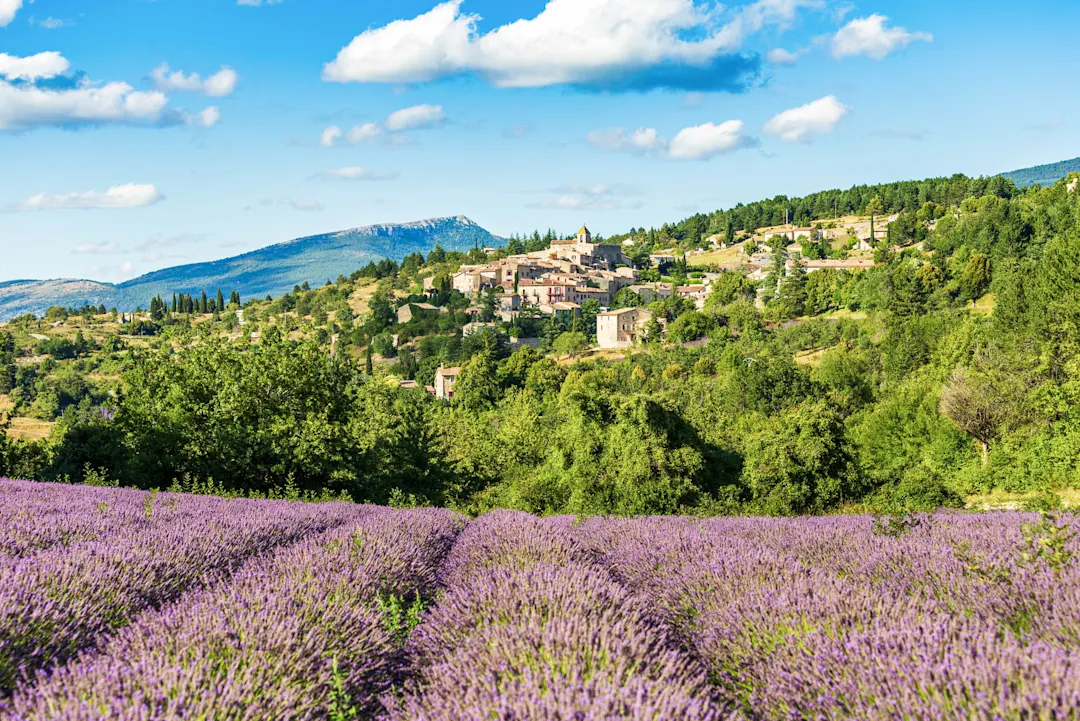
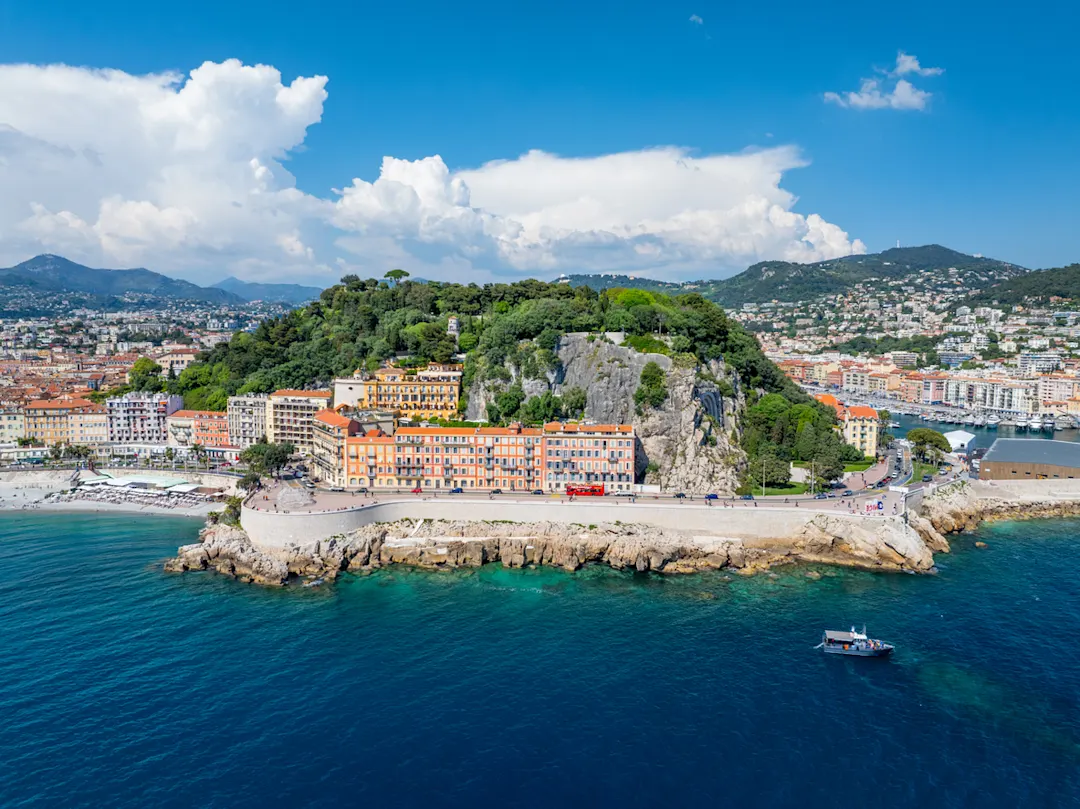
| 6+ days | The gateway to France | Paris ▸ Lyon ▸ Nice & Provence |
These stages are a guide, not a fixed route. Every trip is tailored to you.

Plan for free
Custom holiday packages and trips that fit your budget

Personalized for you
Itineraries built exactly to your needs

Private VIP guides
A personal English-speaking, native-European travel expert for every step

Peace-of-mind support
Full service assistance before, during, and after your trip
Three days is the ideal minimum, provided you stick to your booked time slots. Almost all the major attractions — the Louvre, Eiffel Tower, Musée d'Orsay — now need a specific time slot. Plan these first, and organize the rest of the day around them. Group attractions by neighborhood, use the metro for longer distances, and leave time to wander freely. That's the real beauty of Paris.
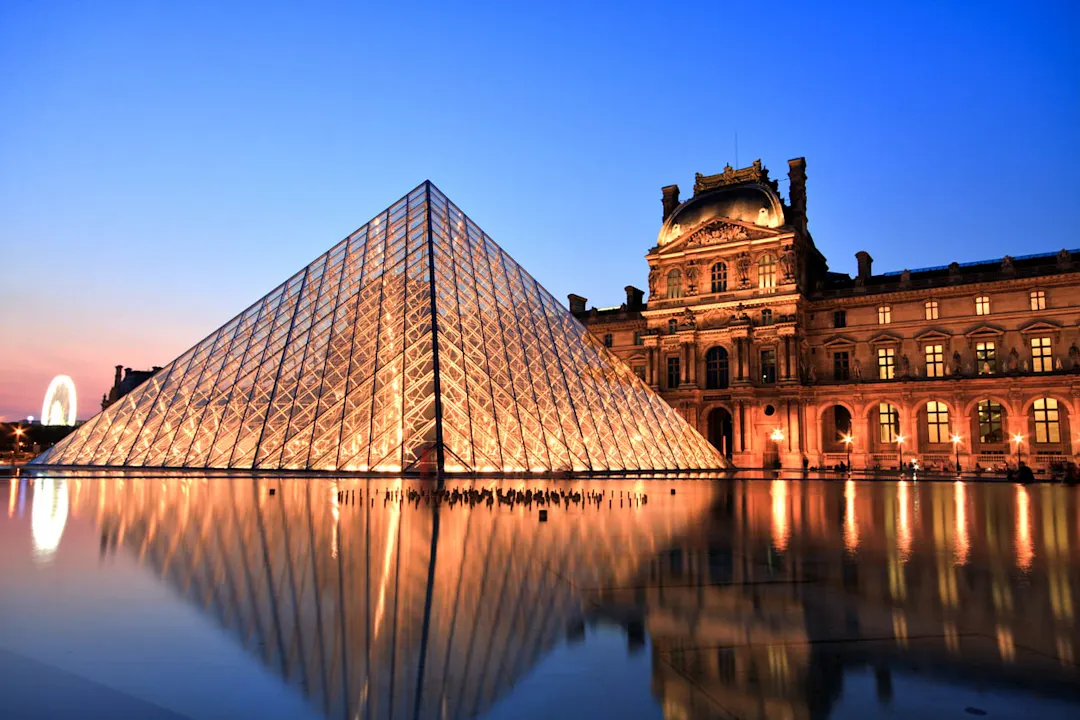
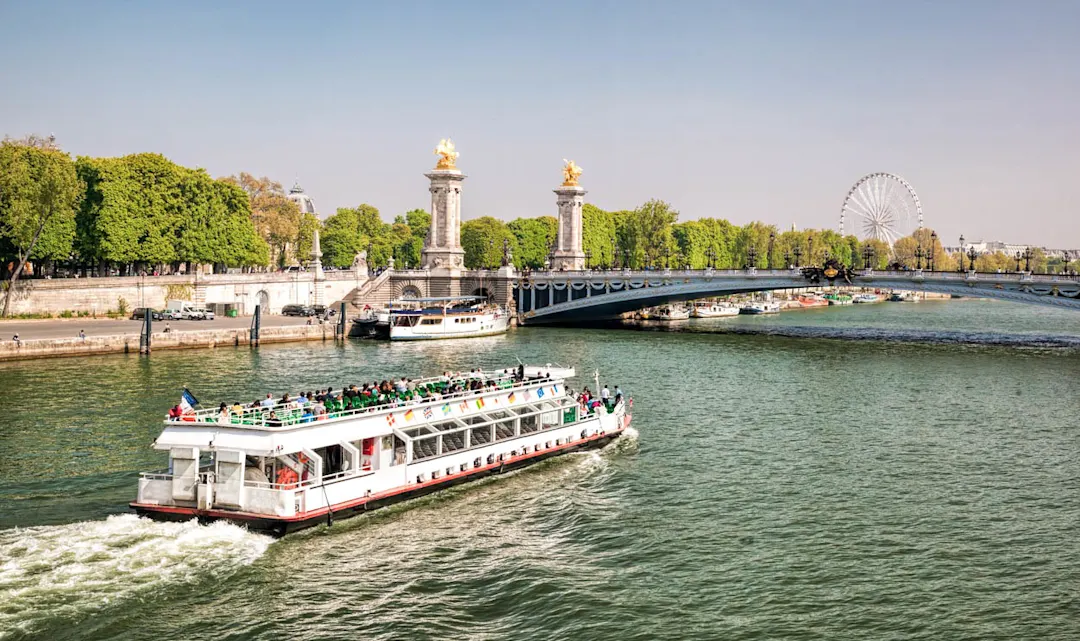
Day 1 — The Louvre in the morning, then the Tuileries to the Île de la Cité for Notre-Dame and Sainte-Chapelle, and a Seine cruise at dusk.
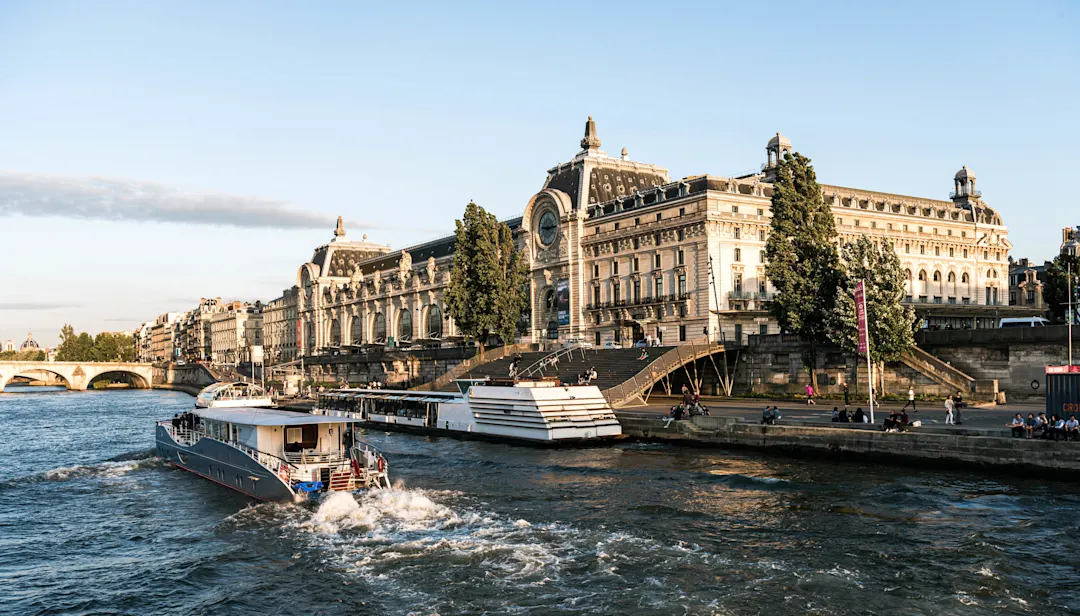
Day 2 — The Eiffel Tower and the Champ de Mars, the Musée d'Orsay, then a walk through Saint-Germain and the Latin Quarter.
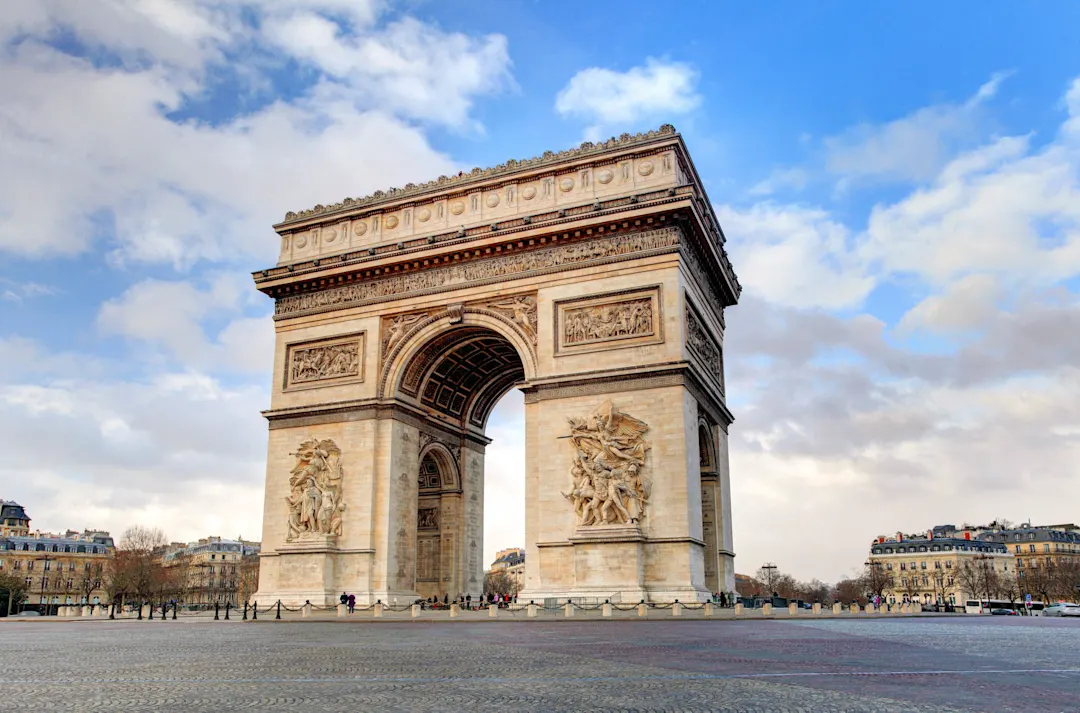
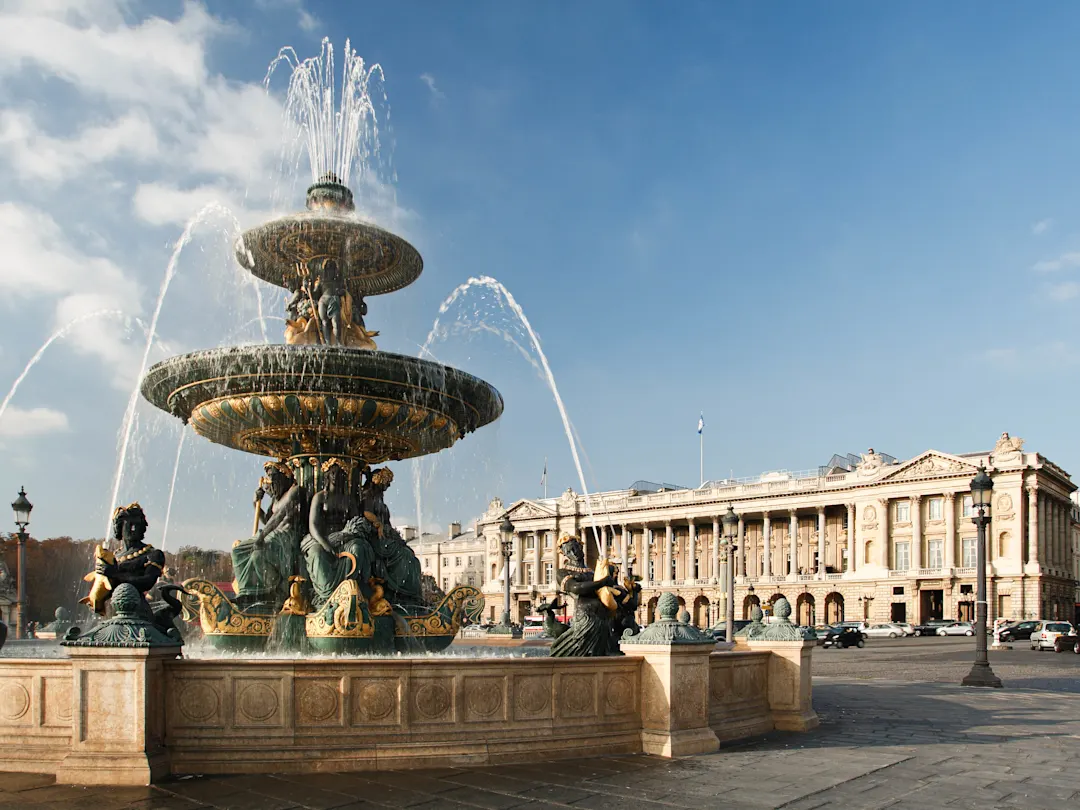
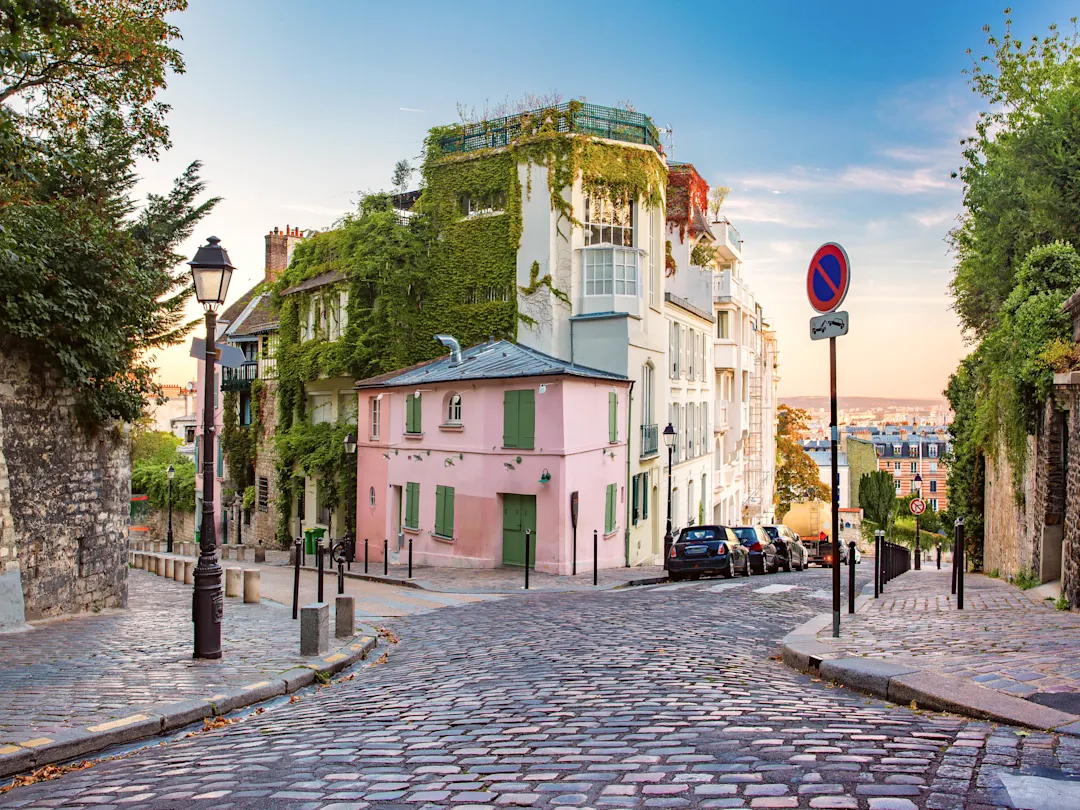
Day 3 — Montmartre and the Sacré-Cœur in the morning, the Marais and its cafés in the afternoon, the Arc de Triomphe and the Champs-Élysées to close.
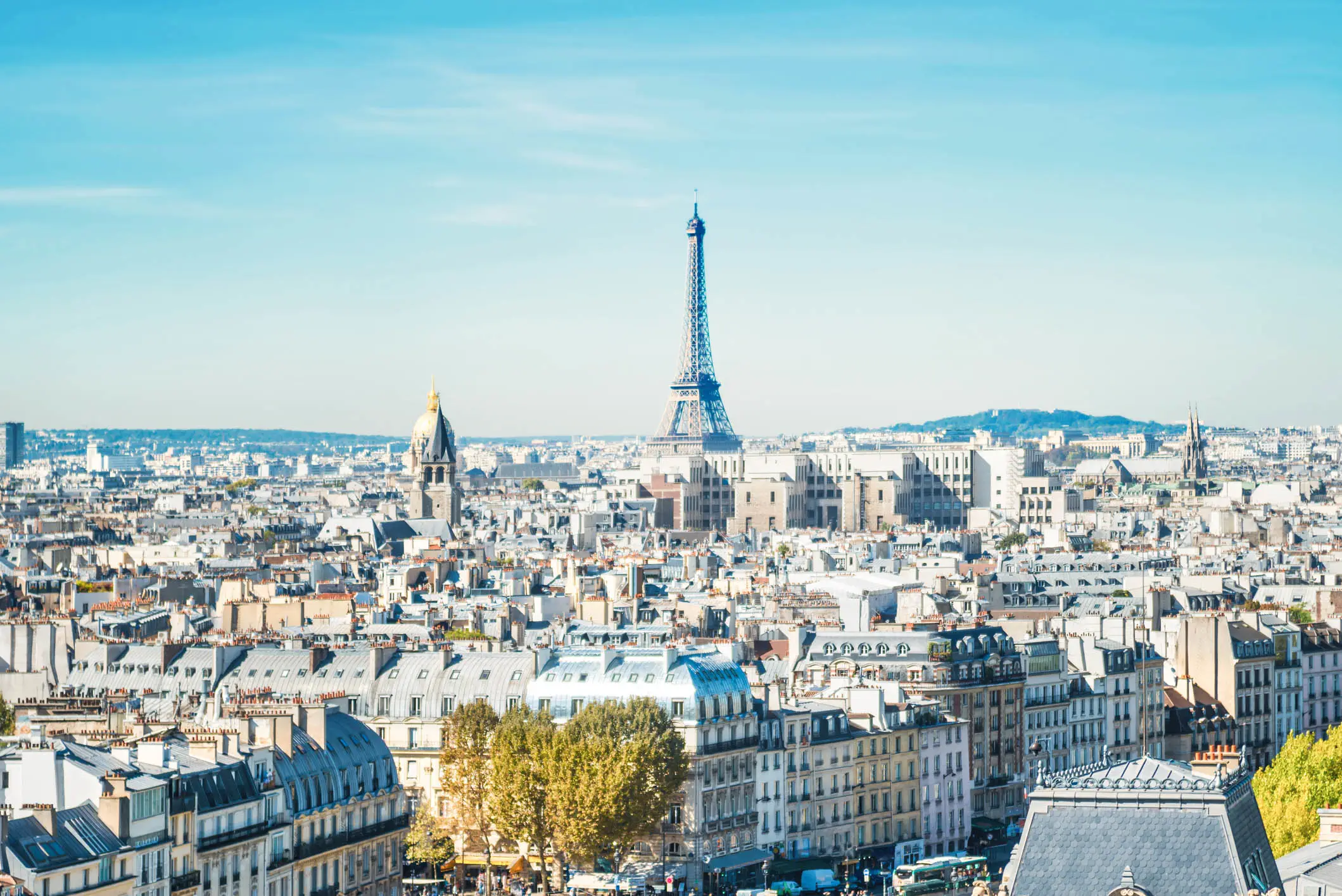
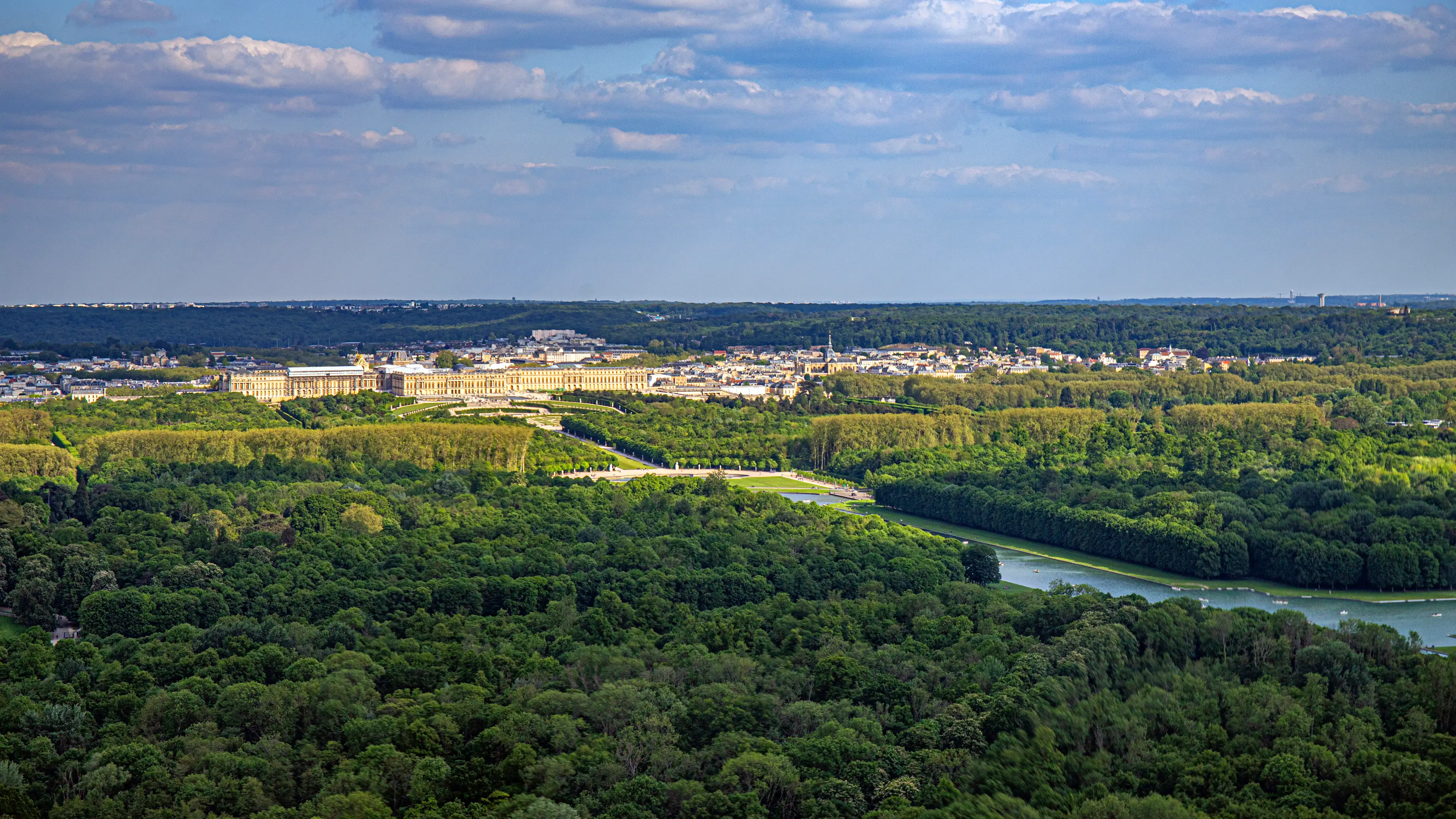
Day four is best spent at Versailles — the Sun King's palace, with the Hall of Mirrors and vast gardens. It sits a short train ride southwest of the city and needs a full day. Book priority entry and arrive early, before the tour groups crowd the Hall of Mirrors. If royal palaces aren't your style, Giverny and Monet's water lily gardens offer a gentler alternative. Either way, you'll be back in Paris in time for dinner.
Days 1–3 — The Paris essentials.
Day 4 — Versailles and its gardens, or Giverny and Monet's house.
Five or six days let you use Paris as a base for the regions within easy reach. A classic is Champagne: a drive to Épernay and Reims, a cellar tour to watch the bottle-turning and disgorgement, and a tasting that finally makes sense of the whole ritual. The châteaux of the Loire Valley or the D-Day beaches in Normandy also make memorable day trips. Your Paris days sit on either side, the richer for the contrast.
Days 1–3 — Paris in depth.
Day 4 — Versailles.
Days 5–6 — A day in Champagne, plus the Loire châteaux or Normandy.
Museums set the pace
Paris holds an artistic heritage that rivals almost any other city on earth, and that is the first factor setting the length of your trip. The Louvre could take a whole day, and you still might not see every gallery. The Musée d'Orsay, Centre Pompidou, Musée Rodin, and Musée de l'Orangerie each deserve a couple of hours. You choose what to visit, or you stay longer. There is no third option. Decide how much time you want for art before you settle on the number of nights. To discover attractions worth including in your itinerary, check out our guide to things to do in France.
Book time slots in advance
Paris runs on reservations now, more than most capitals. The Eiffel Tower, the Louvre, Versailles, the Catacombs, all sell timed entries that vanish weeks ahead in high season, and turning up on spec can cost you the sight or a two-hour queue. This shapes the trip's shape as much as its length: lock the big-ticket slots first, then arrange the flexible, wander-and-café days around them. It's the single best thing you can do to make three days feel like enough.
Delving into the city or exploring France
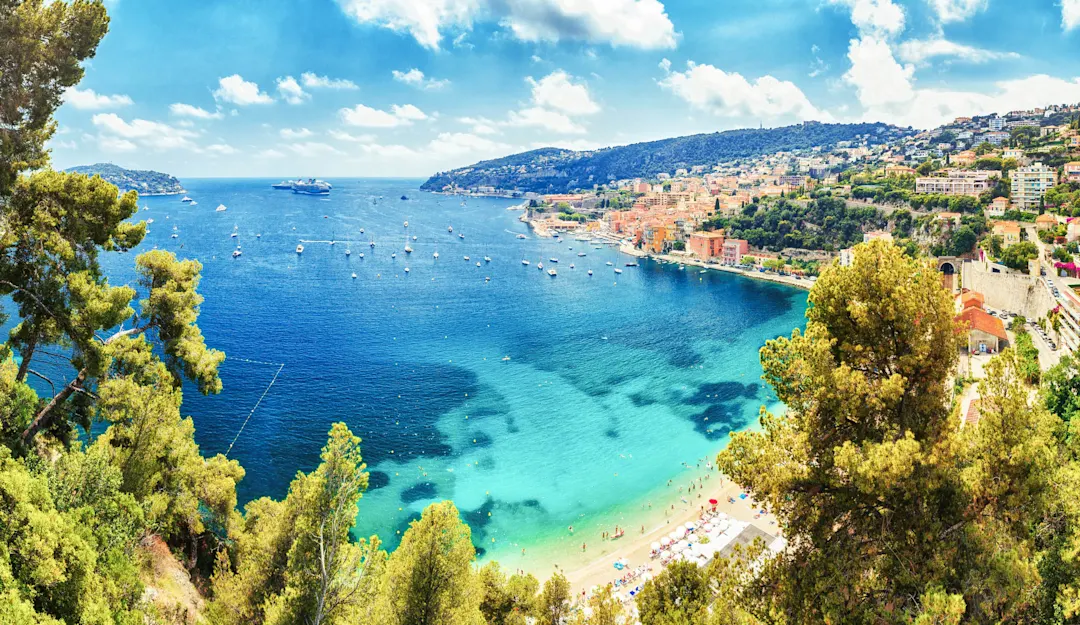
Once you've seen the must-see sights, the choice becomes a matter of direction. Stay in the city, and Paris keeps revealing itself: a quiet museum, a covered arcade, a street lined with shops and markets, or an evening at a wine bar. Venture outside, and the Île-de-France opens up fast. Versailles and Giverny are under an hour away, Champagne and the Loire Valley a little further, while Lyon, Provence, and the French Riviera connect by high-speed rail. Trains make day trips easy, so venturing out buys you scenery rather than lost hours. Want to visit other parts of the country? See the best time to visit France for regional timing.
When to visit
Spring (April–June) and early autumn (September–October) show Paris at its finest: soft light, flowers or changing foliage, and lively outdoor terraces, all without the summer crowds. Summer is warm and vibrant but crowded, and in August many Parisians leave the city, so some beloved local spots close. Winter is cold and often grey, yet romantic and quieter: the museums are calmer, and the boulevards are lit for the holidays. For a month-by-month breakdown, see the best time to visit Paris.