How many days in Lisbon?
The right length for Lisbon, from the trams and miradouros to the palaces of Sintra and the coast beyond
Plan your Trip
Your tailor-made itinerary – No cost, no commitment
Excellent
4.6 of 5
6,137Reviews
Excellent
Recommended trip duration
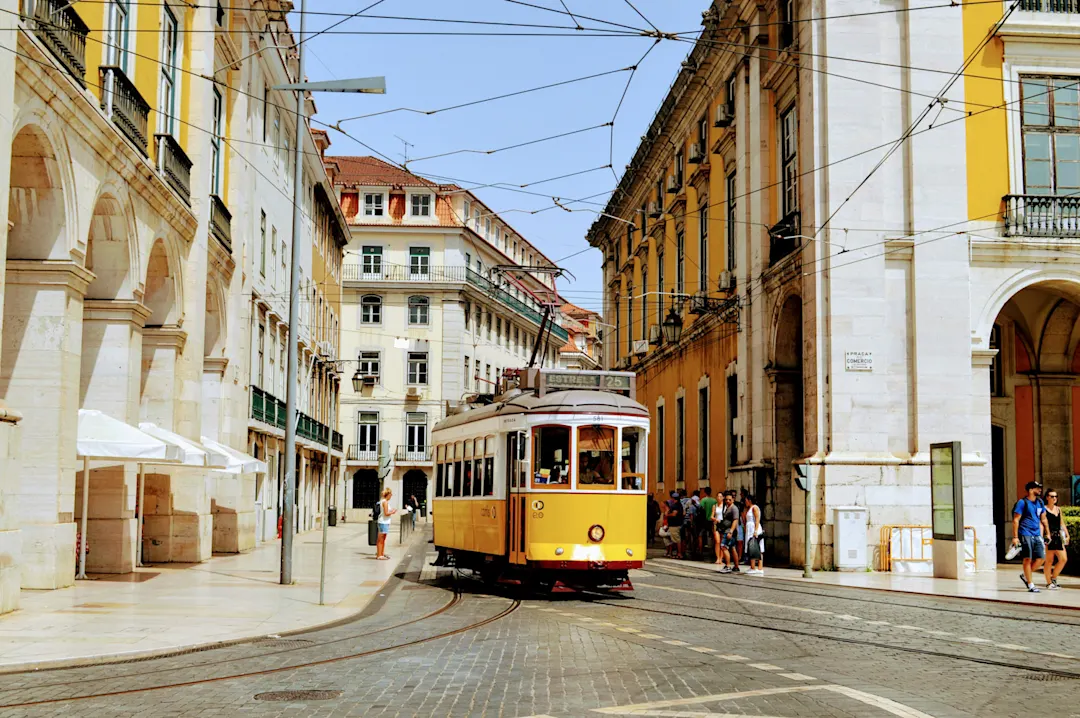
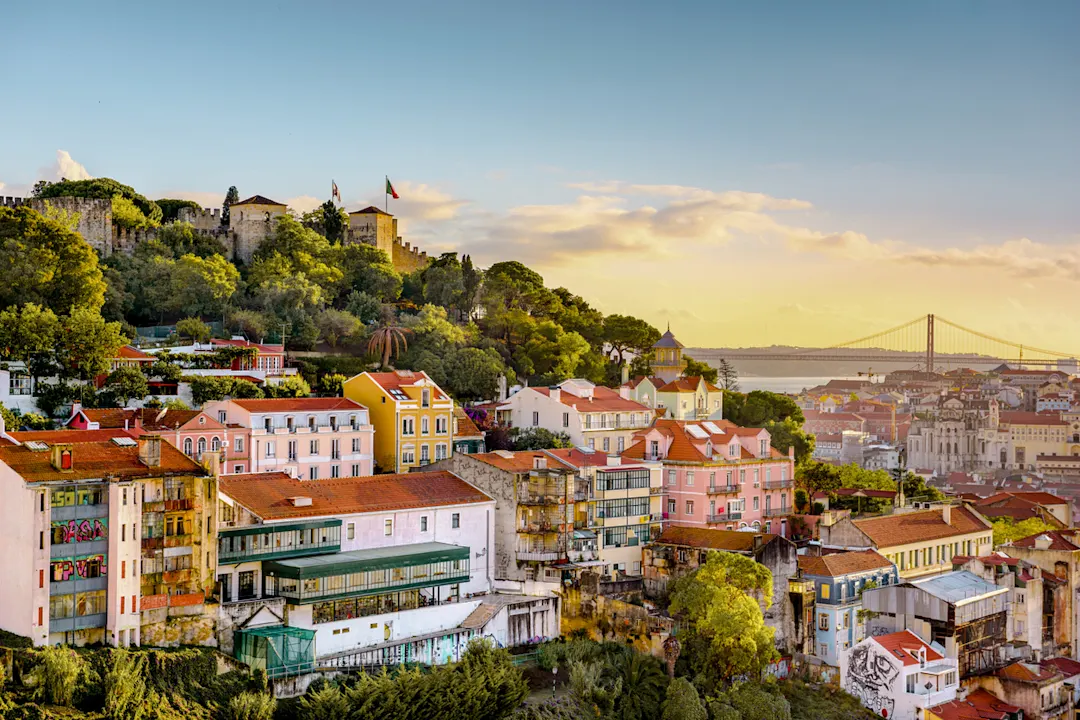
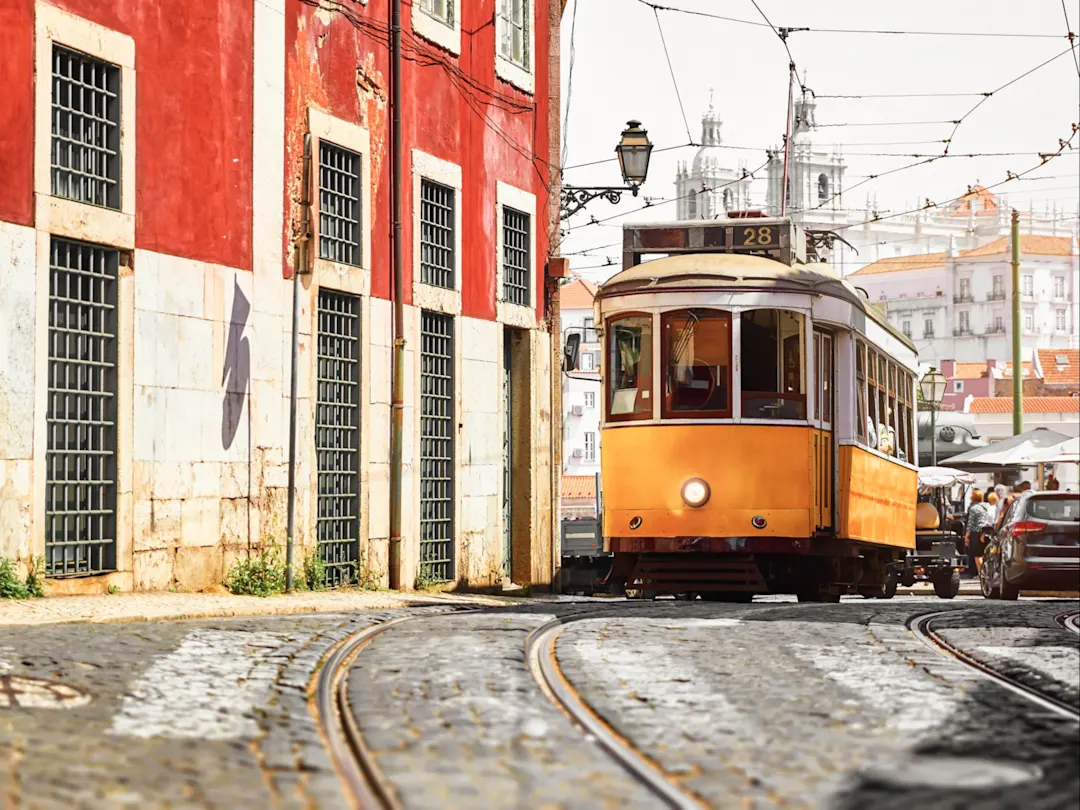
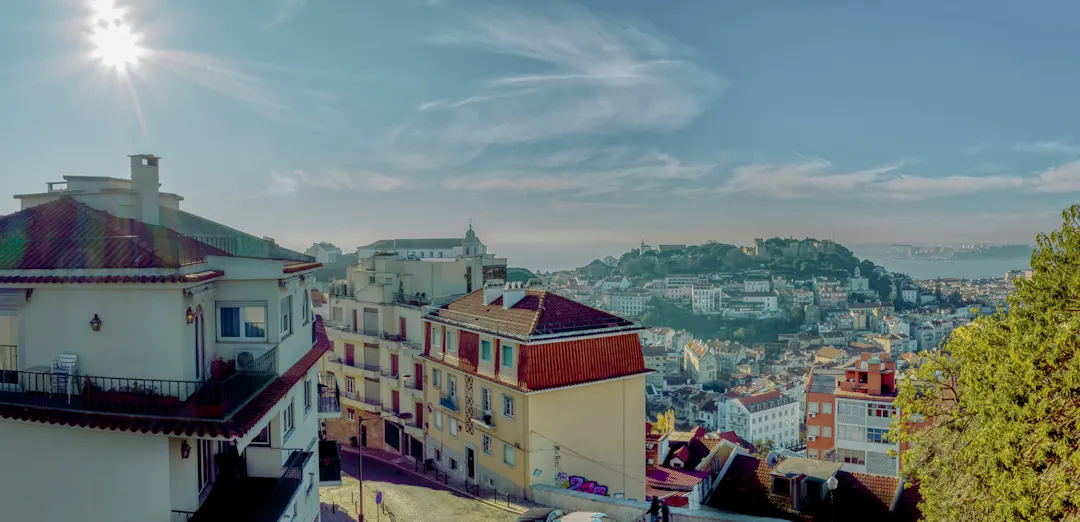
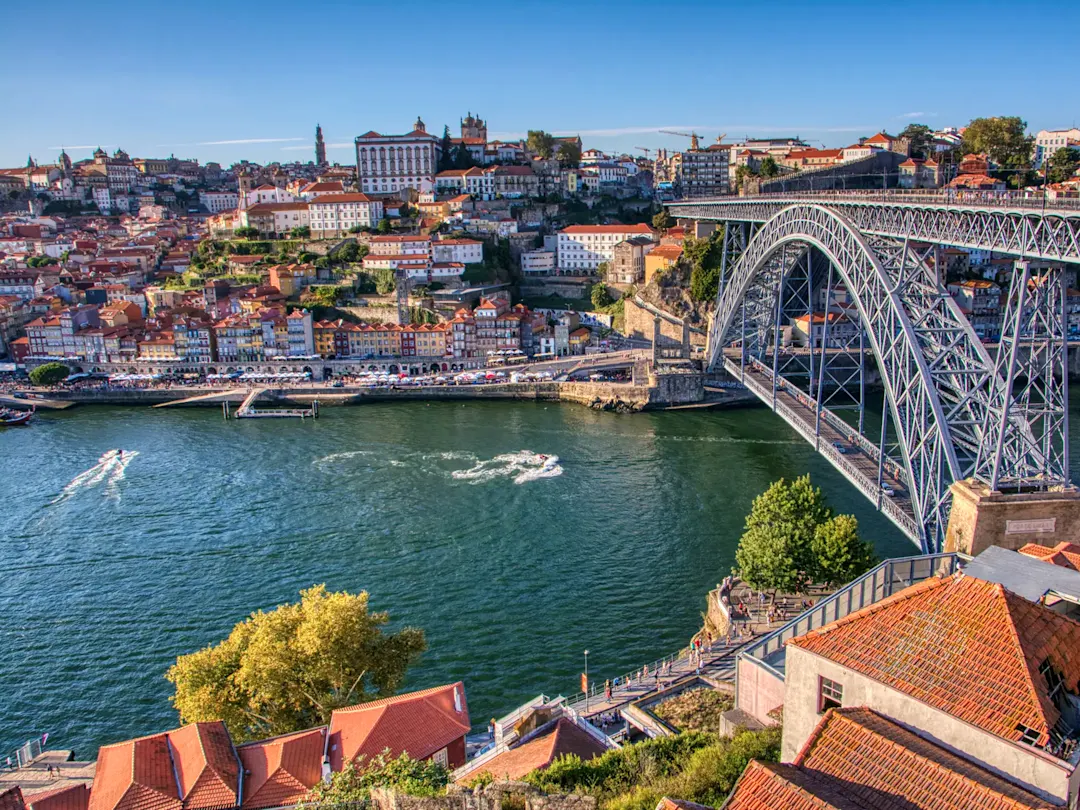
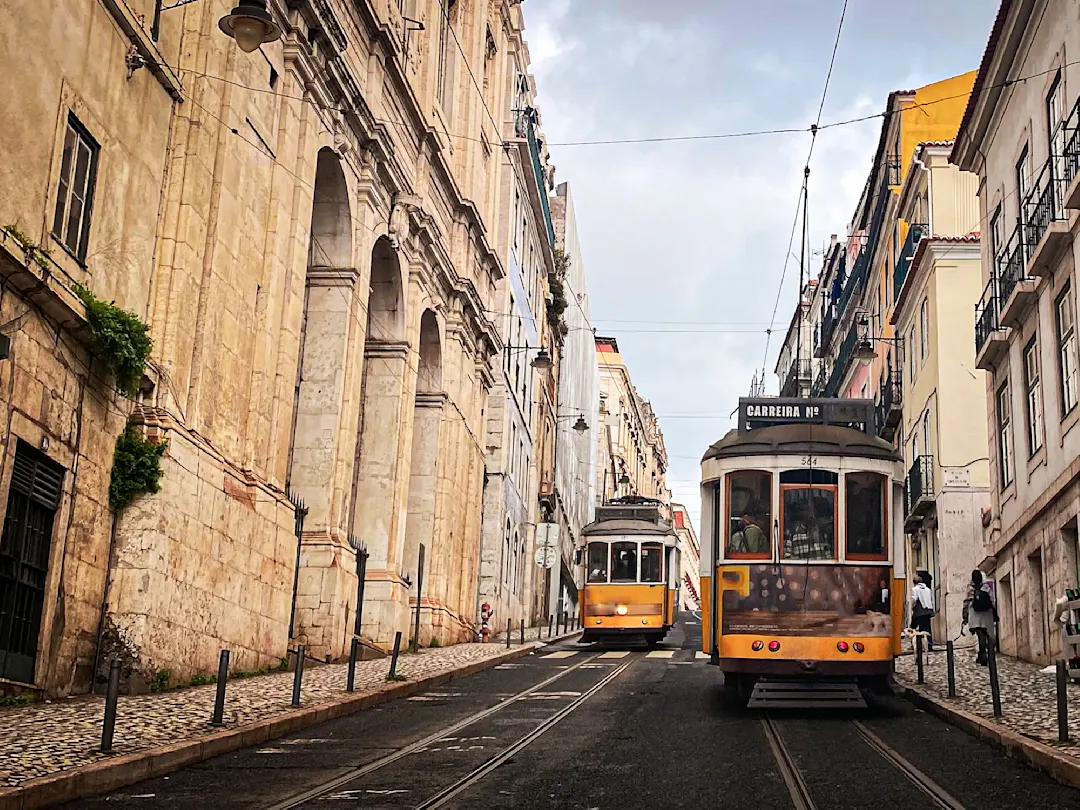
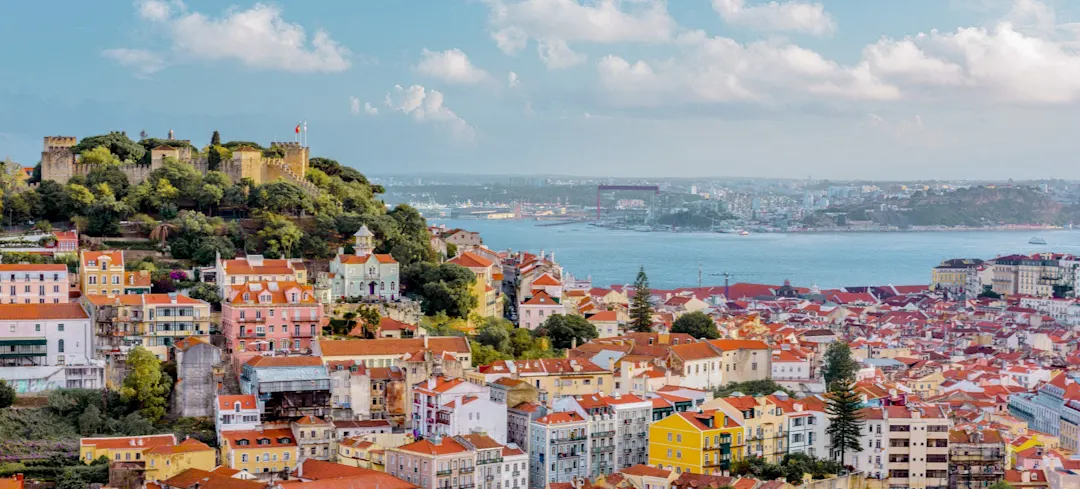
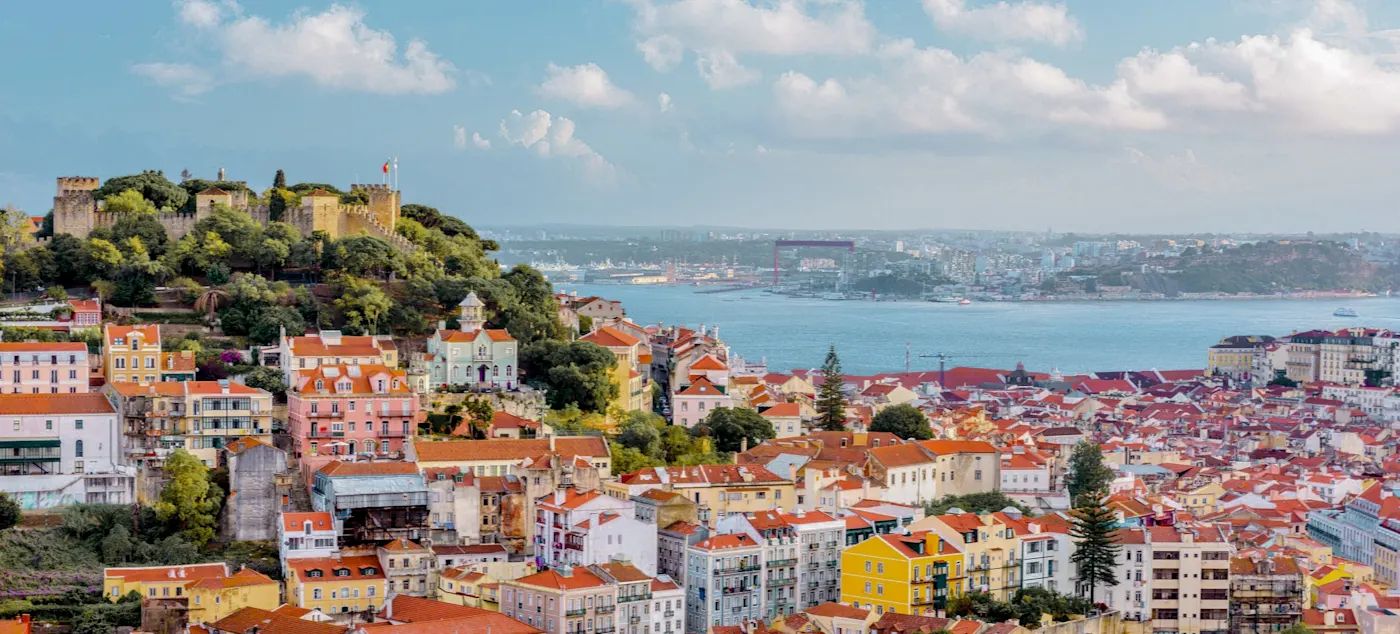
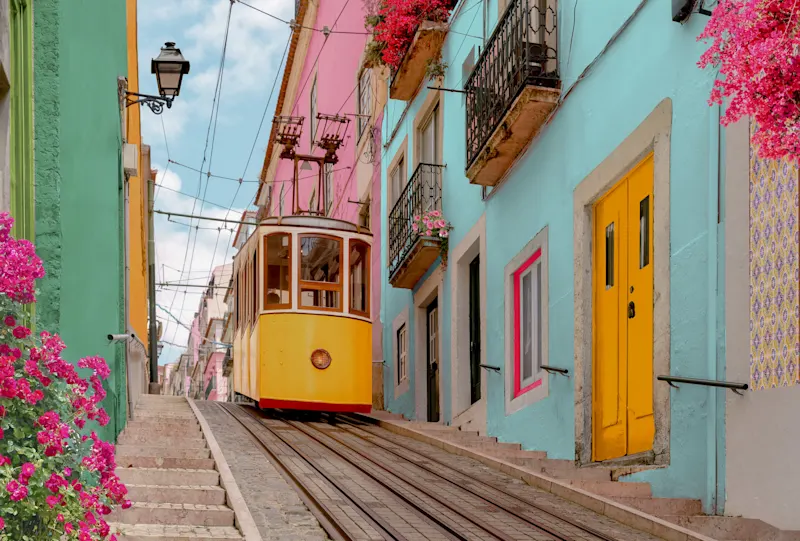
Lisbon reveals itself slowly, one hill at a time. The city spreads across seven hills. Getting to know it means riding the iconic yellow trams that rattle through the streets, climbing to the miradouros (viewpoints) for the light on the terracotta rooftops, spending an evening with fado in an Alfama tavern, and indulging in one too many pastéis de nata. Two days are enough for the essentials — Alfama, Belém, and the city-center squares — but most people give it three, since Sintra is next door and hard to skip: a hilltop town of fairytale palaces, one of Europe's best day trips. Beyond that, the coast, the Douro Valley, and Porto await. Two days for the city, three with Sintra, longer if Portugal wins you over.
Raphaela Wedel
Certified Portugal specialist
- 150+ trips planned
- Personally visited 4 times
- 5+ years of experience
- Specialist for Panama and Costa Rica
Plan your trip for free
Your tailor-made itinerary – No cost, no commitment
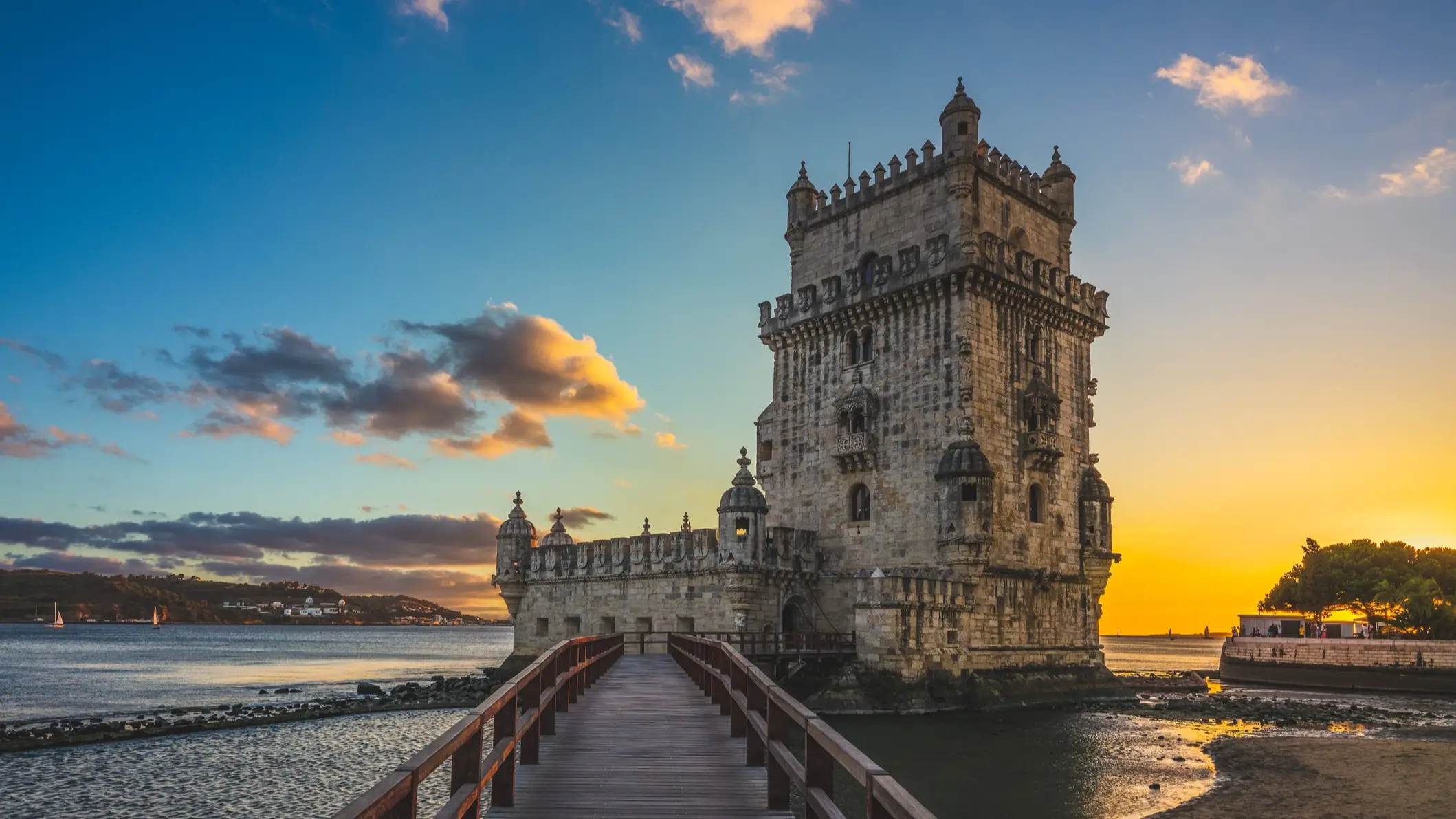
Lisbon stretches across seven hills, and two days are enough to see the main sights on foot: Alfama and the castle, the monuments of Belém, the central squares, and an evening of fado. Most people add a third day for Sintra, half an hour away and a must-see. A single day barely scratches the surface of a city meant to be explored at a leisurely pace.
2 days — The city. Alfama and the castle, Belém's monuments, the downtown squares, and a fado night.
3 days — Add Sintra, the near-essential day trip to its palaces and gardens.
4–5 days — Lisbon with the coast, or the launch point for Porto and the Douro.
| Days in Lisbon | Best for | Combine with — wider route |
|---|---|---|
| 2 days | The city on its own | Lisbon + Alfama + Belém |
| 3 days | The near-essential add-on | Lisbon + Sintra + Cascais |
| 4 days | Portugal's two great cities | Lisbon ▸ Porto |
| 5 days | City — wine and river | Lisbon ▸ Porto ▸ the Douro |
| 7+ days | Coast to coast | Lisbon ▸ Porto ▸ the Algarve |
These stages are a guide, not a fixed route. Every trip is tailored to you.

Plan for free
Custom holiday packages and trips that fit your budget

Personalized for you
Itineraries built exactly to your needs

Private VIP guides
A personal English-speaking, native-European travel expert for every step

Peace-of-mind support
Full service assistance before, during, and after your trip
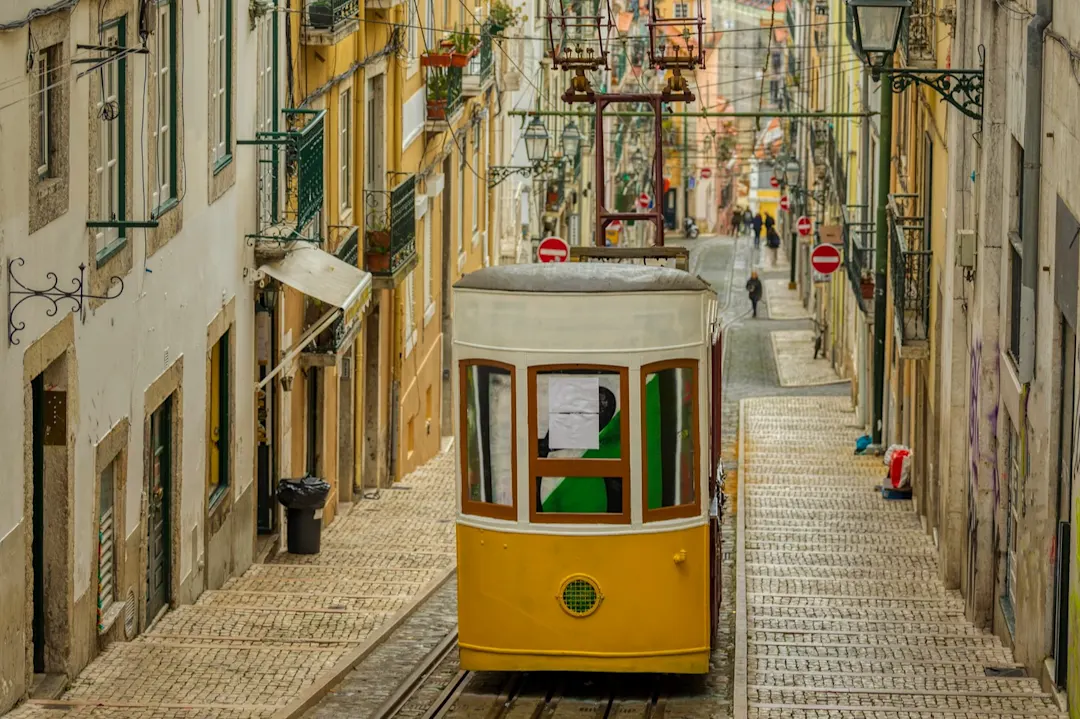
Two days are ideal for Lisbon on its own, or as the start of a longer trip through Portugal. The city is great on foot, but the hills are steep, so mix walking with the historic trams and the iconic funiculars. Give one day to the historic center and another to the riverside monuments, saving both evenings for great food and music.
Day 1 — Alfama and the Castelo de São Jorge, the miradouros for the views, and a fado dinner in the old quarter after dark.
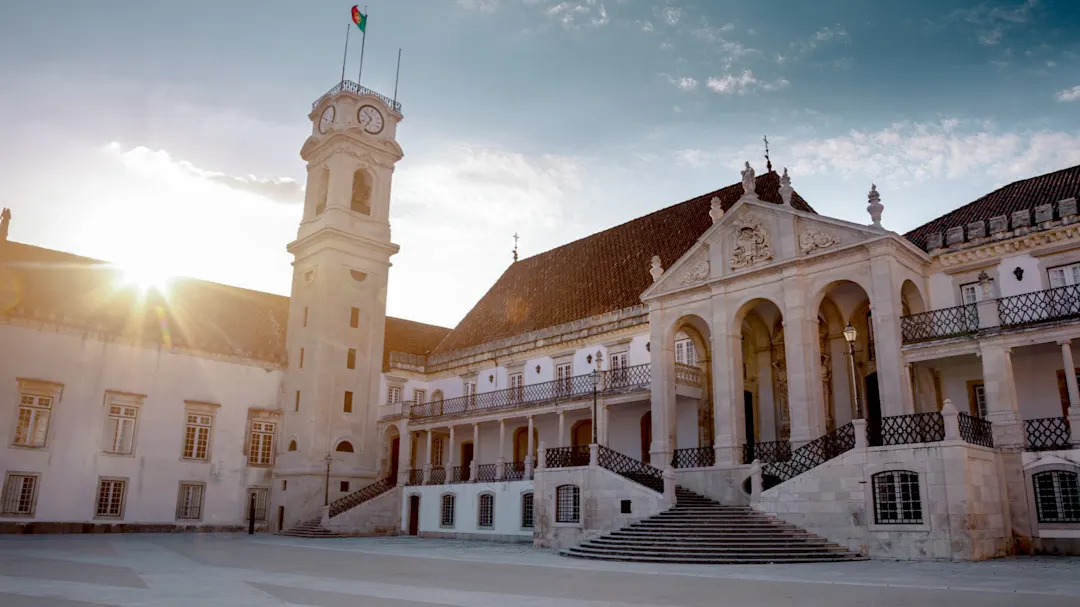
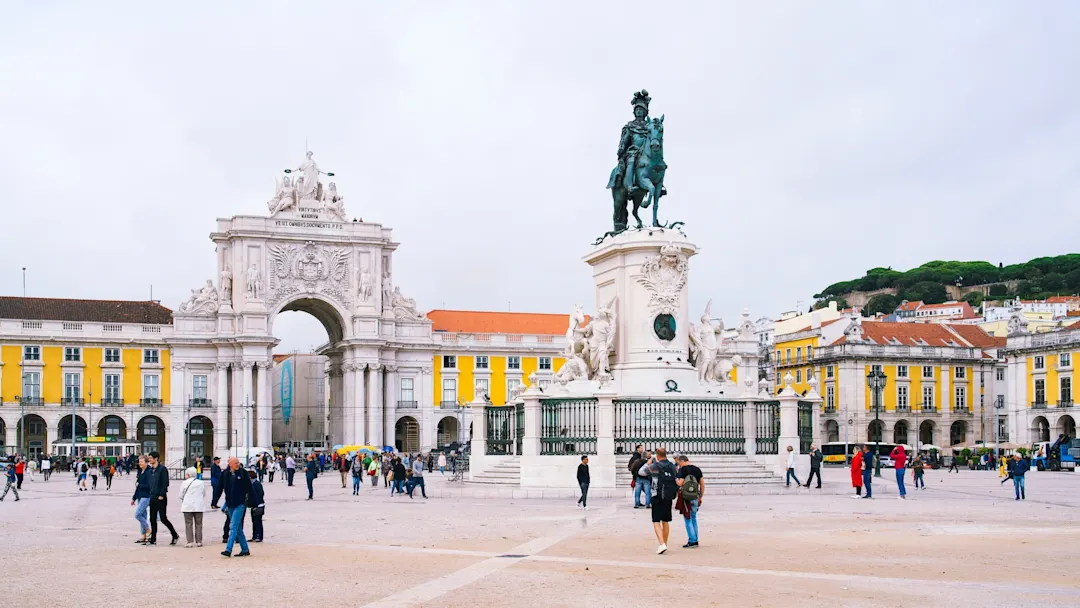
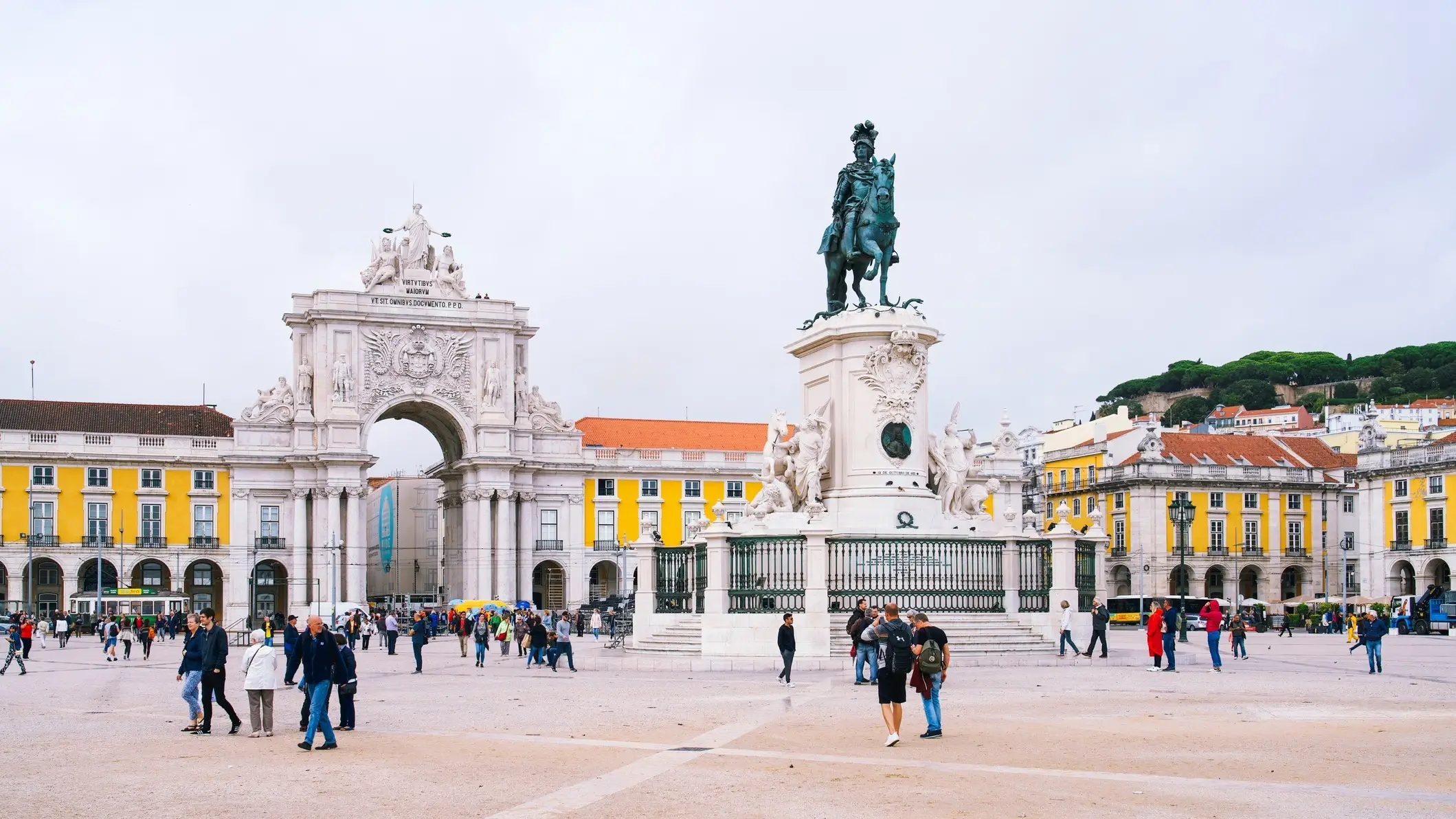
Day 2 — Belém for the Jerónimos Monastery, the Tower, and the original pastéis de nata, then the downtown squares of the Baixa and a sunset drink in Bairro Alto.
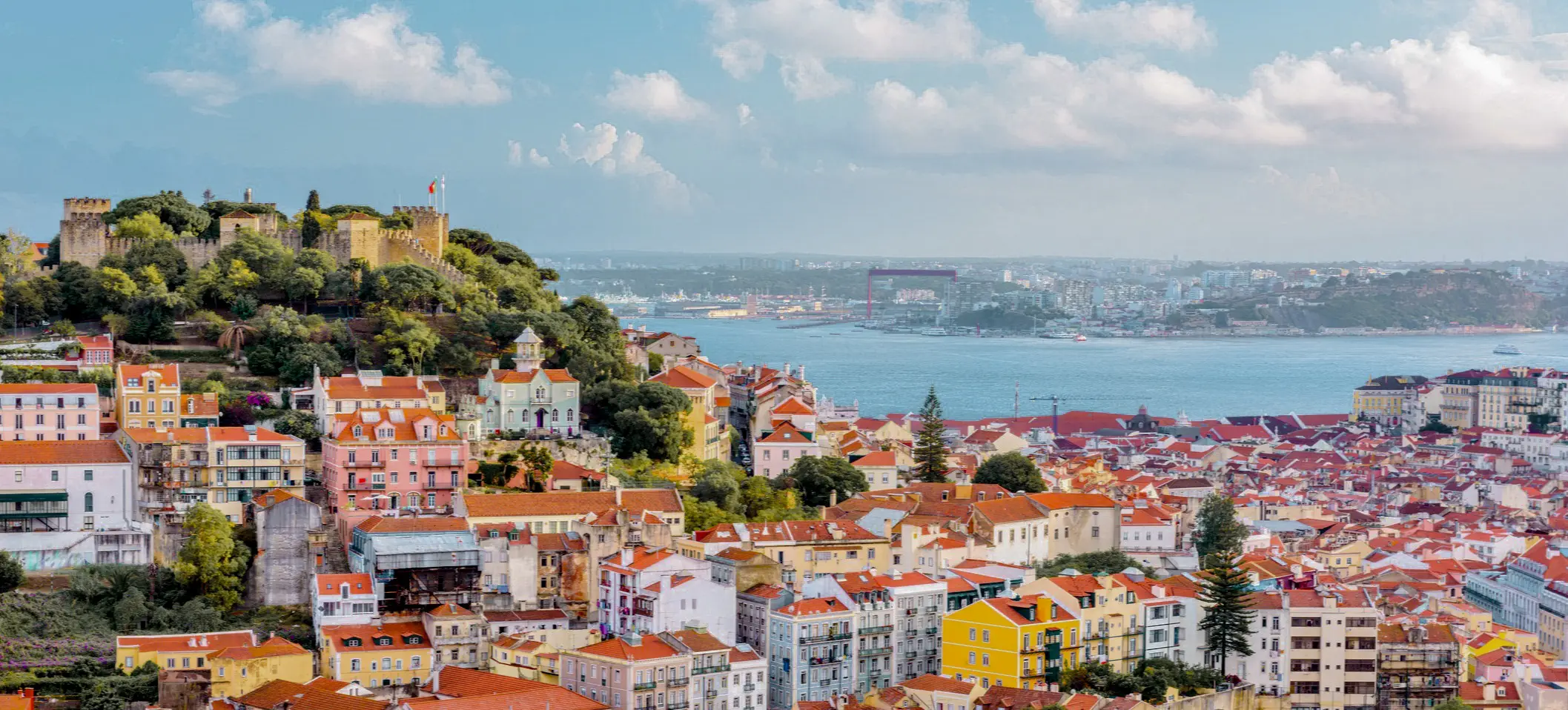
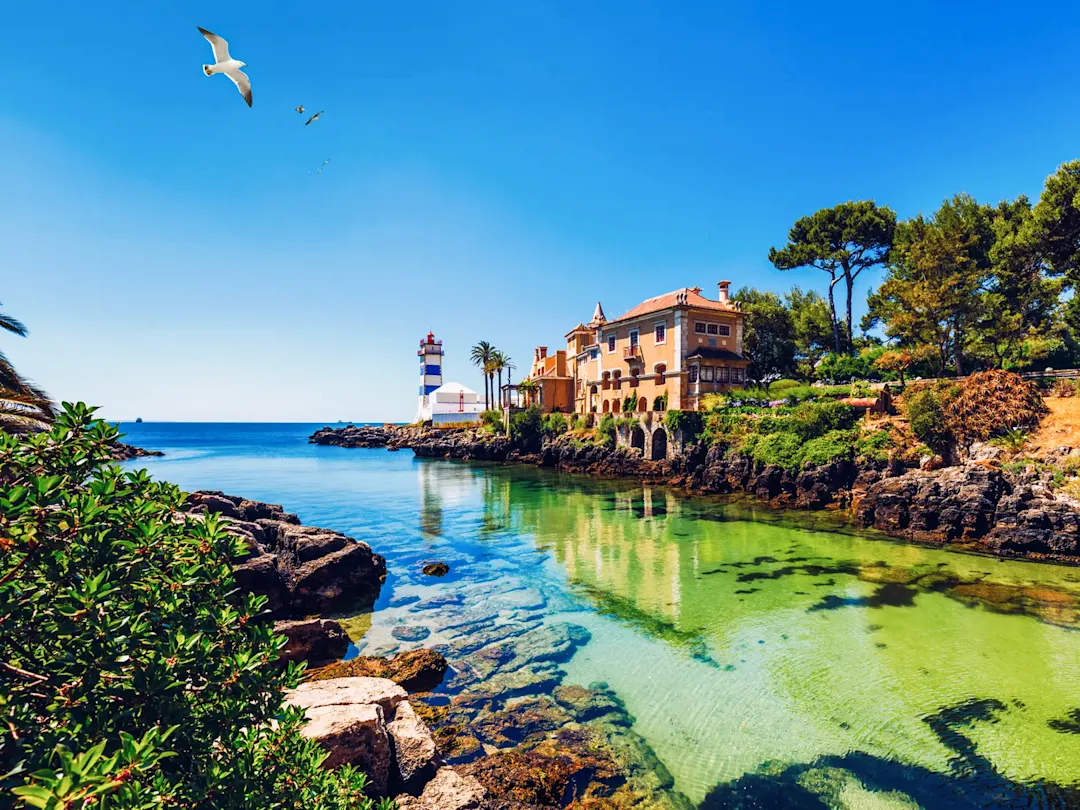
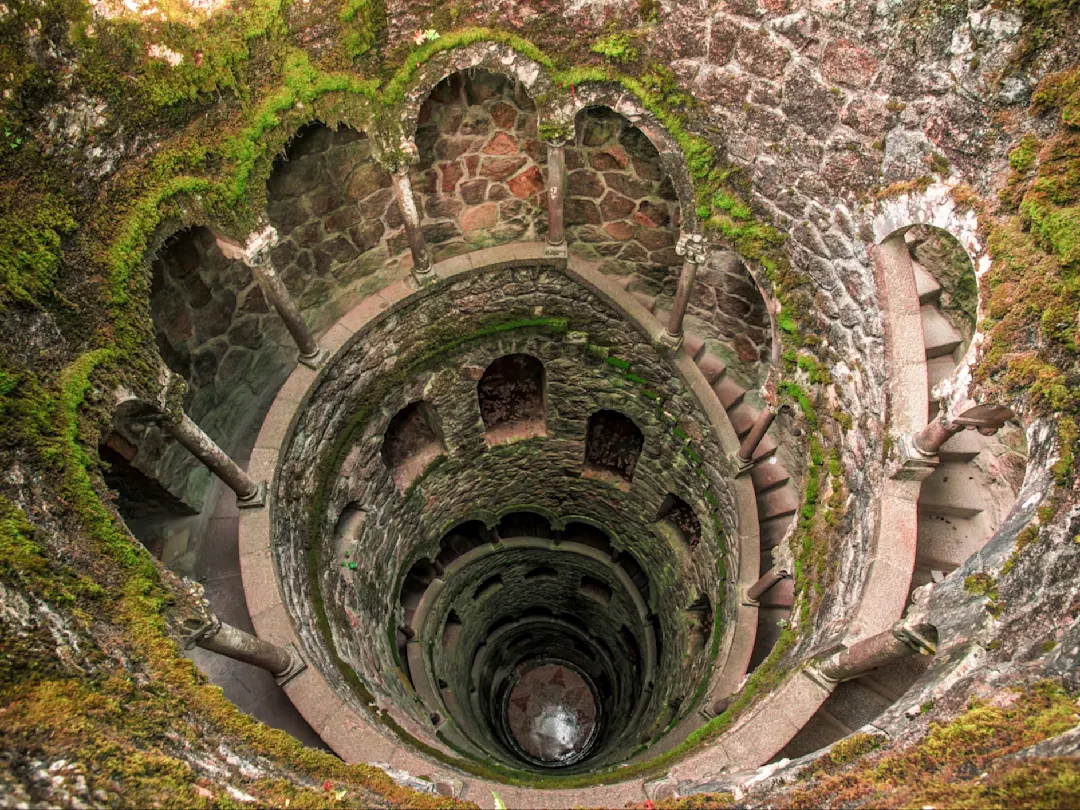
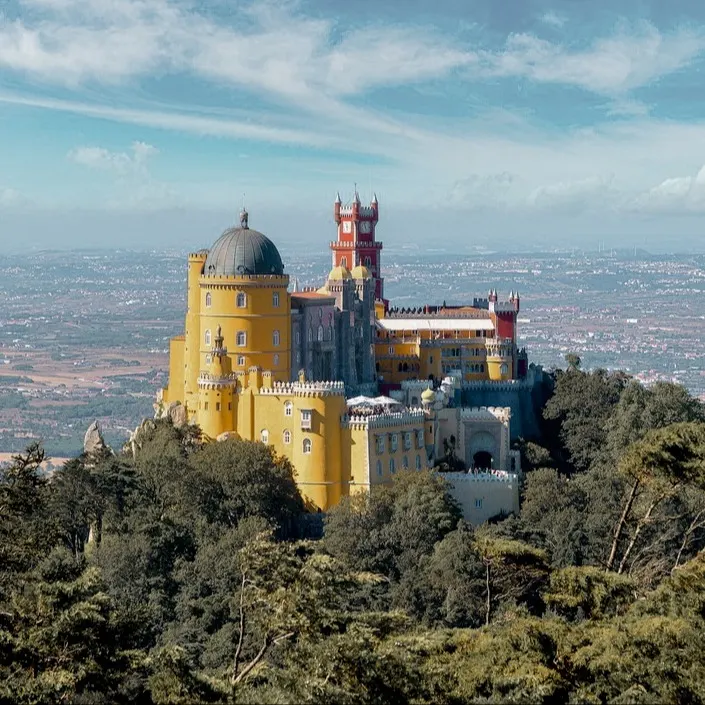
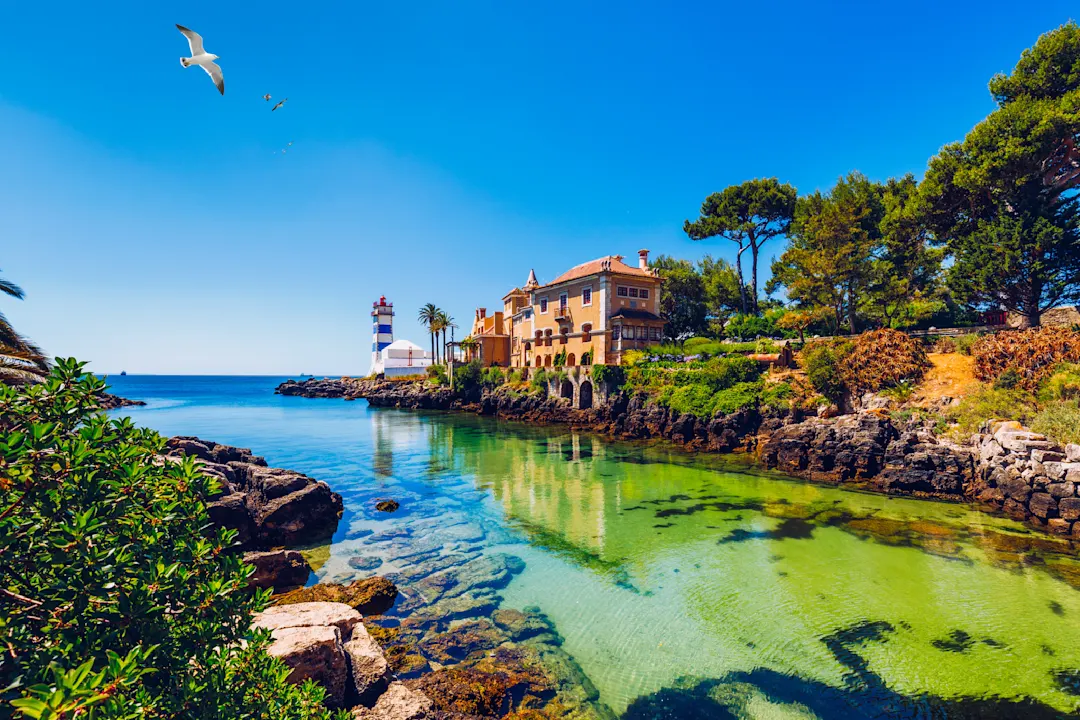
The third day almost always goes to Sintra, and rightly so. Half an hour away by train, this cool, green hillside town holds the Portuguese royal family's extravagant summer palaces: the colorful Pena Palace, the mysterious wells and grottoes of Quinta da Regaleira, and a Moorish castle on the ridge. Combine it with Cabo da Roca — the westernmost point of continental Europe — and the seaside town of Cascais on your way back.
Days 1–2 — The city: Alfama, Belém, the squares, the fado.
Day 3 — Sintra's palaces, Cabo da Roca, and Cascais by the sea.
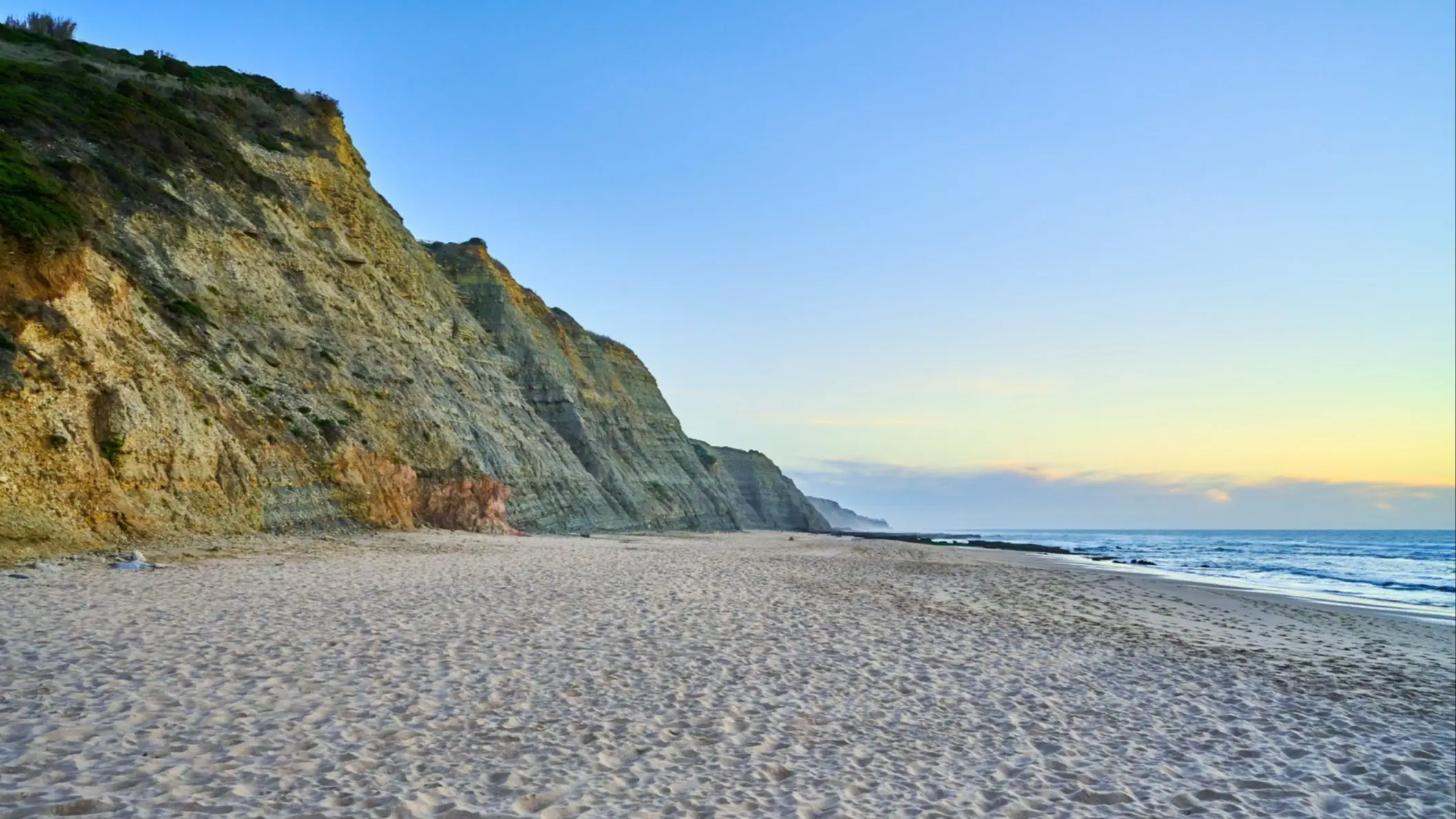
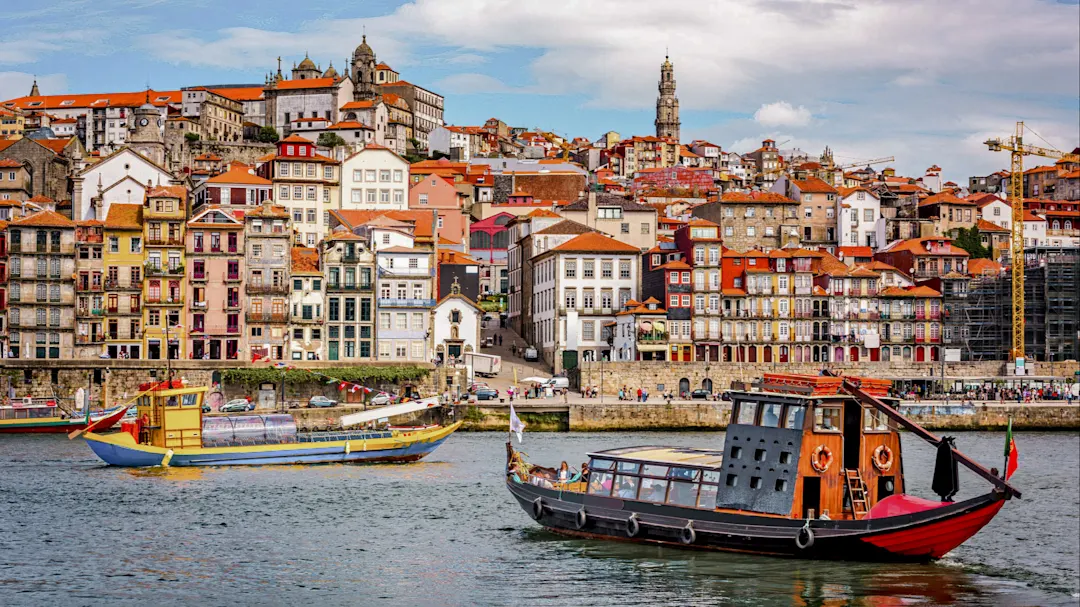
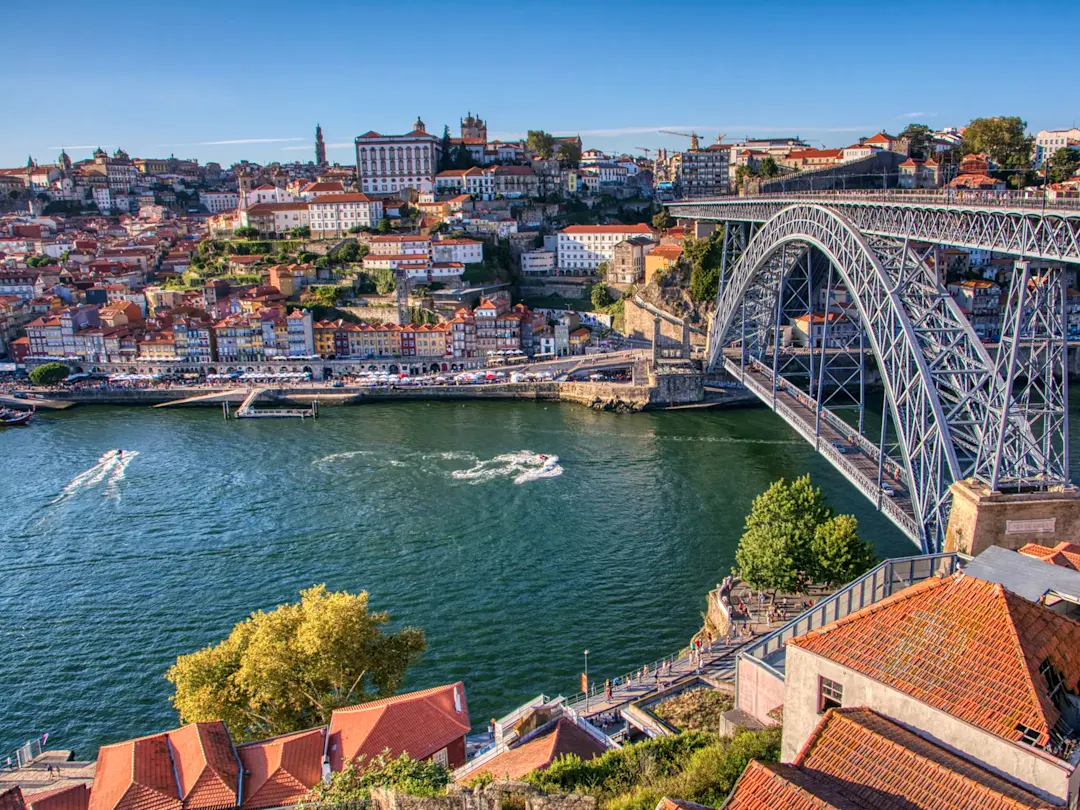
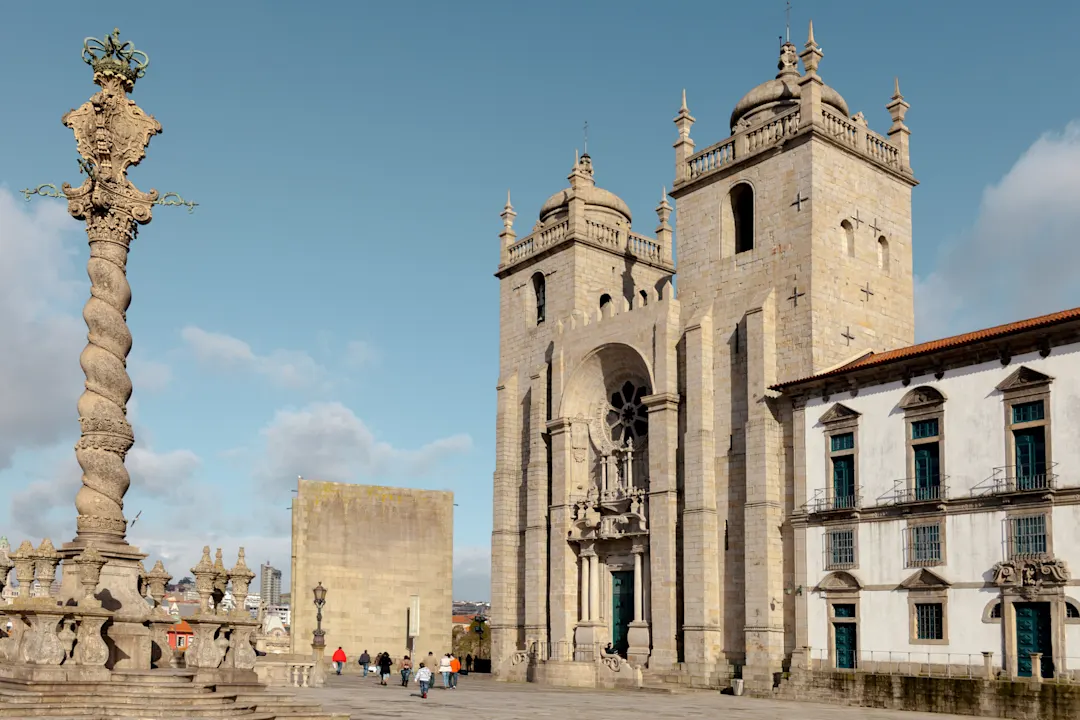
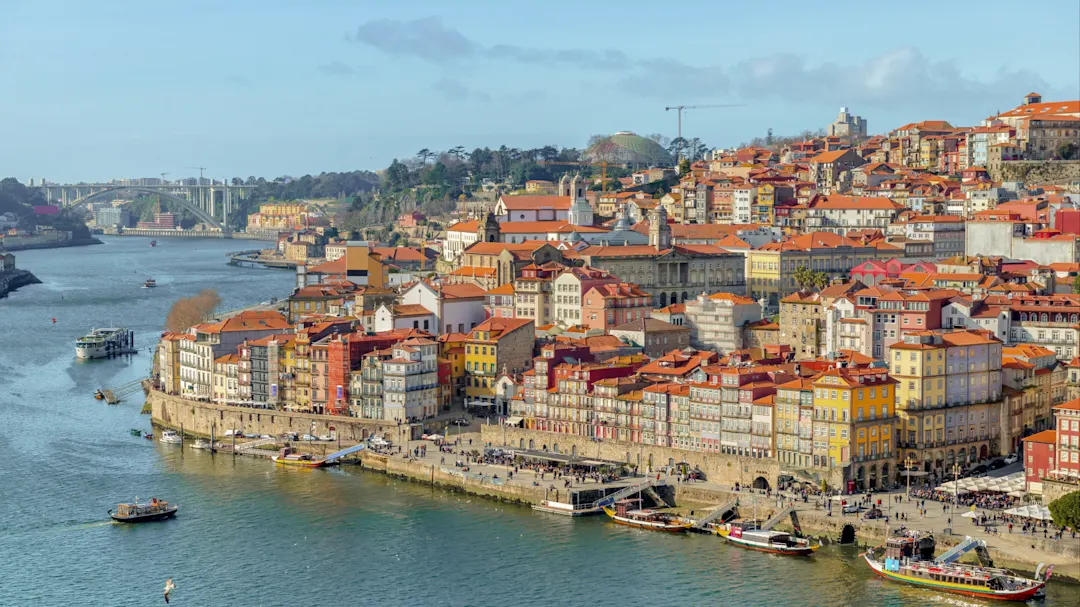
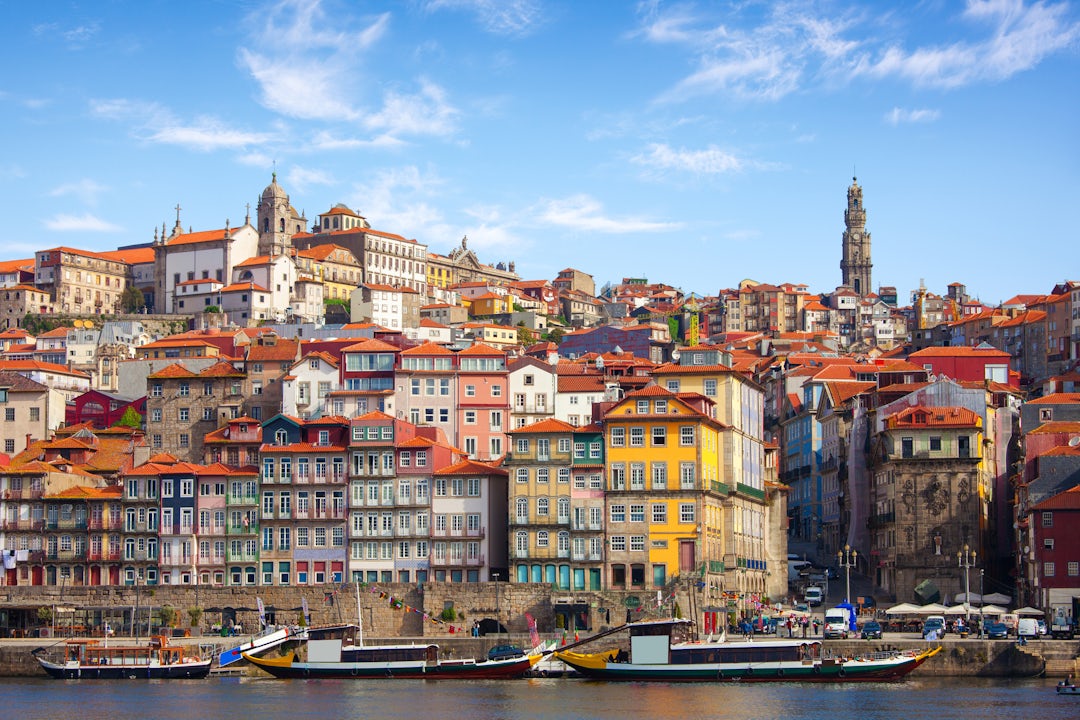
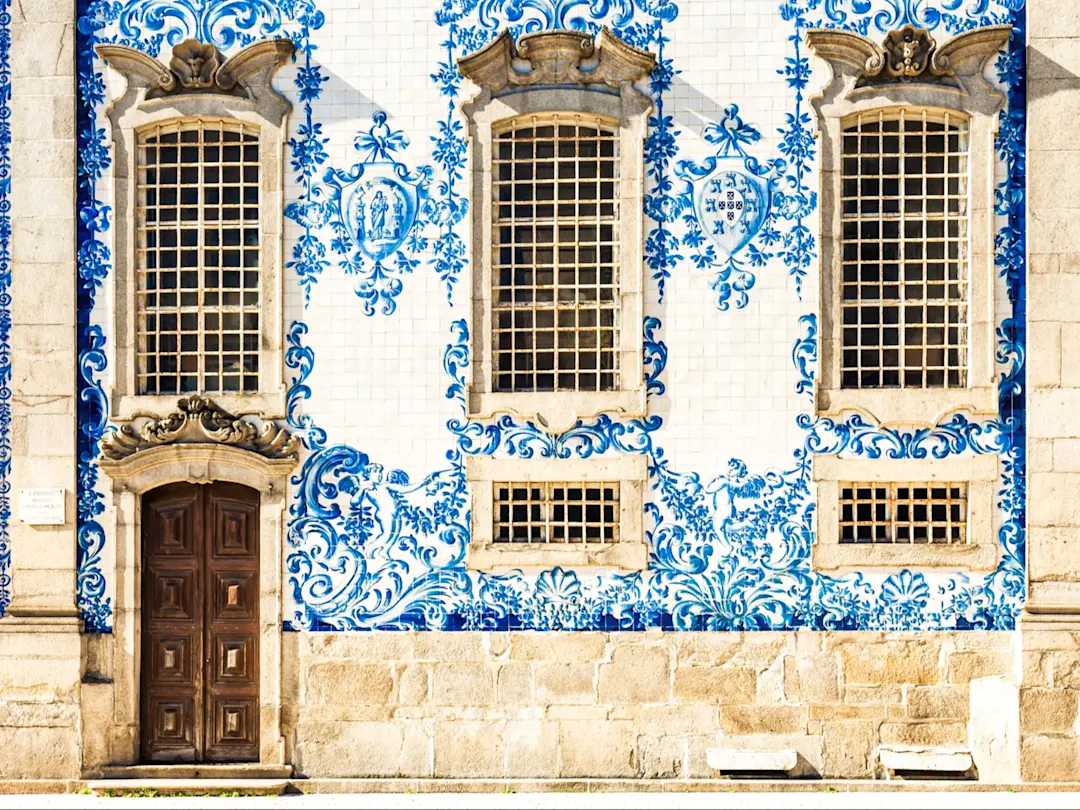
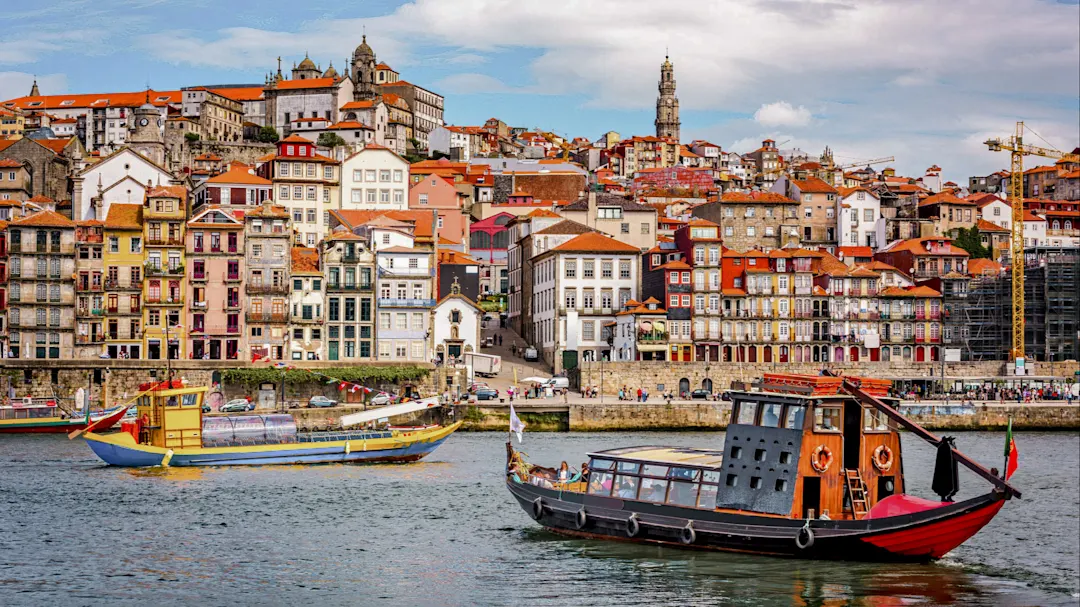
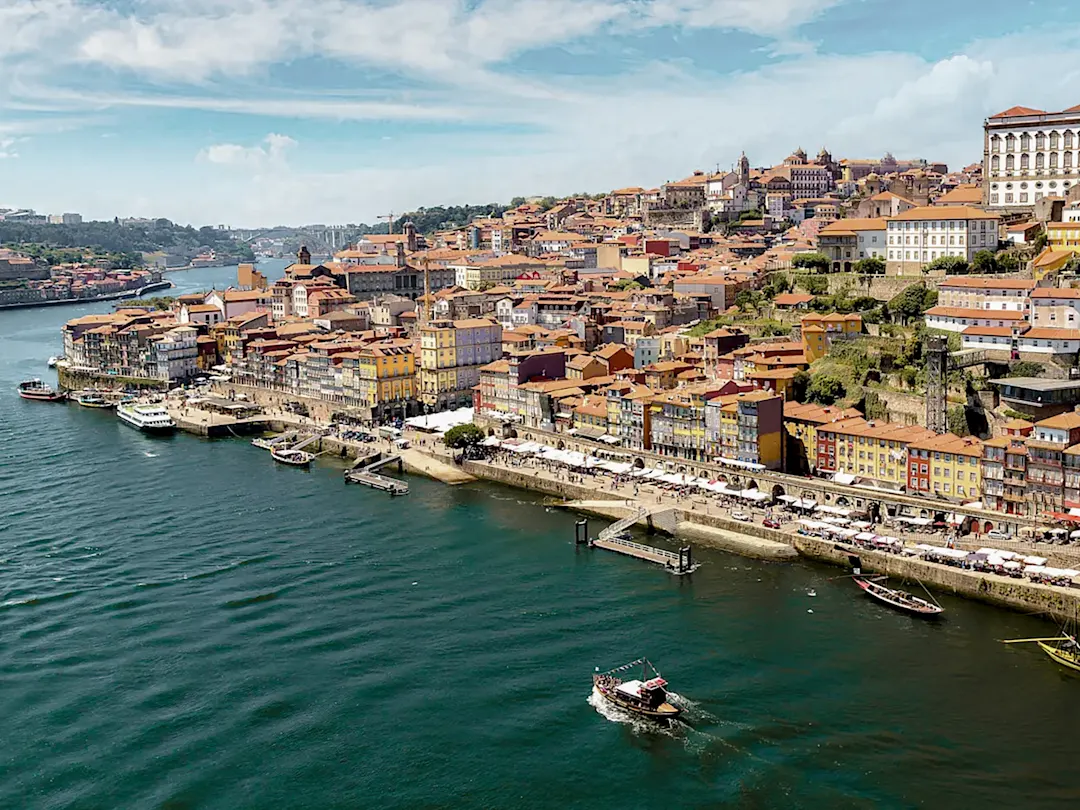
Four or five days let you discover the rest of Portugal, starting from Lisbon. The natural route runs north to Porto — a riverside city famous for its port-wine cellars and tile-clad facades — before reaching the Douro Valley, where hand-carved vineyard terraces climb from the river and the best views come from the water. This pairing is easily done by train or private transfer, and it shows you the country's two most distinct cities in one trip.
Days 1–3 — Lisbon and Sintra, unhurried.
Day 4 — North to Porto: the Ribeira, the bridges, the wine cellars.
Day 5 — A Douro Valley cruise and tastings among the vineyards.
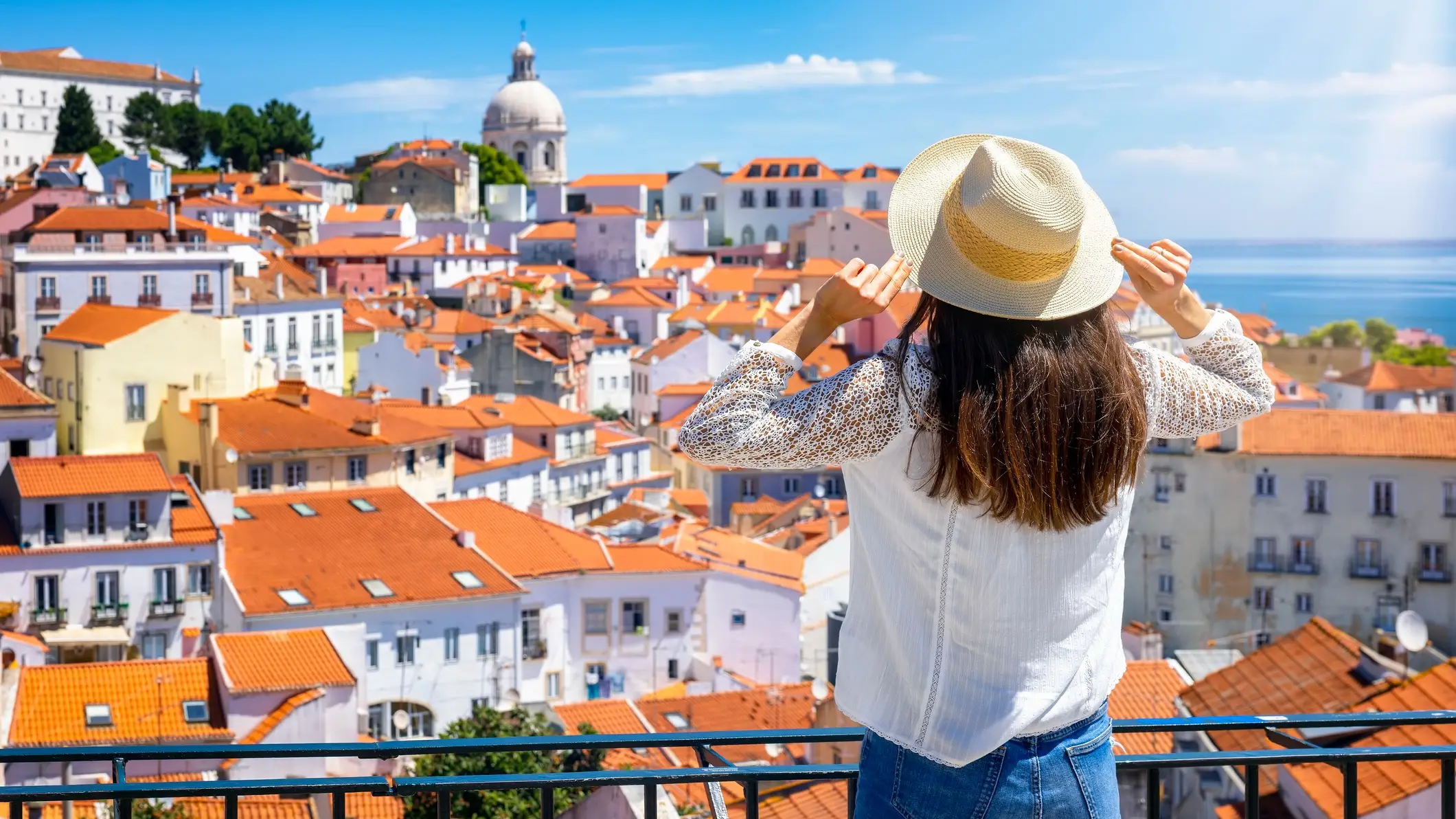
Built on hills, best taken slowly
Lisbon's character is inseparable from its geography: seven hills, cobblestone climbs, and viewpoints that reward the effort with the whole city and the river below. That atmosphere makes the city what it is, and it isn't the place for frantically ticking off a checklist. Trams, decorative tiles, leisurely lunches, and fado evenings invite you to slow down, which is why two relaxed days beat one hectic one. To discover the main attractions, check out our guide on things to do in Lisbon.
Sintra is practically part of the trip
More than almost any other city on this list, Lisbon comes with a day trip that's hard to call optional. Sintra's palaces and gardens make one of Europe's best half-day-plus outings, so close and so singular that most travelers regret skipping it. That's why three days, not two, is the number most people actually want. Book your entry to Pena Palace ahead, as timed tickets sell out in peak season, and give the hill a full day rather than a rushed morning.
The rest of Portugal is close
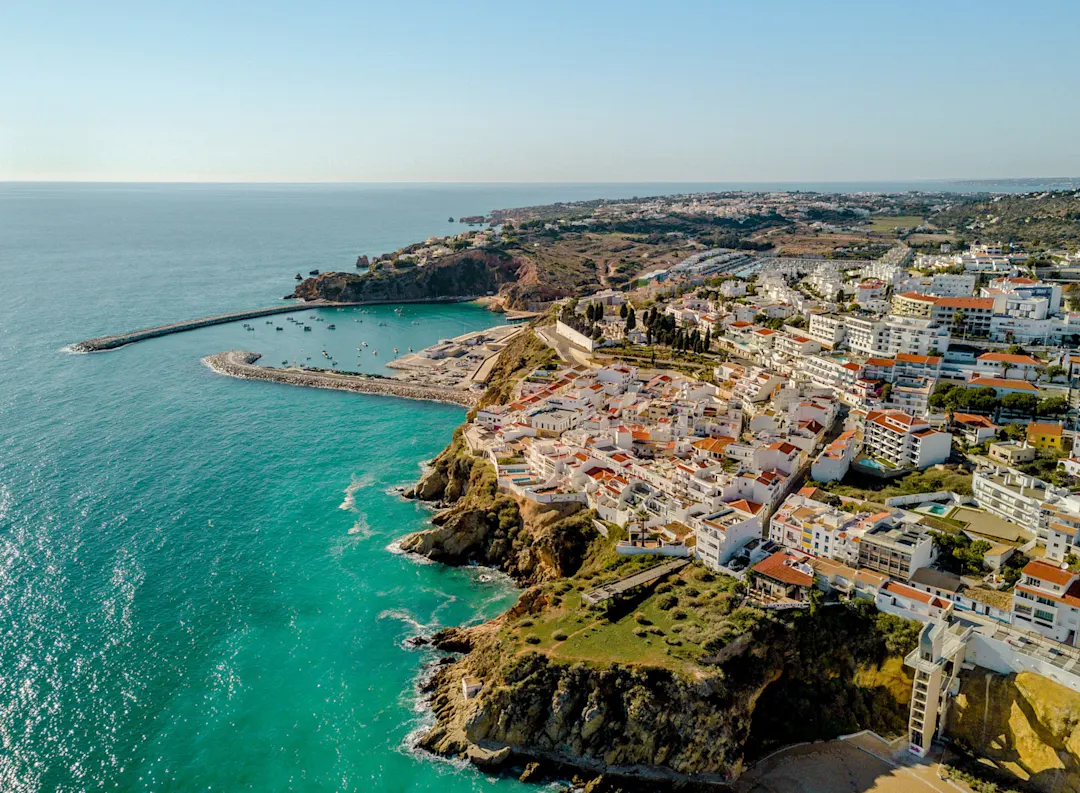
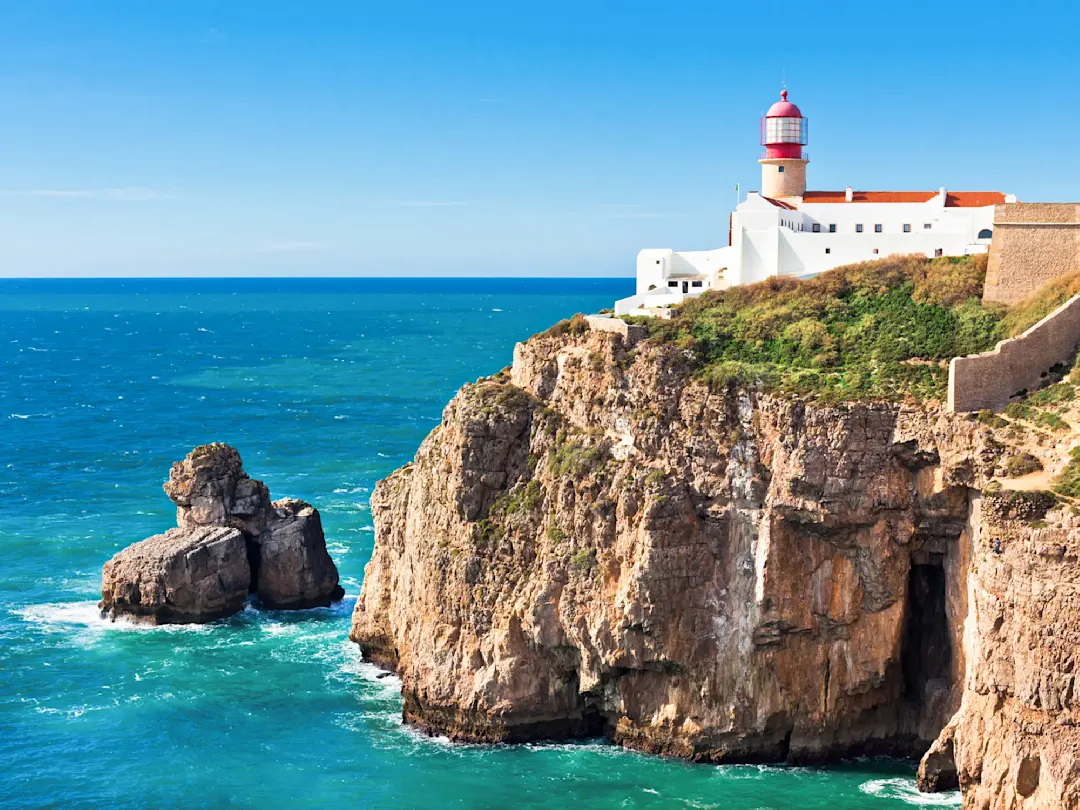
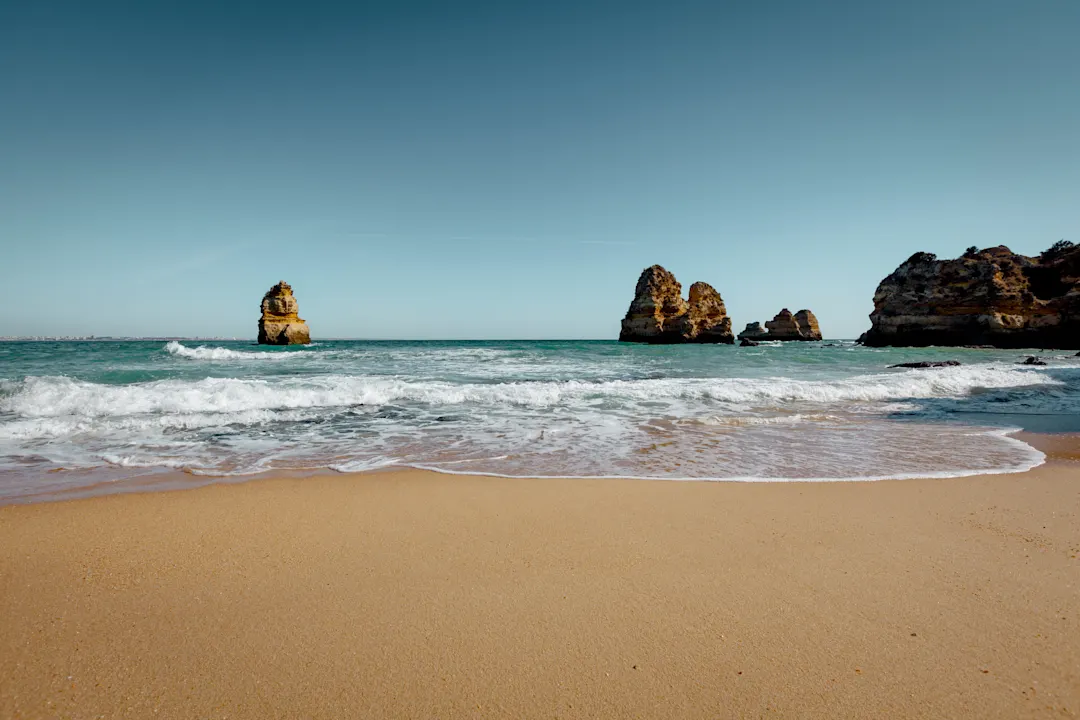
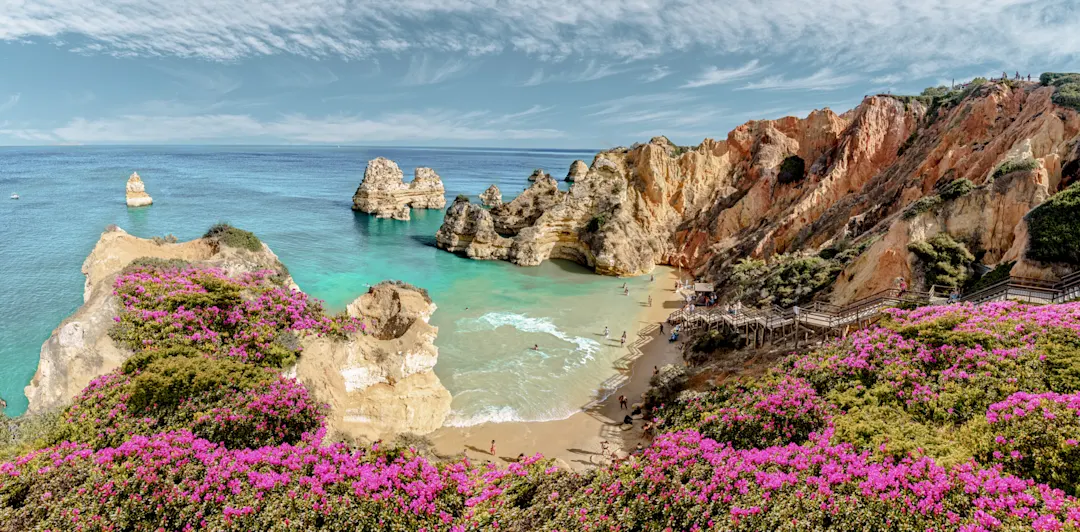
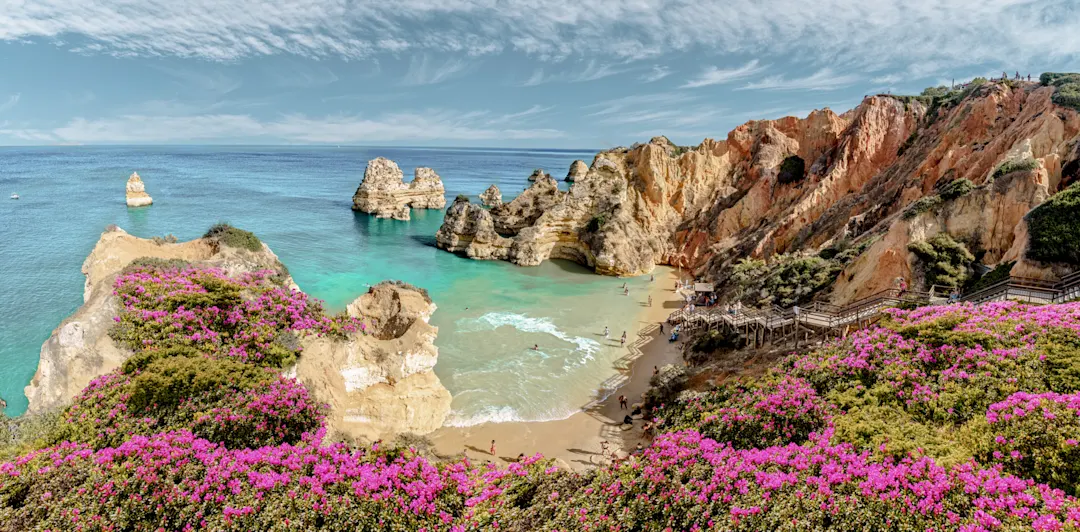
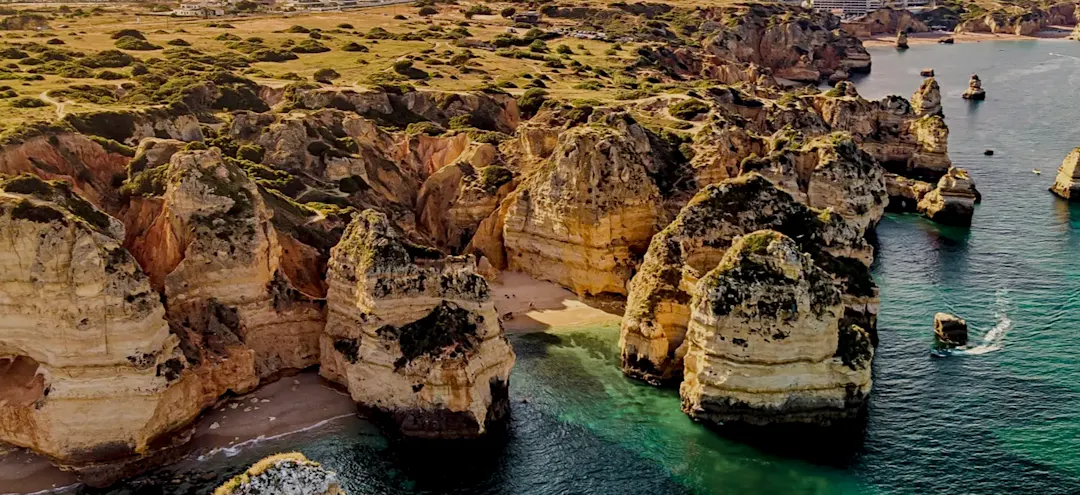
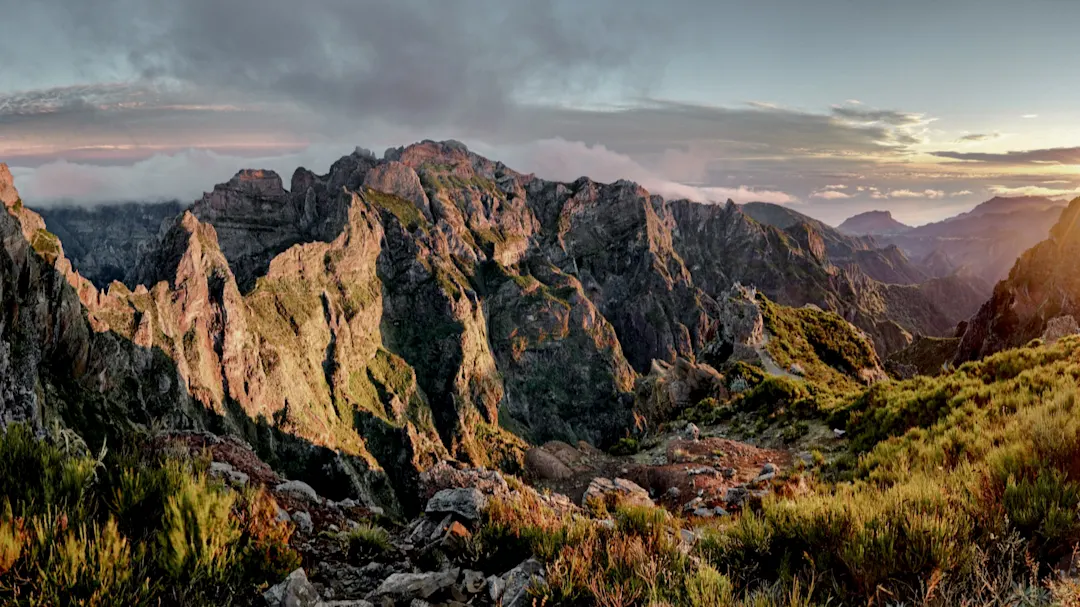
Extra days go outward, and the country makes it easy. To the north lie Porto and the terraced vineyards of the Douro Valley. To the south, the golden beaches and cliffs of the Algarve. Inland, the walled town of Évora and the Alentejo. Trains and short transfers link these destinations without fuss, so a longer trip means more of Portugal's variety rather than more time in transit. Each extra day buys a completely different landscape.
When to visit
Spring and autumn (April–June and September–October) are Lisbon at its best: warm, sunny days, an Atlantic breeze that tempers the heat, and thinner crowds than the summer peak. July and August are hot and crowded but bring festivals and long beach evenings, and the Atlantic wind makes the city more pleasant than the Spanish interior. Winter is mild, quiet, and affordable, rarely near freezing. For a month-by-month overview, check our guide on the best time to visit Lisbon.