Things to see and do in Florence
Highlights and exclusive tips
Plan your Trip
Your tailor-made itinerary – No cost, no commitment
Excellent
4.4 of 5
5,506Reviews
Excellent
What should you do in Florence?
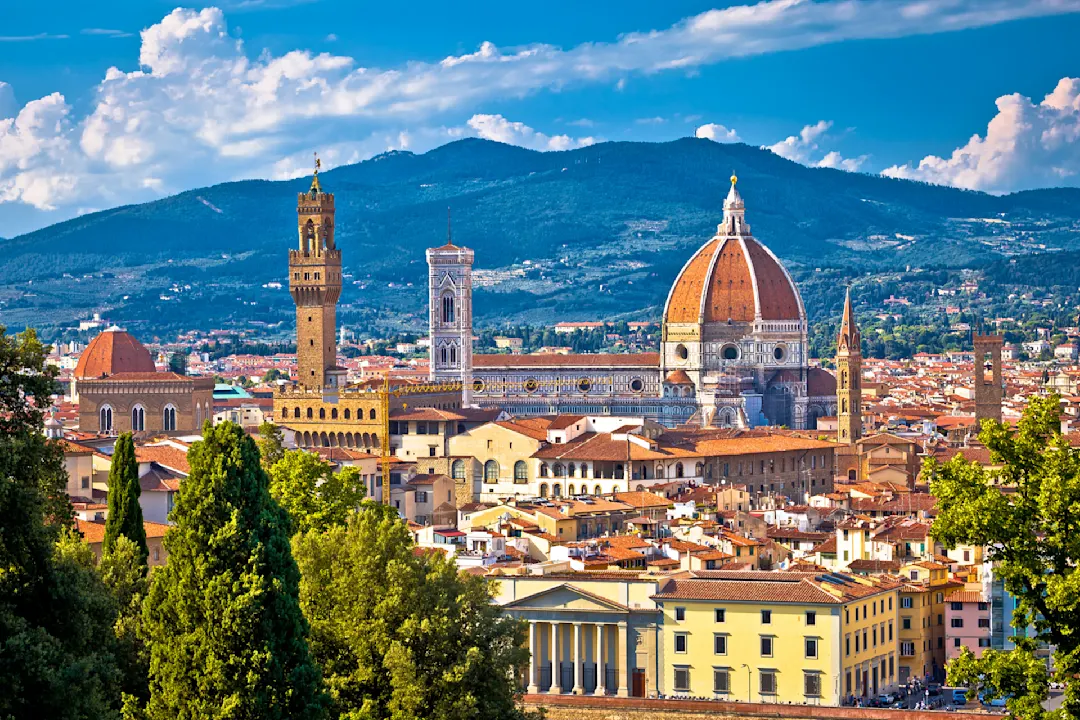
The UNESCO World Heritage city of Florence delights visitors with its world-class art galleries, unmistakable architecture, and unique history: Florence was a republic in its own right for more than 400 years. As the capital of Tuscany, the city offers art-historical gems such as Brunelleschi's dome and Michelangelo's David, as well as a unique culinary experience. Be sure to try the Peposo beef stew or a real Bistecca alla Fiorentina.
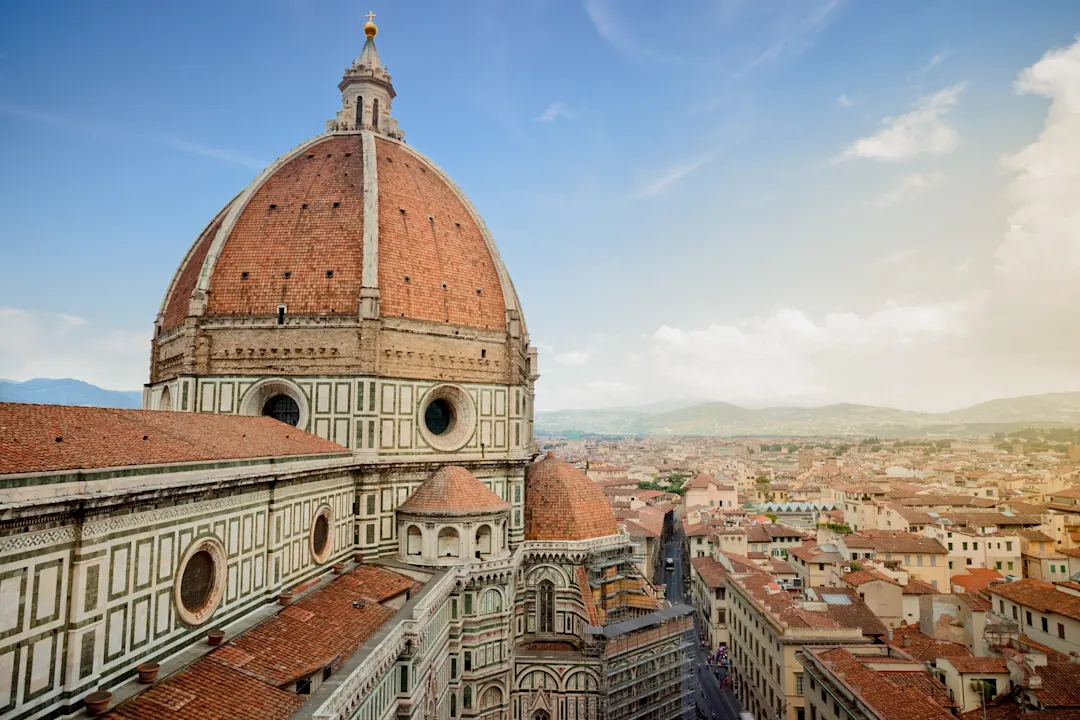
Cathedral of Santa Maria del Fiore
Brunelleschi's Masterpiece
Ponte Vecchio
The Oldest Bridge in the City
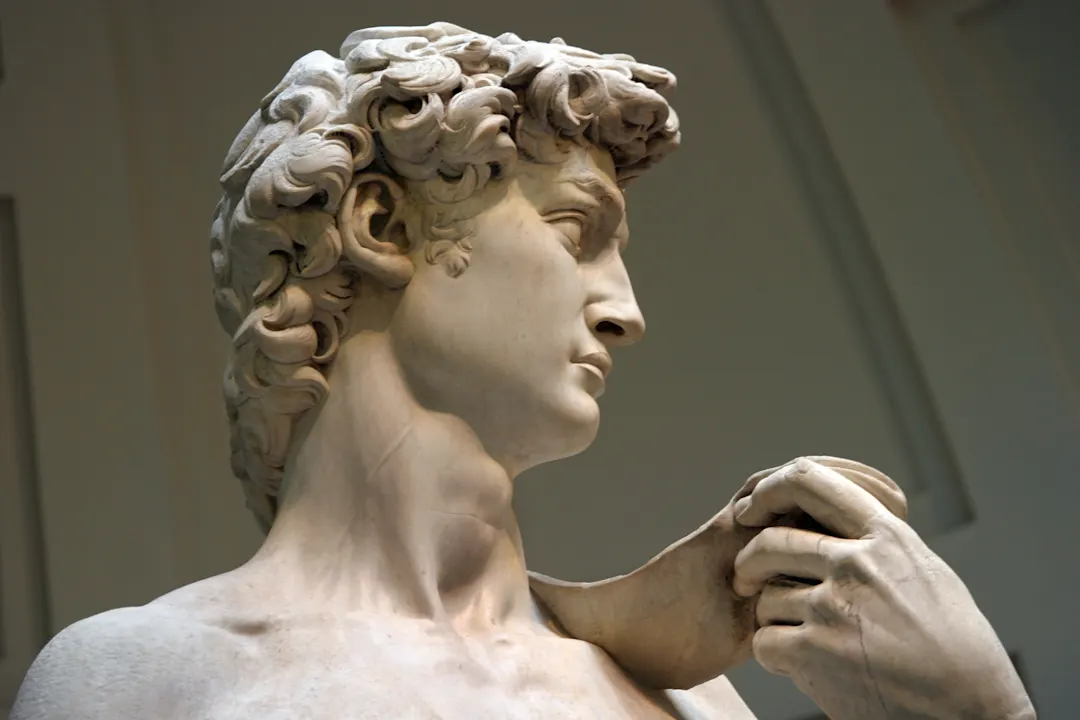
Galleria dell'Accademia
The Home of Michelangelo's David
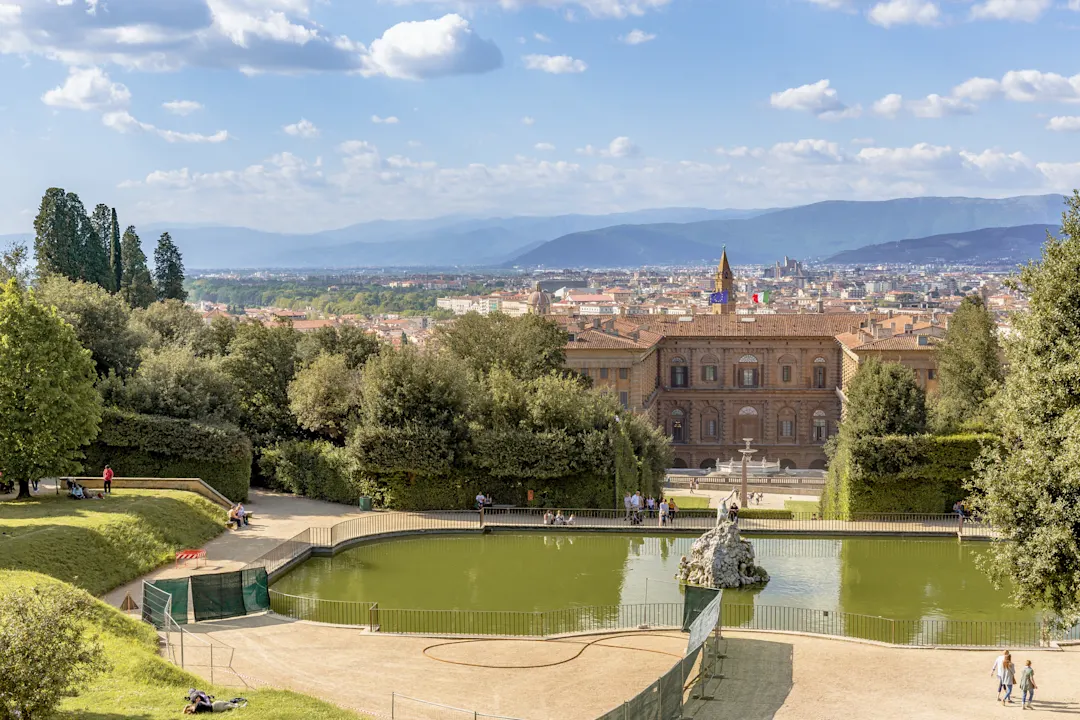
The Boboli Gardens
Originally Designed for the Medici Family
Which sights to explore in Florence?
Cathedral of Santa Maria del Fiore
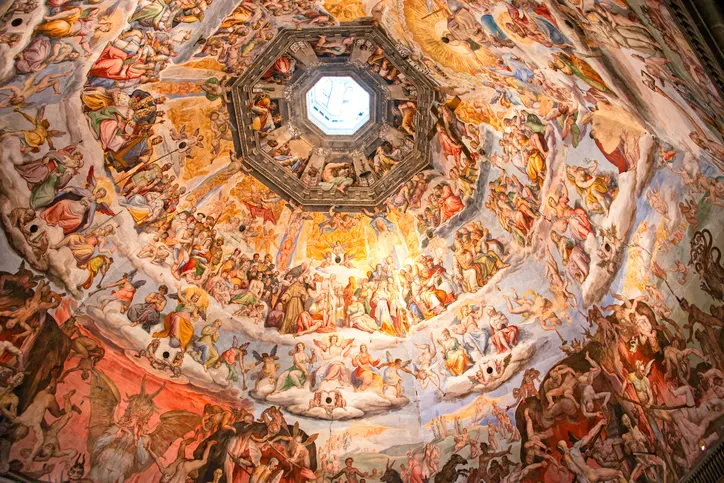
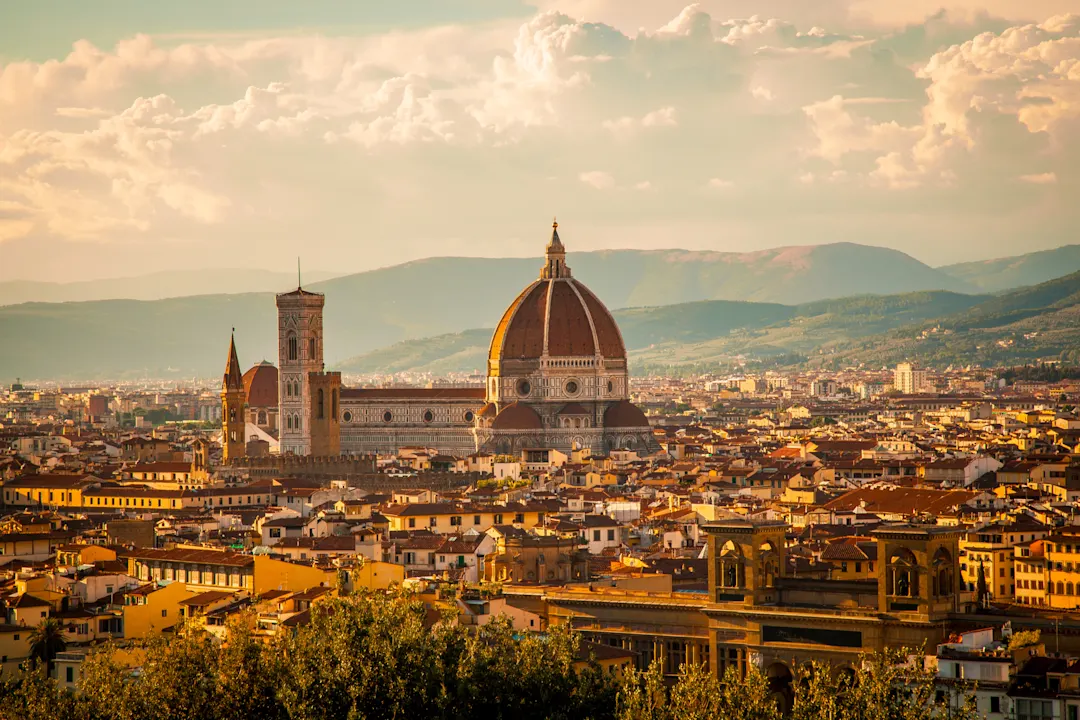
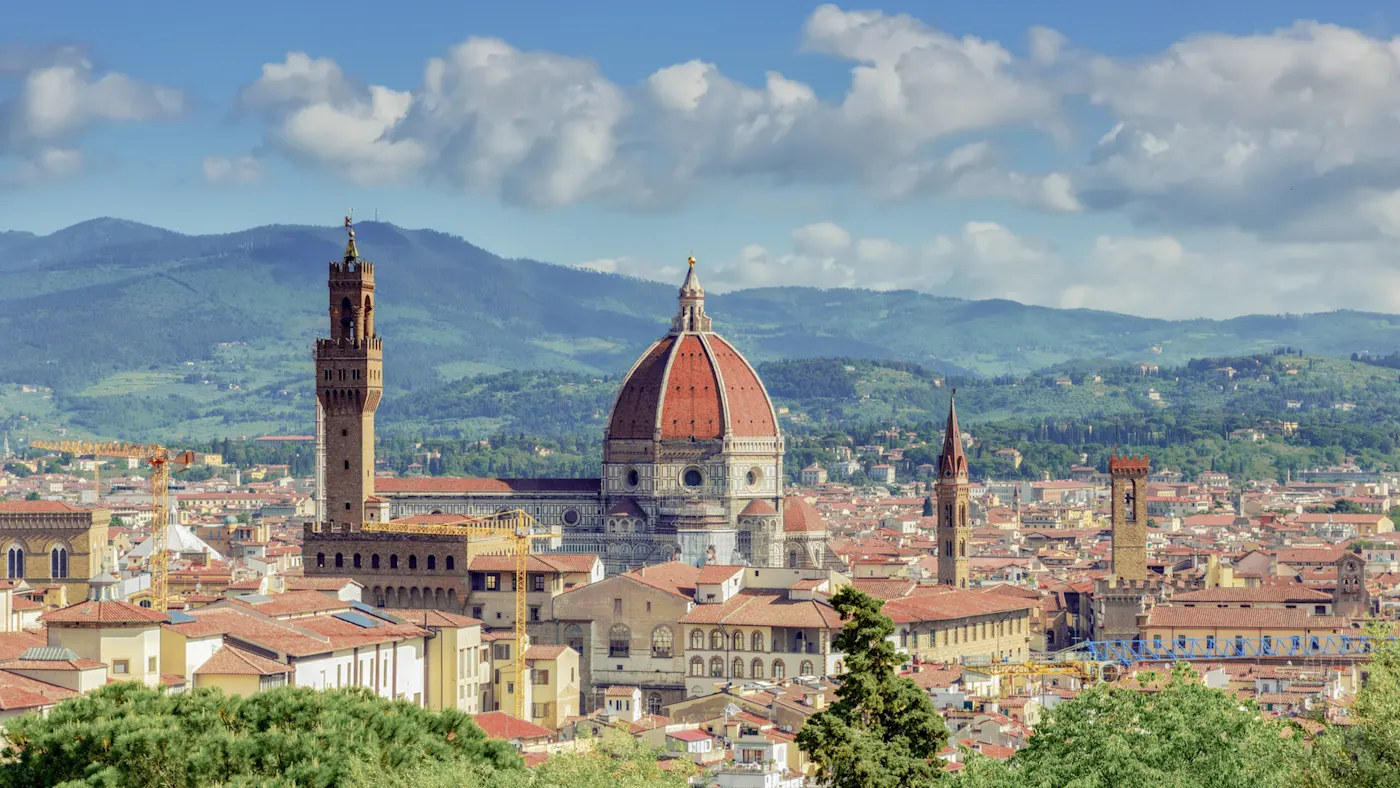
Known simply as the Duomo, this iconic cathedral defines Florence’s skyline and is one of the greatest architectural achievements of the Renaissance. Its soaring dome—the Cupola del Brunelleschi—was a groundbreaking engineering feat for its time and remains the largest brick dome ever constructed. Clad in pink, green, and white marble, the cathedral’s façade is just as stunning as its interior. If you’re up for the challenge, climb the 463 steps to the top of the dome for an unforgettable view of Florence and the surrounding Tuscan hills. The experience combines history, architecture, and awe-inspiring views in one unforgettable stop.
View more details
Ponte Vecchio
Florence’s most beloved bridge, the Ponte Vecchio, spans the Arno River with a unique charm. As the oldest bridge in the city and the only one to survive World War II, it carries a deep historical resonance. Today, it’s lined with small, glittering jewelry shops that have been part of the tradition for centuries. Whether you’re window-shopping or searching for the perfect souvenir, the Ponte Vecchio is a romantic place to pause and take in the atmosphere.
Galleria dell’Accademia
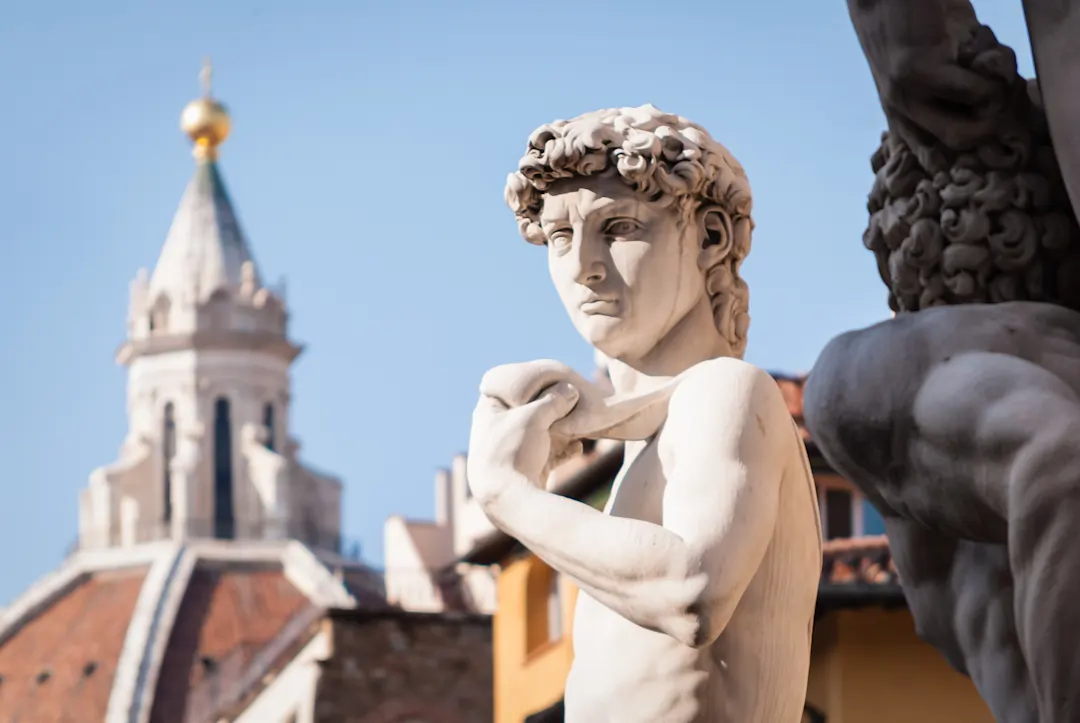
Home to Michelangelo’s David, the Galleria dell’Accademia is a highlight for any visitor interested in Renaissance art. The sculpture stands over 17 feet tall and remains one of the most powerful representations of human beauty and strength. Beyond David, the museum houses a rich collection of paintings and sculptures by Florentine masters. Booking tickets in advance is highly recommended to avoid long lines.
Boboli Gardens
These elegant hillside gardens behind the Pitti Palace were originally designed for the powerful Medici family. With fountains, sculptures, grottos, and manicured pathways, the Boboli Gardens offer a peaceful break from the city while also revealing the grandeur of Florence’s aristocratic past. As the blueprint for Italian-style gardens across Europe, this green space is as culturally significant as it is beautiful.
Uffizi Gallery
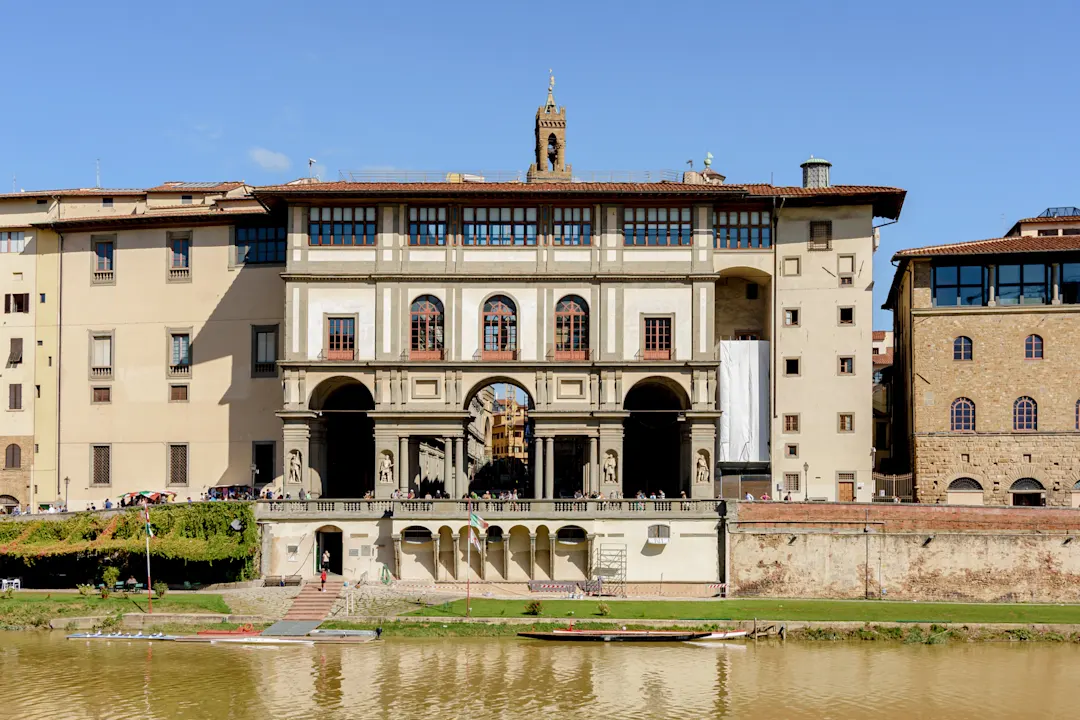
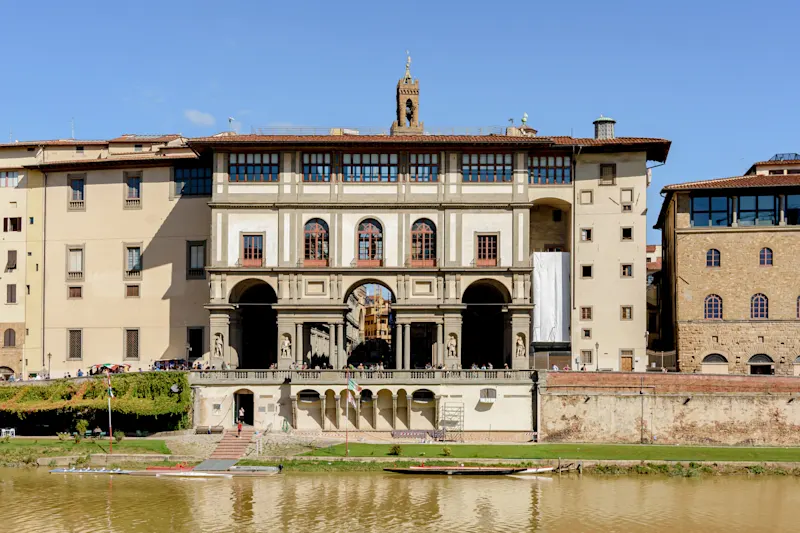
One of the most renowned art museums in the world, the Uffizi houses an unparalleled collection of Renaissance masterpieces. See works by Botticelli, Leonardo da Vinci, Raphael, and Caravaggio—all displayed in a historic building once used by the Medici as their administrative center. Each gallery unveils a piece of Florence’s artistic legacy, making this museum an essential stop for art lovers.
Palazzo Pitti
Once the residence of the Medici, this grand palace now hosts several museums and galleries showcasing everything from Renaissance paintings to royal apartments and costume design. The palace’s imposing façade opens into courtyards and galleries that tell the story of Florence’s rise as a center of culture and power.
Basilica of Santa Croce
Final resting place of Michelangelo, Galileo, and Machiavelli, this Gothic church is not only beautiful but also deeply symbolic. Its peaceful cloisters, frescoed chapels, and monumental tombs make it a place of reverence and reflection. Visitors interested in Florence’s intellectual and artistic giants will find Santa Croce deeply moving.
Piazzale Michelangelo
For one of the most iconic views of Florence, head up to Piazzale Michelangelo. This elevated terrace offers a sweeping vista of the city, with the Duomo, Palazzo Vecchio, and Arno River all in sight. It's a popular spot for both sunrise and sunset, and a replica of Michelangelo’s David stands proudly at the center.
Mercato Centrale
Florence’s Central Market is a paradise for food lovers. Downstairs, local vendors sell fresh produce, meats, and cheeses—perfect for creating your own picnic. Upstairs, a modern food hall offers everything from Tuscan pasta dishes to artisanal pizza and gelato. It’s a great way to dive into Florence’s culinary scene, whether you’re grabbing a quick lunch or lingering over regional flavors.
Basilica of San Lorenzo and Medici Chapels
One of the oldest churches in Florence, San Lorenzo was the parish church of the Medici family. The adjoining Medici Chapels house the elaborate tombs of some of Florence’s most influential rulers. The New Sacristy, designed by Michelangelo, is a stunning fusion of sculpture and architecture—and a testament to the family’s role in shaping Renaissance Florence.
Practical information for your trip
We recommend visiting Florence in either May, June, or September. During these months, the weather is warm and there is little rain. In addition, there are not quite as many visitors as in July and August. The low season runs from November to March and is also suitable for a visit without the usual crowds. However, the weather is more unstable then. You can learn more about the ideal travel months in our Best Time to Travel to Tuscany guide.
Florence is located in central Italy, roughly halfway between Rome and Milan—each about 170 miles away. High-speed trains connect all three cities, making Florence an easy and efficient stop on a broader Italy itinerary. The city is also served by its own airport, Florence Airport (FLR), with domestic flights and connections to major European hubs.

Plan for free
Custom holiday packages and trips that fit your budget

Personalized for you
Itineraries built exactly to your needs

Private VIP guides
A personal English-speaking, native-European travel expert for every step

Peace-of-mind support
Full service assistance before, during, and after your trip