How many days in Barcelona?
The right length for Barcelona, from Gaudí and the Gothic Quarter to the coast and mountains of Catalonia
Plan your Trip
Your tailor-made itinerary – No cost, no commitment
Excellent
4.6 of 5
6,137Reviews
Excellent
Recommended trip duration
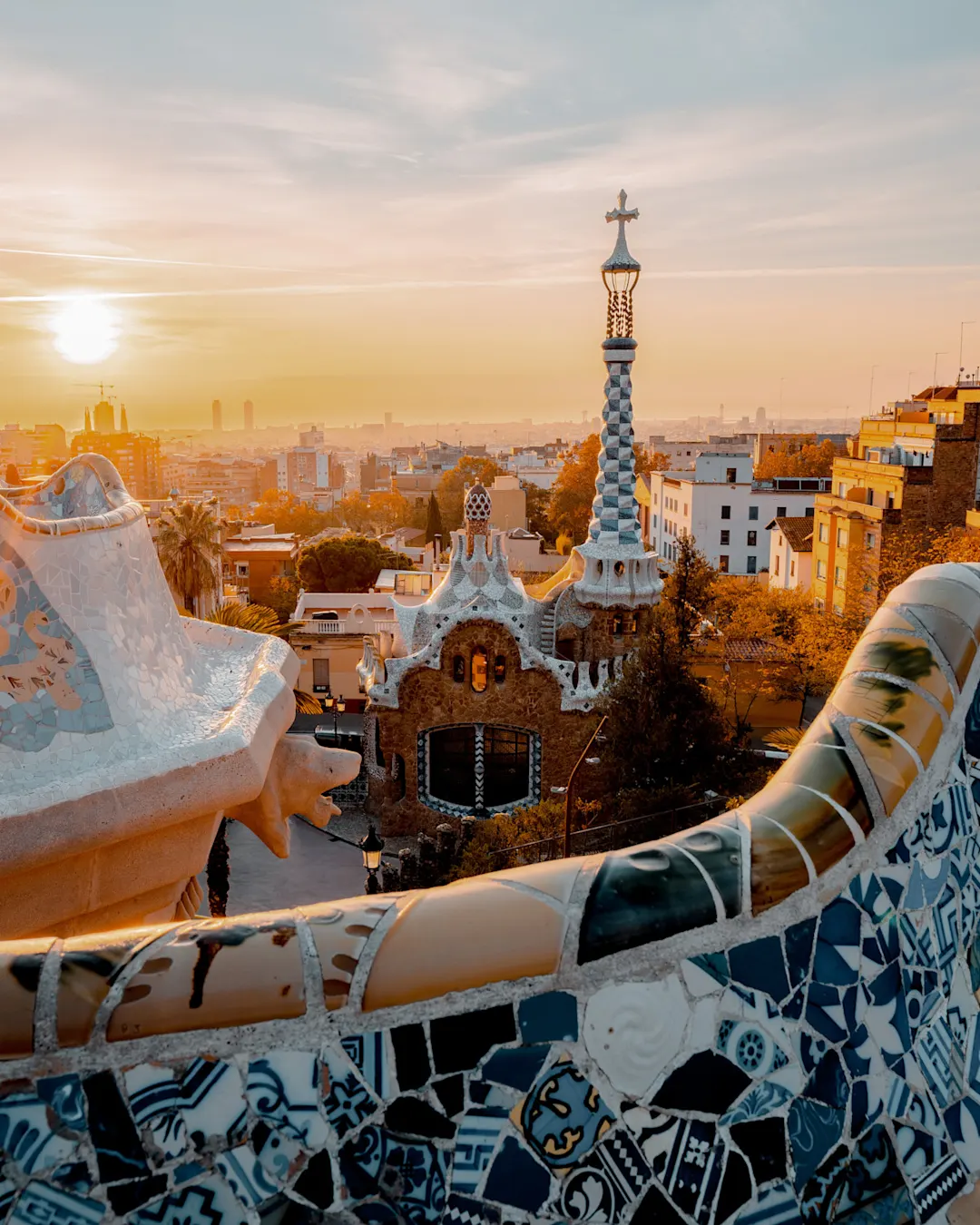
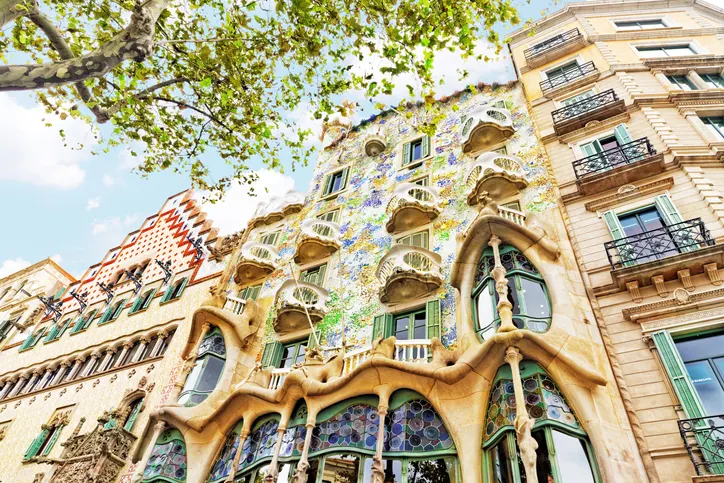
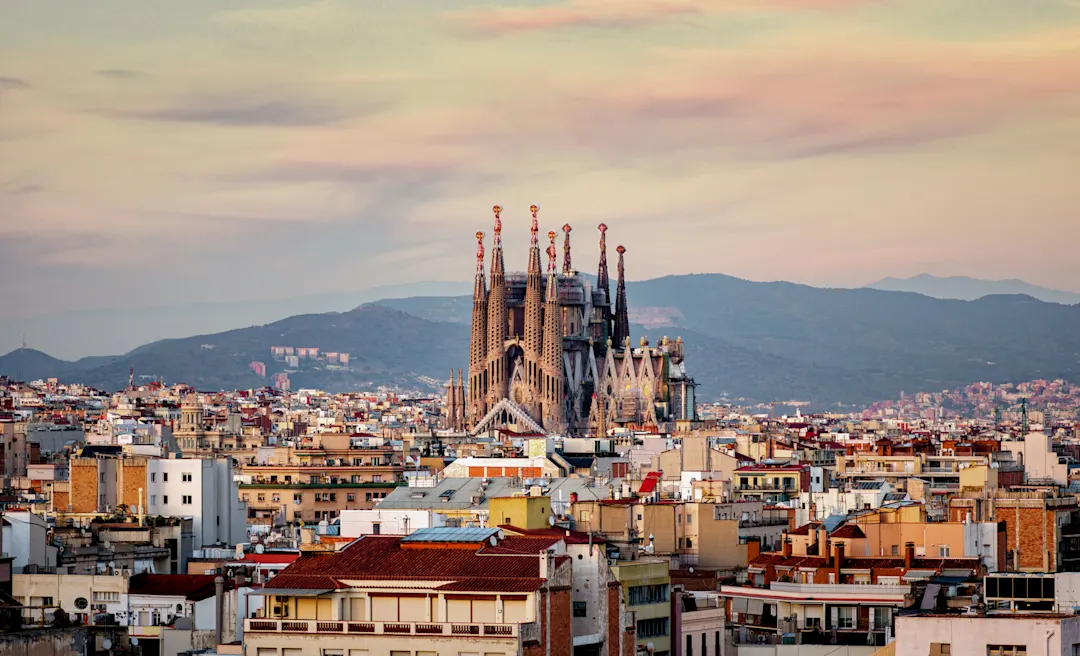
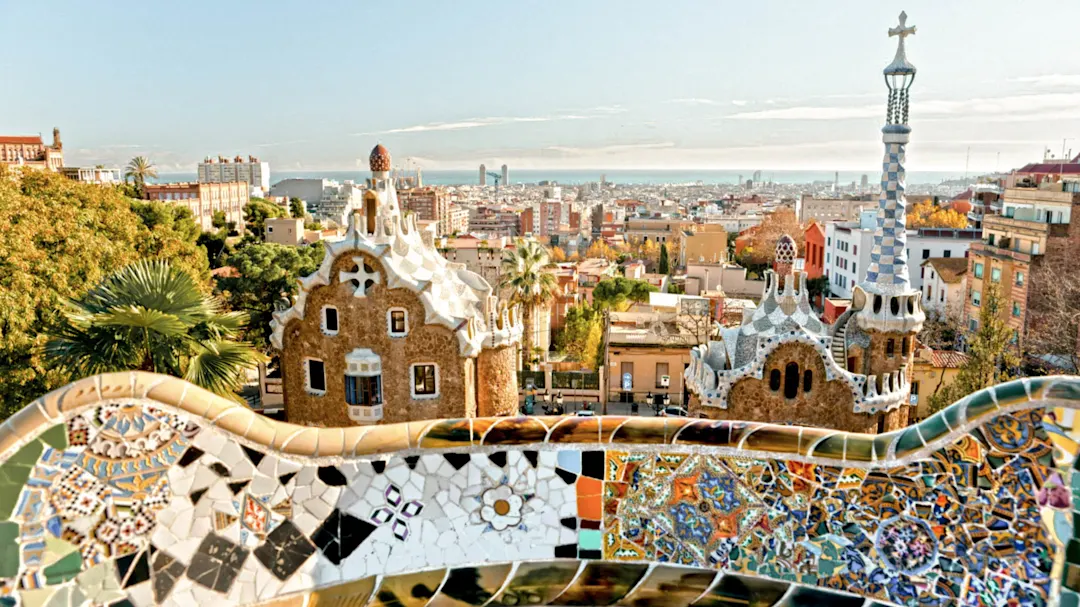
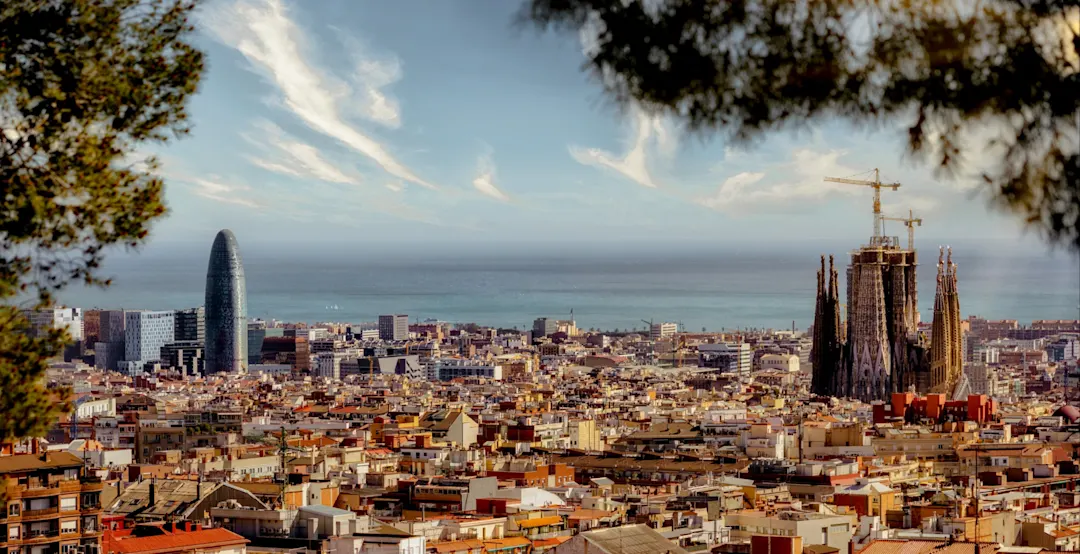
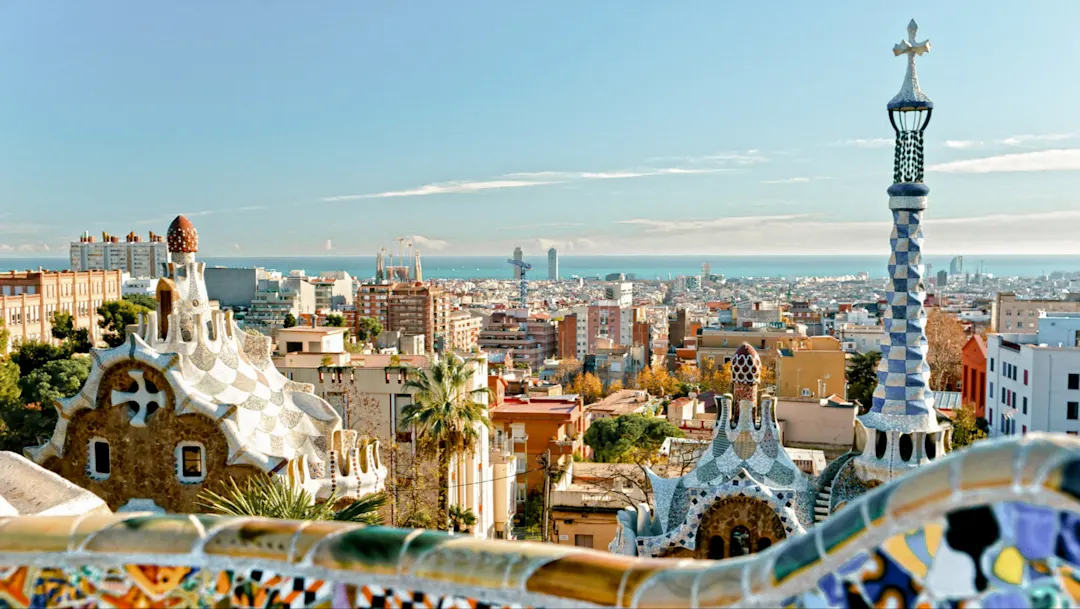
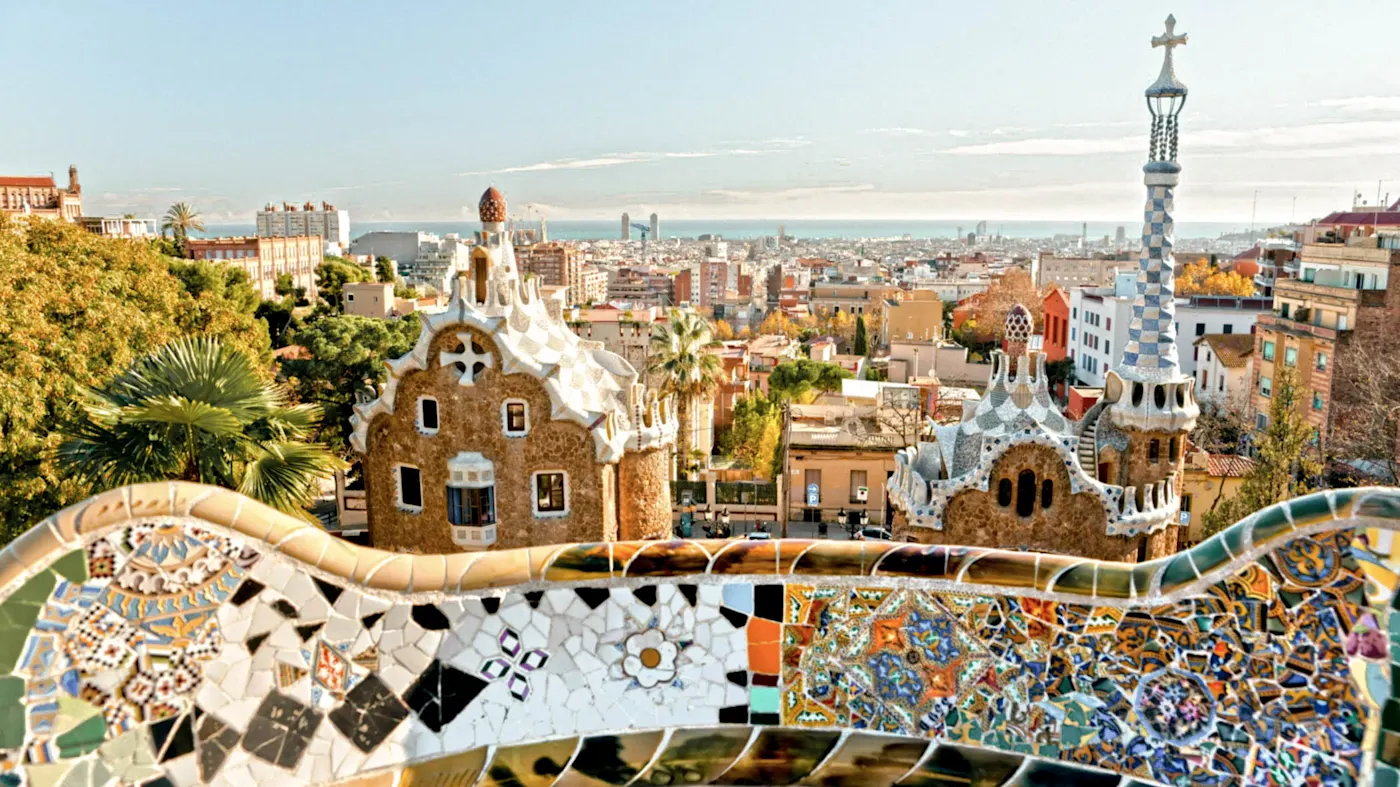
Barcelona is not a city for a quick stopover. Gaudí's works are scattered throughout the city — from the Sagrada Família and Park Güell to Casa Batlló — and each one needs a ticket with a specific entry time, booked well in advance. Plan around time slots, not just days. Three days is the absolute minimum: enough to visit Gaudí's monuments, the Gothic Quarter, and the Eixample, and to enjoy an afternoon of tapas and beach time. A fourth or fifth day opens up Catalonia: the jagged peaks of Montserrat, medieval Girona, the coves of the Costa Brava, or the Penedès region, home of cava. Give the city three days first, then decide how far into the region you want to go.
Lara van Bebber
Certified Spain specialist
- 115+ trips planned
- Personally visited 6 times
- 3+ years of experience
- Specialist in Tanzania, Kenya, and the Seychelles
Plan your trip for free
Your tailor-made itinerary – No cost, no commitment

Barcelona's Gaudí sites need tickets with specific entry times. Plan around time slots, not just days. Three days is the absolute minimum. That covers the main monuments, the Gothic Quarter, and the Eixample, plus an afternoon of tapas and the beach. Any extra days go to Catalonia: the peaks of Montserrat, medieval Girona, or the coves of the Costa Brava. Two days is too short, given the distances between the Gaudí sites.
3 days — The city itself. Sagrada Família, Park Güell, the Gothic Quarter, the Eixample, and Barceloneta.
4 days — Add a day trip into Catalonia. Montserrat, Girona, or the Costa Brava coast.
5 days — Barcelona at a fuller pace, with the coast, the Dalí museum at Figueres, or the Penedès wine country.
| Days in Barcelona | Best for | Combine with — wider route |
|---|---|---|
| 3 days | The city on its own | Barcelona + Gaudí + Gothic Quarter |
| 3 days | Spain's two great cities | Madrid ▸ Barcelona |
| 3 days | One stop on a Europe tour | Paris ▸ Barcelona ▸ Rome |
| 4 days | The city plus a Catalan day trip | Barcelona + Montserrat or Girona |
| 5 days | Barcelona and the Costa Brava | Barcelona + coast + Figueres |
These stages are a guide, not a fixed route. Every trip is tailored to you.

Plan for free
Custom holiday packages and trips that fit your budget

Personalized for you
Itineraries built exactly to your needs

Private VIP guides
A personal English-speaking, native-European travel expert for every step

Peace-of-mind support
Full service assistance before, during, and after your trip
Three days make an ideal starting point, and enough to see Barcelona properly if you book the Gaudí tickets in advance. The city splits cleanly: one day for Gaudí, one for the historic center, one for the seaside and great food. Timed-entry tickets for the Sagrada Família and Park Güell set the pace of your visit. Book these first, and plan the rest around them.
Day 1 — Gaudí: the Sagrada Família, Park Güell, and Casa Batlló or La Pedrera on the Passeig de Gràcia.
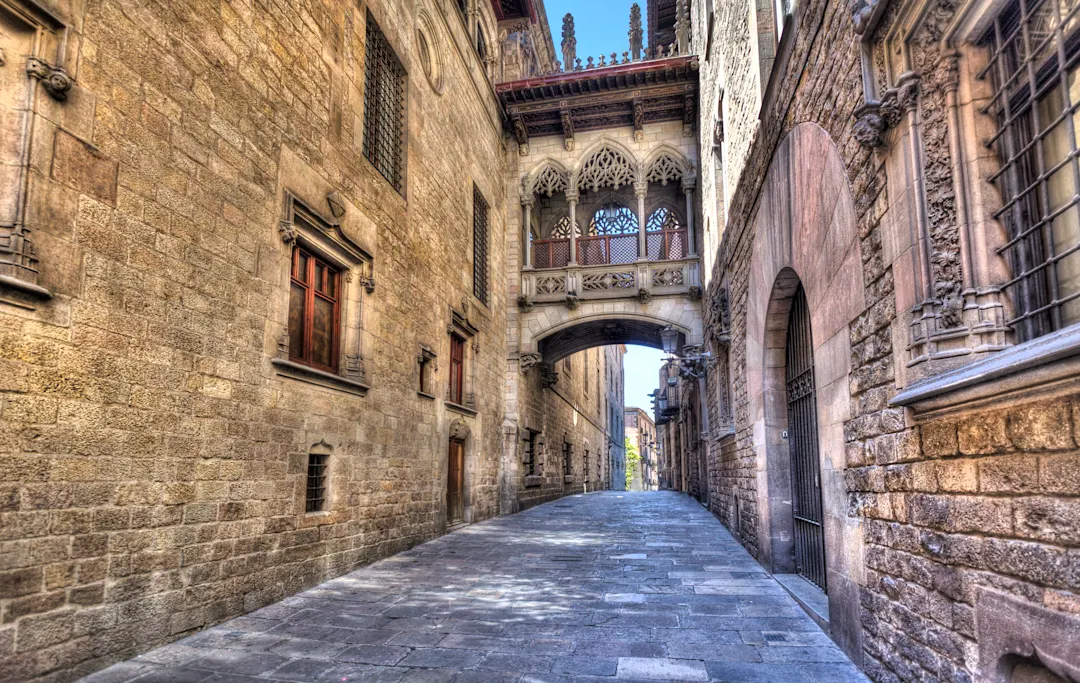
Day 2 — The Gothic Quarter and El Born: the cathedral, Santa Maria del Mar, and the Picasso Museum, then La Boqueria off La Rambla.
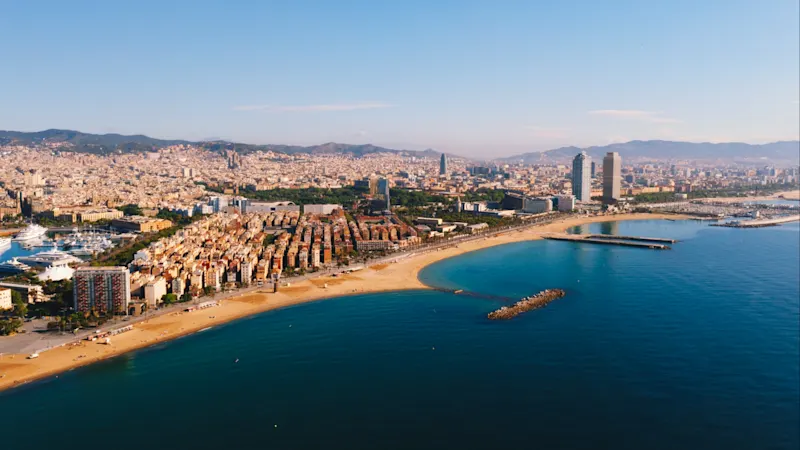
Day 3 — Montjuïc for the views and its museums, then Barceloneta for the beach and a long seafood lunch.
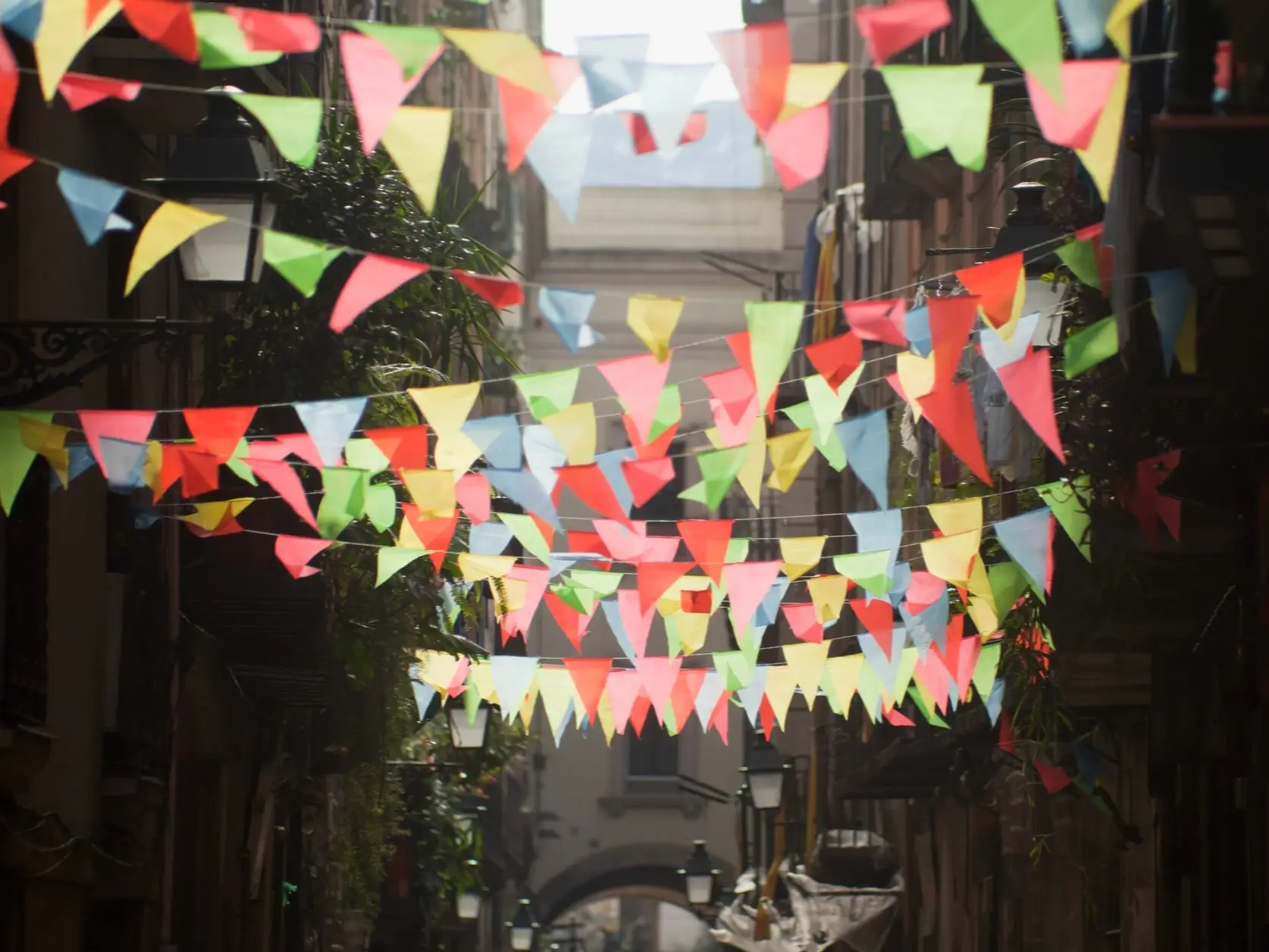
The fourth day is for venturing out of the city while staying within its orbit. The obvious call is Montserrat — a monastery among jagged peaks about an hour away, famous for its Black Madonna and boys' choir. Or head north to Girona: a 40-minute train ride brings you to medieval walls and a well-preserved Jewish Quarter. This is the day that shows how Barcelona is the capital of a region, not just a city.
Days 1–3 — The city: Gaudí, the old town, the coast.
Day 4 — A day trip: Montserrat's monastery and peaks, or Girona's old town and cathedral.
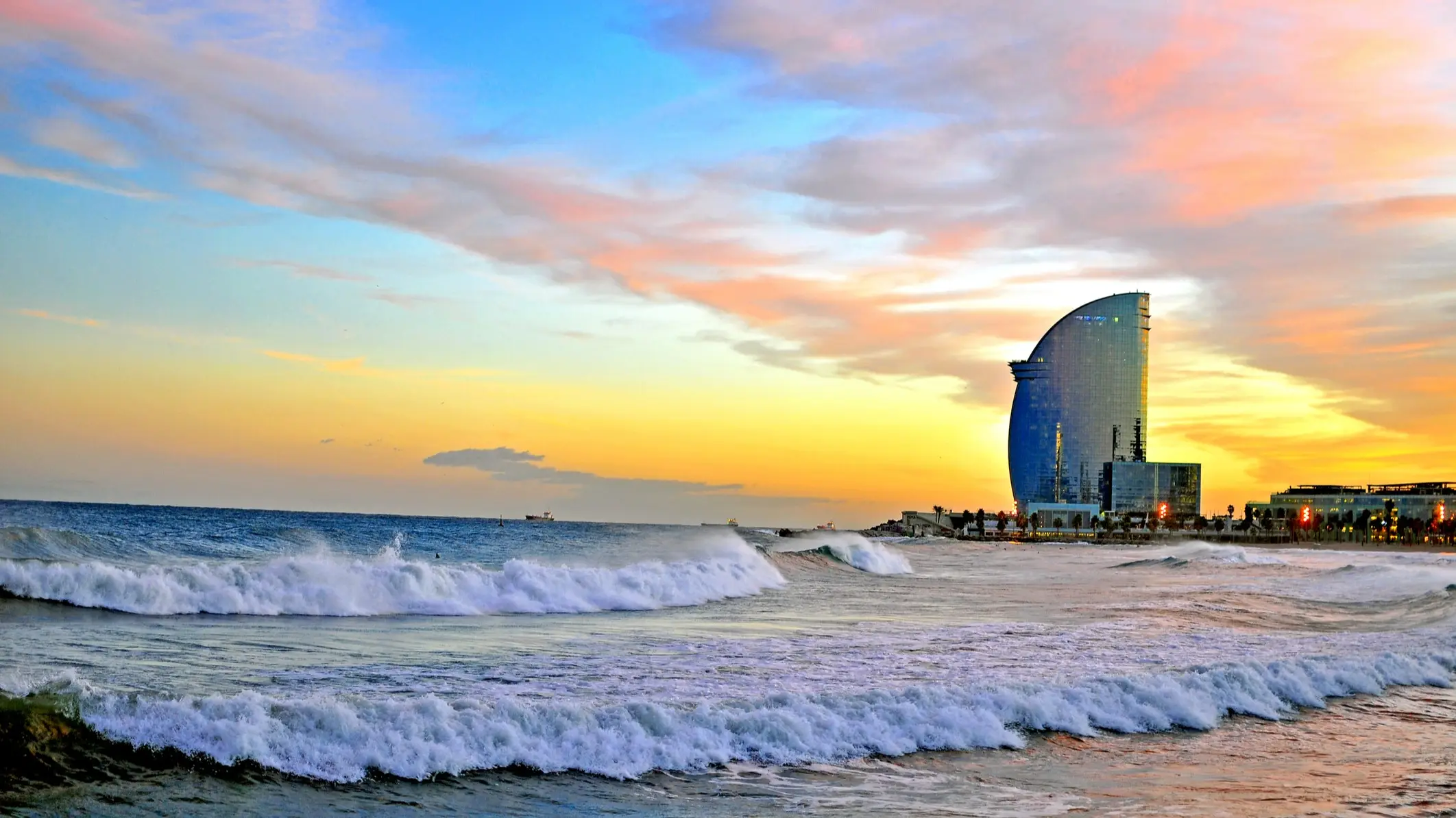
Five days let you pair a city visit with the Catalan coast. Beyond Montserrat, there's the Costa Brava with its string of coves and fishing villages, the Dalí Theatre-Museum in Figueres for a touch of surrealism, and the Penedès vineyards for a day of cava. Evenings are best spent back in Barcelona. This is when the city dines late and comes alive.
Days 1–3 — Barcelona's core, unhurried.
Day 4 — Montserrat, or Girona and Figueres for Dalí.
Day 5 — The Costa Brava coast, or a cava tasting in the Penedès hills.
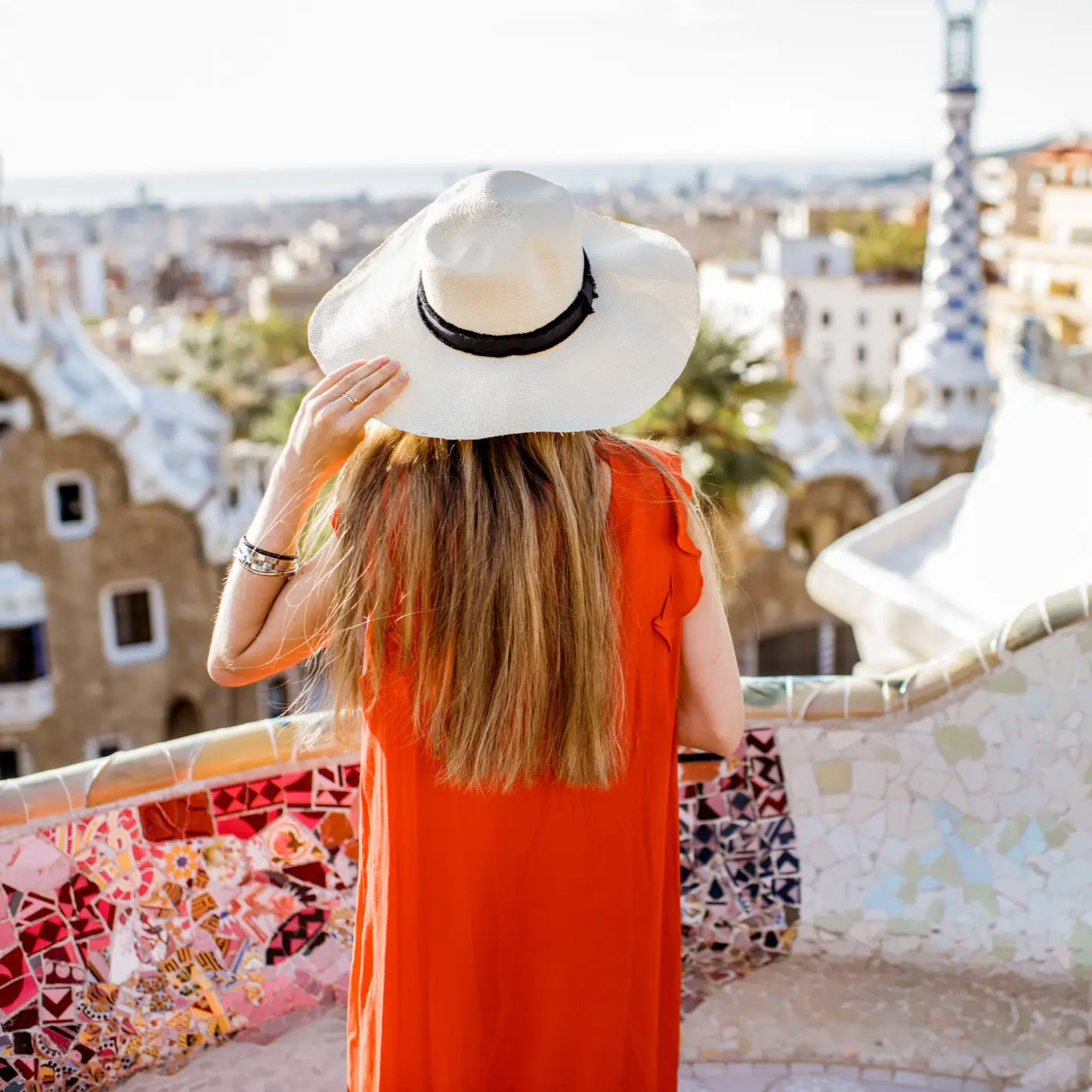
Book Gaudí before you book anything
Barcelona is one of the few cities where the constraint is the sights, not the days. Entry to the Sagrada Família, Park Güell, and Casa Batlló is timed, and in peak season the best slots sell out weeks in advance. That is why three days is the absolute minimum. You're not just strolling a compact historic center, you're fitting appointments across the city. Secure your Gaudí tickets first, then plan the rest — the Gothic Quarter, the beach, and tapas — around the gaps between visits. To find out which attractions need advance booking, check out our guide to things to do in Barcelona.
The city runs late
Plan your movements around Barcelona's rhythm, not your own. Lunch peaks at 2:00pm, dinner rarely starts before 9:00pm, and the evening stroll is when the streets come alive. That pace stretches out the day: a slow morning at the market, the afternoon heat spent at the beach or in a museum, then the city waking up after sunset. Factor in these long evenings, and you'll need a full three days, not counting any day trips. Summer amplifies this. If you visit in July or August, make the most of the mornings and evenings, and let the middle of the day go slow.
Coast or mountains for the extra days
Extra days send you into Catalonia, a region that pulls in two directions. To the north lie the medieval walls of Girona and the coves of the Costa Brava. Inland, you'll find the Montserrat monastery and, just beyond, the Penedès region, home of cava. A fourth day picks one. A fifth lets you pair the coast with the surreal, adding the Dalí Museum in Figueres. Rail covers many of these destinations — Montserrat in about an hour, Girona in 40 minutes — so a day trip barely dents your time in the city. Planning to explore other parts of Spain? See our Spain travel guide.
When you go
Late spring and early autumn are the sweet spot: May, June, September, and October bring warm days, a swimmable sea, and a city calmer than at the peak of summer. July and August are hot and crowded, though the beach and long daylight hours hold their appeal. Winter is mild by European standards, quiet, and good value. It is also the easiest time to visit the Sagrada Família without booking tickets months in advance. For a season-by-season overview, consult our guide to the best time to visit Spain.