
How many days in Seville?
The right length for Seville, from the Alcázar and flamenco to the road through Córdoba and Granada
Plan your Trip
Your tailor-made itinerary – No cost, no commitment
Excellent
4.6 of 5
6,137Reviews
Excellent
Recommended trip duration
Seville is a city you feel before you finish seeing it. The Alcázar gardens, the Cathedral and the climb up the Giralda, a flamenco evening in the neighborhood where the art form was born, tapas in the shade of orange trees — two days let you savor all of this without rushing. Yet hardly anyone comes to Seville solely for Seville. It is the doorway to Andalusia, and the natural instinct is to travel further: the Mezquita in Córdoba is a 45-minute high-speed train ride away, while Granada and the Alhambra lie a little beyond. Give the city two days, then let the region draw you eastward.
Lara van Bebber
Certified Spain specialist
- 115+ trips planned
- Personally visited 6 times
- 3+ years of experience
- Specialist in Tanzania, Kenya, and the Seychelles
Plan your trip for free
Your tailor-made itinerary – No cost, no commitment
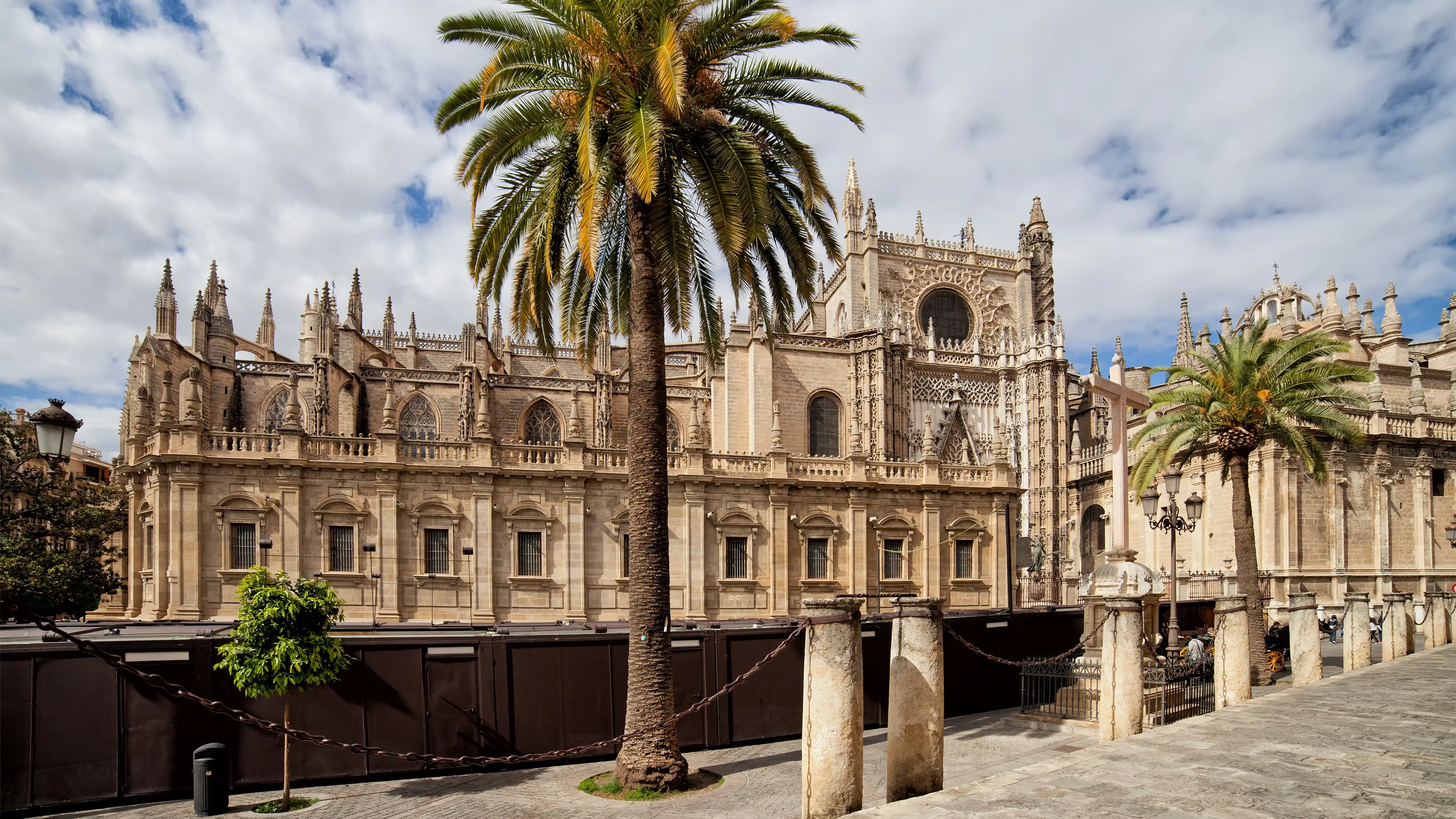
Seville's monuments fill a day, but the city comes alive in the evening, so two days is the absolute minimum. That covers the Alcázar, the Cathedral, and the Giralda, the Santa Cruz and Triana neighborhoods, and a flamenco performance. Beyond that, your days belong to the rest of Andalusia, with Córdoba and Granada a fast train east. A single day sees the monuments but misses the evening atmosphere.
2 days — The city itself. The Alcázar, the Cathedral and Giralda, Santa Cruz, Triana, and a flamenco night.
3 days — Add a day trip. Córdoba's Mezquita, or a slower third day across the river in Triana.
4+ days — Seville as the gateway to Andalusia, on toward Córdoba and Granada.
| Days in Seville | Best for | Combine with — wider route |
|---|---|---|
| 2 days | The city itself | Seville + Alcázar + flamenco |
| 3 days | The city plus a day trip | Seville + Córdoba |
| 3 days | The Andalusian triangle | Seville ▸ Córdoba ▸ Granada |
| 4 days | Andalusia at a fuller pace | Seville ▸ Granada ▸ Ronda |
| 5+ days | Andalusia and beyond | Seville ▸ Granada ▸ Rome & the Amalfi Coast |
These stages are a guide, not a fixed route. Every trip is tailored to you.

Plan for free
Custom holiday packages and trips that fit your budget

Personalized for you
Itineraries built exactly to your needs

Private VIP guides
A personal English-speaking, native-European travel expert for every step

Peace-of-mind support
Full service assistance before, during, and after your trip
Two days is the minimum to explore the city at a comfortable pace. Give one day to the major monuments and the other to the neighborhoods and the river, with a flamenco performance (book in advance). Everything in the historic center is within walking distance.
Day 1 — The Real Alcázar and its gardens, then the Cathedral and a climb up the Giralda. A flamenco performance in the evening.
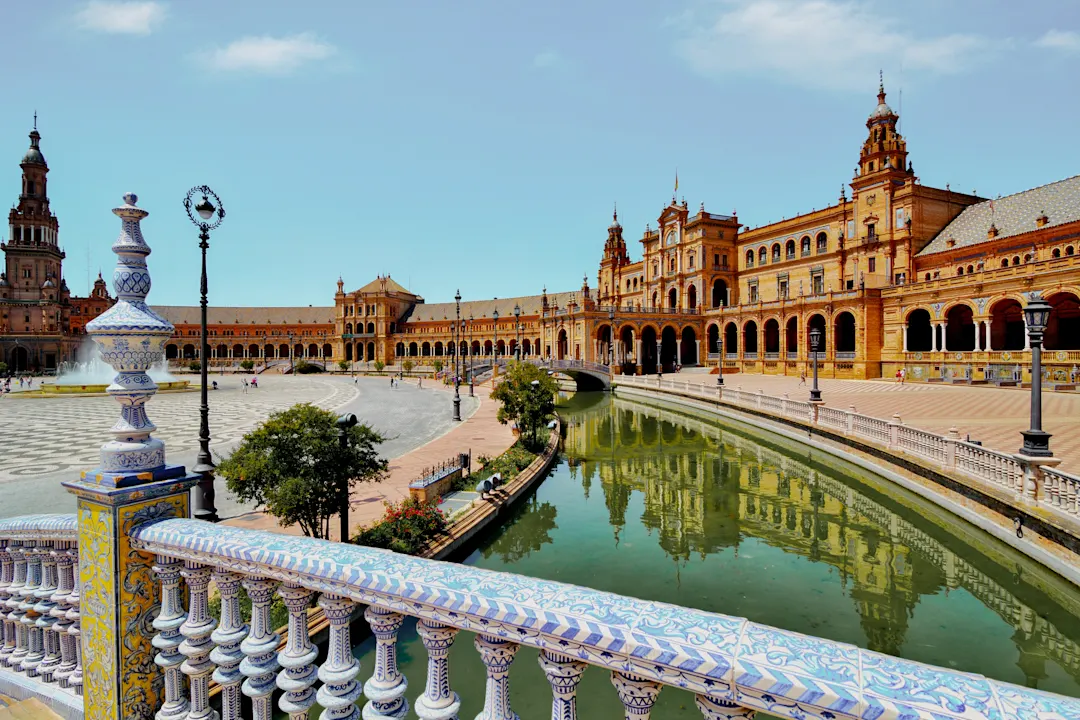
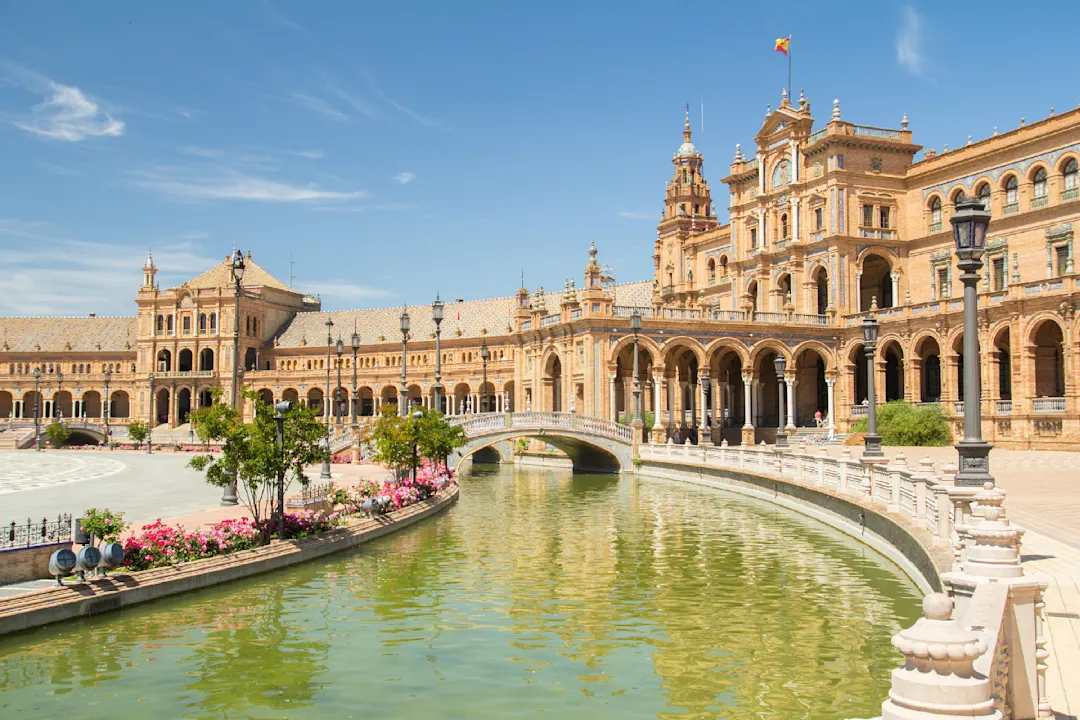
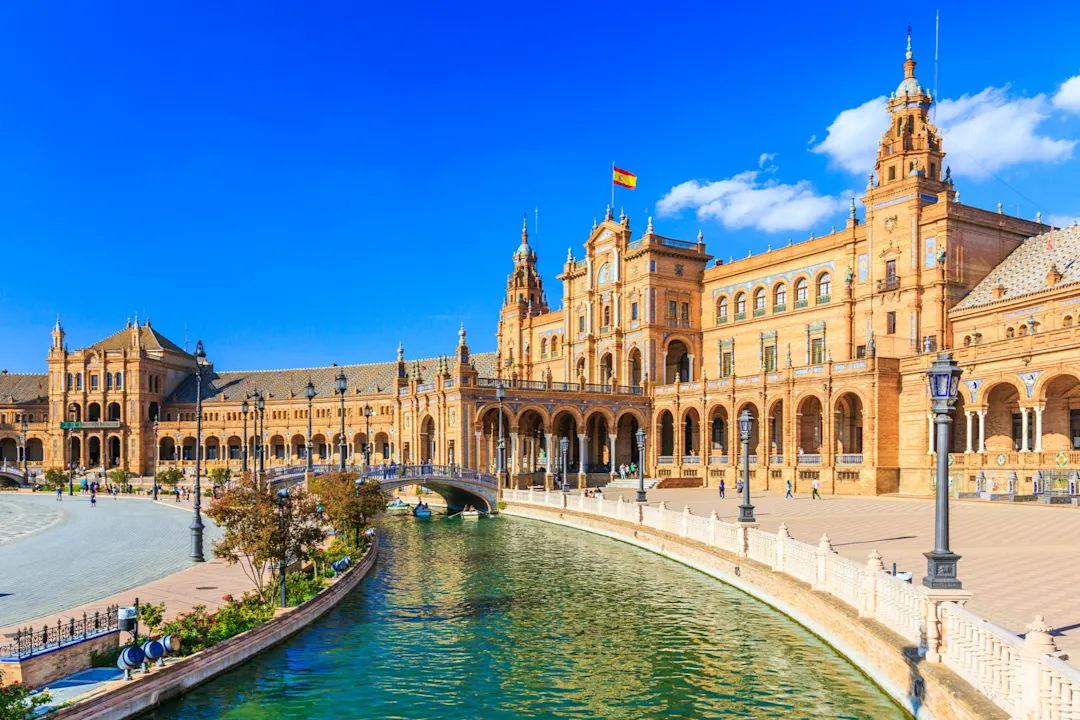
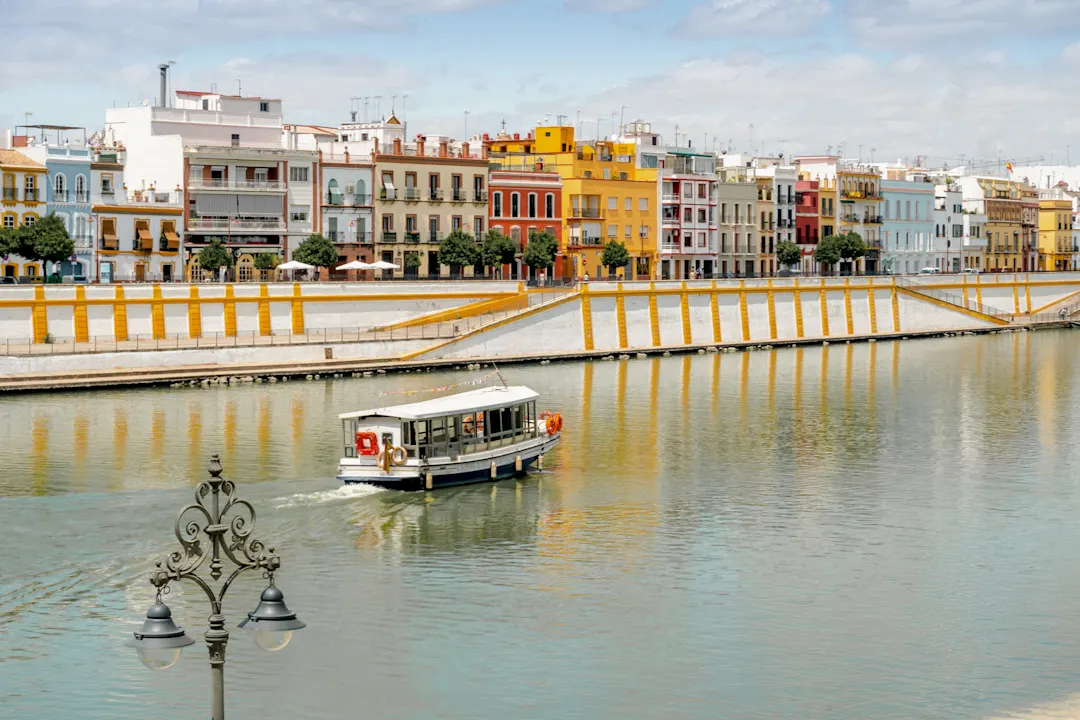
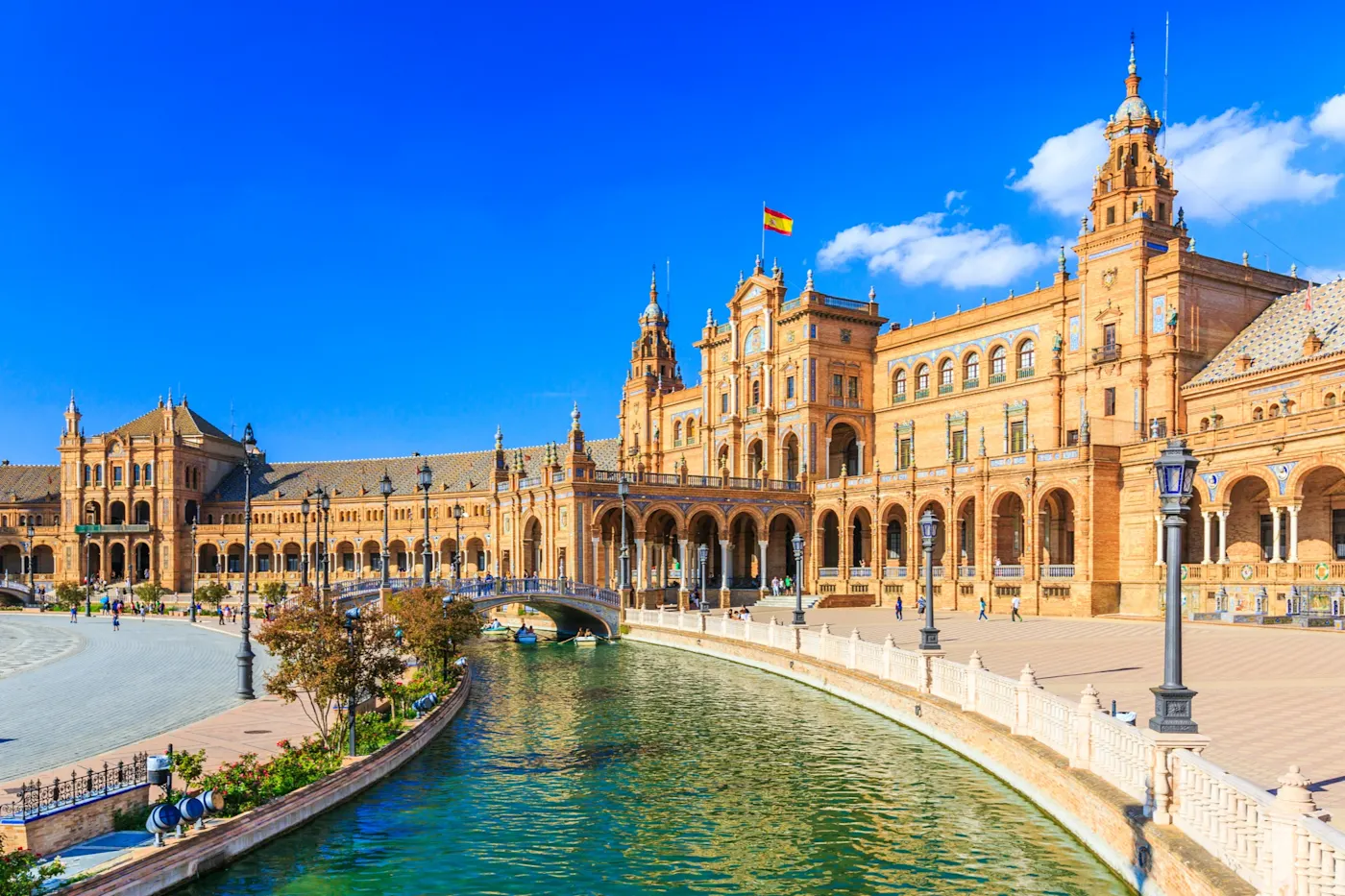
Day 2 — The lanes of Santa Cruz, the Plaza de España and María Luisa Park, then across the river to Triana for tapas.
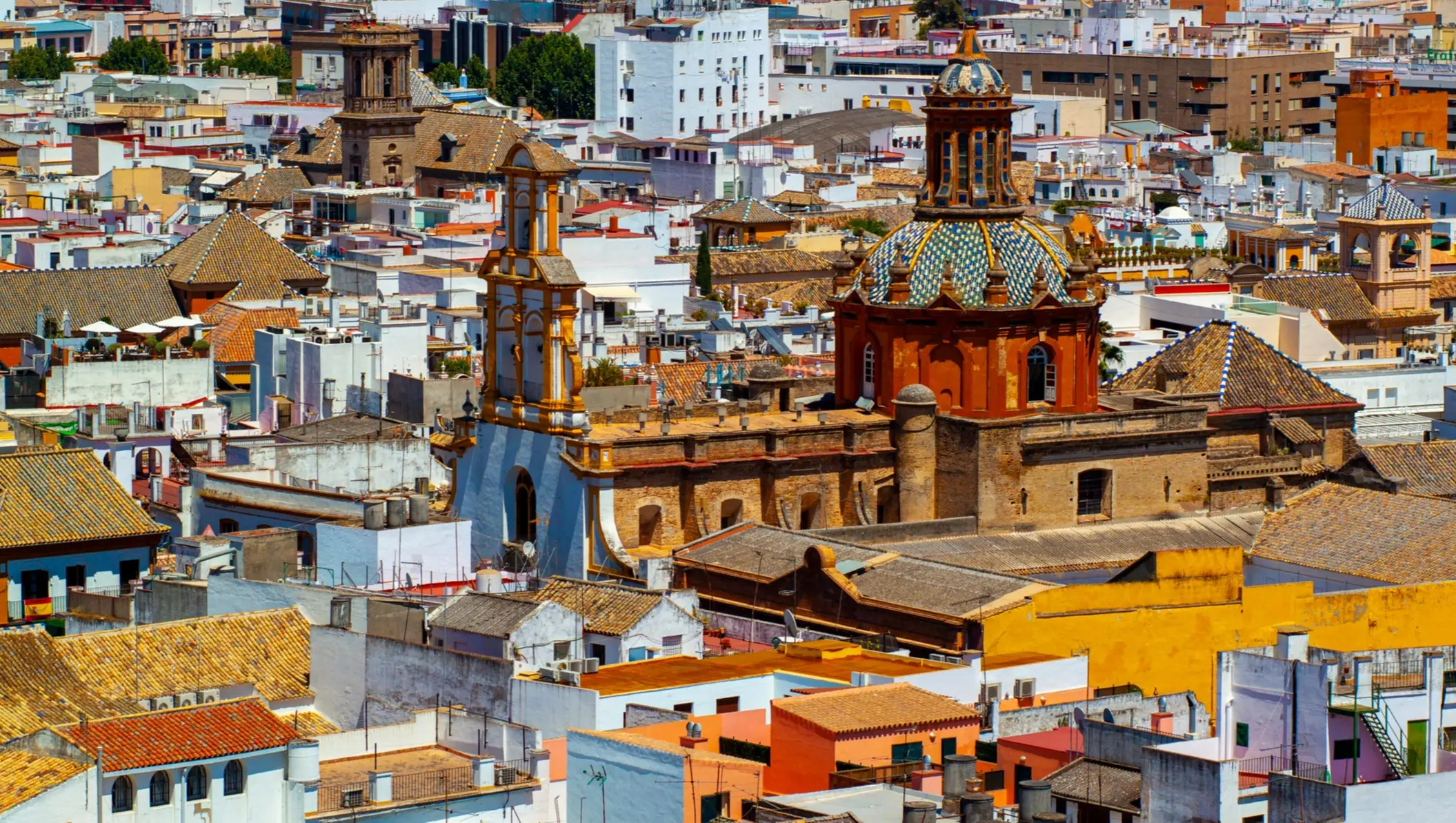

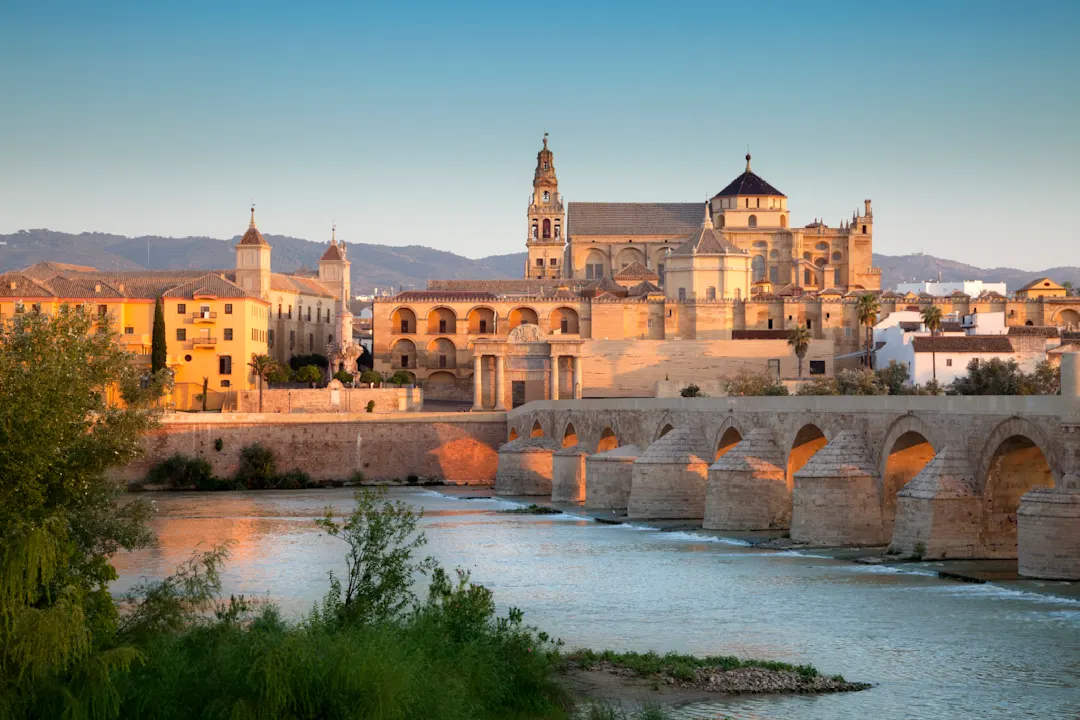
The third day is perfect for a high-speed train trip to Córdoba, 45 minutes east. The Mezquita alone justifies the journey — a mosque-cathedral of red-and-white arches unlike anything in Seville, ringed by flower-filled courtyards and the historic Jewish Quarter. You're back in Seville for dinner. If you'd rather not go far, the alternative is a slower day: the Triana market, a boat ride on the Guadalquivir, or a long, leisurely lunch.
Days 1–2 — The city: the Alcázar, the Cathedral, Santa Cruz, and Triana.
Day 3 — A day trip to Córdoba and the Mezquita, or a slow day along the river.
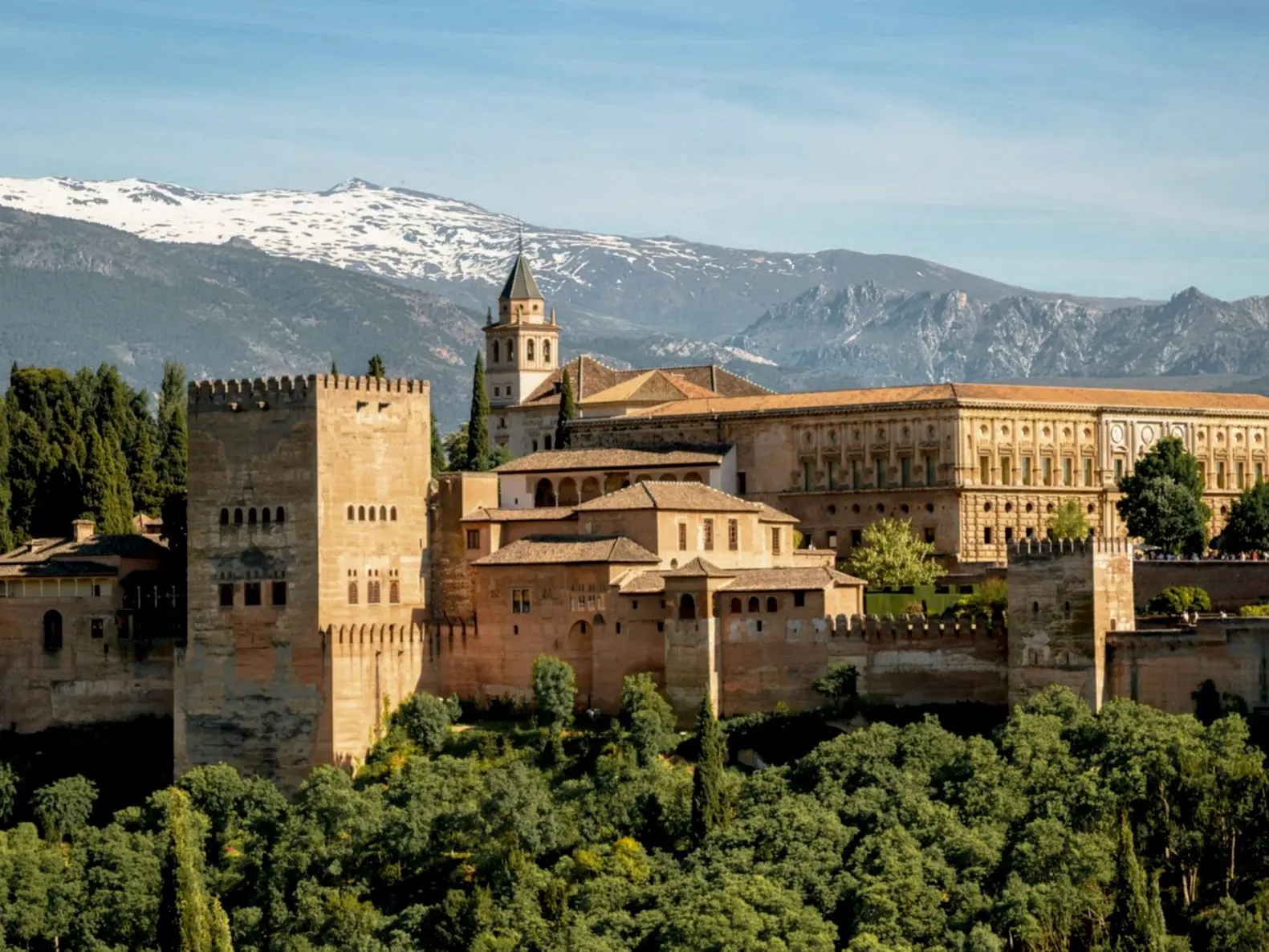
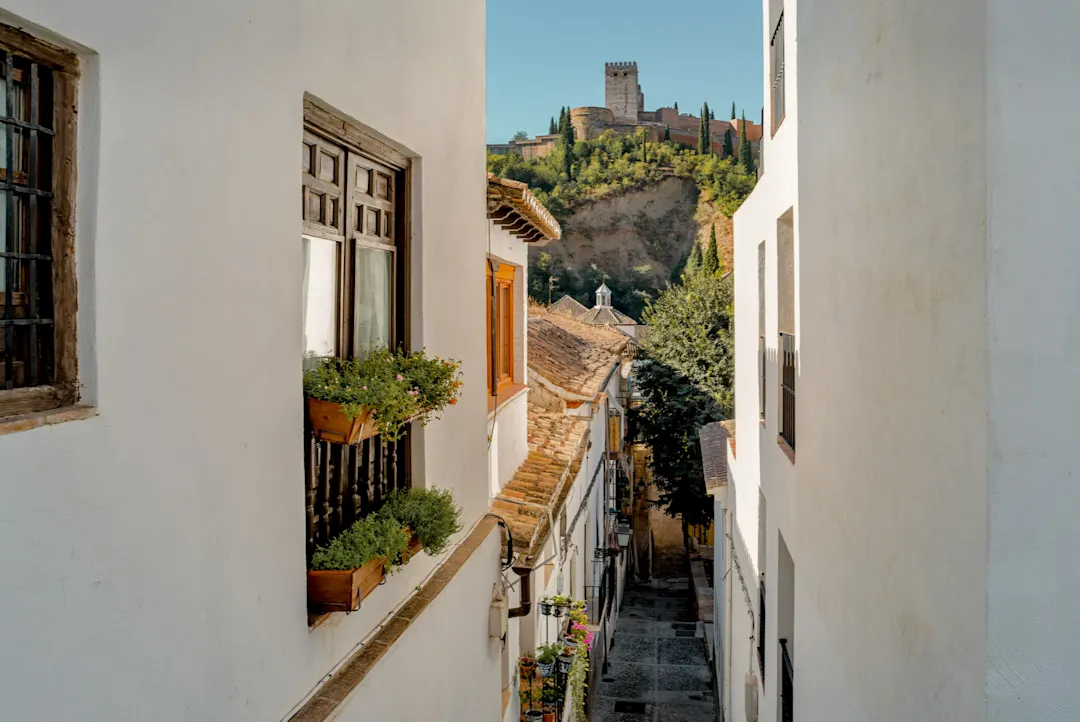
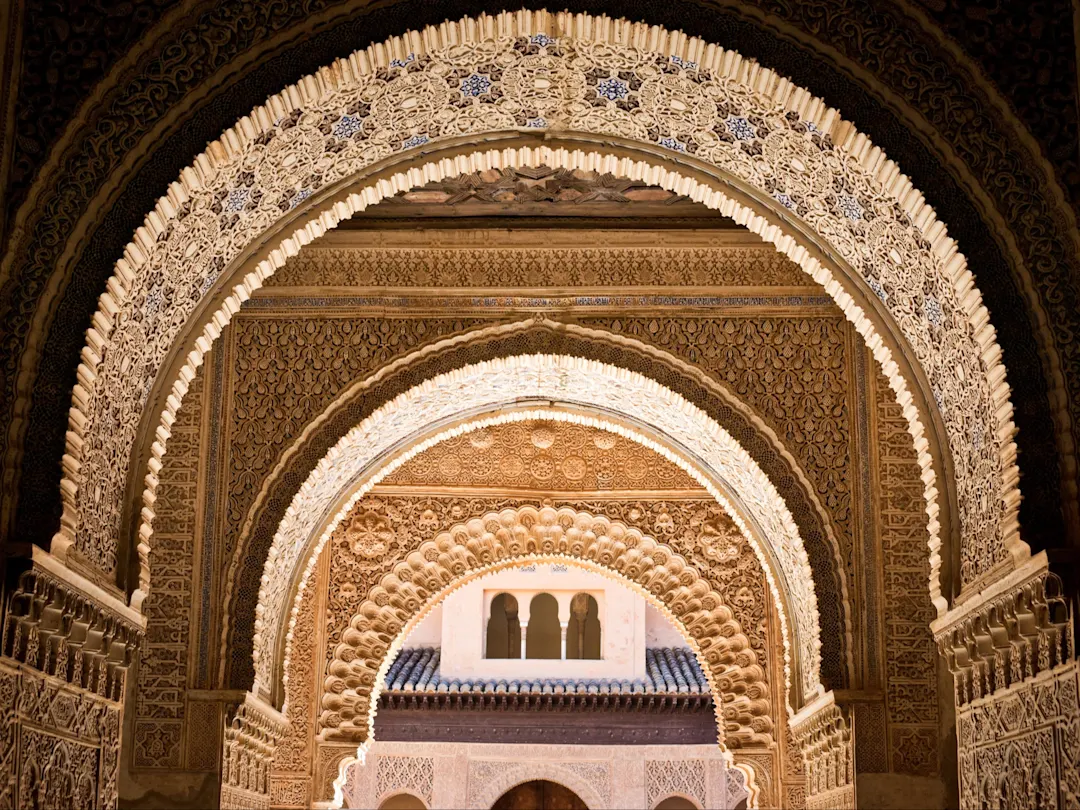
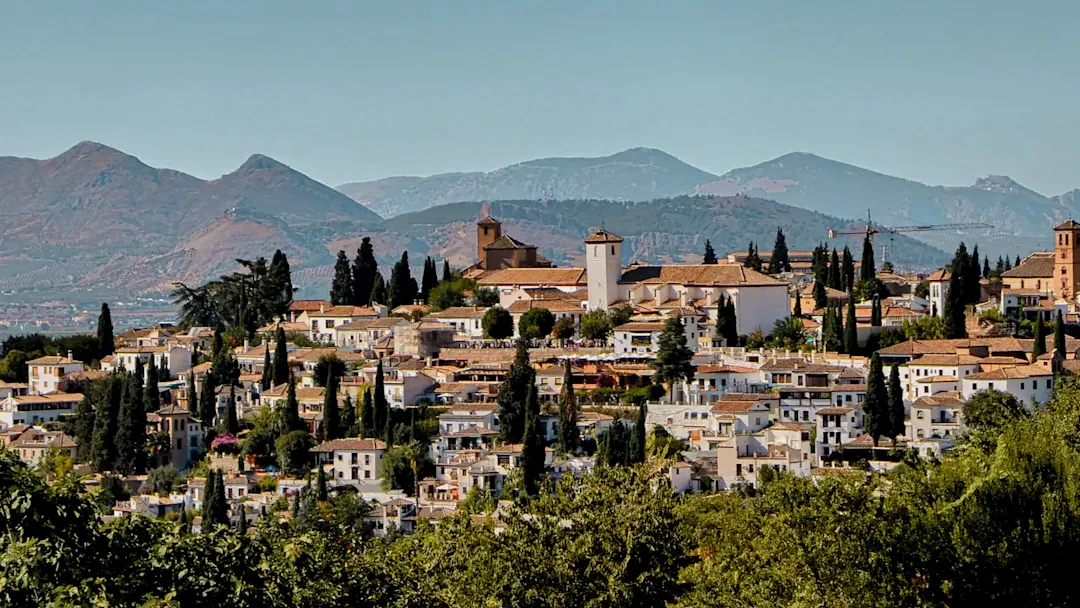
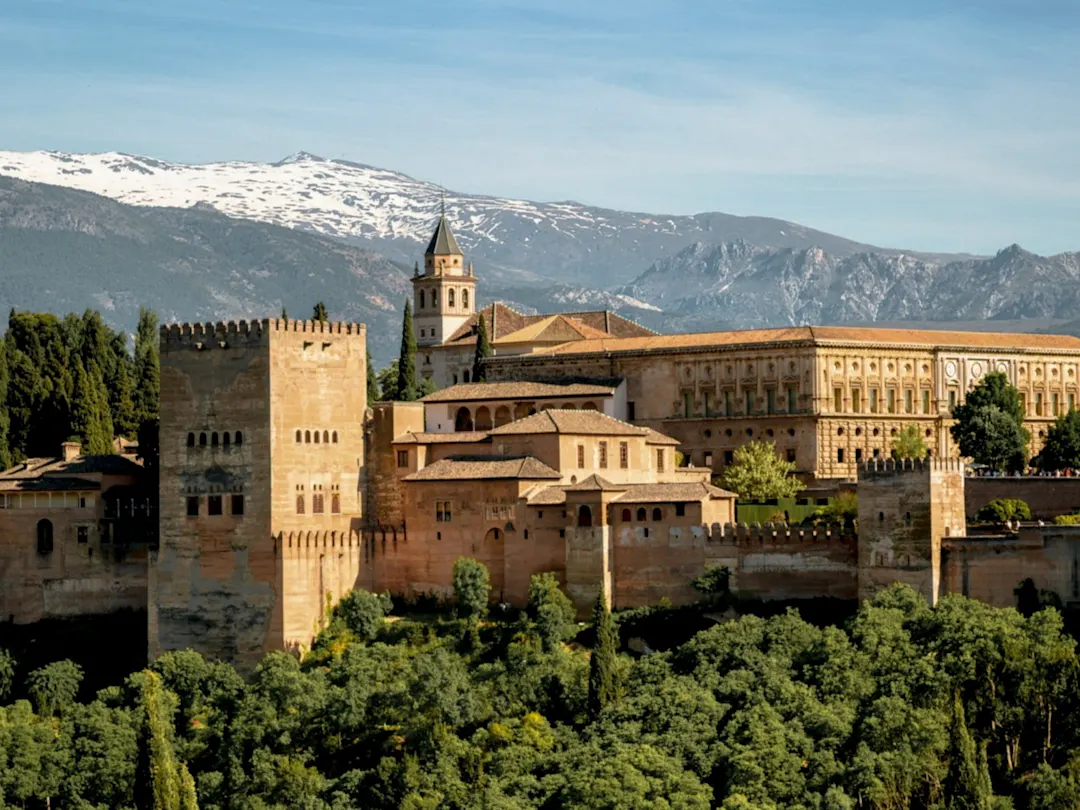
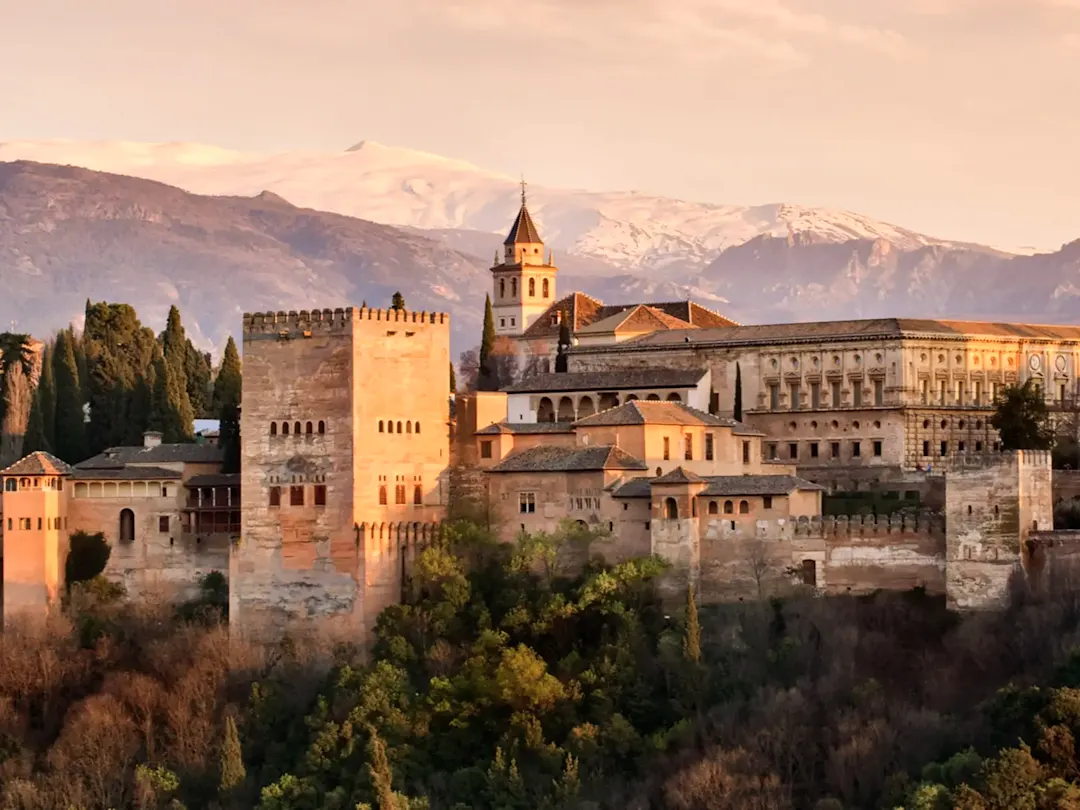
With four or more days, Seville becomes a base for the whole region rather than a single stop. A classic route heads east: Córdoba for the Mezquita, Granada for the Alhambra and the Moorish Albaicín, with time to spare for Ronda's bridge over the gorge or the pueblos blancos (white villages) of the Sierra. High-speed rail links these cities, so you travel between history-heavy areas without long drives.
Days 1–2 — Seville, at a leisurely pace.
Day 3 — Córdoba and the Mezquita.
Days 4+ — Granada and the Alhambra, then Ronda or the white villages.
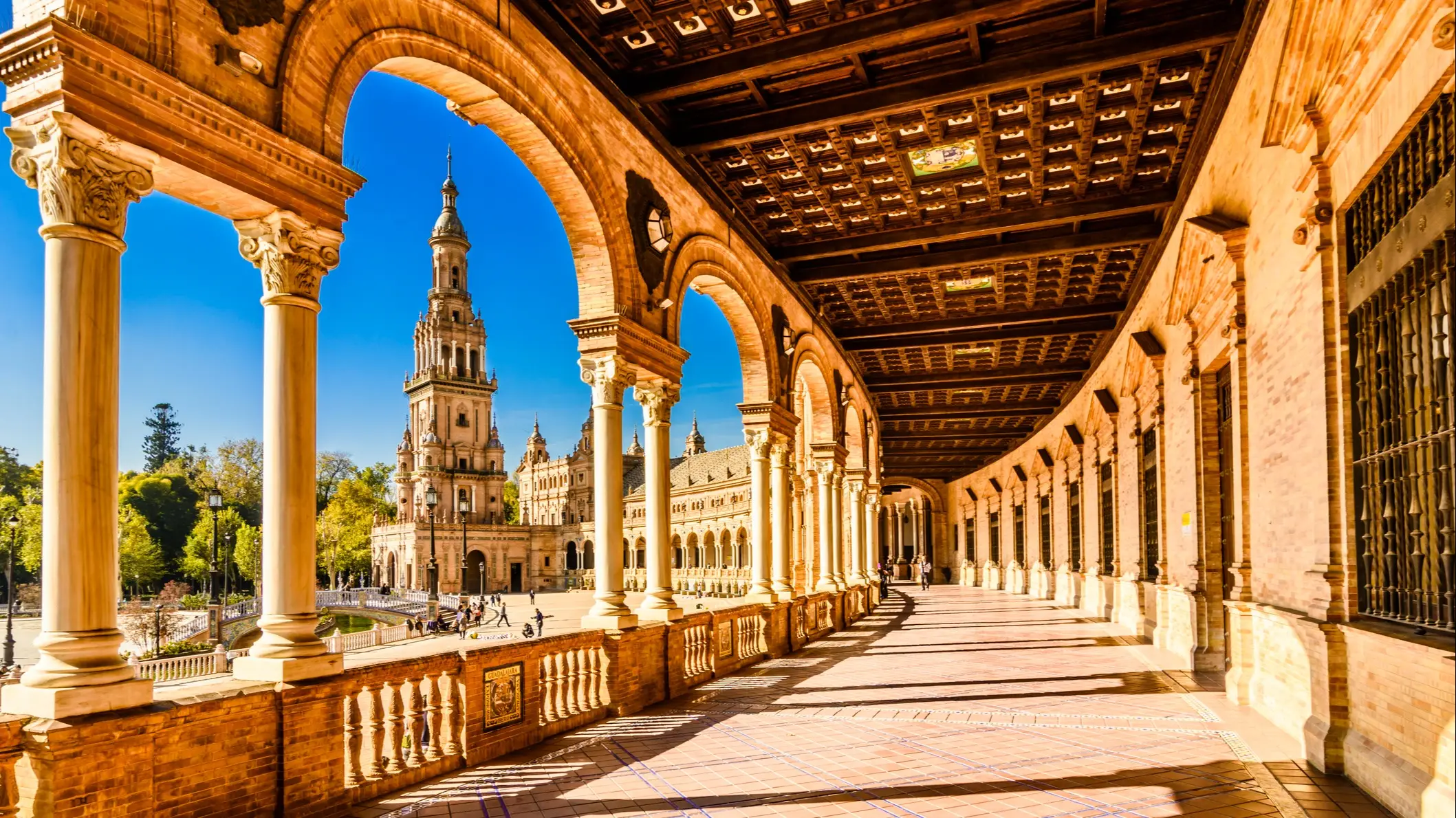
The evenings are the point
Seville comes alive when the heat subsides. The monuments fill the day, but the city's character emerges at night: tapas served in lively bars, the guitar and stamp of flamenco in Triana, and the evening stroll (paseo) along streets scented with orange blossom. Plan a slower pace that saves your energy for late, and two days is ideal, where a single day would let you see the main sights but miss the atmosphere. To discover which attractions are worth your itinerary, check out our guide on things to do in Andalusia.
The gateway to the south
Seville is rarely the only destination on a trip, and that sets the length of your stay. The city is the western point of the Andalusian triangle: Córdoba and Granada are a fast train east, and the pueblos blancos (white villages) and the Jerez sherry region are close by. Two days are enough for the city itself, and four or more if you also want the surrounding area. High-speed rail makes travel easy — Córdoba is 45 minutes away and Granada not much further — so you spend more time on culture and less on transit.
When to go (and the heat)
Timing matters more here than in most Spanish cities, since Seville is one of the hottest places in Europe. Spring (March–May) and autumn (October–November) are ideal: warm days, long evenings, and gardens in bloom. Summers are scorching, often past 100°F, so a summer visit means early mornings, a siesta in the shade, and late nights in the city. Spring also brings Seville's major events, Holy Week and the Feria de Abril — spectacular but very crowded, so book well in advance. For a seasonal overview, consult our guide on the best time to visit Spain.