How many days in Madrid?
The right length for Madrid, from the Prado to the tapas bars and the walled cities of old Castile
Plan your Trip
Your tailor-made itinerary – No cost, no commitment
Excellent
4.6 of 5
6,137Reviews
Excellent
Recommended trip duration
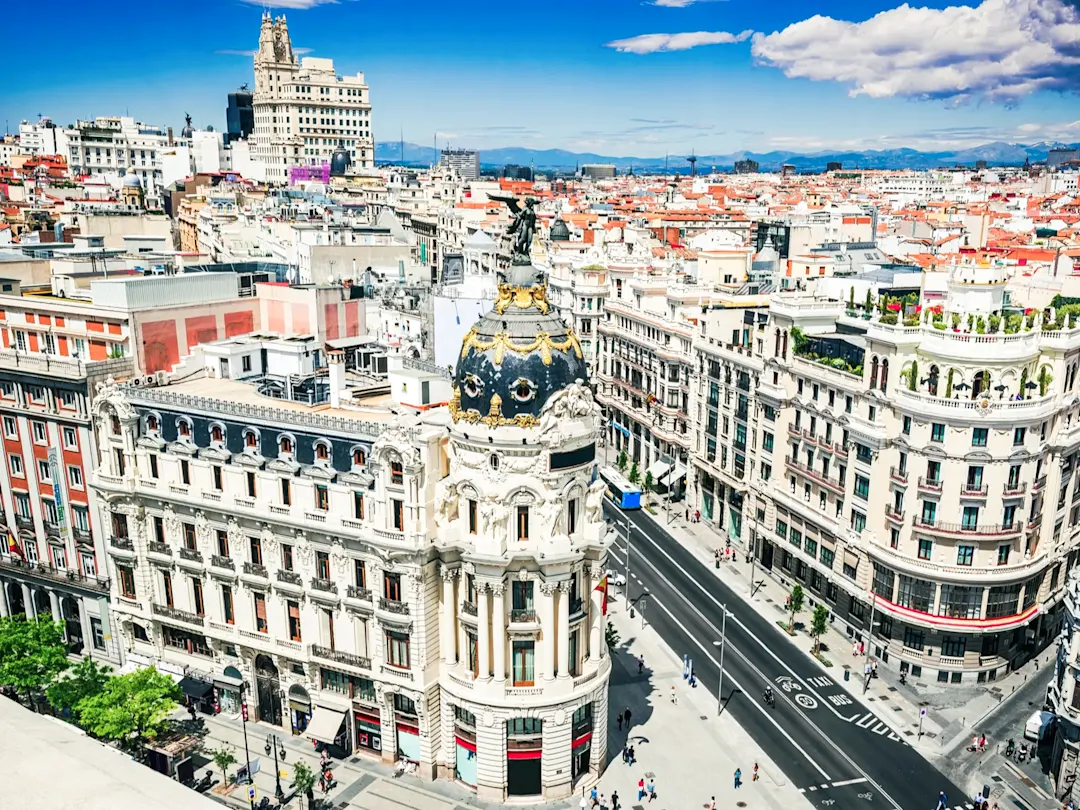
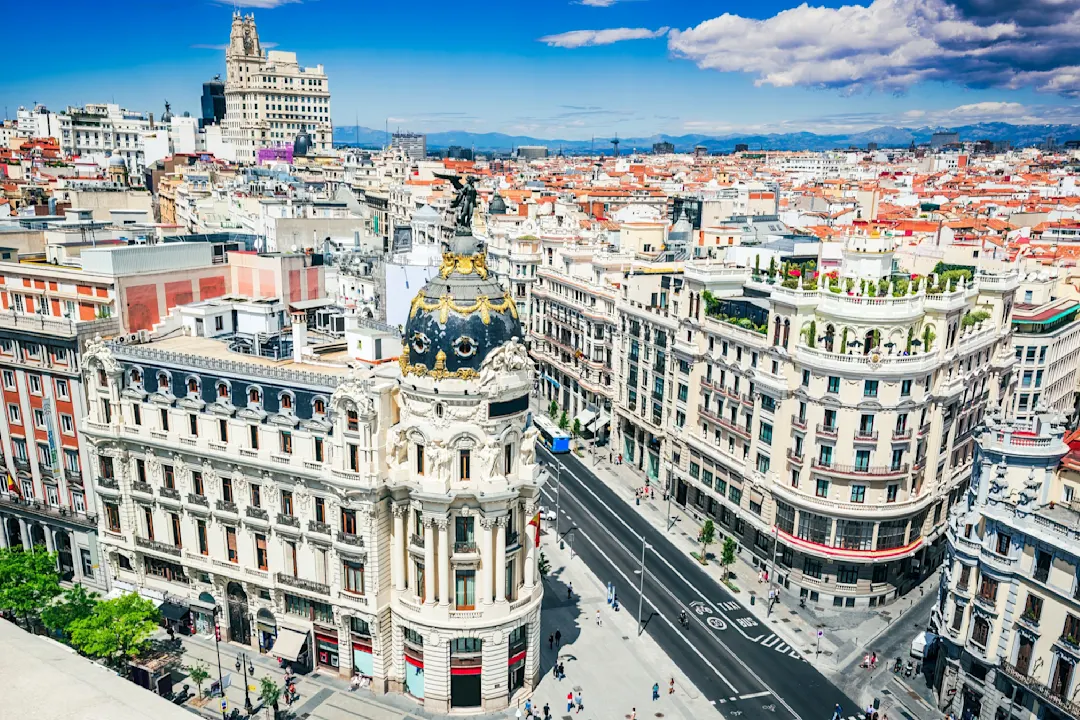
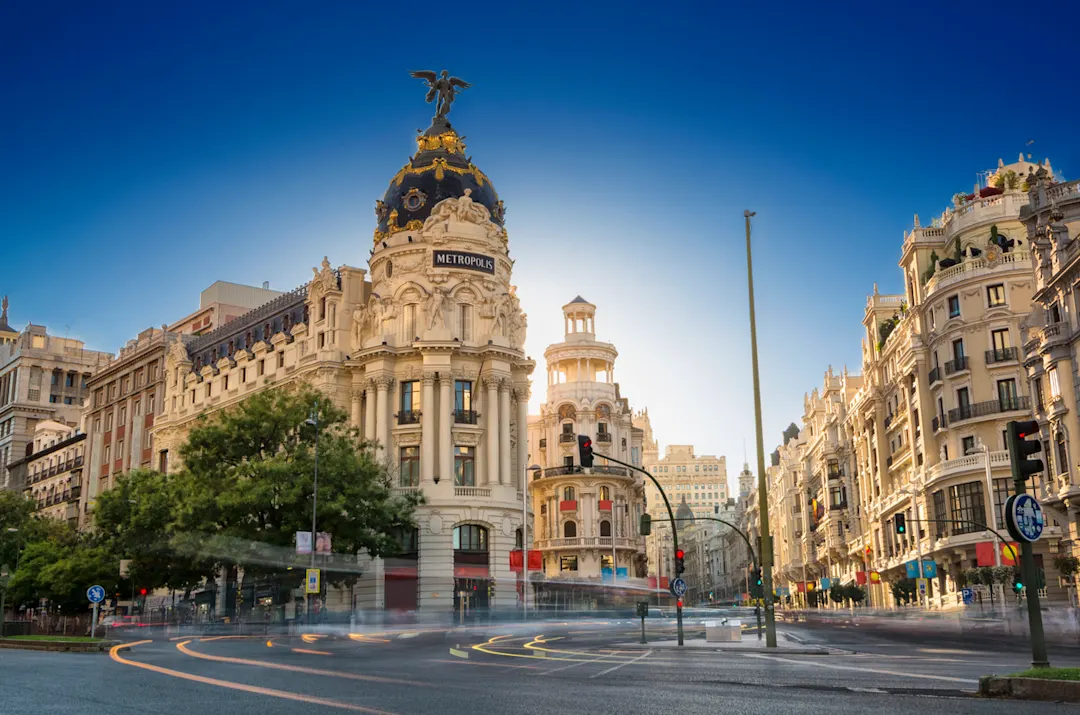
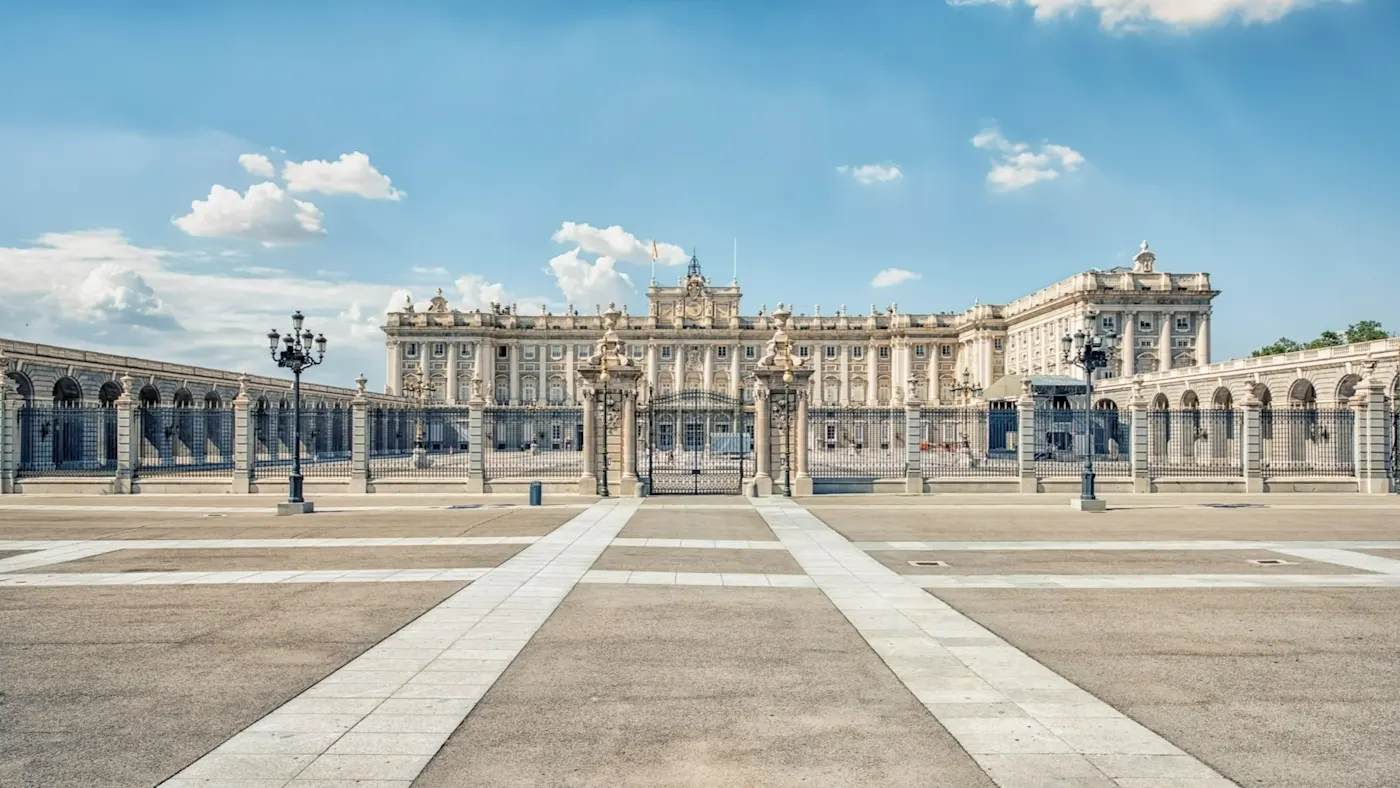
Madrid moves to a different rhythm than Barcelona. There isn't one icon to queue for. The city's draw is its concentration of great art and its late-night life. Two days cover the Golden Triangle of Art (Prado, Reina Sofía, Thyssen) and the Royal Palace, plus a tapas-filled evening in La Latina. A third day opens onto Castile: the three cultures of hilltop Toledo, the Roman aqueduct of Segovia, and the walls of Ávila. This capital rewards those who take their time. Give it at least two full days, and let your evenings run long.
Lara van Bebber
Certified Spain specialist
- 115+ trips planned
- Personally visited 6 times
- 3+ years of experience
- Specialist in Tanzania, Kenya, and the Seychelles
Plan your trip for free
Your tailor-made itinerary – No cost, no commitment
Madrid's draw is the density of its art and its lively nights, not one monument requiring a queue. Two days are enough for the Golden Triangle of Art, the Royal Palace, and Retiro Park, plus tapas in La Latina. A third day opens onto Castile and the old cities around the capital. A single day gives only a glimpse of the art, and misses the nightlife, half of Madrid.
2 days — The city itself. The Prado and Reina Sofía, the Royal Palace, Retiro Park, and tapas in La Latina.
3 days — Add a day trip into Castile. Toledo, Segovia, or the walls of Ávila.
4 days — Madrid at a fuller pace, with a second museum day, the Rastro market, and two historic cities out of town.
| Days in Madrid | Best for | Combine with — wider route |
|---|---|---|
| 2 days | The city on its own | Madrid + the Golden Triangle |
| 3 days | Spain's two great cities | Madrid ▸ Barcelona |
| 3 days | The city plus a day trip | Madrid + Toledo or Segovia |
| 4 days | One stop on a Europe tour | Madrid ▸ Barcelona ▸ Rome |
| 5+ days | The start of a Spanish road trip | Madrid ▸ Basque Country ▸ the north |
These stages are a guide, not a fixed route. Every trip is tailored to you.

Plan for free
Custom holiday packages and trips that fit your budget

Personalized for you
Itineraries built exactly to your needs

Private VIP guides
A personal English-speaking, native-European travel expert for every step

Peace-of-mind support
Full service assistance before, during, and after your trip
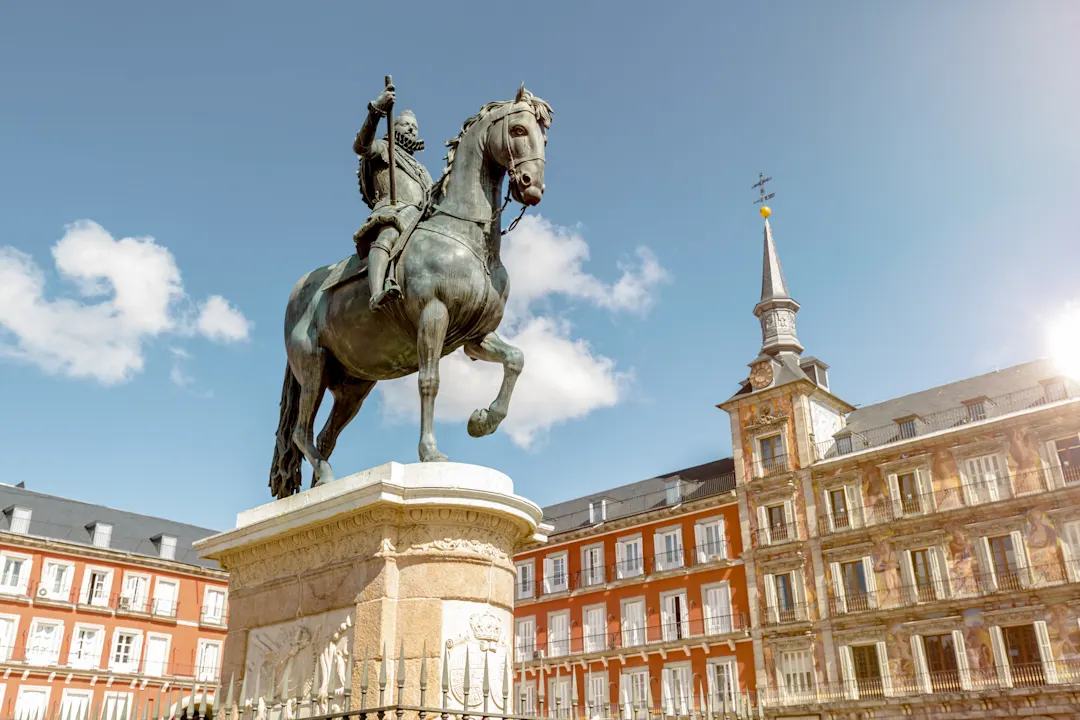
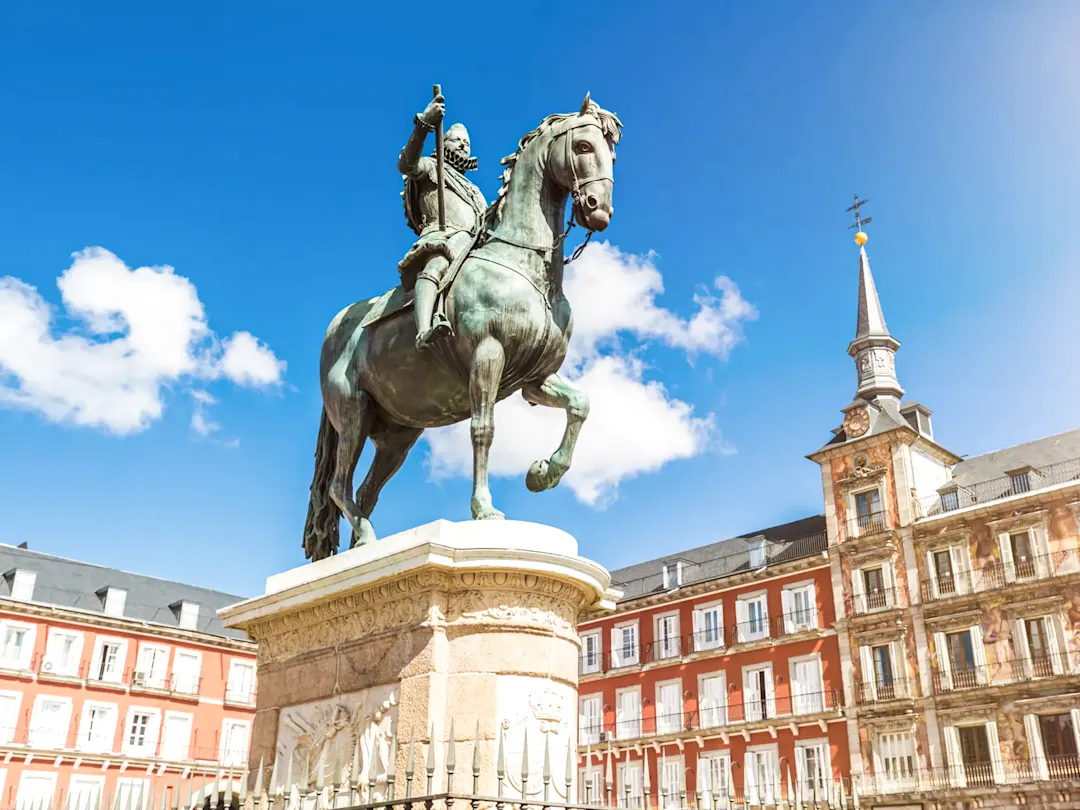
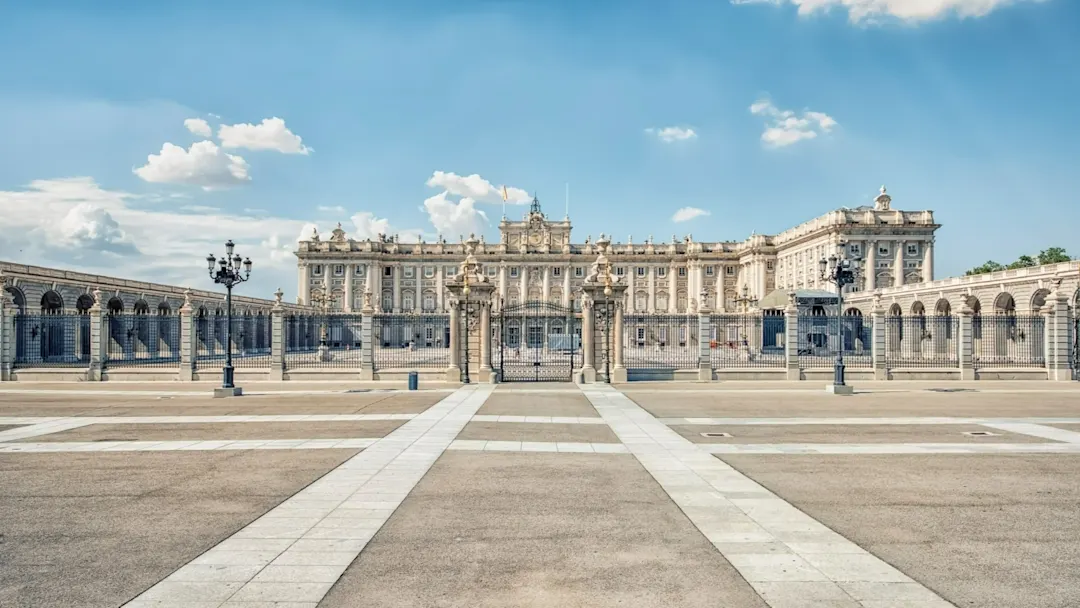
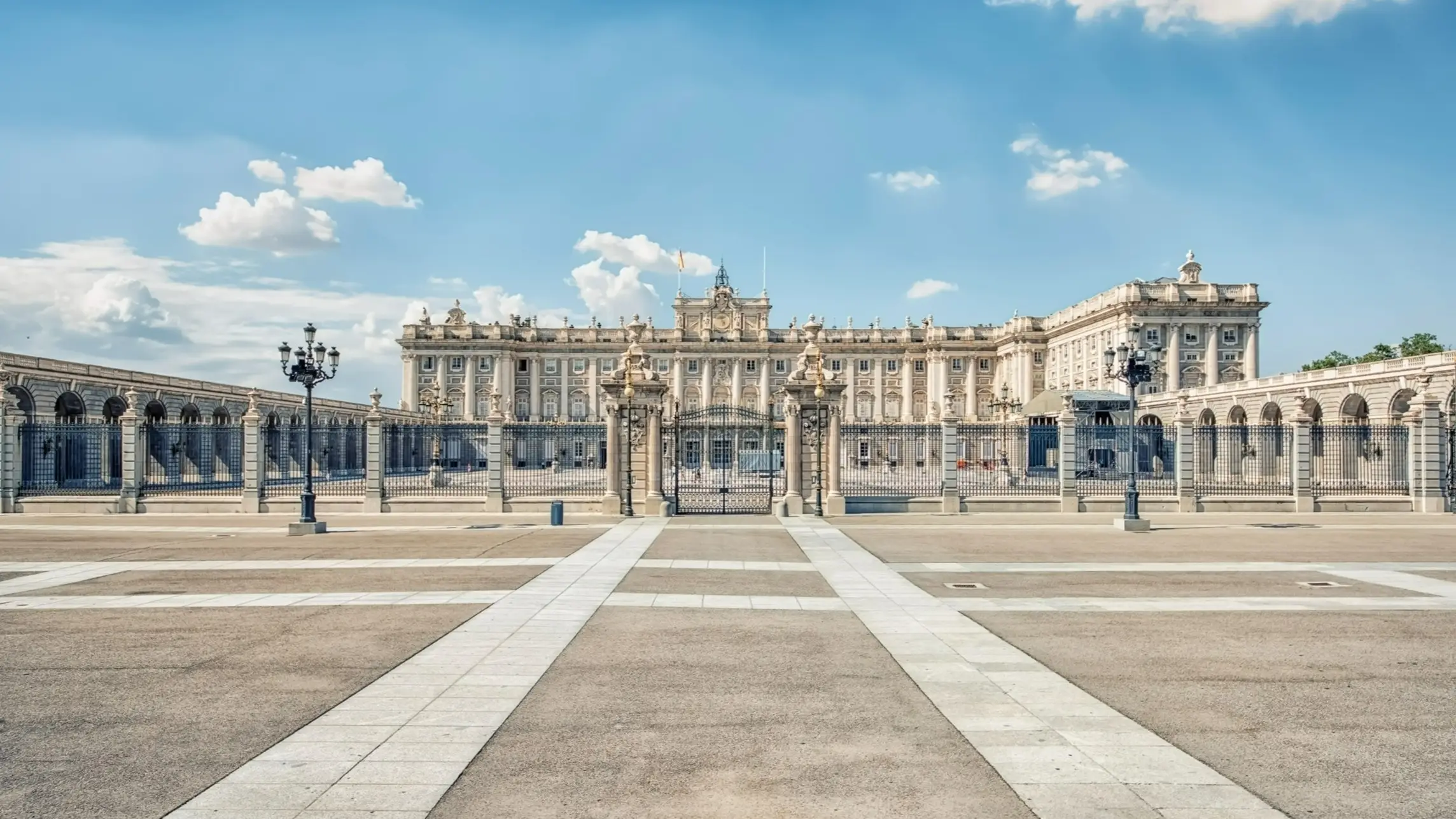
Two days is the absolute minimum, split between museums and street life. Spend one day on the Art Triangle and another on the royal city and its neighborhoods, with both evenings given to tapas and the evening stroll (paseo). The major museums sit close together along the Paseo del Prado, so you cover ground on foot.
Day 1 — The Prado, then the Reina Sofía for Picasso's
Guernica. An evening of tapas and vermouth in La Latina.
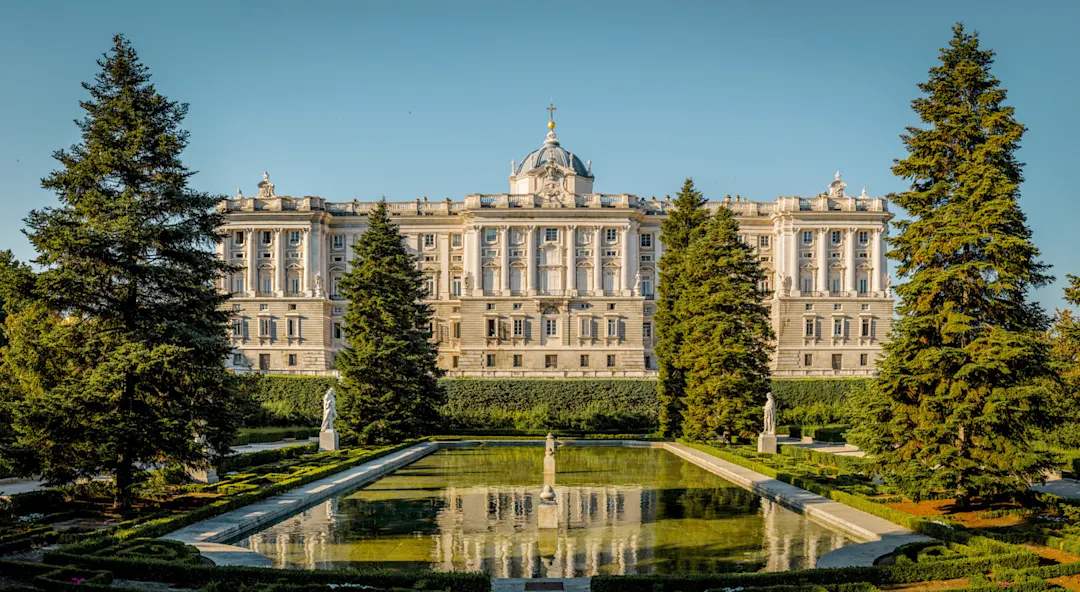
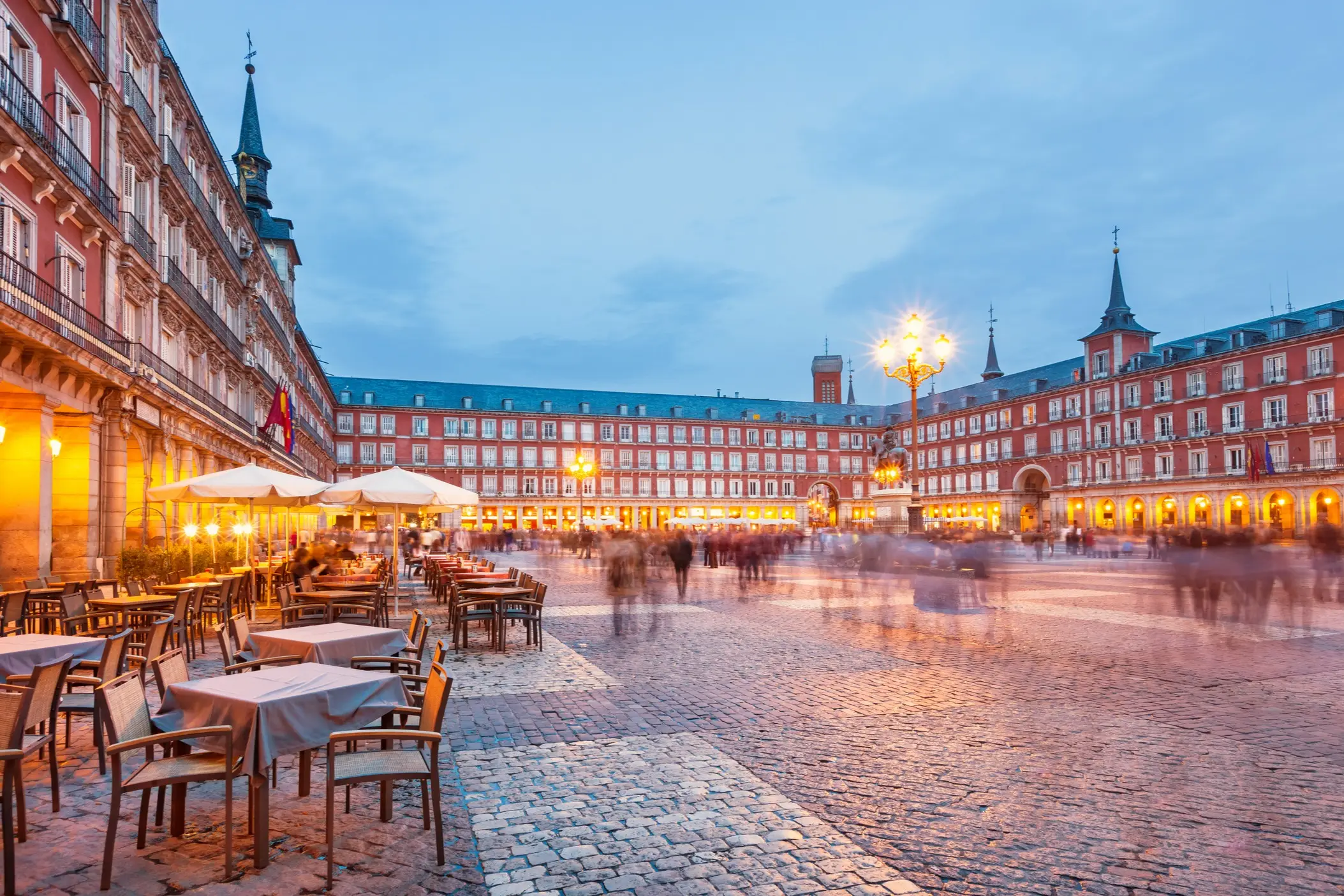
Day 2 — The Royal Palace and the Plaza Mayor, a slow afternoon in Retiro Park, then dinner in Malasaña or Chueca.
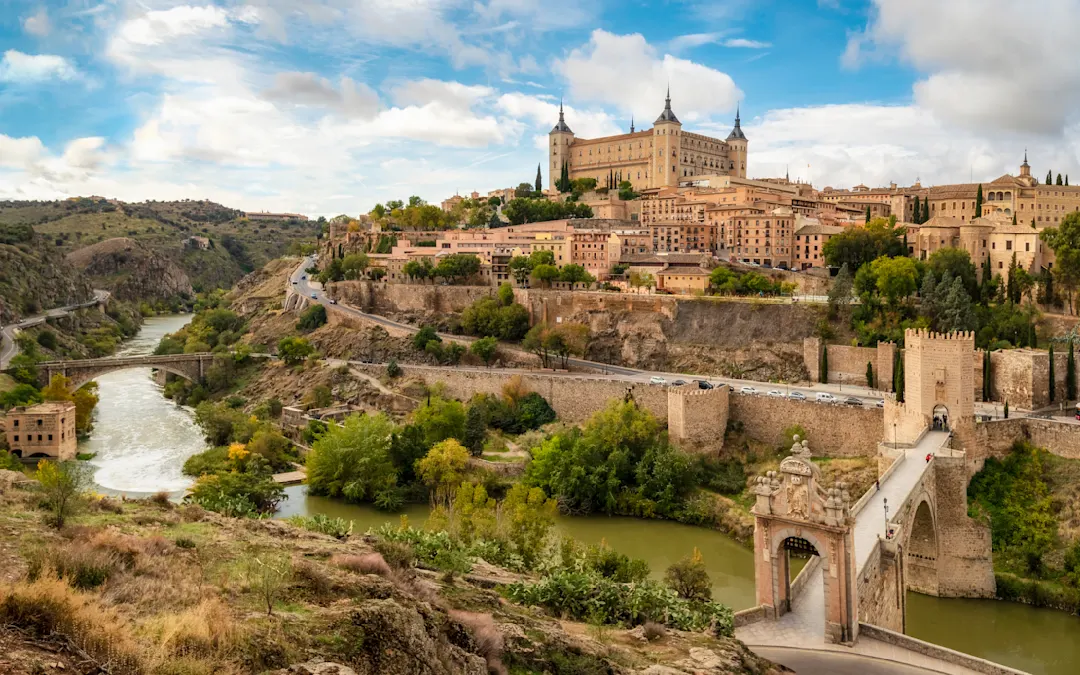
The third day is for a trip outside the city. Toledo is the classic call — a walled hilltop city where Christian, Jewish, and Muslim histories intertwine, under an hour south by high-speed train. Or visit Segovia, with its Roman aqueduct and fairy-tale Alcázar, often paired with the medieval walls of Ávila. This is the day that sets Madrid's art in the context of the surrounding region.
Days 1–2 — The city: the museums, the Royal Palace, the neighborhoods.
Day 3 — A day trip: Toledo's old town, or Segovia and Ávila together.
Four days let you take Madrid at a relaxed pace. You give art two separate mornings rather than cramming it, browse the stalls at the El Rastro Sunday market, enjoy a long lunch, and still fit two historic cities nearby. This option trades the checklist for the rhythm locals actually keep.
Days 1–2 — The Golden Triangle and the royal city, at an easy pace.
Day 3 — Toledo.
Day 4 — Segovia and Ávila, or the Rastro and a final slow day in the city.

The museums set the pace
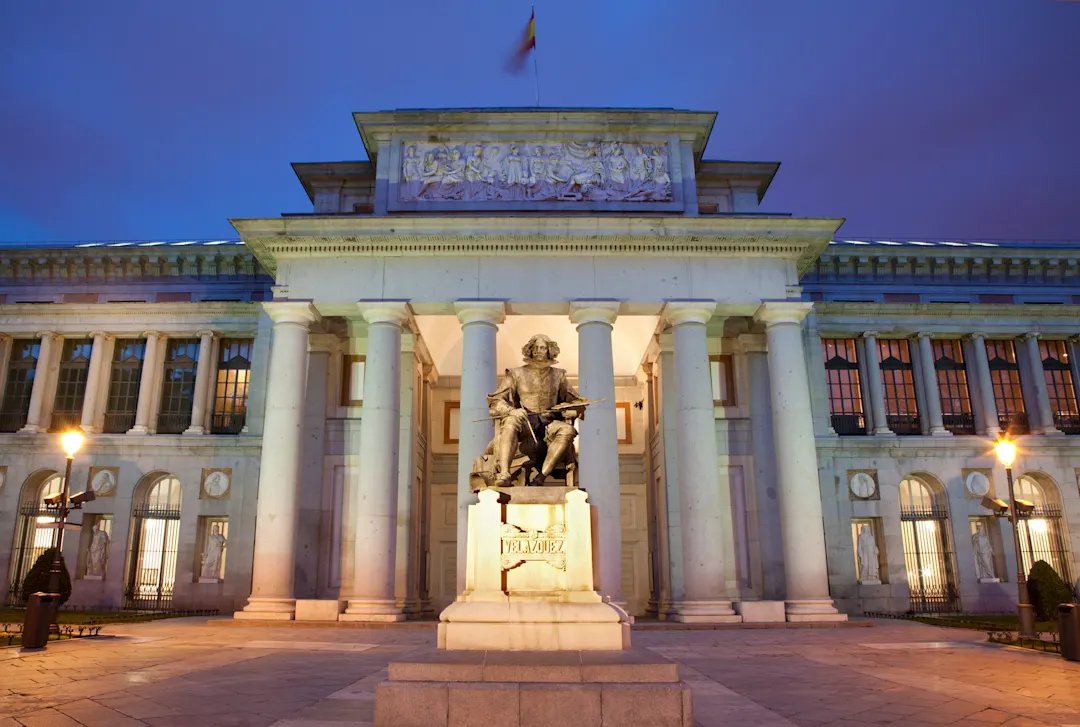
Madrid's Art Triangle is remarkably compact: the Prado, the Reina Sofía, and the Thyssen-Bornemisza sit a ten-minute walk from one another. You can see the highlights of all three in a single intense day, but the collections reward splitting them across two mornings. The Velázquez and Goya works at the Prado alone warrant a half-day. How deep you go into the art is the first thing that sets your length. To discover the main attractions, check out our guide on things to do in Spain.
The night is half the city
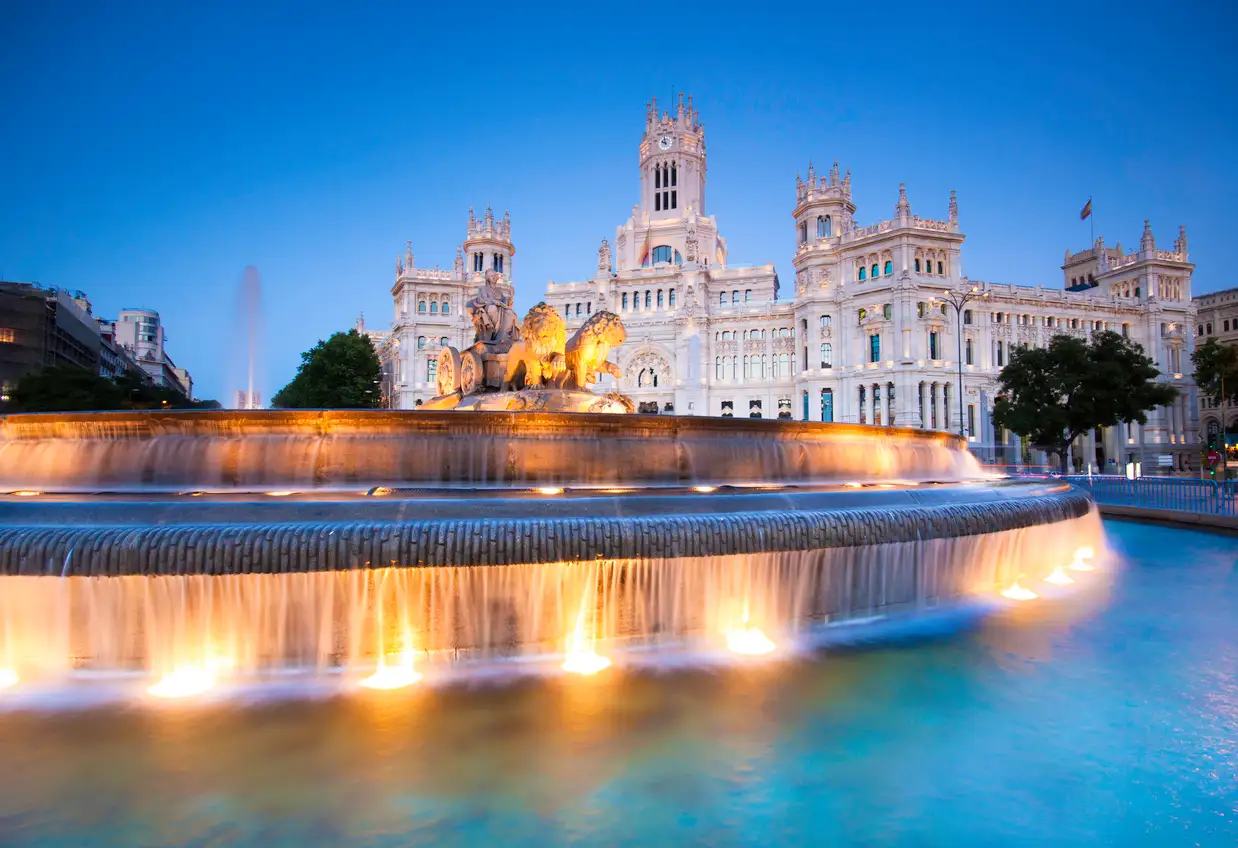
Madrid keeps late hours, and planning around them changes the trip. Lunch stretches past 3:00pm, dinner begins at 9:00 or 10:00pm, and a tapas crawl through La Latina and the bars of Malasaña is when the city is most itself. That rhythm calls for a slower pace: a leisurely morning, a museum or the park in the afternoon heat, then a long night out. Factor in the nightlife, and two days rarely feels like enough.
A circuit of historic cities
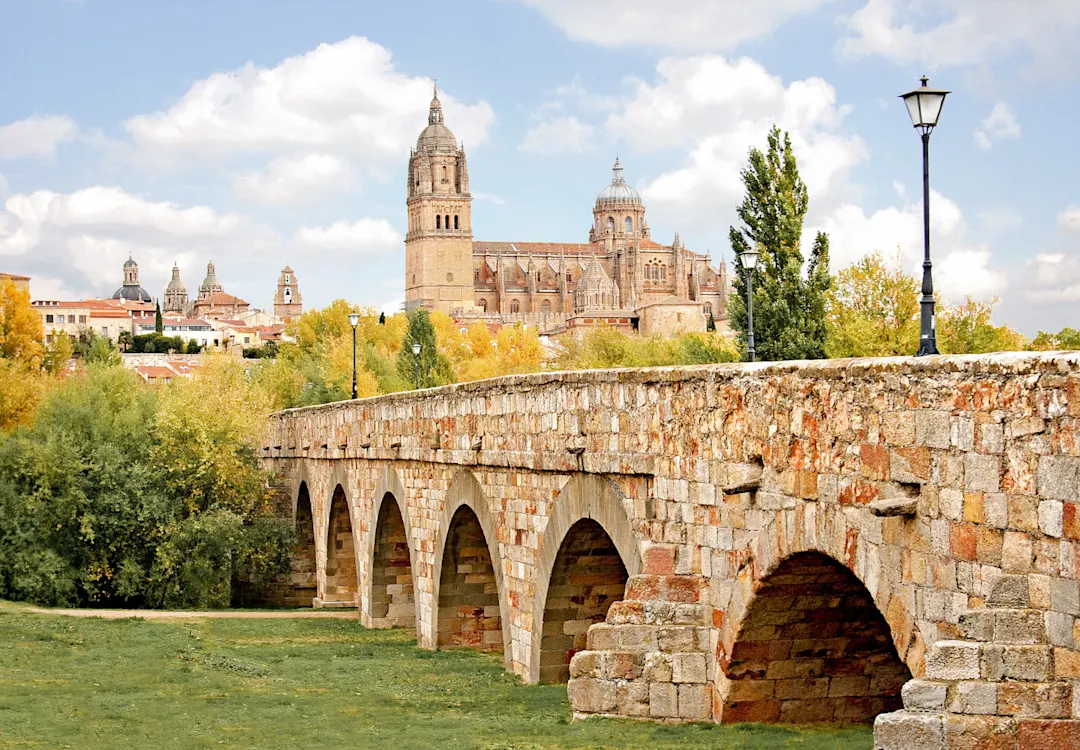
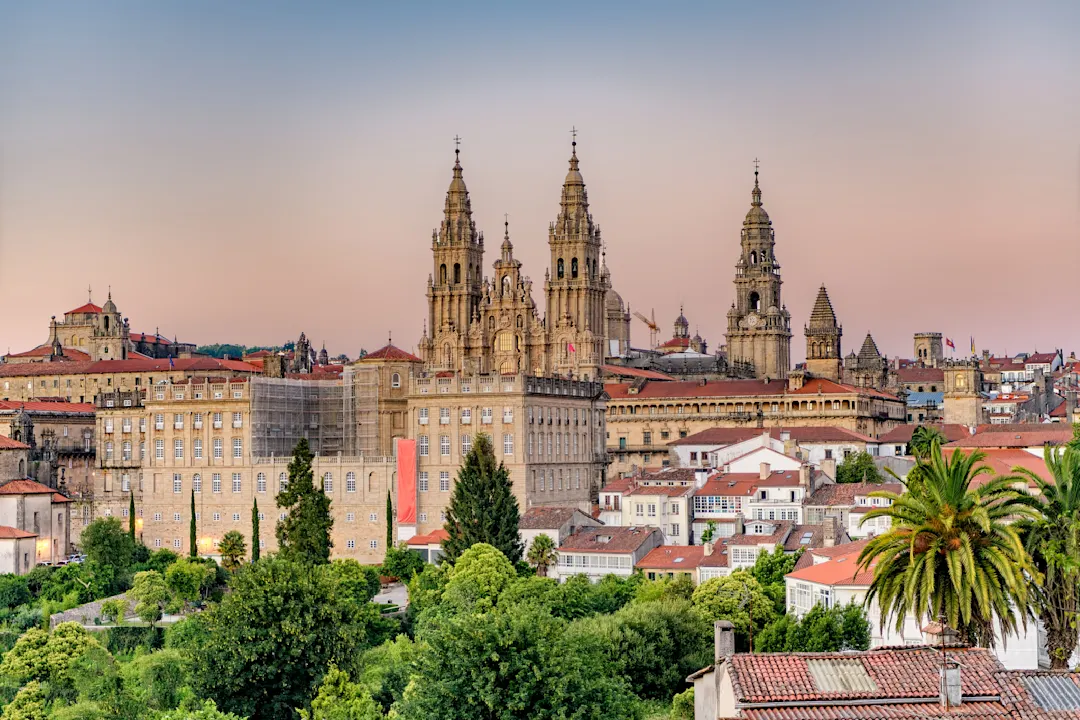
Madrid points you not toward the coast or the mountains, but toward the ancient cities of Castile, each worth a full day. Toledo layers three cultures onto one hill. Segovia pairs a Roman aqueduct with a fairy-tale Alcázar. Ávila is ringed by intact medieval walls. High-speed trains reach Toledo and Segovia in about 30 minutes, so a day trip costs little time.
When to go
Spring (April–June) and autumn (September–October) are ideal: warm days, cool evenings, and the terraces at their best. Madrid summers are hot and dry, and in August the city empties out as locals head off, so many neighborhood spots close. Winter is crisp and clear, quieter, and good for museum days without the crowds. For a season-by-season overview, consult our guide on the best time to visit Spain.