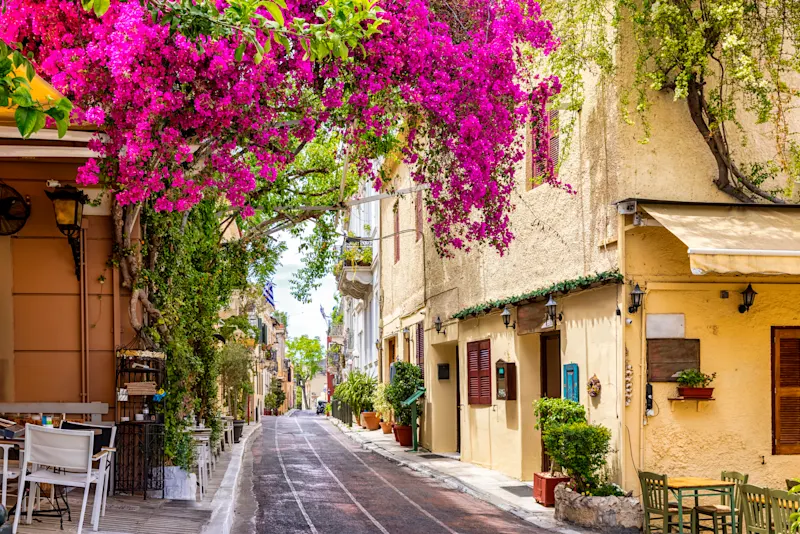
How many days in Athens?
The right length for Athens, from the Acropolis and the Plaka to Delphi and the ferry out to the islands
Plan your Trip
Your tailor-made itinerary – No cost, no commitment
Excellent
4.6 of 5
6,137Reviews
Excellent
Recommended trip duration
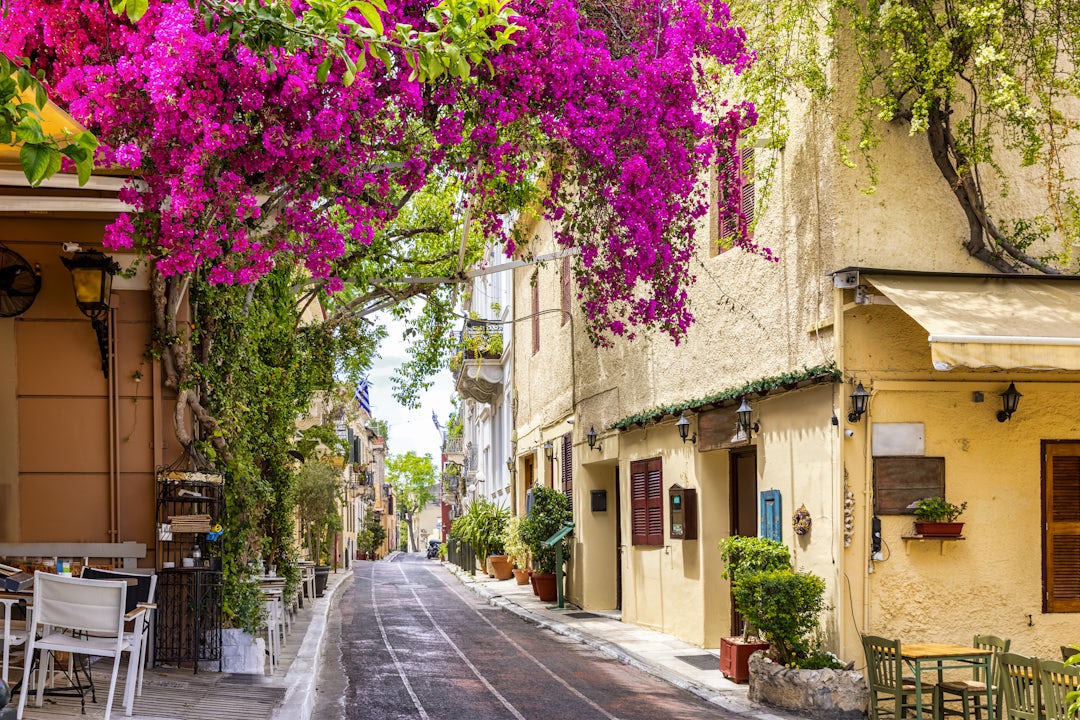
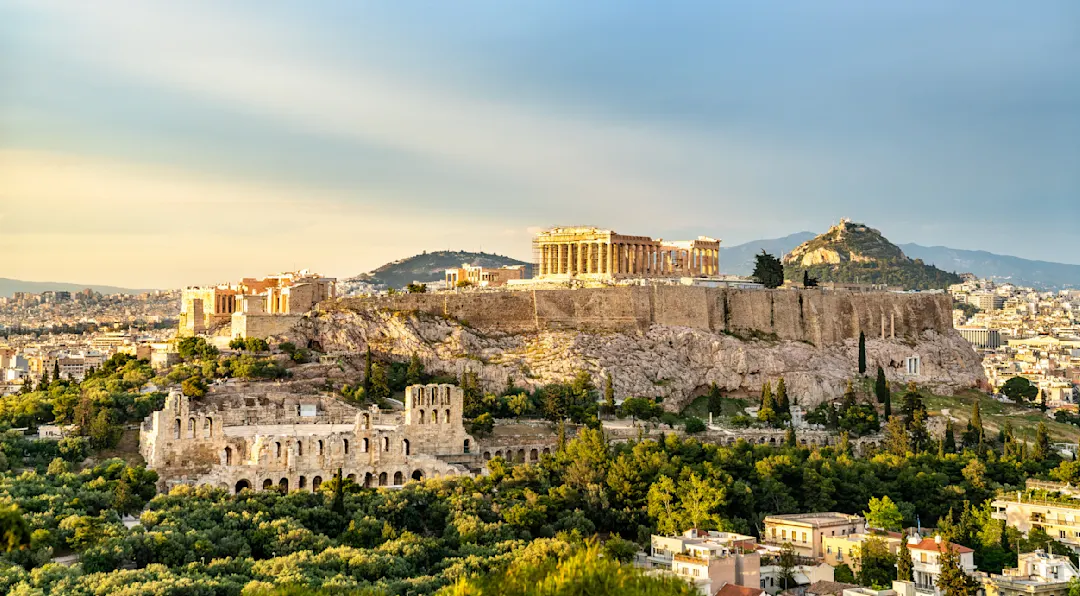
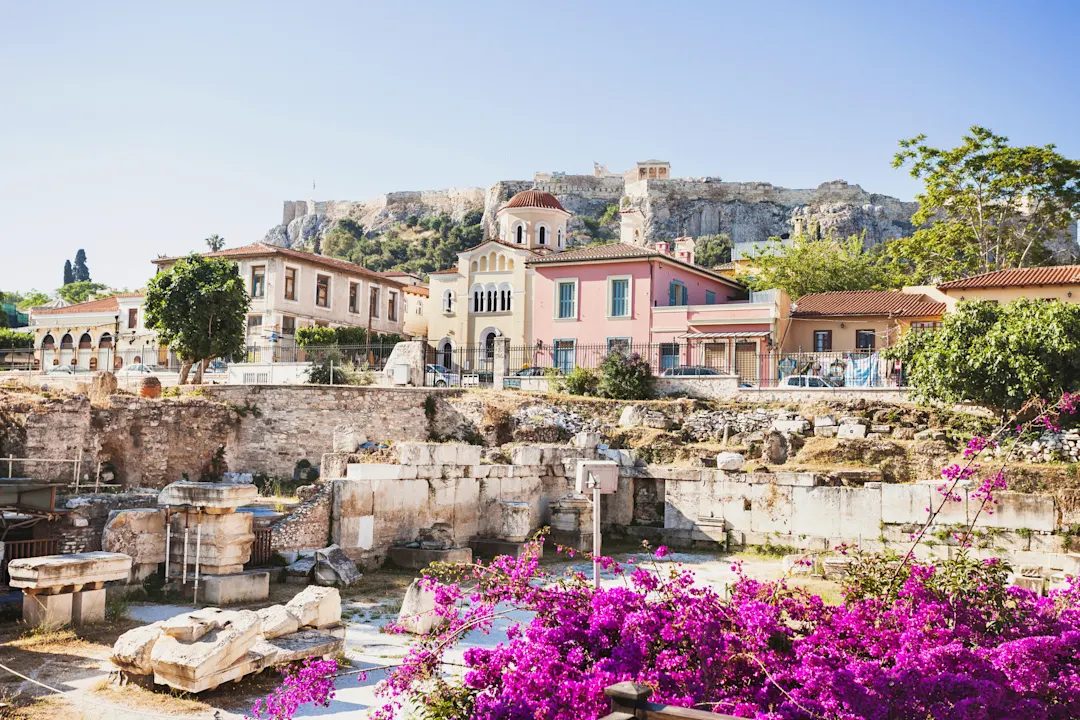
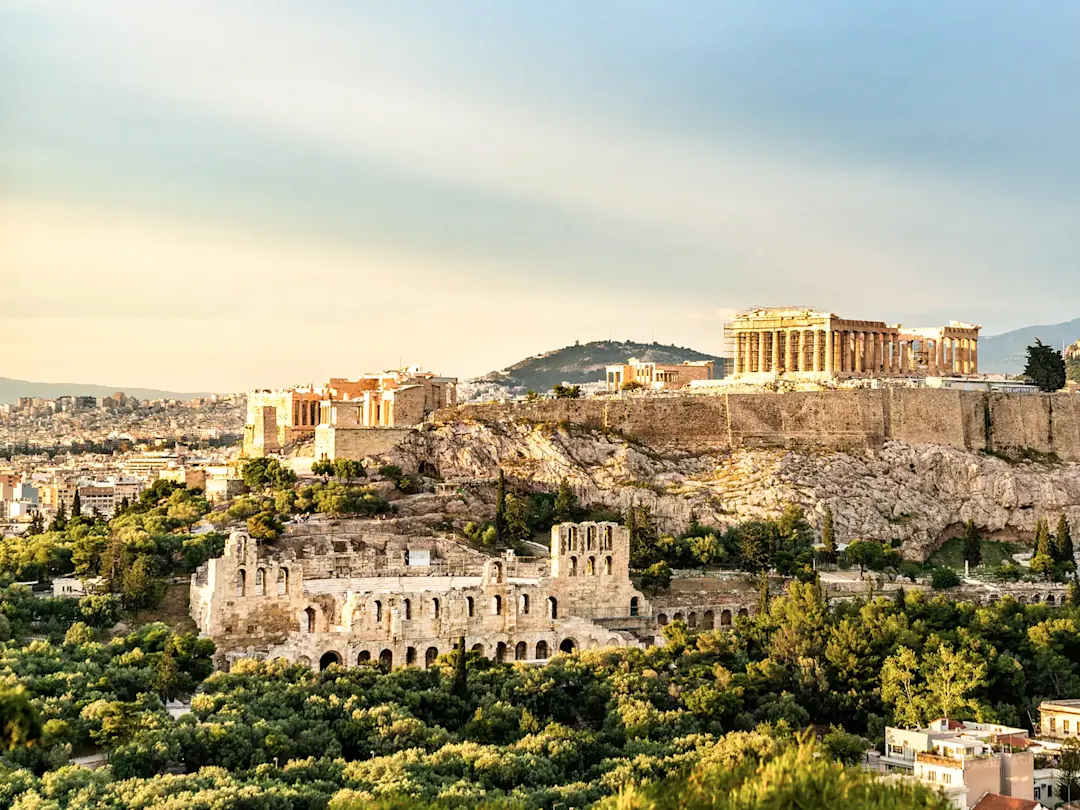
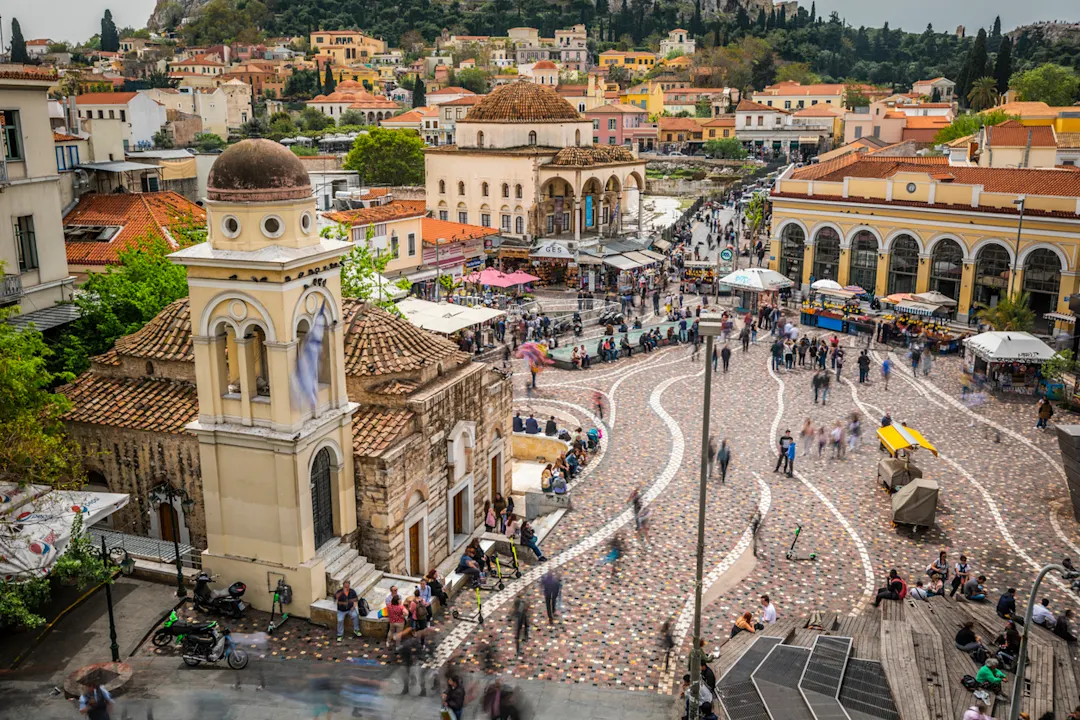
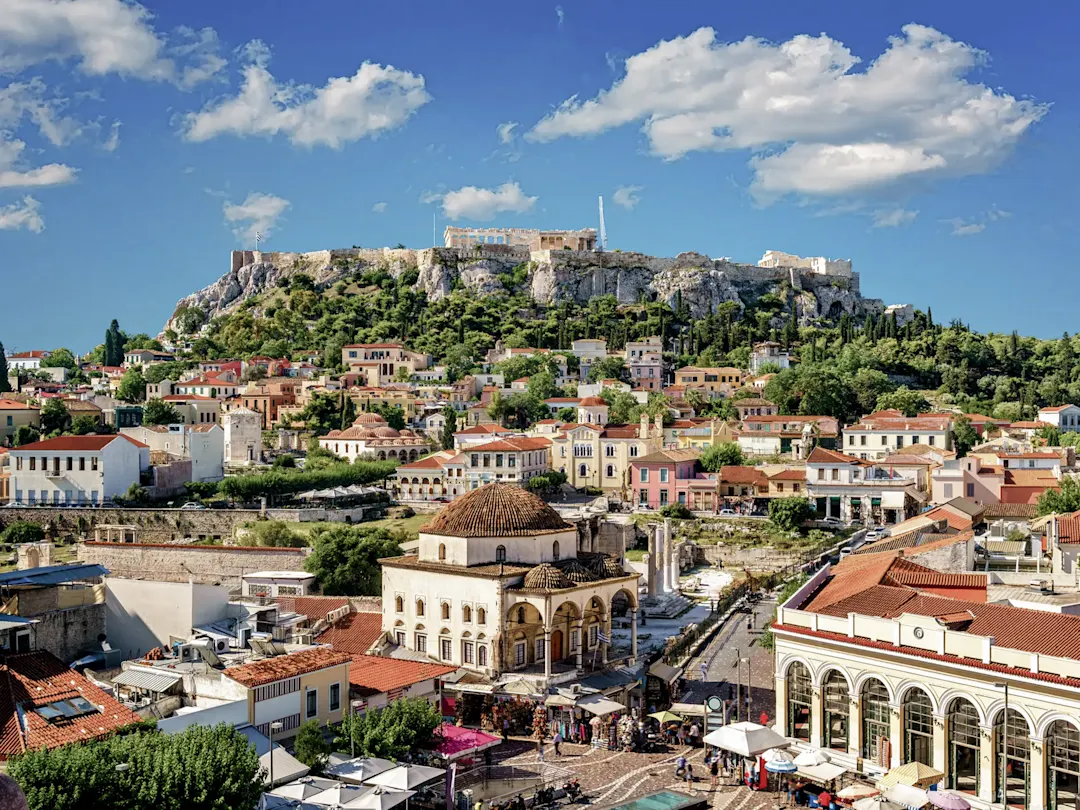
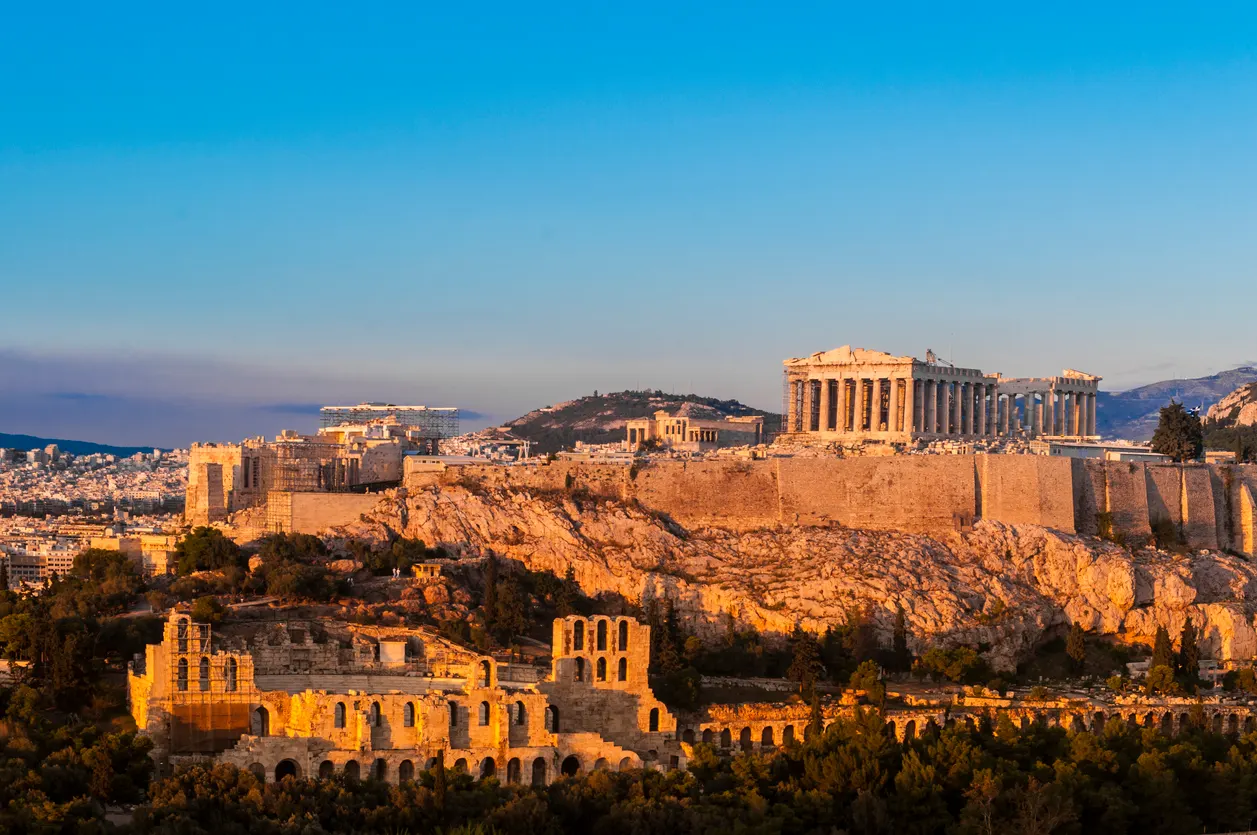
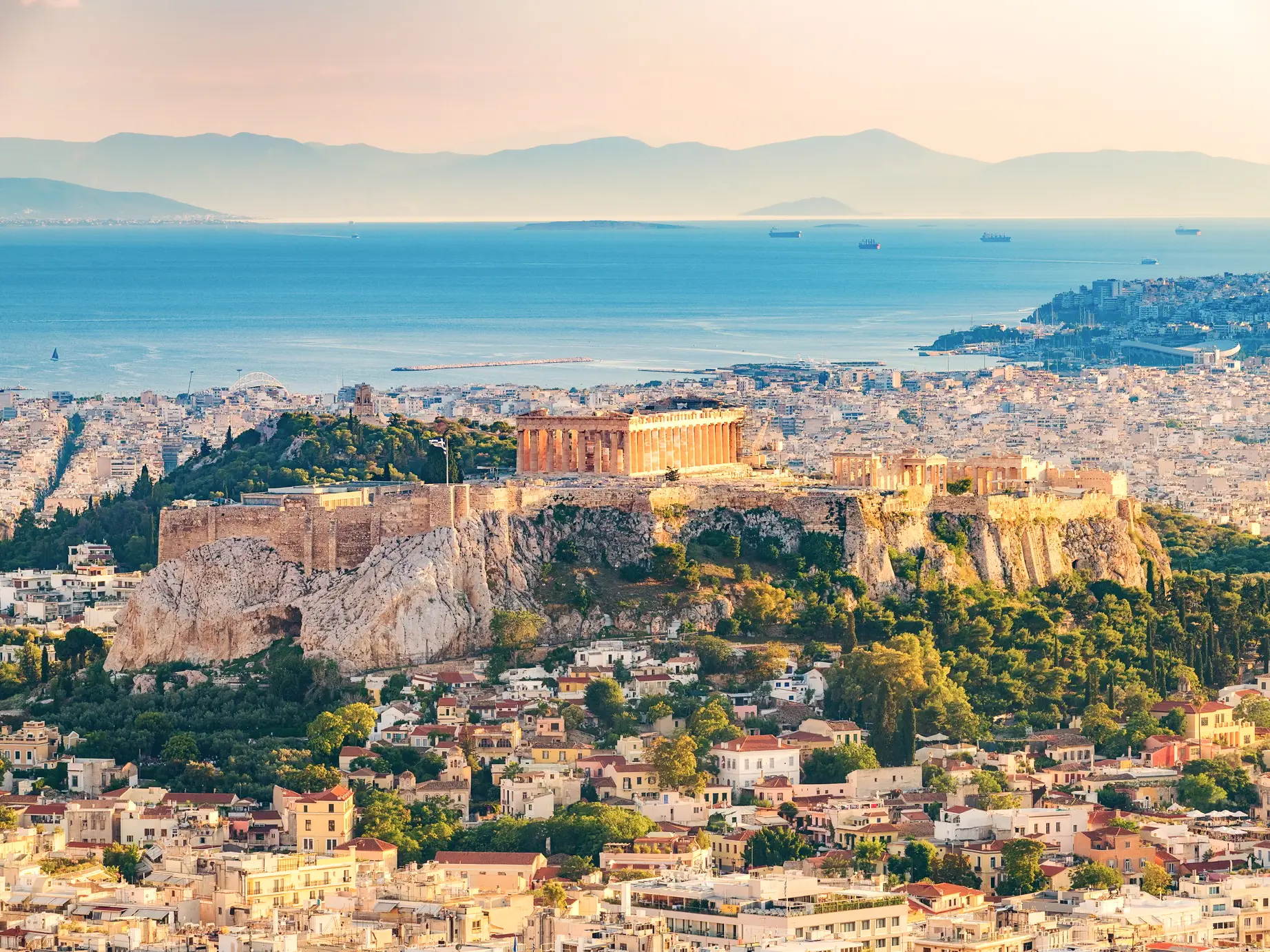
The Acropolis dominates the city and the ancient sites cluster at its feet, all walkable within a couple of well-planned days, but around them a lively, modern, deeply likeable capital carries on: the tavernas of Plaka, the street art and bars of Psyrri, the changing of the guard at Syntagma, and the bustle of the Monastiraki market. Two days give the city's classical heart its due. The real question is what comes next: for most travelers, Athens is the mainland prelude to the islands, and the Greek adventure begins with the ferry or short flight to Santorini, Naxos, or Mykonos. Spend two days in the city, then head for the Aegean.
Viktoria Pilz
Travel Expert for Greece
Updated on 09/09/2026
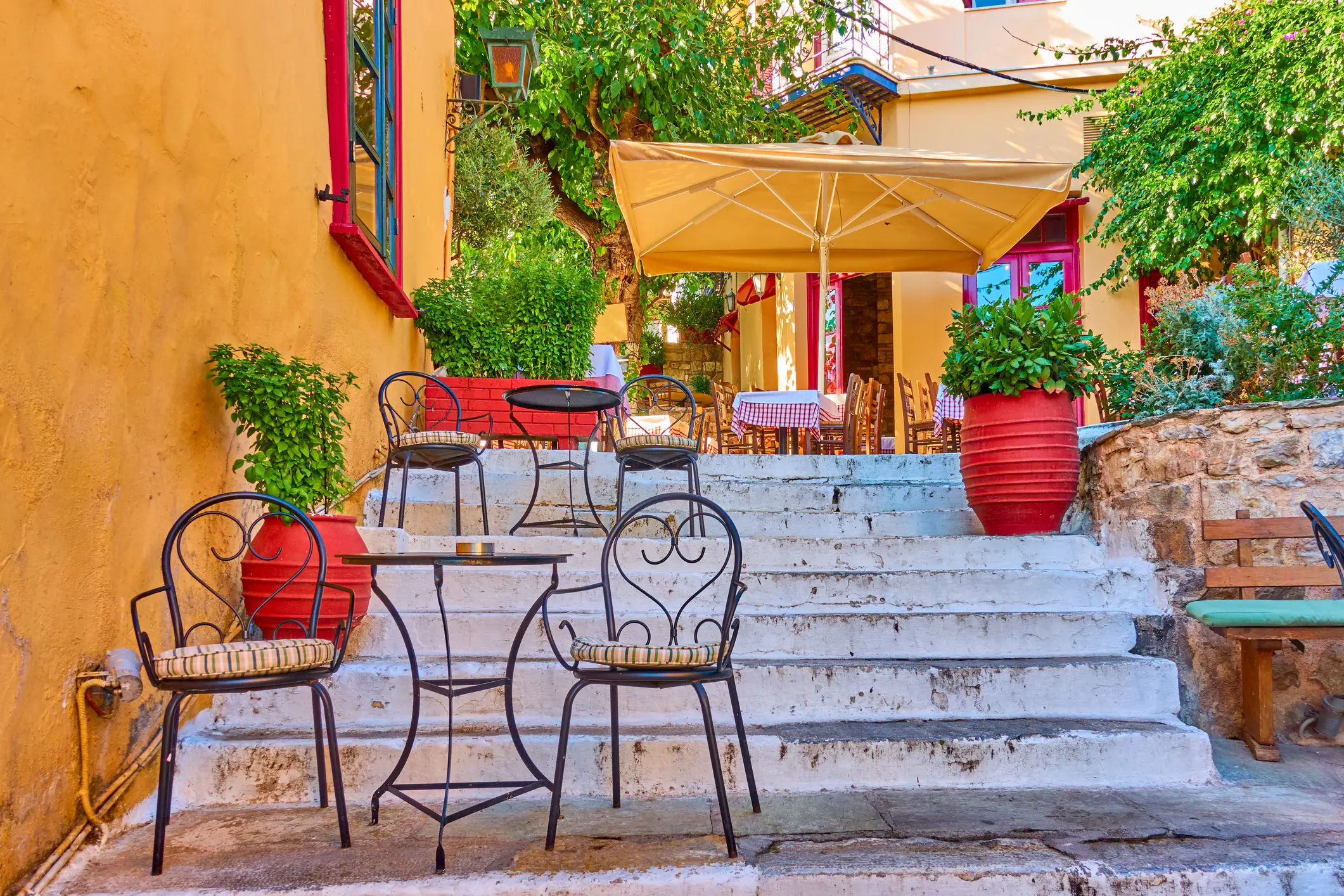
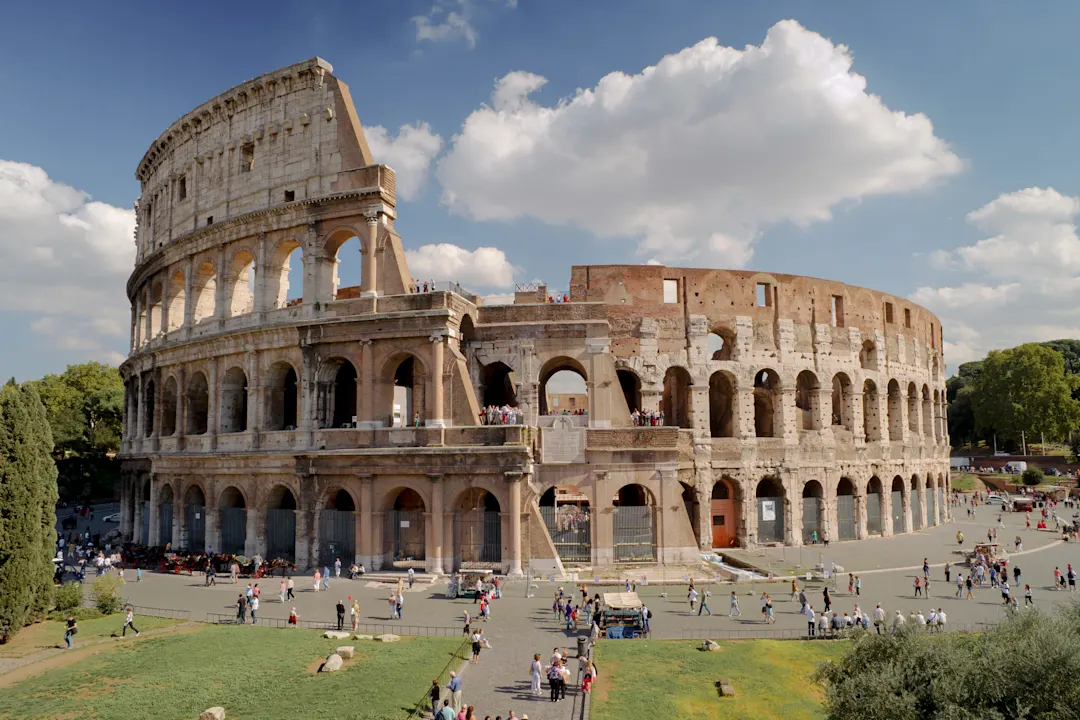
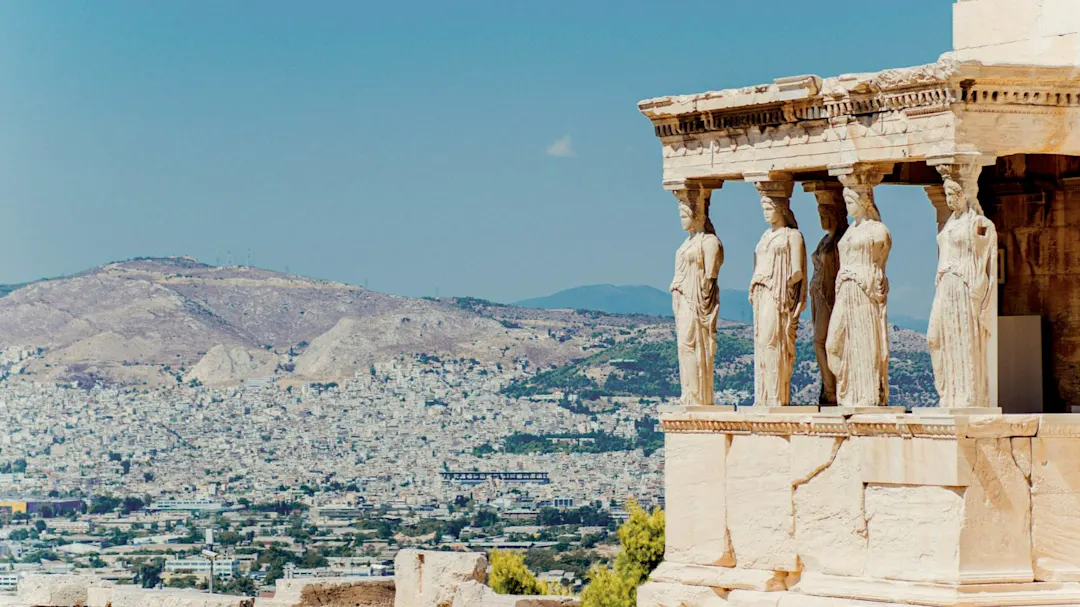
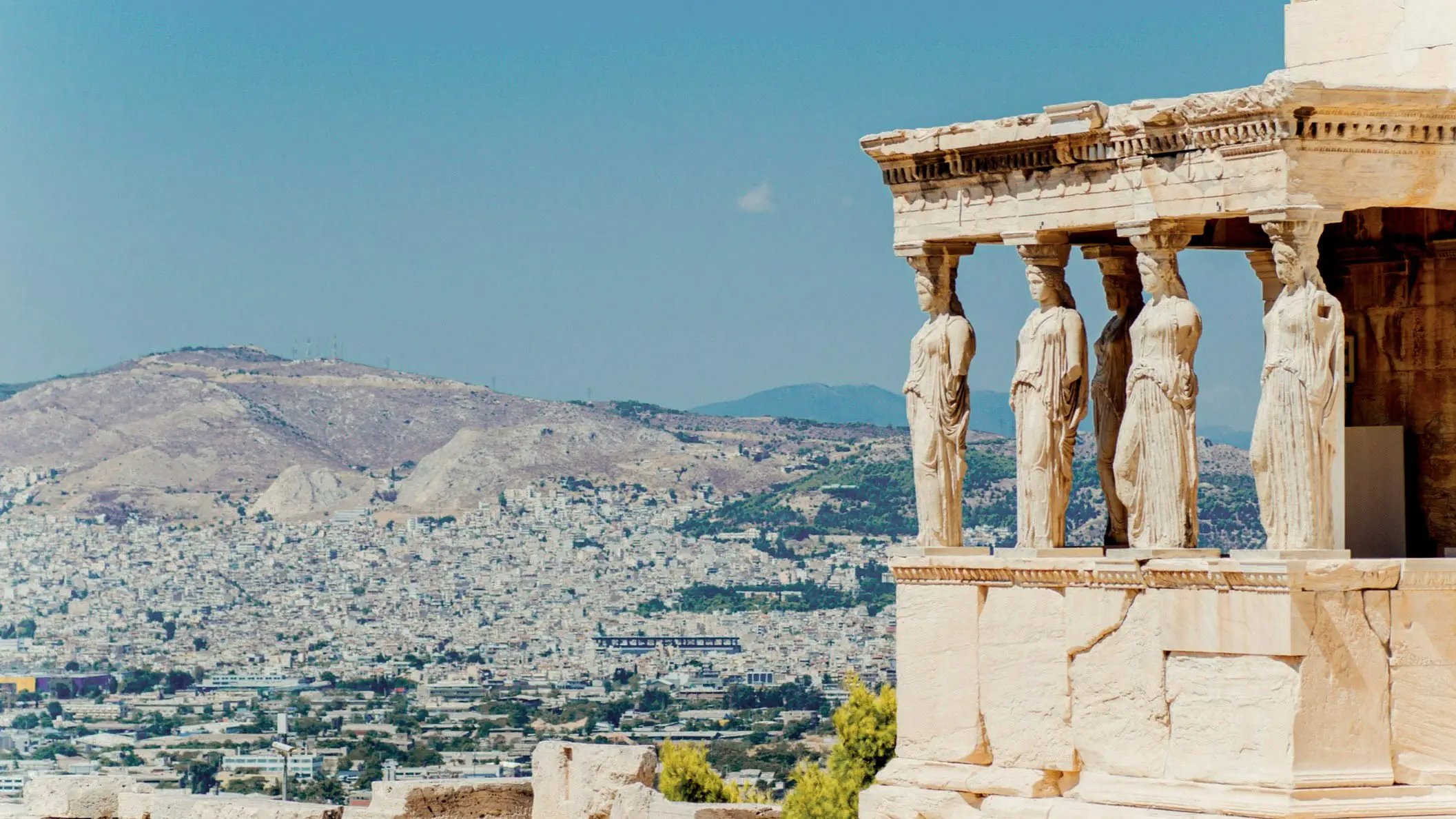
Athens has a dual nature: its ancient sites, and the lively modern capital around them. Two days are enough for its classical heart, the Acropolis and its museum, the Agora, Plaka, and the central squares. A third day adds a trip outside the city, and any time beyond that usually goes to the islands. A single day sees the Acropolis and little else.
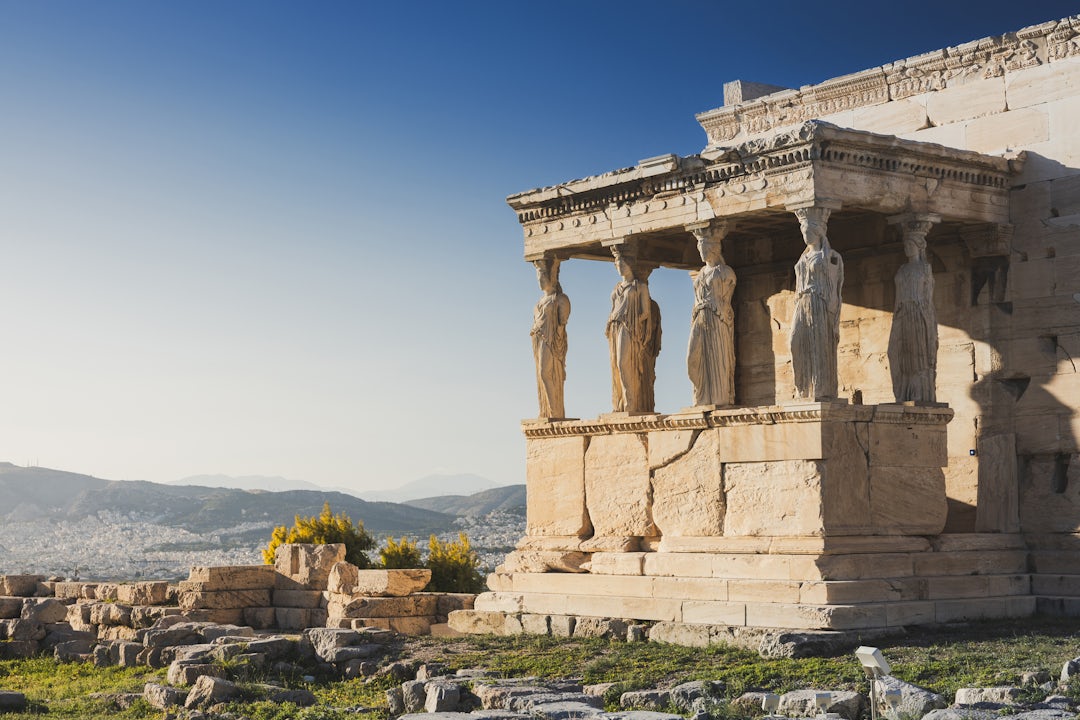
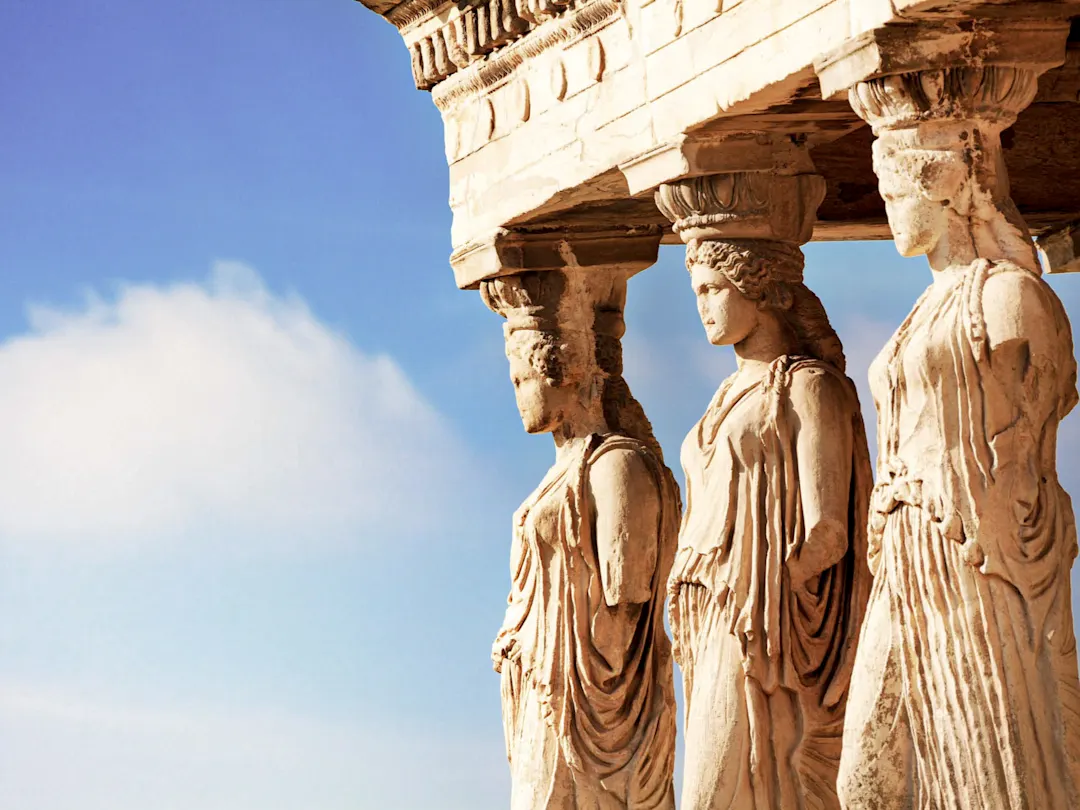
2 days — The ancient city. The Acropolis and its museum, the Agora, the Plaka, and the central squares.
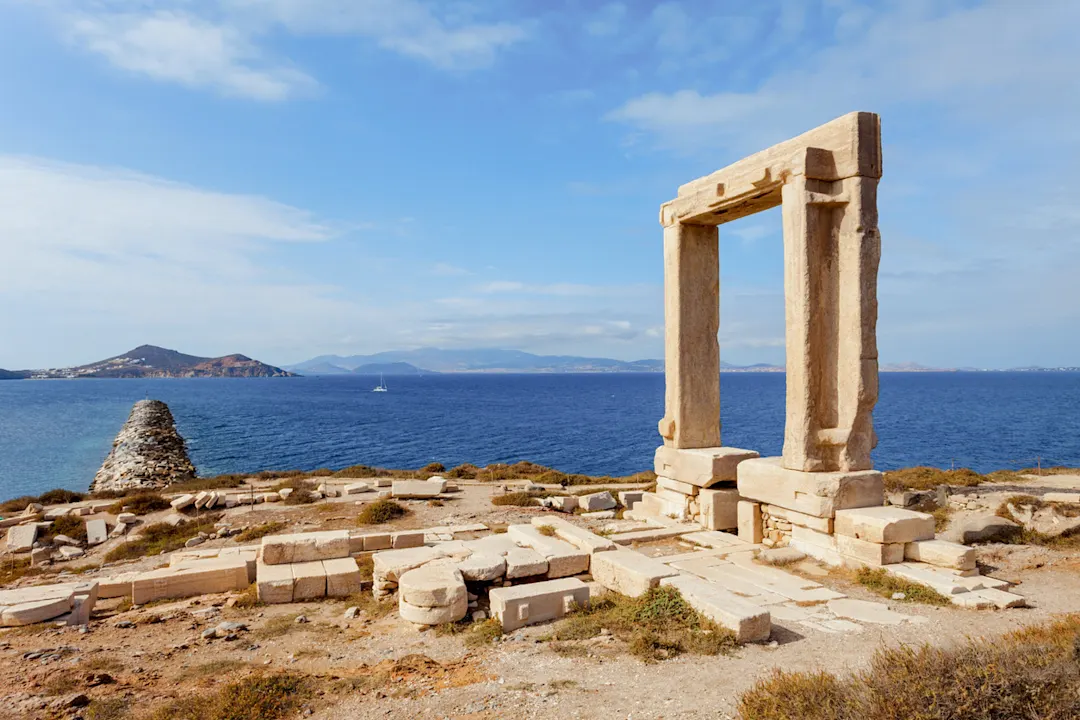
3 days — Add a day trip: Delphi in the mountains, or Cape Sounion's temple at sunset.
4+ days — Athens as the launch pad for the islands, by ferry or a short flight.
| Days in Athens | Best for | Combine with — wider route |
|---|---|---|
| 2 days | The ancient city | Athens + the Acropolis + the Plaka |
| 3 days | The city plus a day trip | Athens + Delphi or Cape Sounion |
| 4 days | The classic city-and-island week | Athens ▸ Santorini |
| 5 days | Island hopping begins | Athens ▸ Naxos ▸ Santorini |
| 7+ days | The full Aegean loop | Athens ▸ Santorini ▸ Crete |
These stages are a guide, not a fixed route. Every trip is tailored to you.

Plan for free
Custom holiday packages and trips that fit your budget

Personalized for you
Itineraries built exactly to your needs

Private VIP guides
A personal English-speaking, native-European travel expert for every step

Peace-of-mind support
Full service assistance before, during, and after your trip
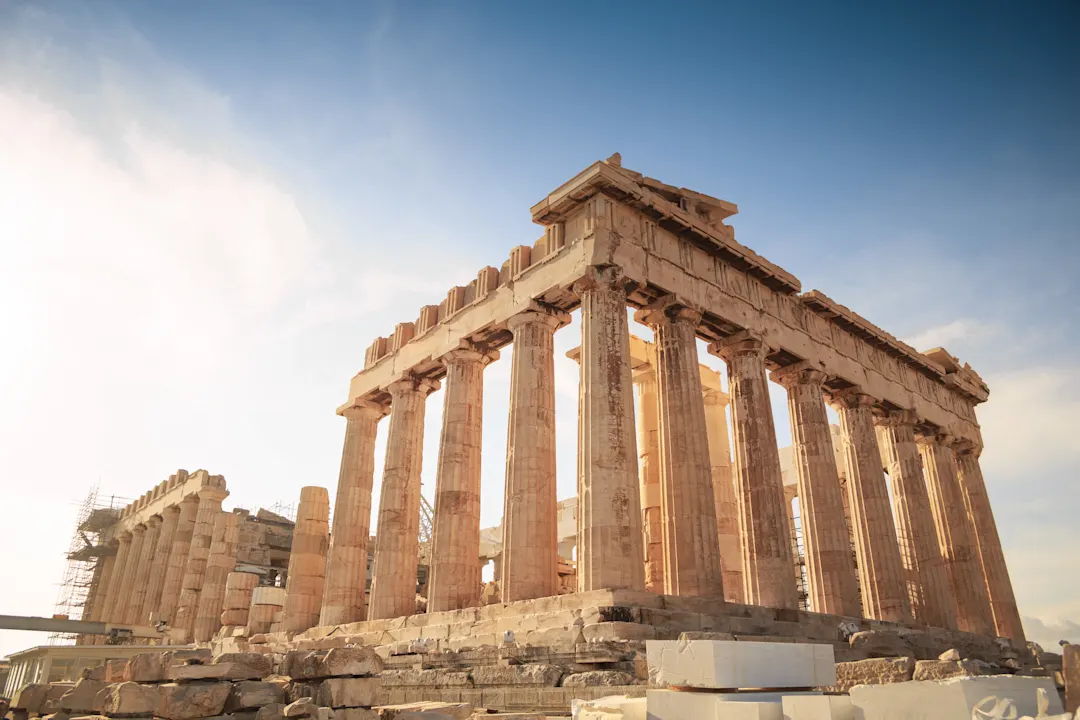
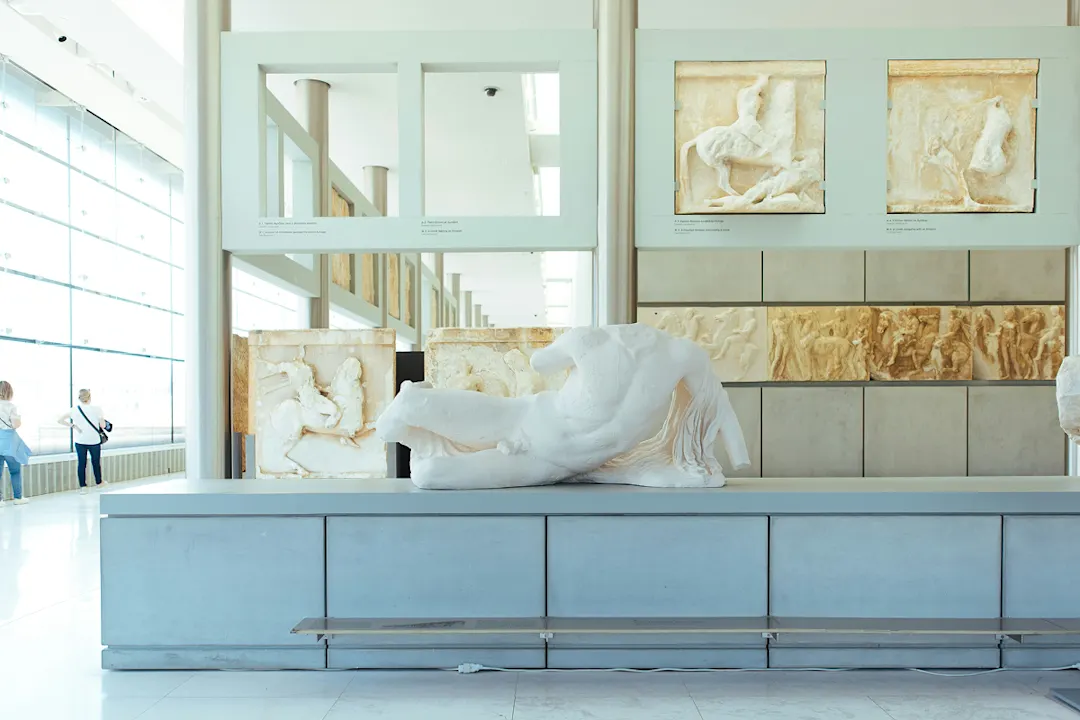
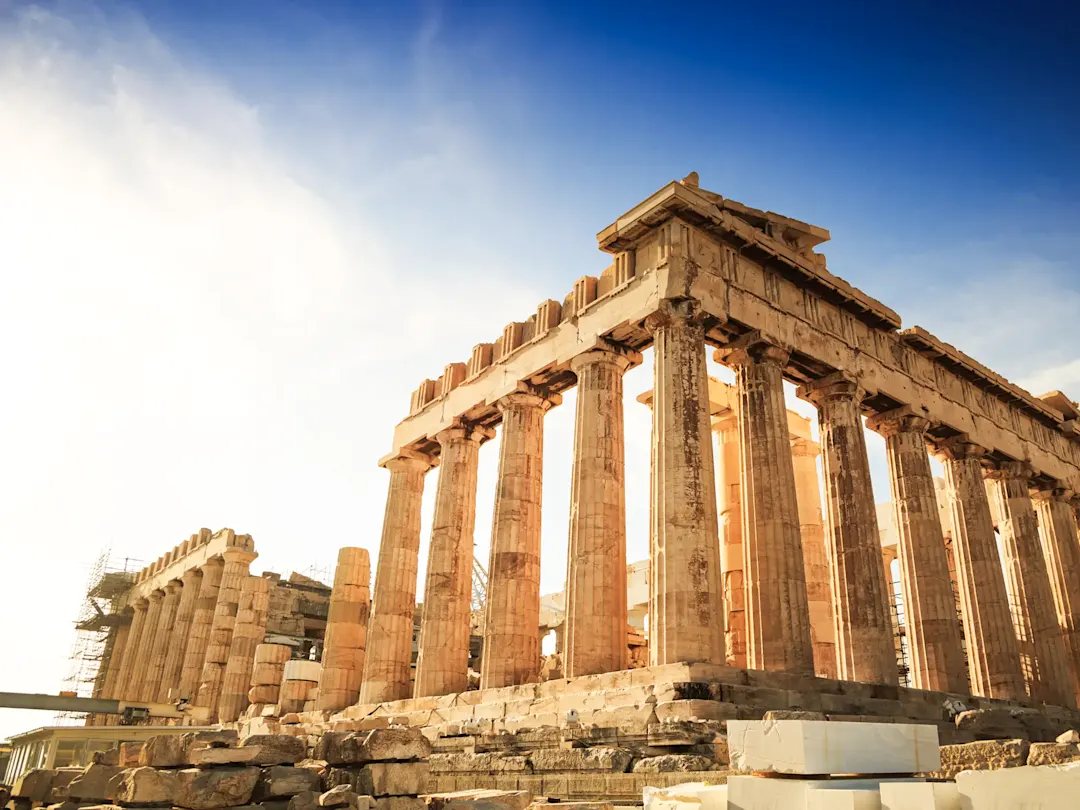
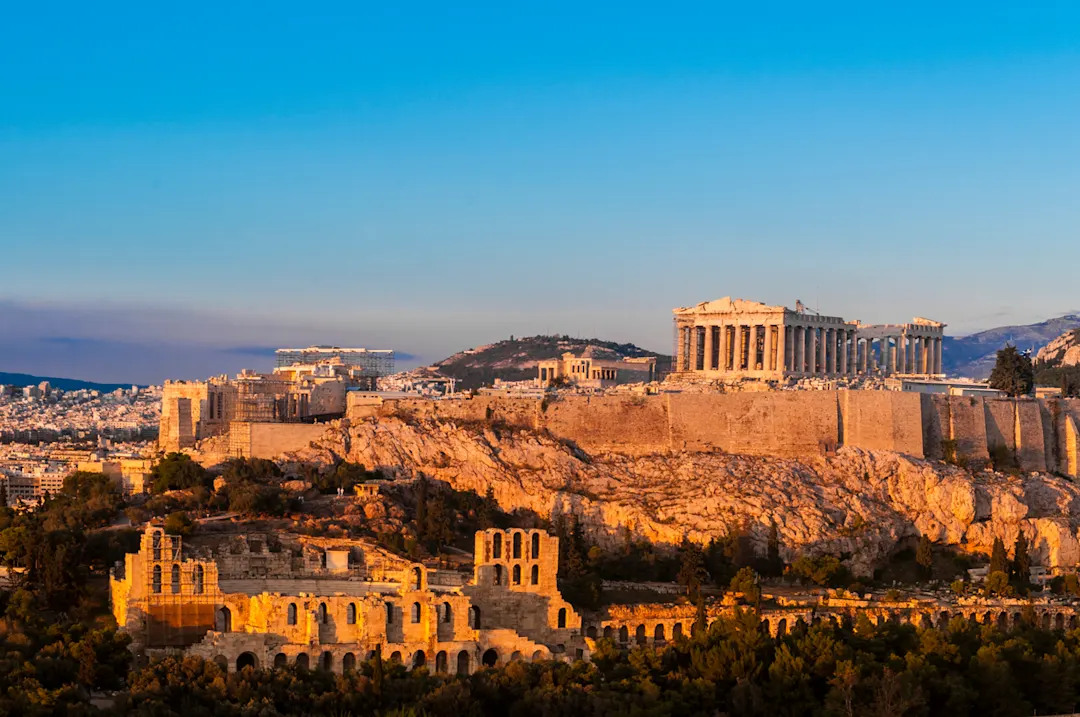
Two days are ideal for Athens on its own, or as the start of an island-hopping trip. The main sites sit close together at the foot of the Acropolis, so you explore the ancient ruins on foot and spend the evenings in the neighborhoods where the modern city comes to life. Visit the Acropolis Museum before climbing the hill itself. Seeing the friezes at eye level gives the ruins above their full story.
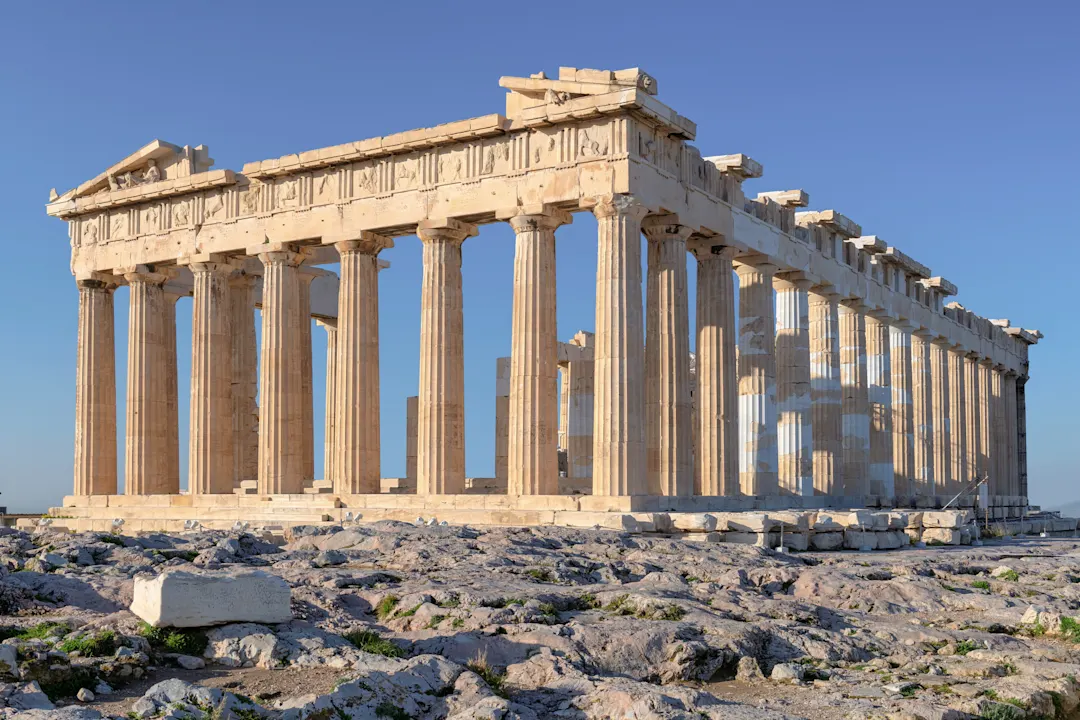
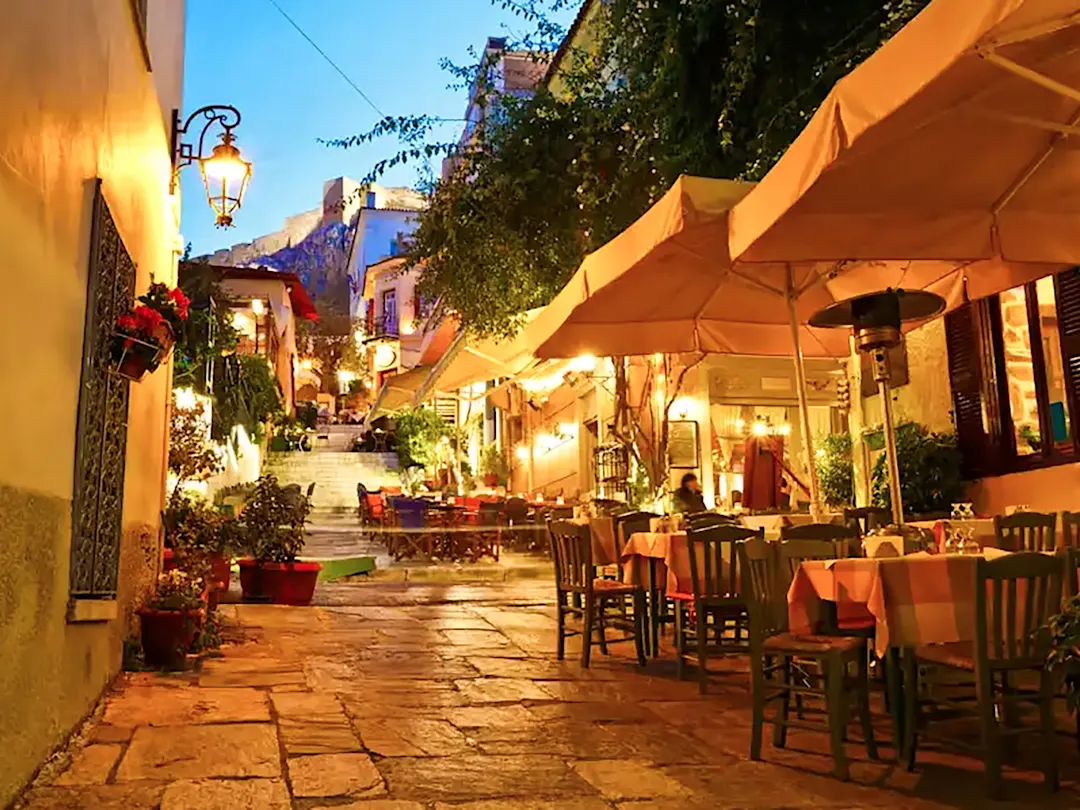
Day 1 — The Acropolis Museum, then the Acropolis, the Parthenon, and the Ancient Agora. An evening in the Plaka's tavernas.
Day 2 — The National Archaeological Museum, Syntagma and the guard change, then Monastiraki's market and a rooftop drink under the lit-up Acropolis.
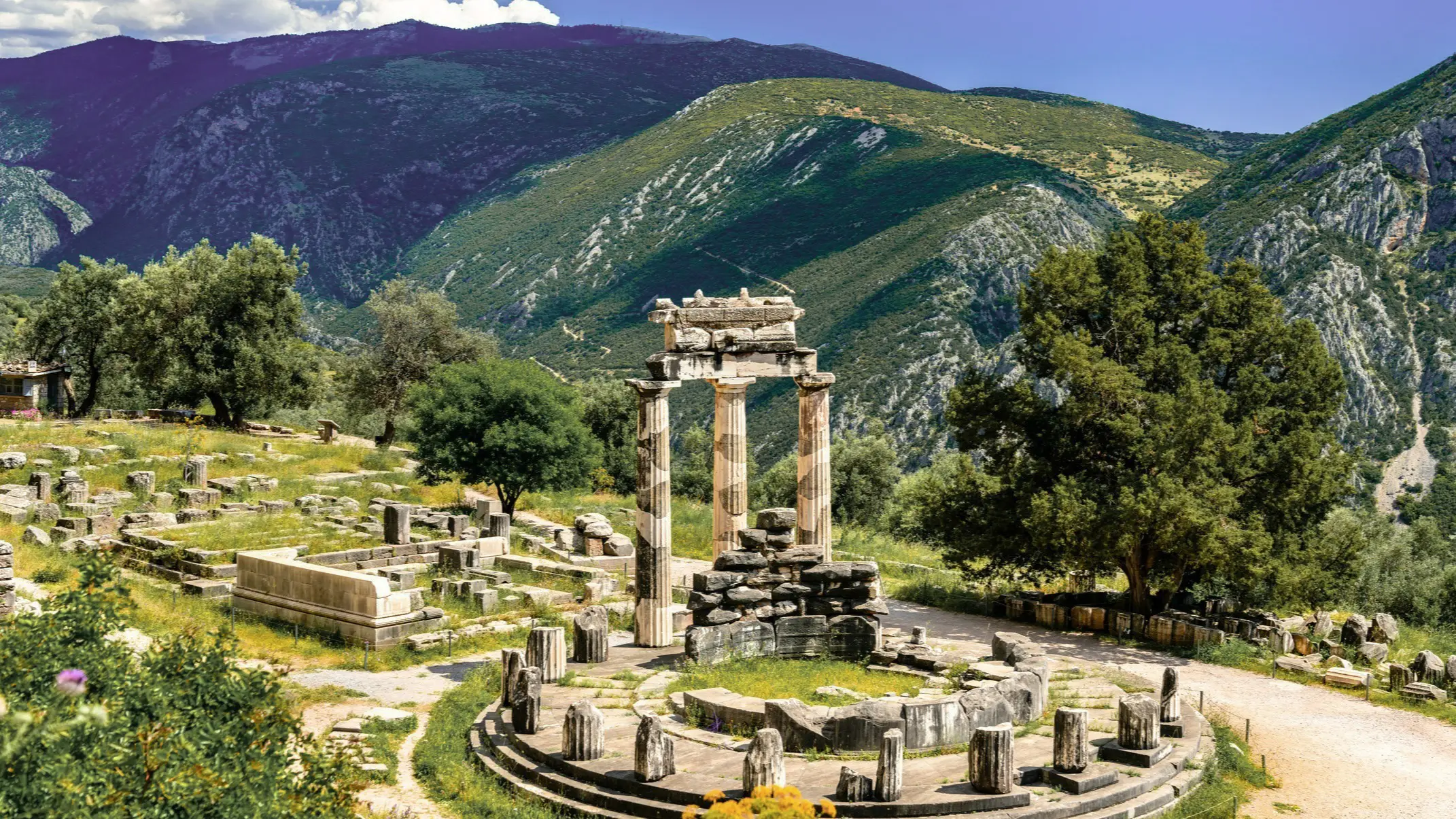
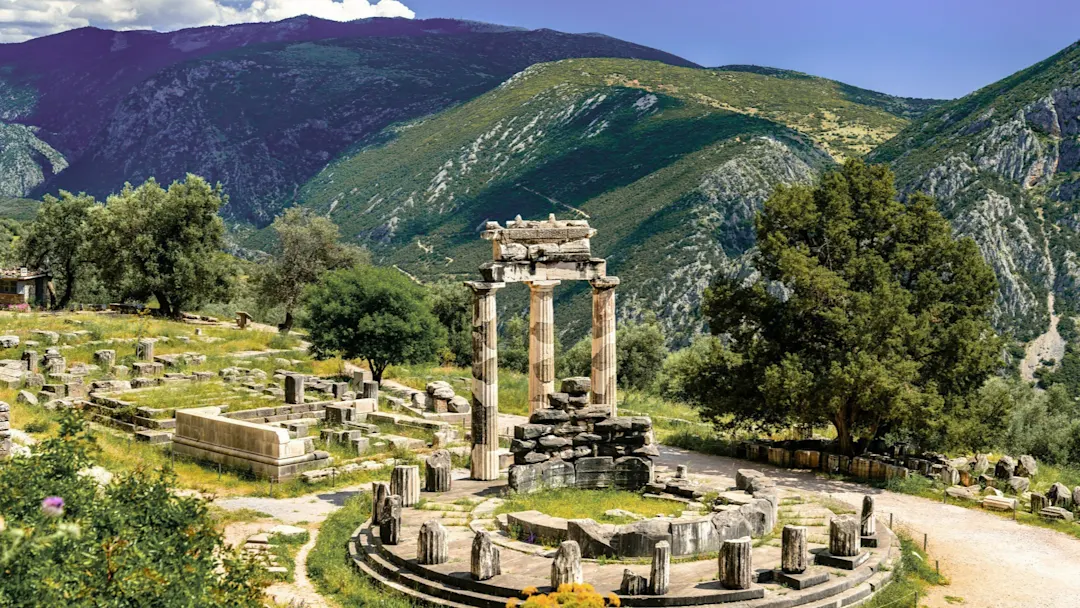
The third day is perfect for the surrounding area. Delphi — the mountain sanctuary the ancient Greeks called the center of the world — is a scenic drive northwest, its Temple of Apollo set on the slopes of Mount Parnassus. Closer and shorter, Cape Sounion crowns a headland with the Temple of Poseidon, best timed for sunset over the Aegean. Both deepen the mythology before any island leg.
Days 1–2 — The ancient and modern city.
Day 3 — A day trip: Delphi and its oracle, or Cape Sounion's clifftop temple at dusk.
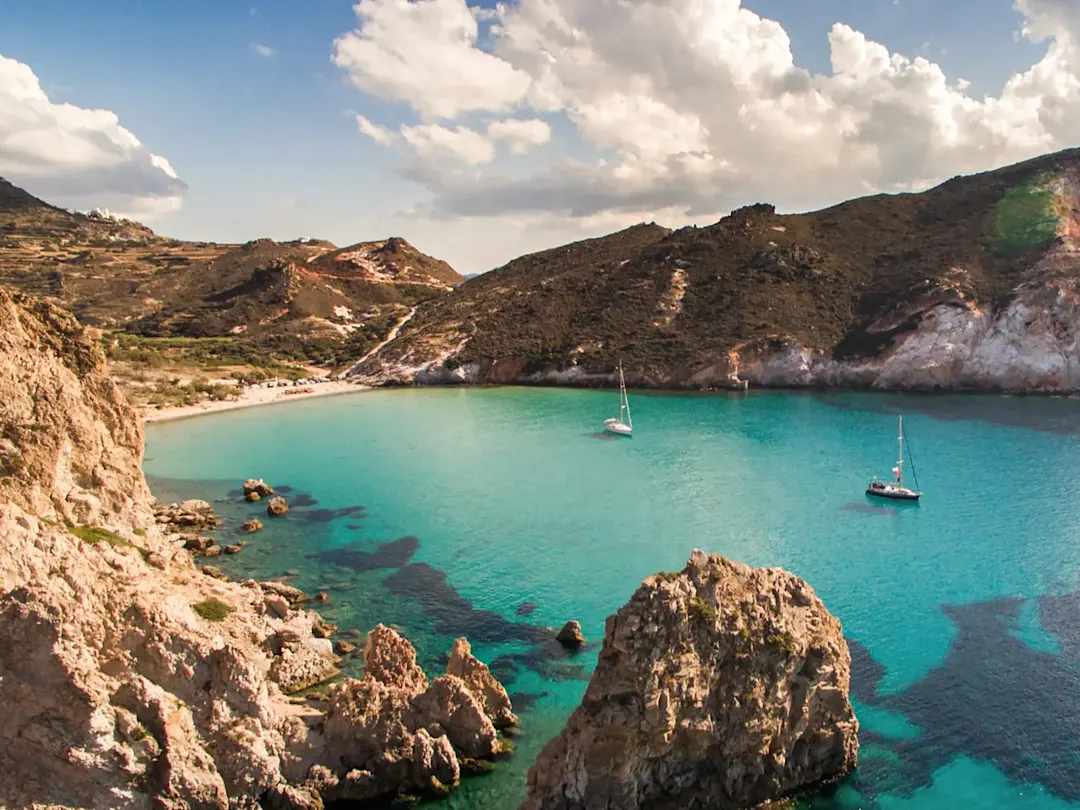
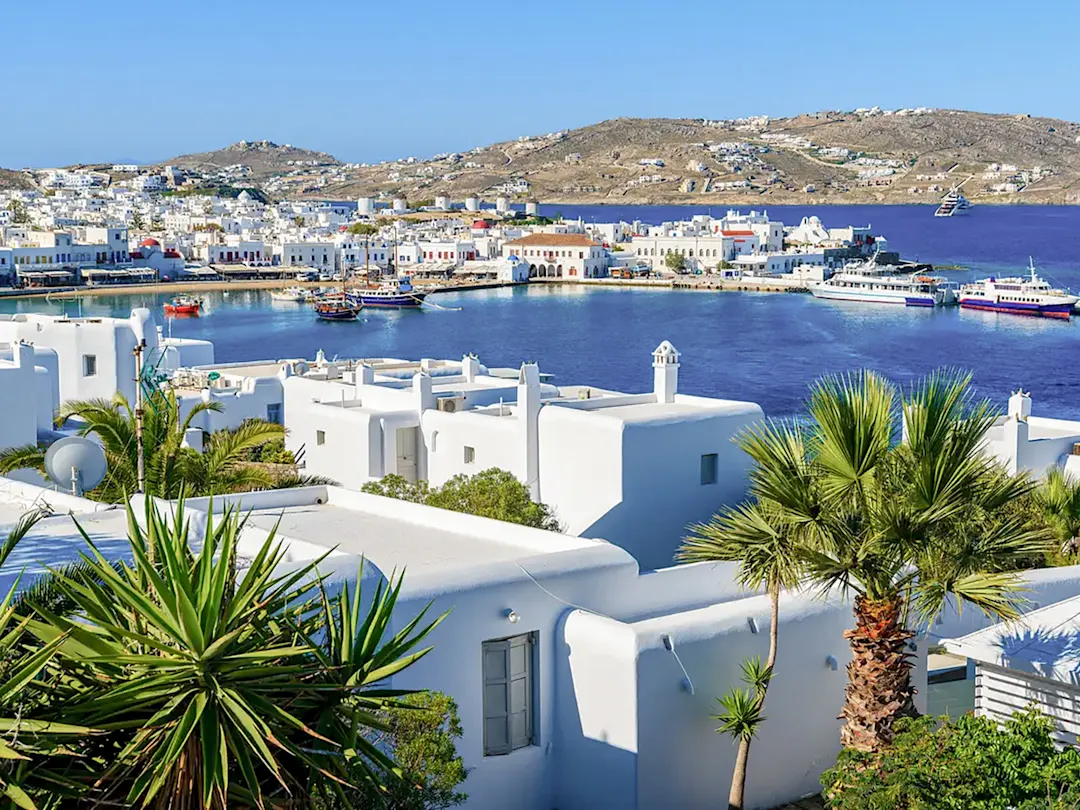
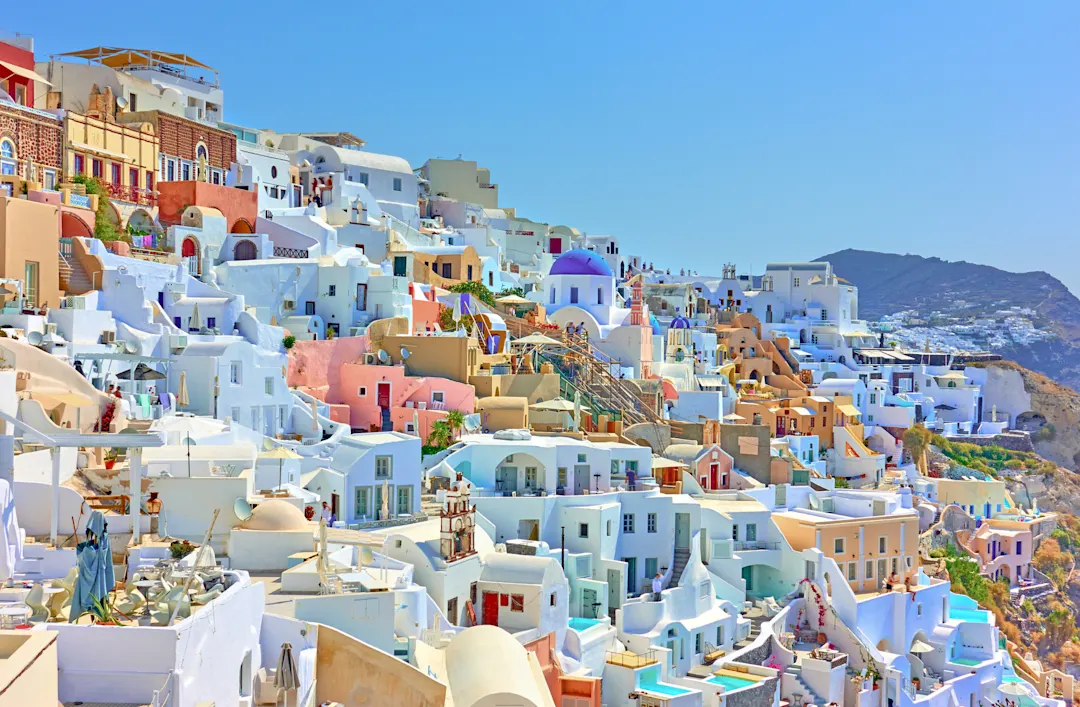
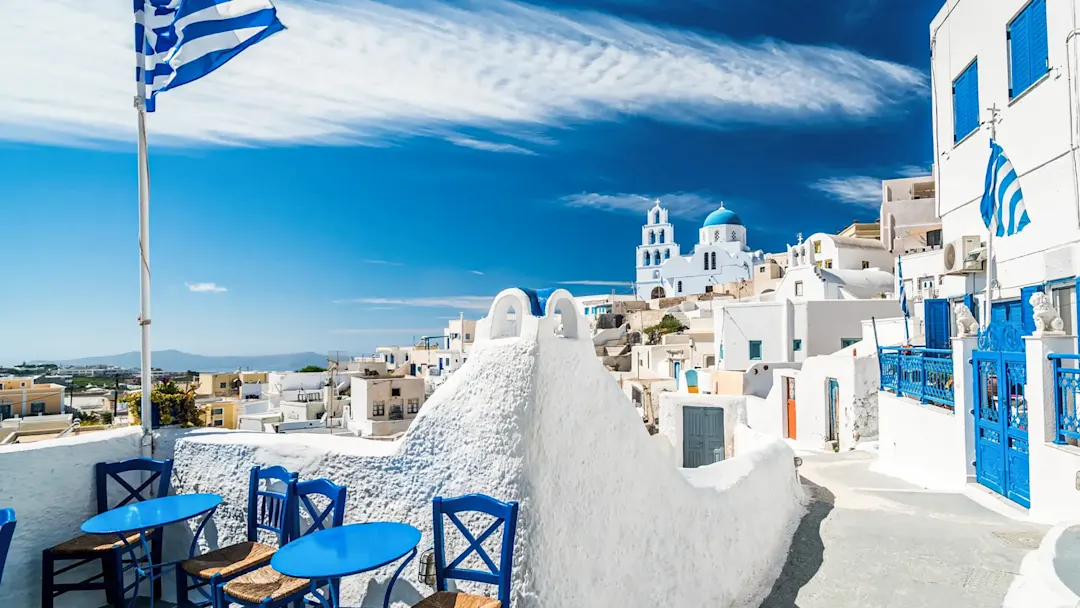
With four or more days, your trip to Greece really gets going, and the course almost always turns toward the sea. Santorini, with its caldera and sunsets, is the classic first island, reachable by a short flight or a fast ferry. With more time, you can visit several Cycladic islands in succession — Naxos for beaches and mountain villages, Paros or Mykonos for the atmosphere — or continue by sea to Crete, a land of history and coastline. Athens remains the hub the whole trip revolves around.
Days 1–2 — Athens, unhurried.
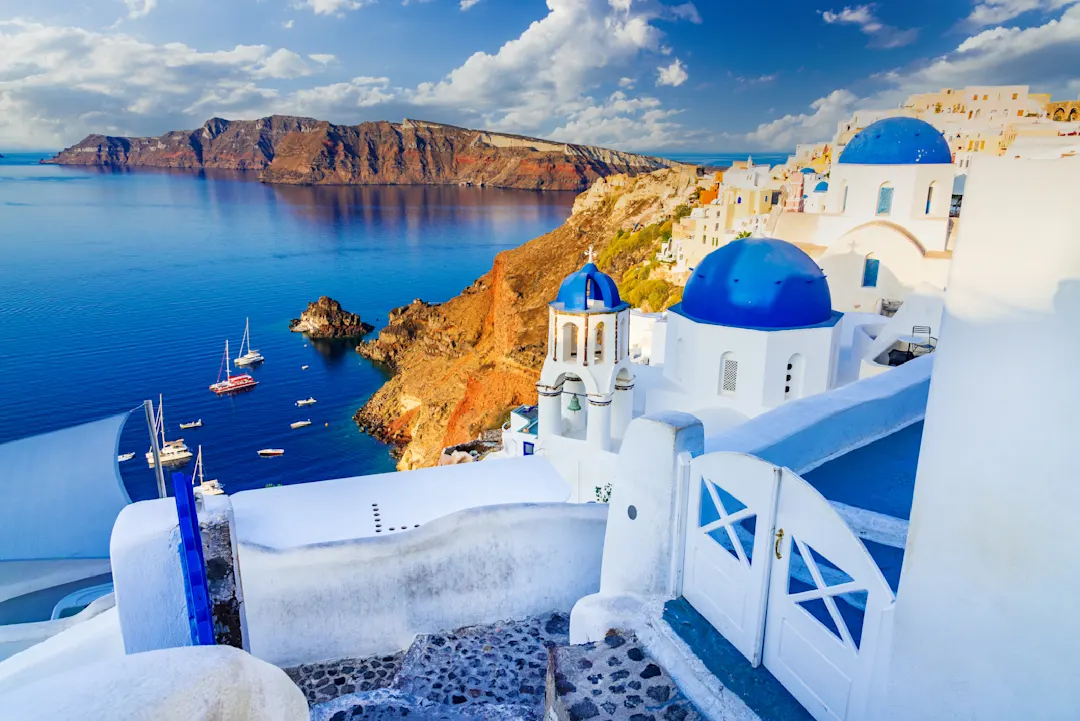
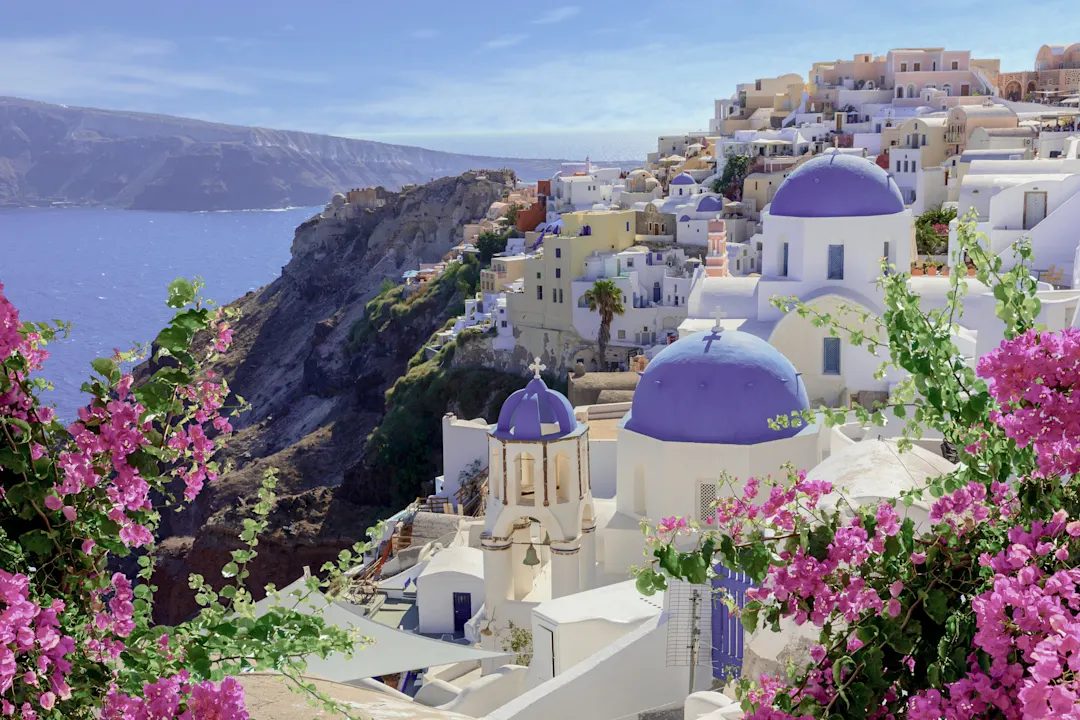
Day 3 — Fly or take the speedboat to Santorini: the caldera, Oia, and the wineries.
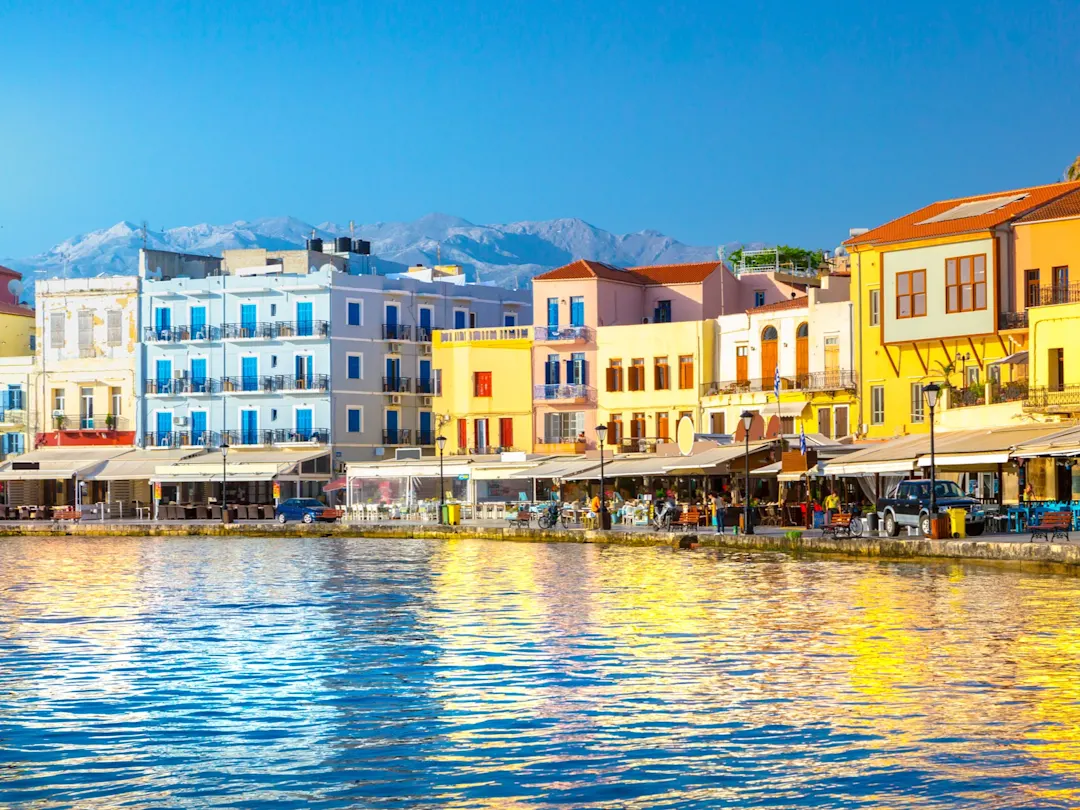
Days 4+ — On through the islands, Naxos or Mykonos, or over to Crete.

Ancient and modern, side by side
The classical sites — the Acropolis, the Agora, and the major museums — sit in a compact area and cover well in two days. But the city's vibrant character — its food, its nightlife, and a creative, slightly bohemian energy — is best experienced in the evening. Decide how much time to give the modern city against the ancient one, and the length of your trip takes shape. To discover the main attractions, check out our guide on things to do in Greece.
The islands are the real journey
More than any other capital, Athens is a springboard, and the trip is oriented toward the sea. This is where the logistics of a Greek itinerary come in: the ferries and short domestic flights connecting Athens to the Cyclades and Crete set the overall shape of the trip. Santorini and Mykonos are the famous names, but Naxos and Paros reward travelers who stay longer. Plan your island-hopping route before booking hotels, as ferry and flight connections dictate your options. Each extra day buys another island. Planning an island-hopping tour? See our guide to things to do in Athens.
Getting to the Aegean
How you leave Athens matters as much as when. High-speed ferries and flights from Piraeus and the airport reach the islands in anything from fifty minutes to several hours. Your choice shapes the day: a hydrofoil to Santorini leaves the afternoon free, while a slow ferry can take up the whole day. Timing the crossing well is key to a smooth trip. Athens is easy to navigate on foot and by metro, so you won't need a car until you reach the islands, and even then only if you rent one locally.
When to visit
Spring and autumn (April–June and September–October) are the best times to visit Athens: the days are warm and clear, ideal for the ruins without the scorching summer heat, and the islands are open but not yet overrun. July and August are hot and crowded, though the long evenings and frequent ferry connections make island-hopping easy. Winter is mild, quiet, and affordable, with the city sites practically deserted, although island life slows down. For a month-by-month overview, check out our guide on the best time to visit Greece.