How many days in Florence?
The right length for Florence, from the Renaissance core to the Tuscan hills beyond
Plan your Trip
Your tailor-made itinerary – No cost, no commitment
Excellent
4.6 of 5
6,139Reviews
Excellent
Recommended trip duration
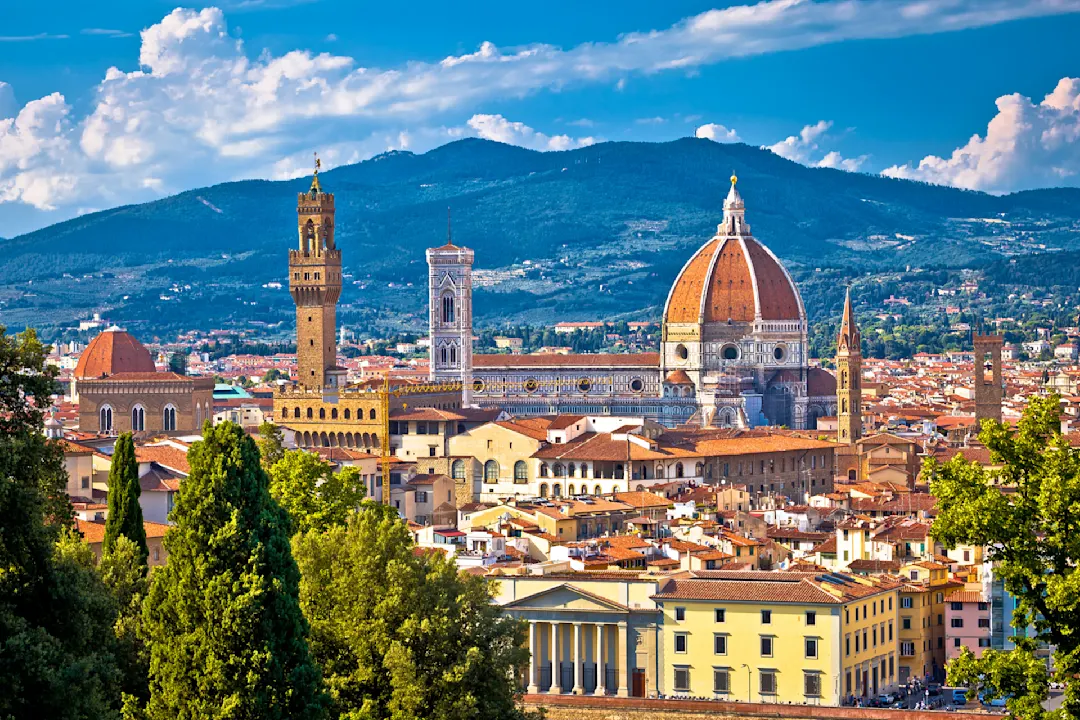
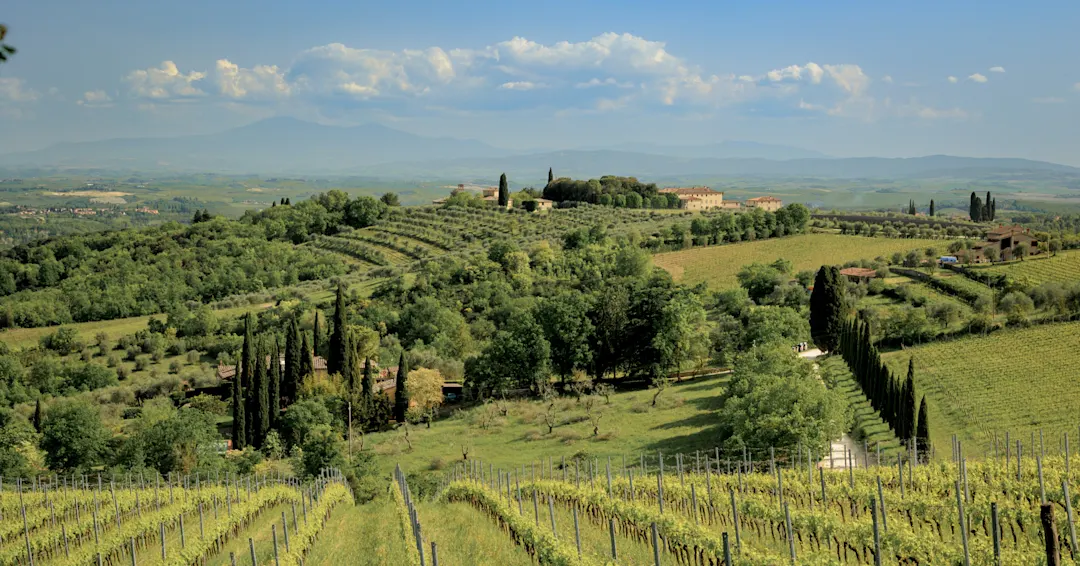
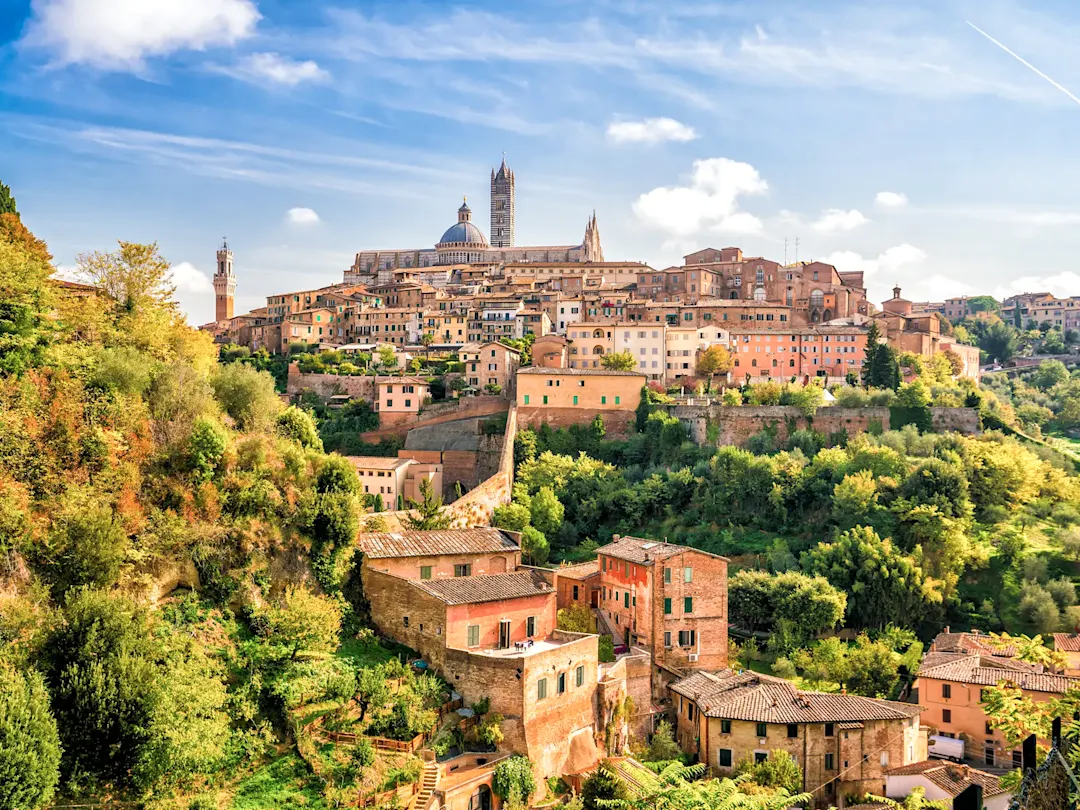
Florence rewards focus, not endless days packed with activities. You can walk across the historic center from one end to the other in a single afternoon. For the two collections that matter most — the Uffizi and the Accademia — booking the right time slot counts more than setting aside whole days. Two days is enough to see the city properly. Tuscany itself justifies a third, fourth, or fifth day: a drive south into Chianti, a day in Siena's shell-shaped piazza, the towers of San Gimignano, or a long lunch at a vineyard. Think of Florence as the door to the region, not just a city to tick off a list.
Roman Karin
Certified Italy specialist
- 300+ trips planned
- Personally visited 8 times
- 8+ years of experience
- Specialist in Fiji, Malaysia, and Sri Lanka
Plan your trip for free
Your tailor-made itinerary – No cost, no commitment
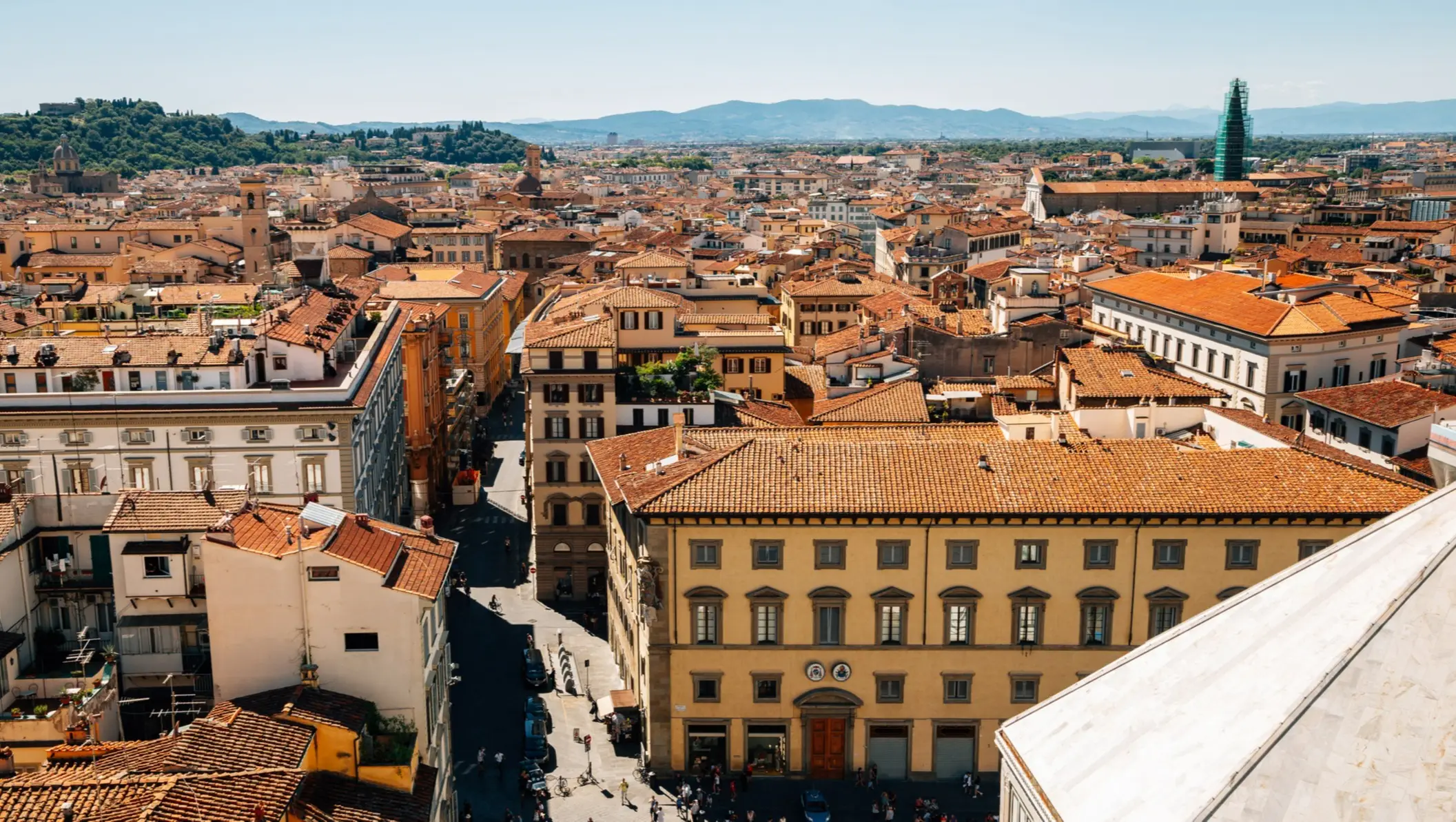
Florence divides cleanly into two parts: the city and Tuscany. The center is compact yet rich in art, so two days are enough to see it without rushing. Any extra days belong to the region: wine routes, hilltop villages, and lunches among the vineyards. Give it just one day and you'll race from one gallery to the next. Two days is the honest minimum.
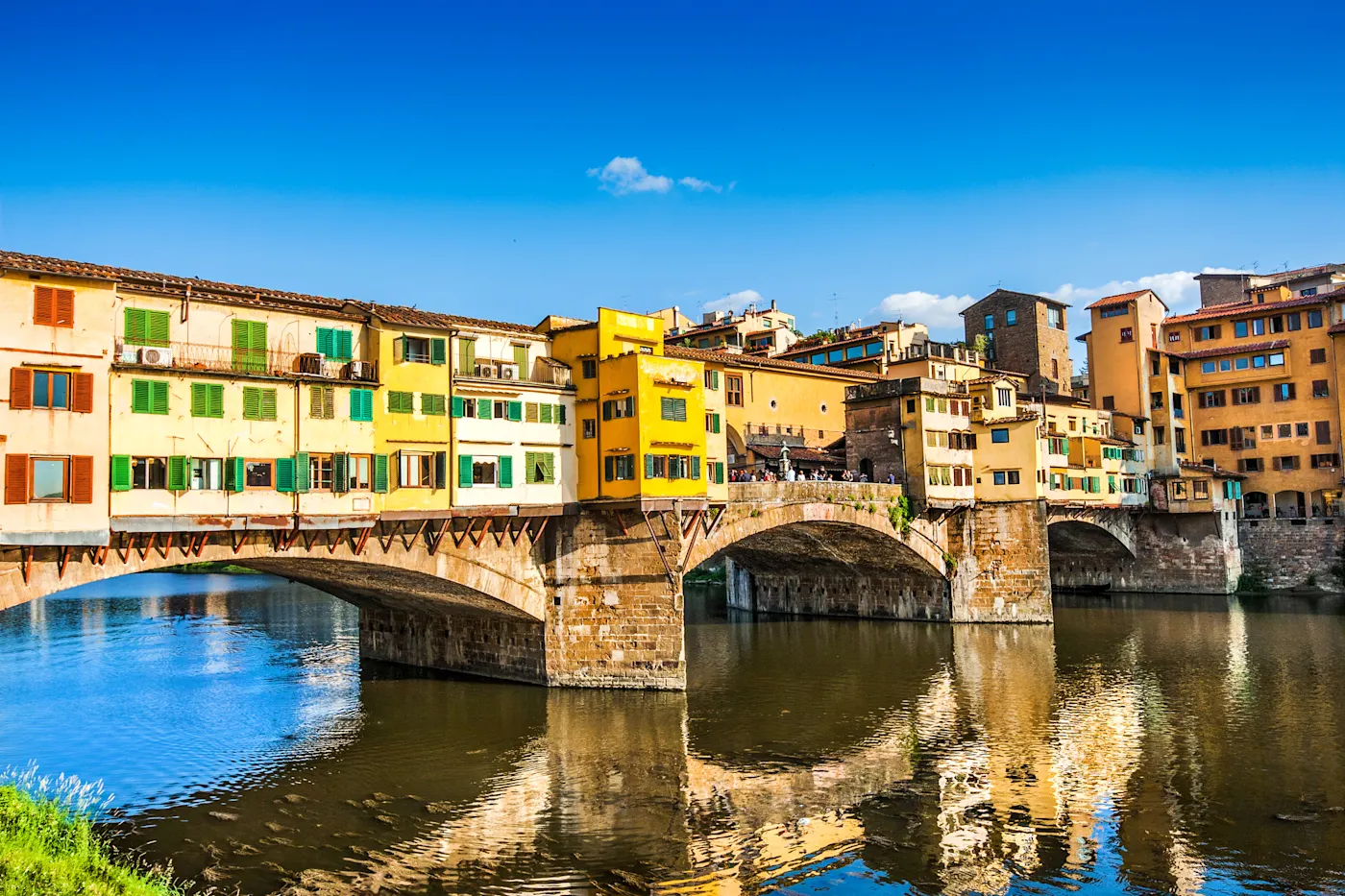
1–2 days — The city itself. The Duomo, the Uffizi, the Accademia, the Ponte Vecchio, and sunset from Piazzale Michelangelo.
3 days — Add a day in the countryside. Siena and Chianti, or the towers of San Gimignano.
4–5 days — Florence as a base for Tuscany, with time for Pisa, Lucca, and the wine roads.
| Days in Florence | Best for | Combine with — wider Italy route |
|---|---|---|
| 2 days | A first taste on a multi-city trip | Rome ▸ Florence ▸ Venice |
| 2 days | Art cities by rail | Rome ▸ Florence ▸ Milan |
| 3 days | The city plus one Tuscan day trip | Florence + Siena + San Gimignano |
| 4 days | Florence and the Renaissance heart | Florence ▸ Siena ▸ Tuscan hills |
| 5+ days | A slow Tuscan road trip | Florence ▸ Chianti ▸ Siena ▸ Pisa |
These stages are a guide, not a fixed route. Every trip is tailored to you.

Plan for free
Custom holiday packages and trips that fit your budget

Personalized for you
Itineraries built exactly to your needs

Private VIP guides
A personal English-speaking, native-European travel expert for every step

Peace-of-mind support
Full service assistance before, during, and after your trip
Two days is the ideal duration if Florence is a stopover between Rome and Venice on an art-city tour. By booking tickets for the Uffizi and the Accademia Gallery in advance, the timed entries shape your day instead of eating into it. The city center is compact and walkable. The advantage is choosing the best moments — such as visiting the Duomo before the lines form or enjoying Piazzale Michelangelo during the "golden hour."
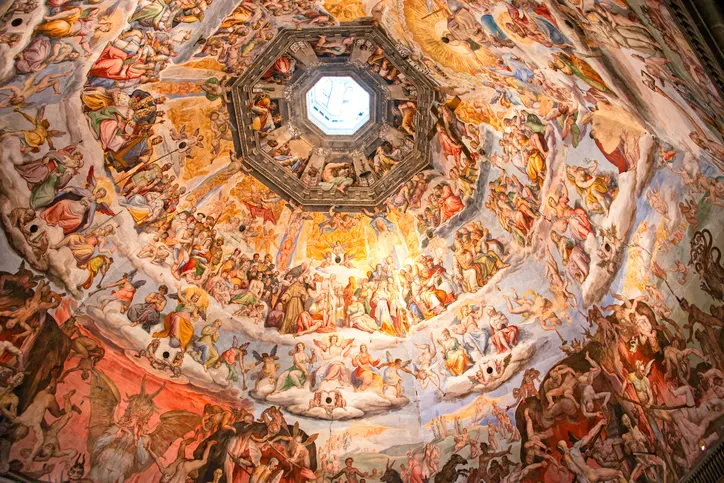
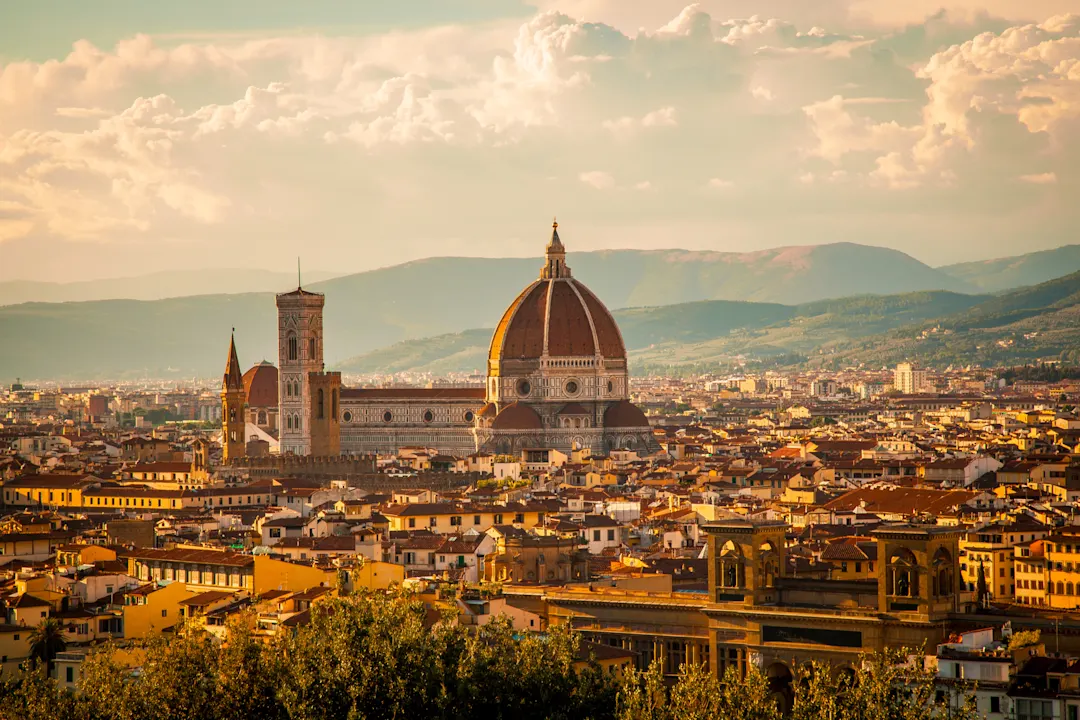
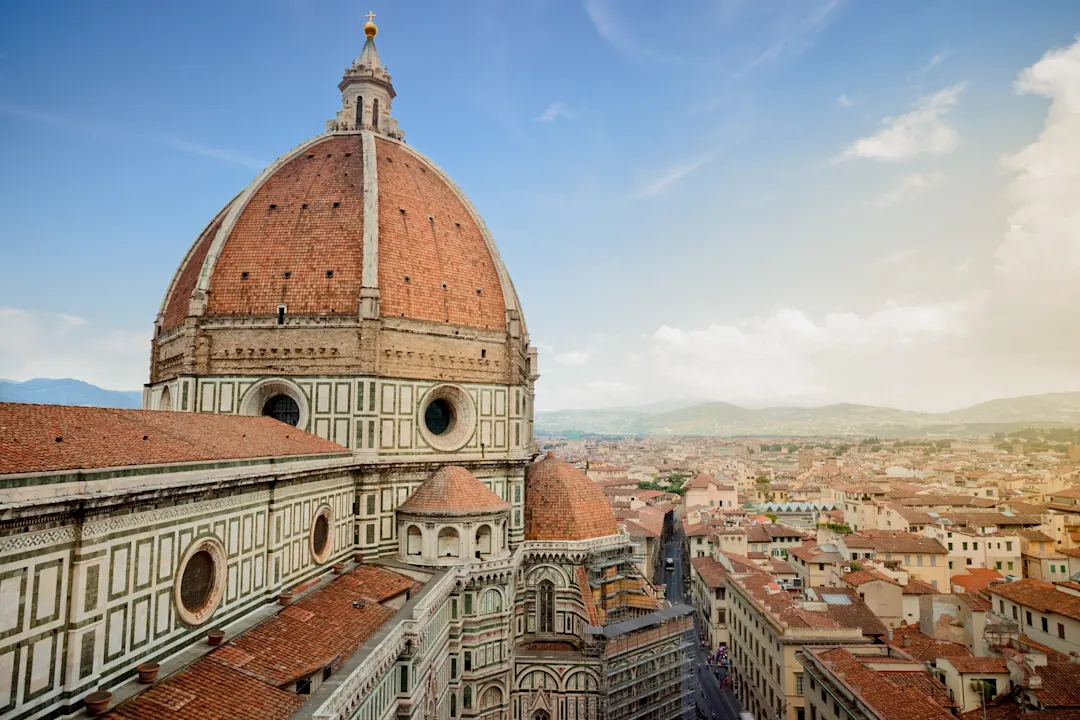
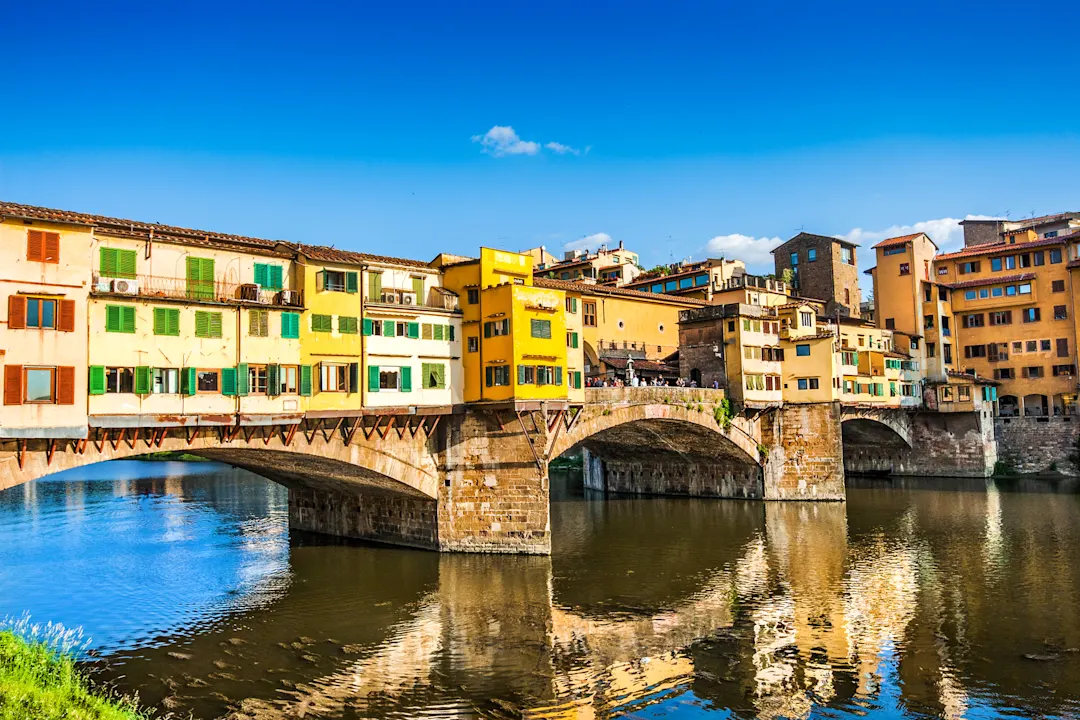
Day 1 — The Duomo and Brunelleschi's dome, the Baptistery, and a guided walk through the historic center to the Ponte Vecchio.
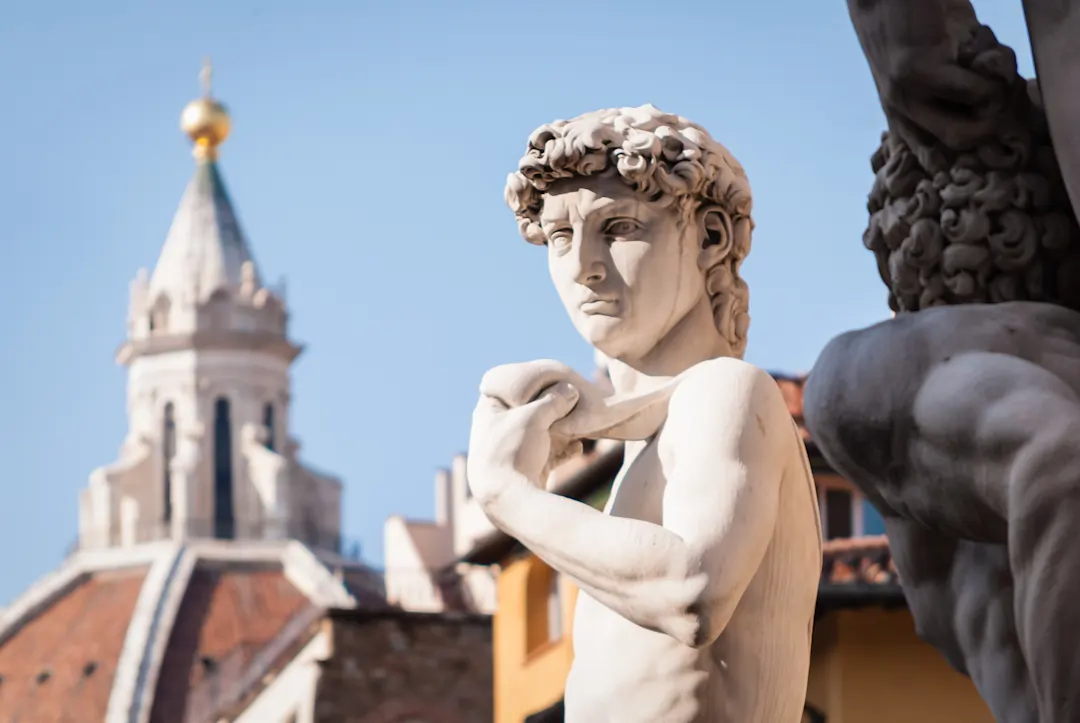
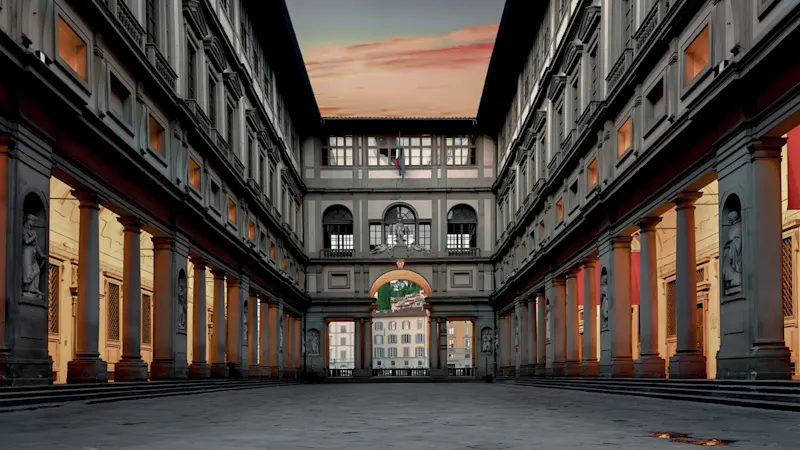
Day 2 — The Accademia for Michelangelo's David, then the Uffizi. Cross the Arno to the Oltrarno and up to Piazzale Michelangelo for sunset.
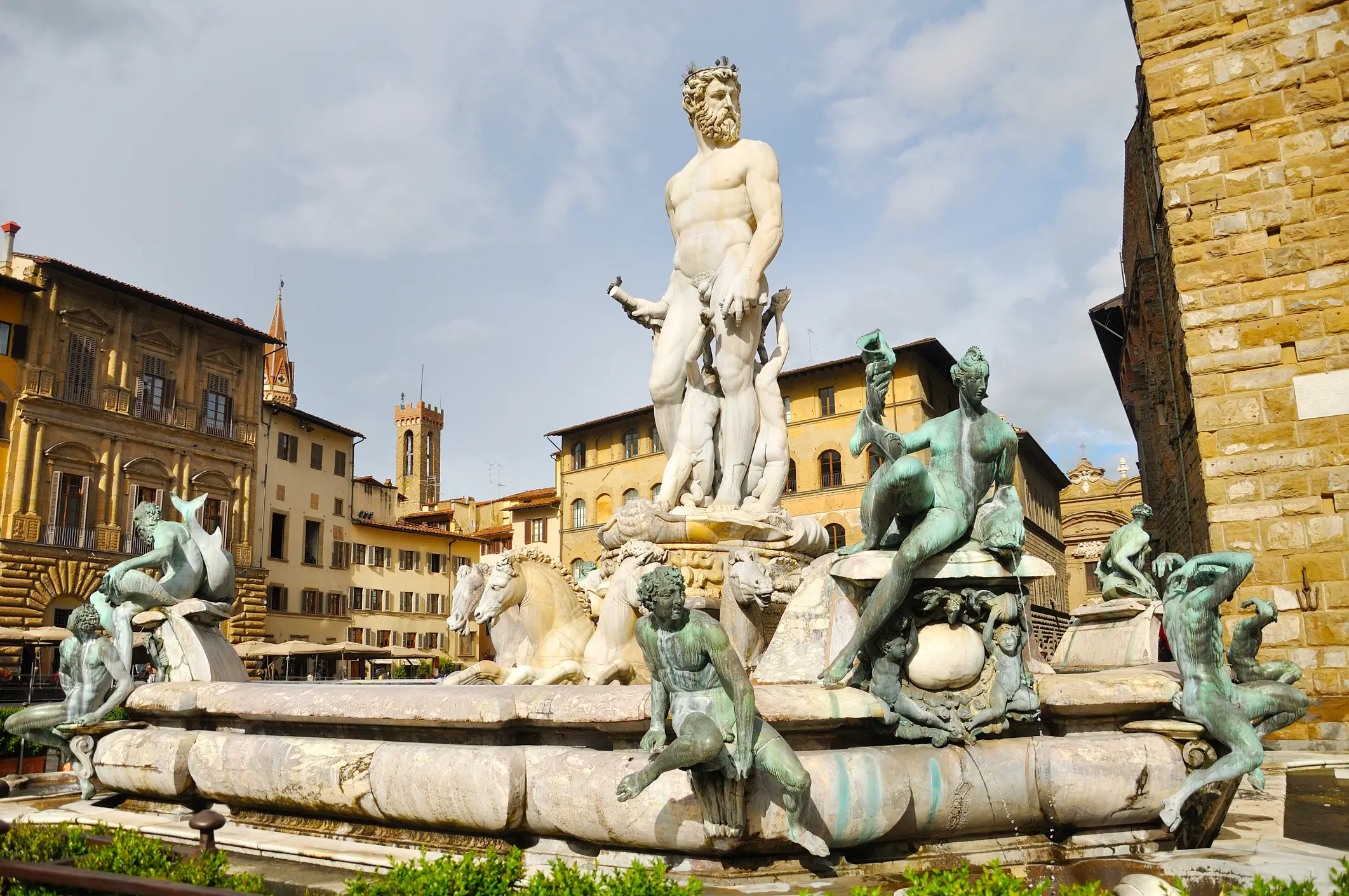
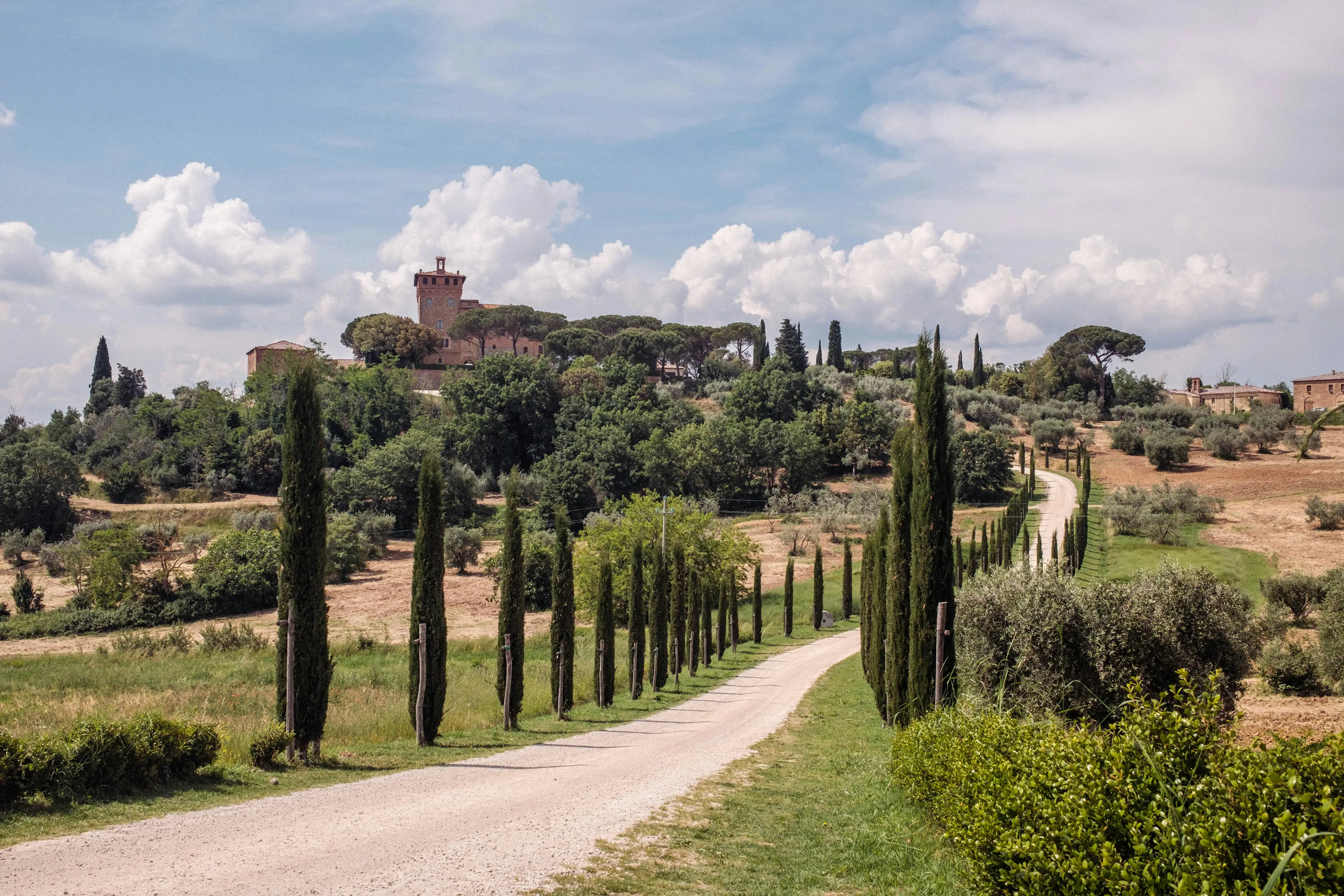
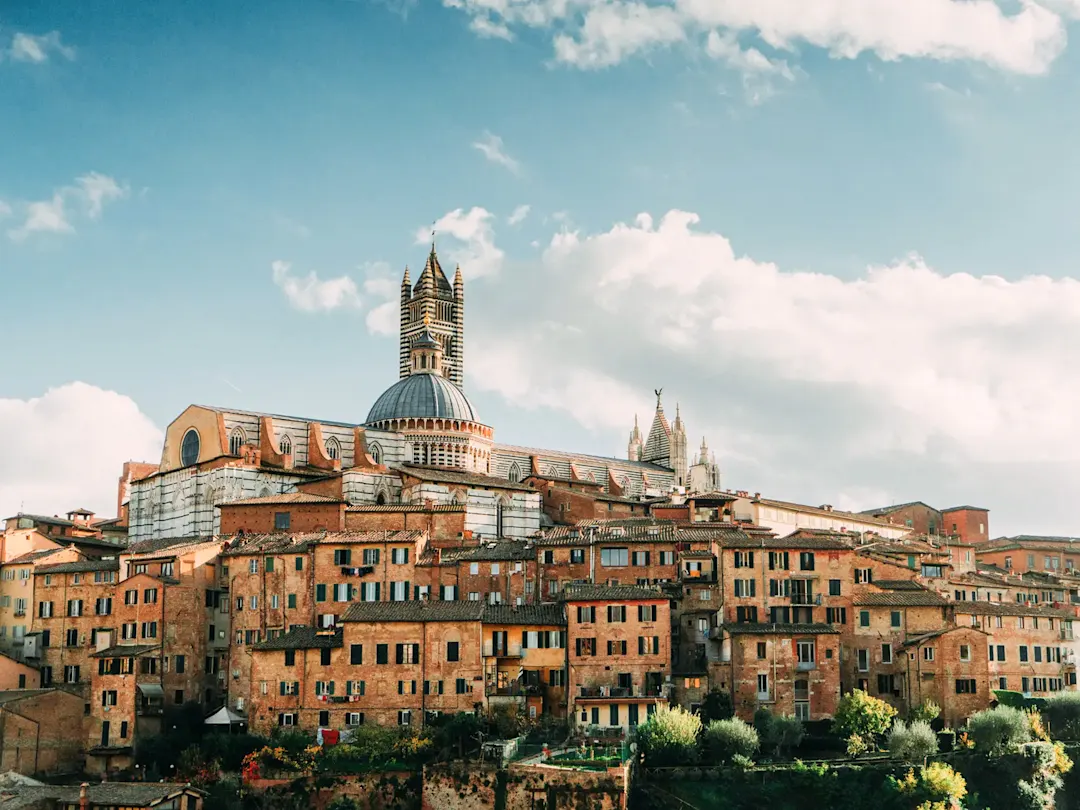
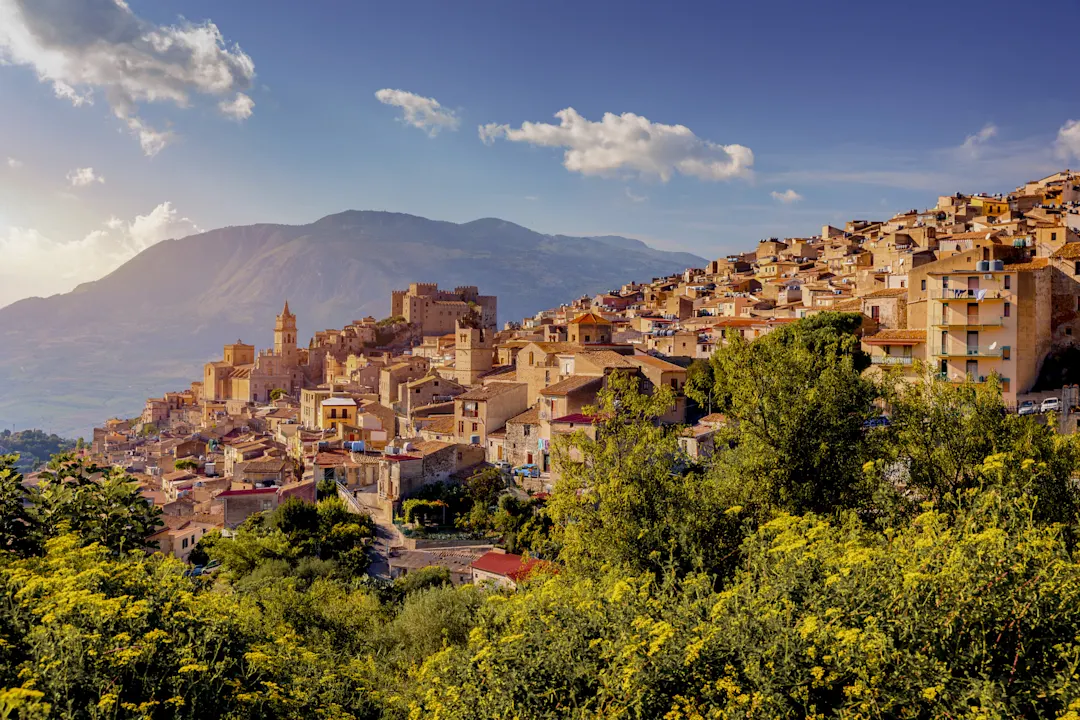
The third day is when the trip expands beyond the city limits. After exploring Florence, you head into the countryside. The medieval center of Siena with its Piazza del Campo, the tower-filled skyline of San Gimignano, and a Chianti vineyard for lunch and a tasting. It is a smooth, well-paced itinerary through the hills — often the highlight of the trip.
Days 1–2 — The city: the Duomo, the Uffizi, the Accademia, and the Oltrarno.
Day 3 — A guided day trip: Siena, San Gimignano, and a Chianti wine tasting.
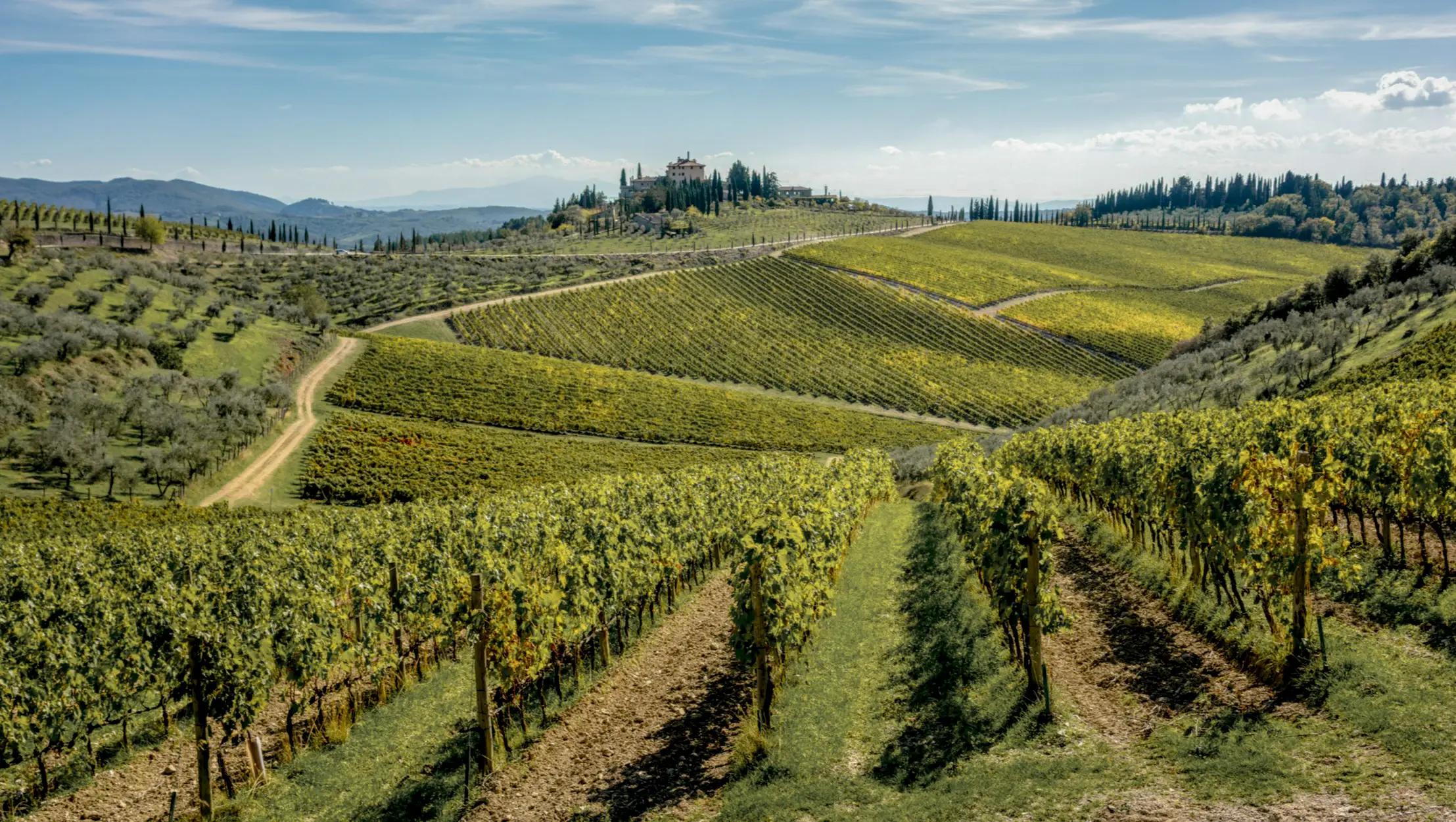
With four or five days, Florence becomes your home base. Tuscany is the heart of the trip. Beyond Siena and Chianti, there are Pisa and Lucca to the west and the wine villages of the Val d'Orcia to the south. Not to mention evenings in the city, perfect for fine dining and a more relaxed pace. If you prefer driving through the hills on your own, you can choose a road-trip itinerary. It swaps the organized day trip for the freedom to stop wherever you like, for as long as you like.
Days 1–2 — Florence city center, at a leisurely pace.
Day 3 — Siena and Chianti.
Days 4–5 — Pisa and Lucca, or the Val d'Orcia wine routes, all while using Florence as your base.
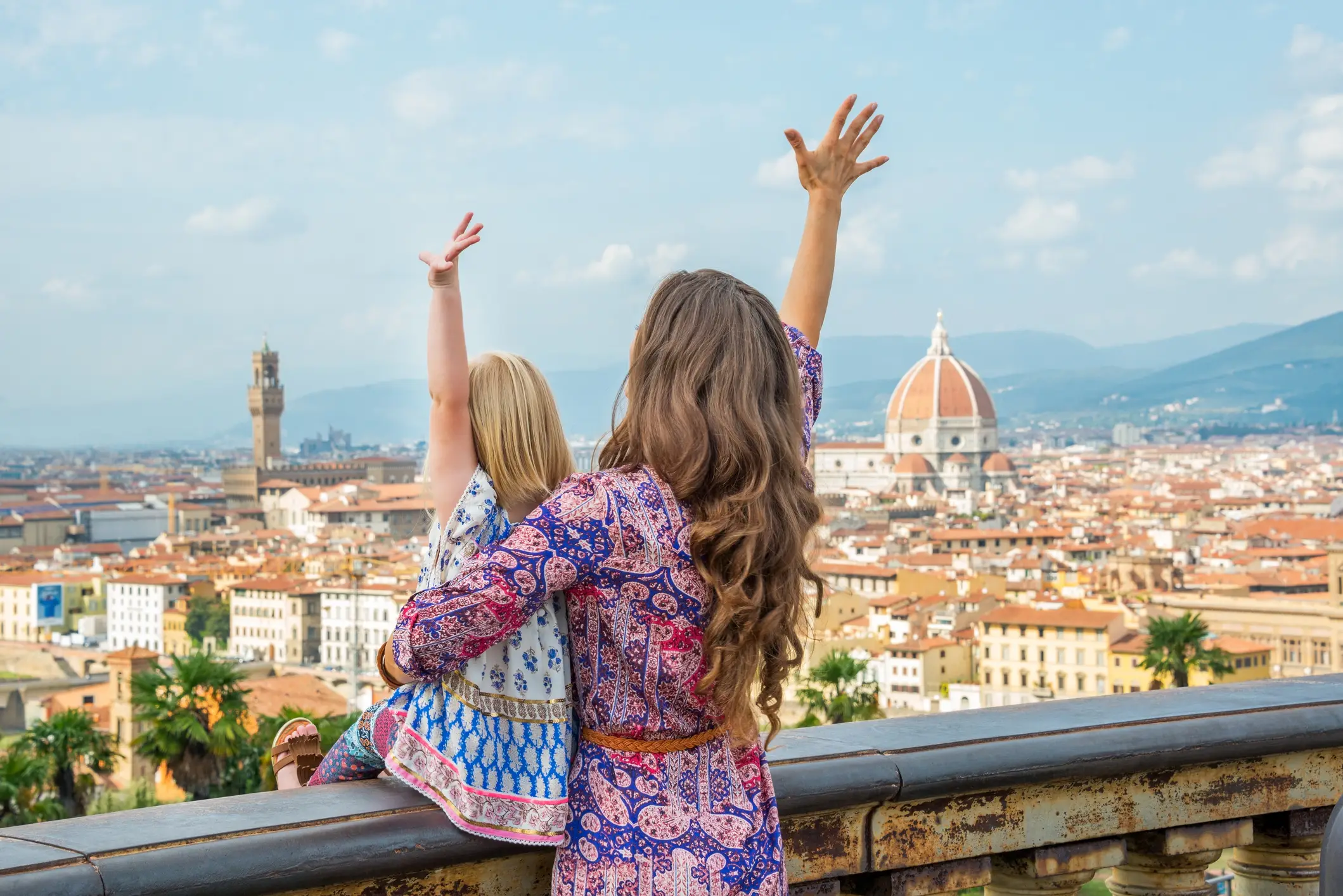
The city, then Tuscany
Florence is a unique city: its historic center is compact yet rich in art, but the surrounding area offers more to explore. That determines your trip duration. If Florence is just one stop on a week-long tour covering Rome, Florence, and Venice, two days is enough. If, however, the city serves as a base for exploring Chianti, Siena, and the wine villages, dedicate four or more days to the area. To discover the main attractions for these initial days, check out our guide on things to do in Florence.
When you go
Spring (April–June) and autumn (September–October) offer mild weather and showcase the Tuscan hills at their best. Lush green in spring, and golden during the grape harvest. Summer is hot and lively. Book museum and gallery tickets and dinner reservations in advance, and start your days early. Summer is also the time to combine a city visit with poolside relaxation in the countryside. Winter is quiet and atmospheric — with the Uffizi practically empty — though some rural areas scale back their activities. For a seasonal overview, consult our guide on the best time to visit Italy.
Getting around
Florence is easily explored on foot, and the main art galleries are just minutes apart, so a car is not necessary within the city. Trains connect Italy's art cities: Rome is about an hour and a half away, Venice just under two hours, and Milan less than two. However, a car proves invaluable for exploring Tuscany — the backroads of Chianti and hilltop villages not served by the rail network. Planning a road trip through the hills? Check out our Italy road trip guide.