How many days in Venice?
The right length for Venice, from the canals to the lagoon islands and the Veneto beyond
Plan your Trip
Your tailor-made itinerary – No cost, no commitment
Excellent
4.6 of 5
6,139Reviews
Excellent
Recommended trip duration
Venice is often underestimated. Many envision a one-day visit: St. Mark's Square, a gondola ride, and then off they go. But the historic center is just the surface layer. The real question is how deeply you want to explore the lagoon. A full day covers the main attractions. Two days let you get away from the crowds and find the sestieri (districts) of Cannaregio and Castello, where Venetians live. The third and fourth days transform the experience. You take a boat to admire the colorful houses of Burano, watch glassmaking in Murano, or catch a fast train to Verona or the Prosecco hills. Venice is small, but its surroundings are vast.
Roman Karin
Certified Italy specialist
- 300+ trips planned
- Personally visited 8 times
- 8+ years of experience
- Specialist in Fiji, Malaysia, and Sri Lanka
Plan your trip for free
Your tailor-made itinerary – No cost, no commitment
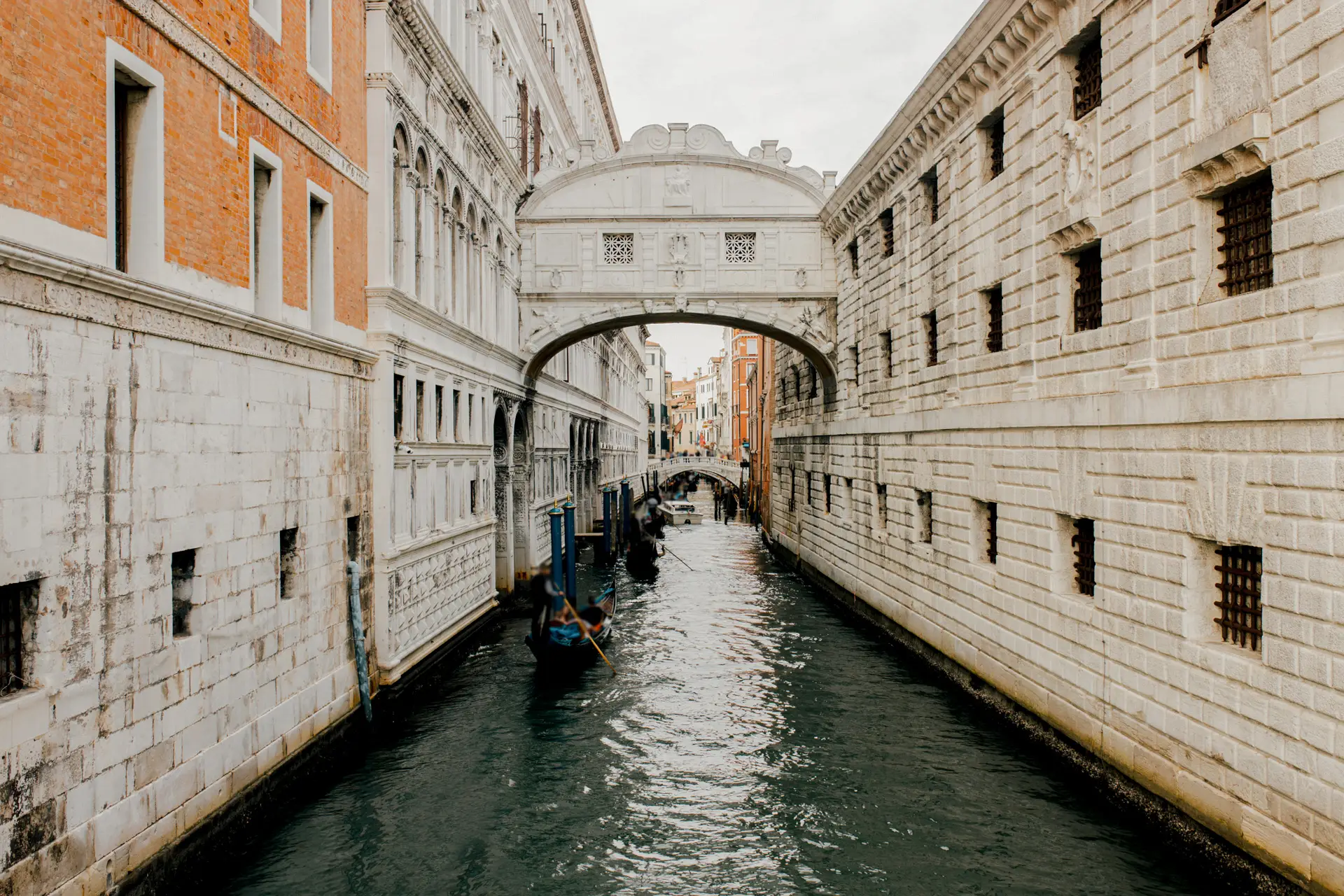
The Venice experience has two parts: the island city and the surrounding lagoon. The center takes one or two days. The islands and the Veneto region justify a stay of three or four days. Stay just one day, and you risk St. Mark's Square at its most crowded. Extend your stay, and the crowds stop being the story.
1–2 days — The city itself. San Marco, the Doge's Palace, the Rialto, and the backstreets once the day-trippers leave.
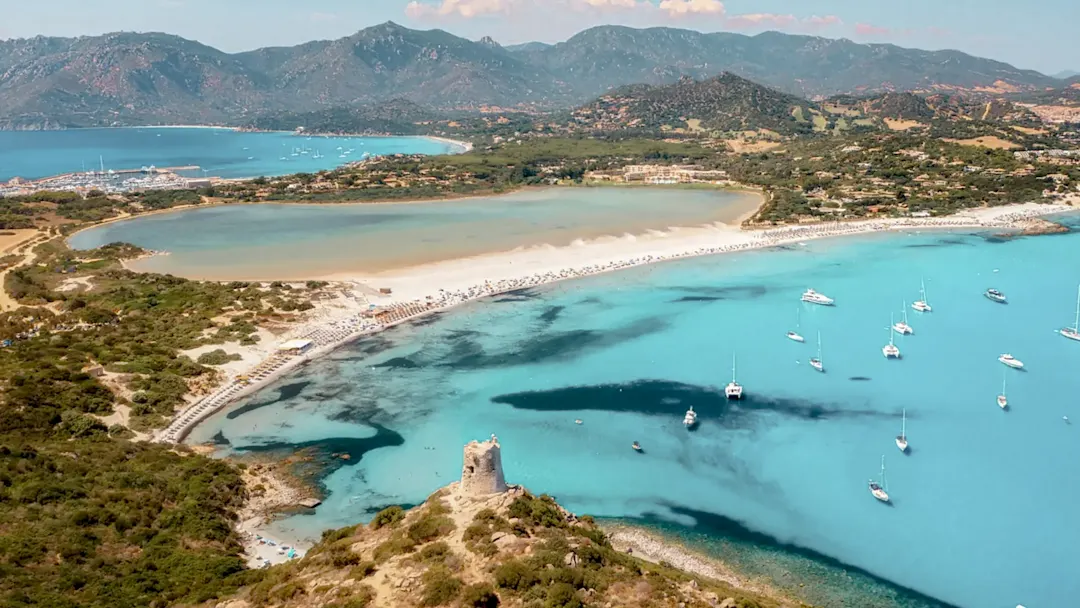
3 days — Add the lagoon. A full day on the water for Murano, Burano, and quiet Torcello.
4 days — Venice as a base, with a day trip out to Verona, Padua, or the Prosecco region.
| Days in Venice | Best for | Combine with — wider Italy route |
|---|---|---|
| 2 days | A first taste on a multi-city trip | Rome ▸ Florence ▸ Venice |
| 2 days | Northern Italy by rail | Venice ▸ Milan ▸ Lakes |
| 3 days | The city plus the lagoon islands | Venice + Murano + Burano |
| 3 days | Venice into the mountains | Venice ▸ Dolomites |
| 4 days | Venice as a base for the Veneto | Venice + Verona or Prosecco hills |
| 5+ days | One stop on a northern road trip | Venice ▸ Verona ▸ Milan ▸ Cinque Terre ▸ Florence |
These stages are a guide, not a fixed route. Every trip is tailored to you.

Plan for free
Custom holiday packages and trips that fit your budget

Personalized for you
Itineraries built exactly to your needs

Private VIP guides
A personal English-speaking, native-European travel expert for every step

Peace-of-mind support
Full service assistance before, during, and after your trip
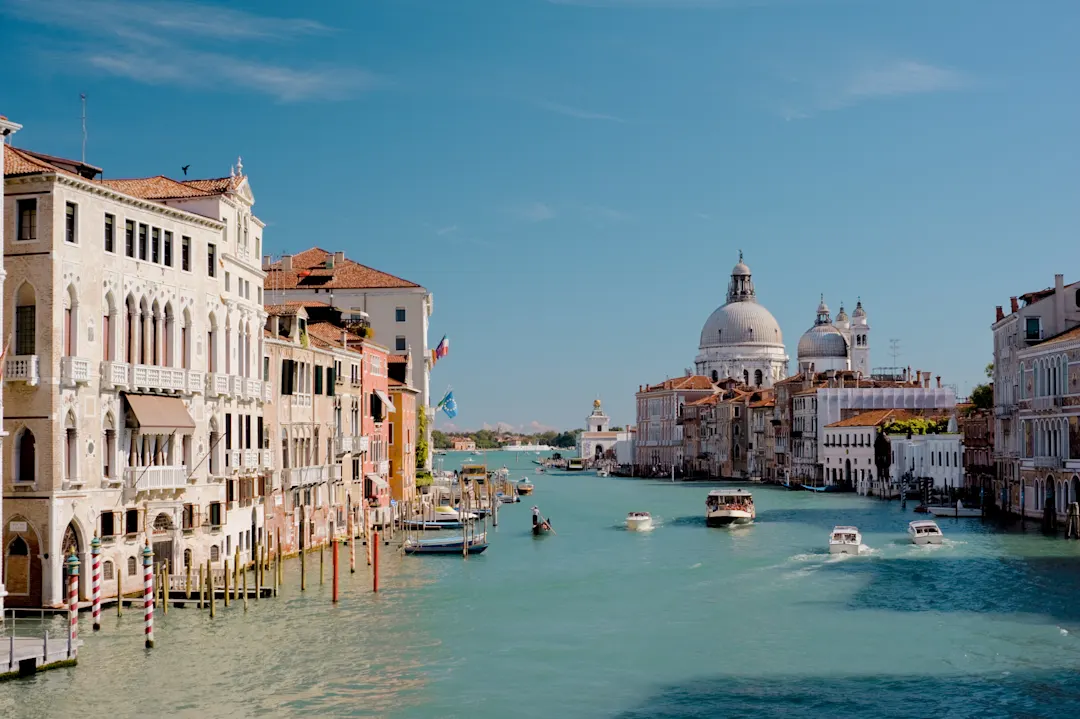
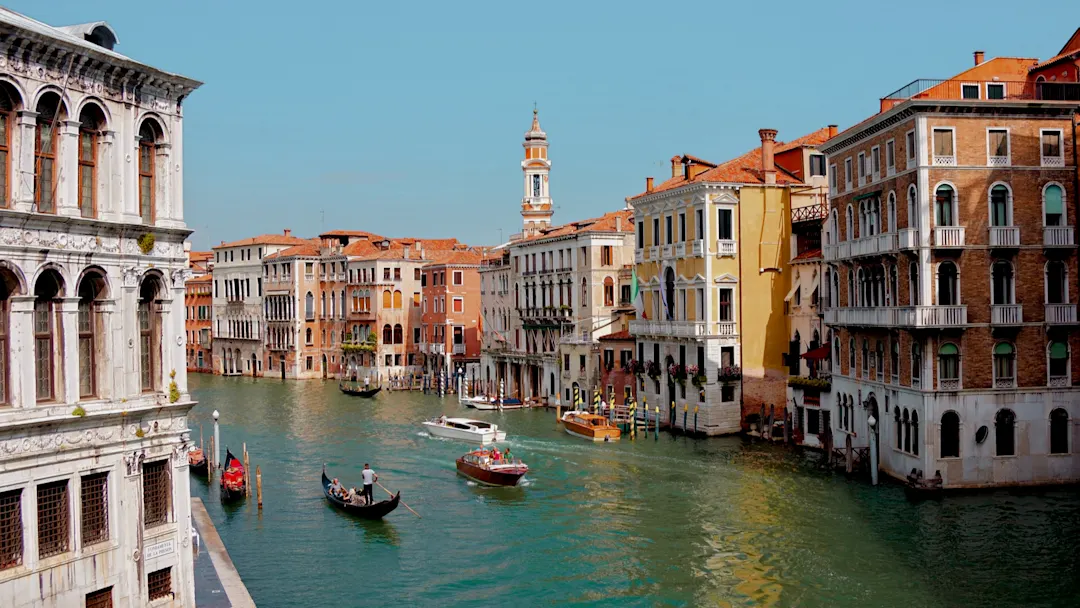
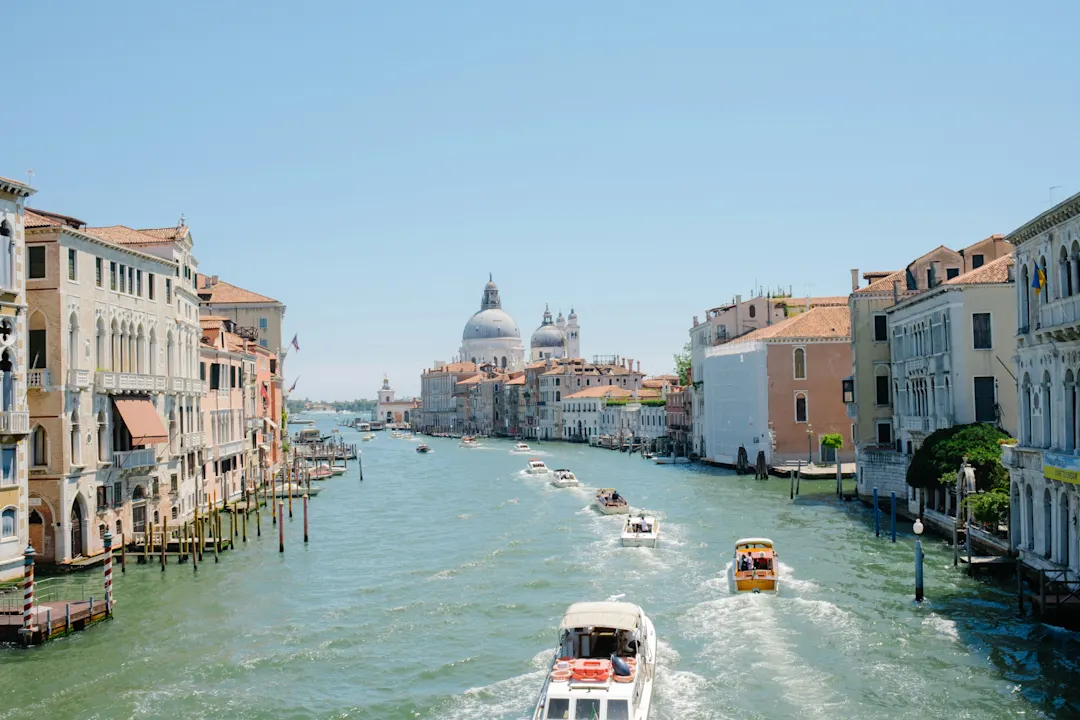
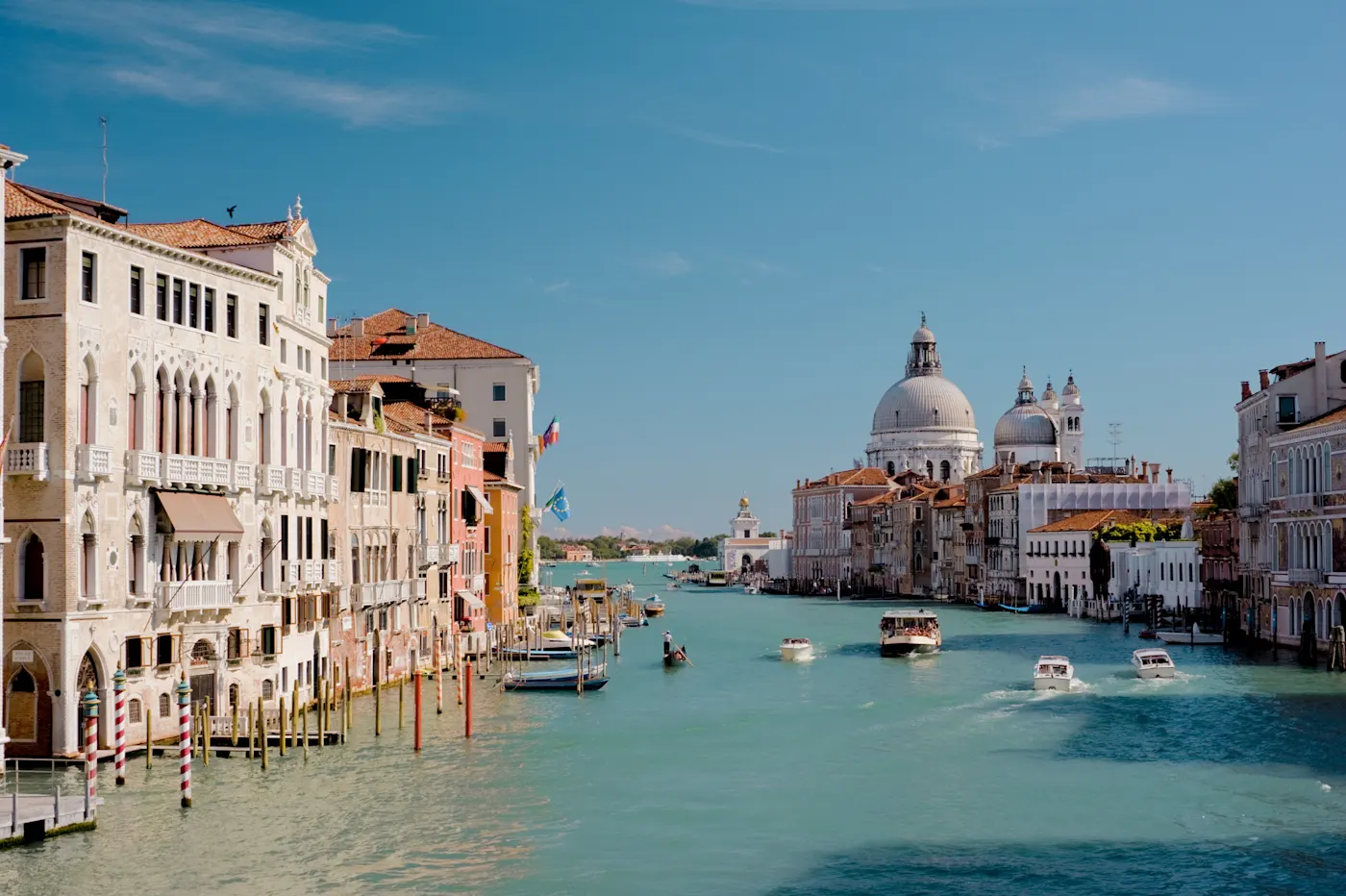
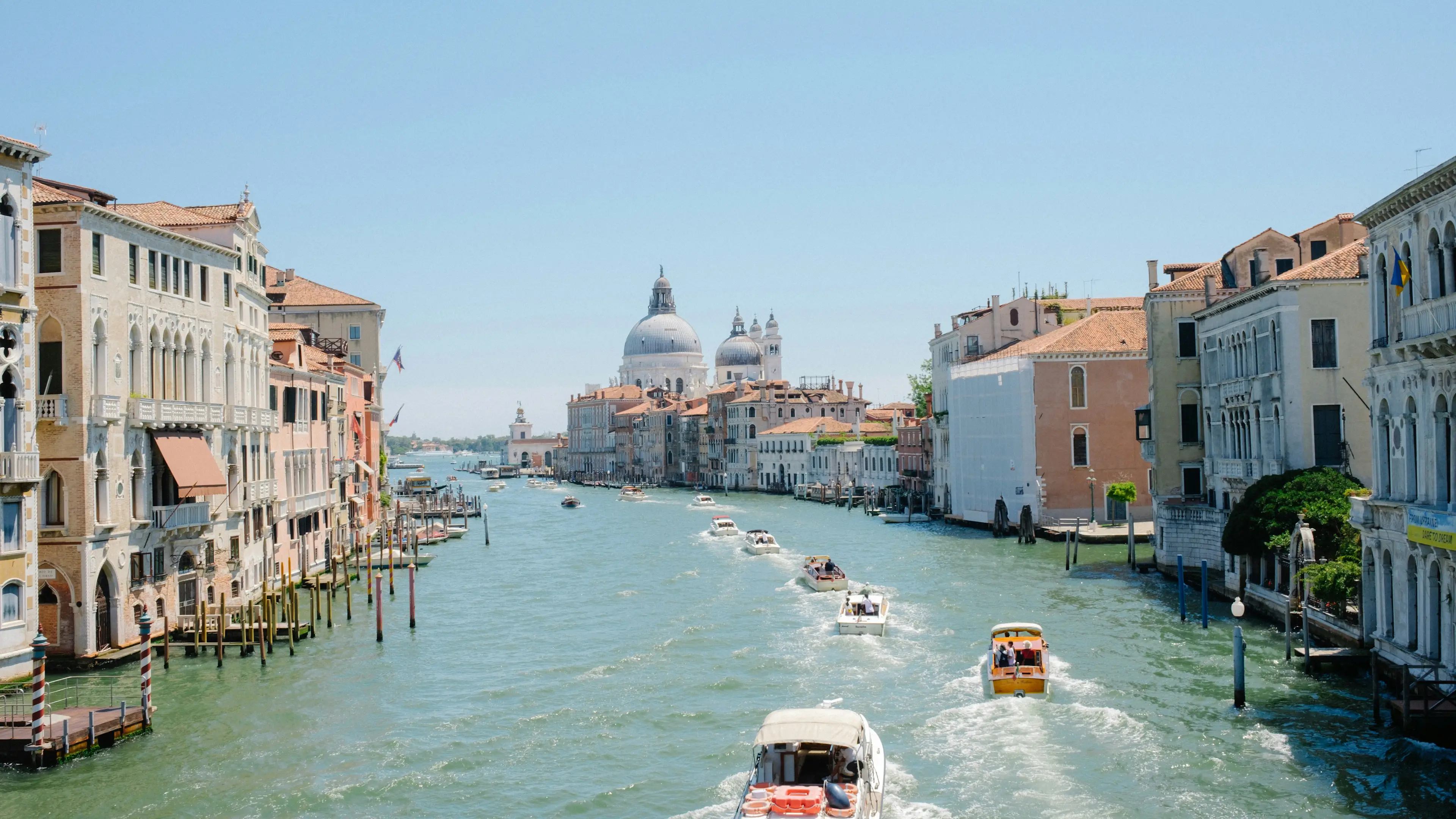
Two days are ideal if Venice is the final stop on a multi-city Italian tour. The first day covers the landmarks. The second is for the city's quieter side, once the cruise crowds thin out after 5:00pm and before 10:00am. No cars here. You get around on foot and by vaporetto (water bus) along the Grand Canal. Choose a place near Piazzale Roma or in Dorsoduro, and you're on foot from the moment you arrive.
Day 1 — St. Mark's Basilica and the Doge's Palace, the Bridge of Sighs, then Rialto. A vaporetto ride along the Grand Canal at sunset.
Day 2 — A more relaxed pace in Dorsoduro: the Gallerie dell'Accademia and the Peggy Guggenheim Collection. An afternoon spent getting lost in the sestieri of Cannaregio and Castello, away from the crowds.

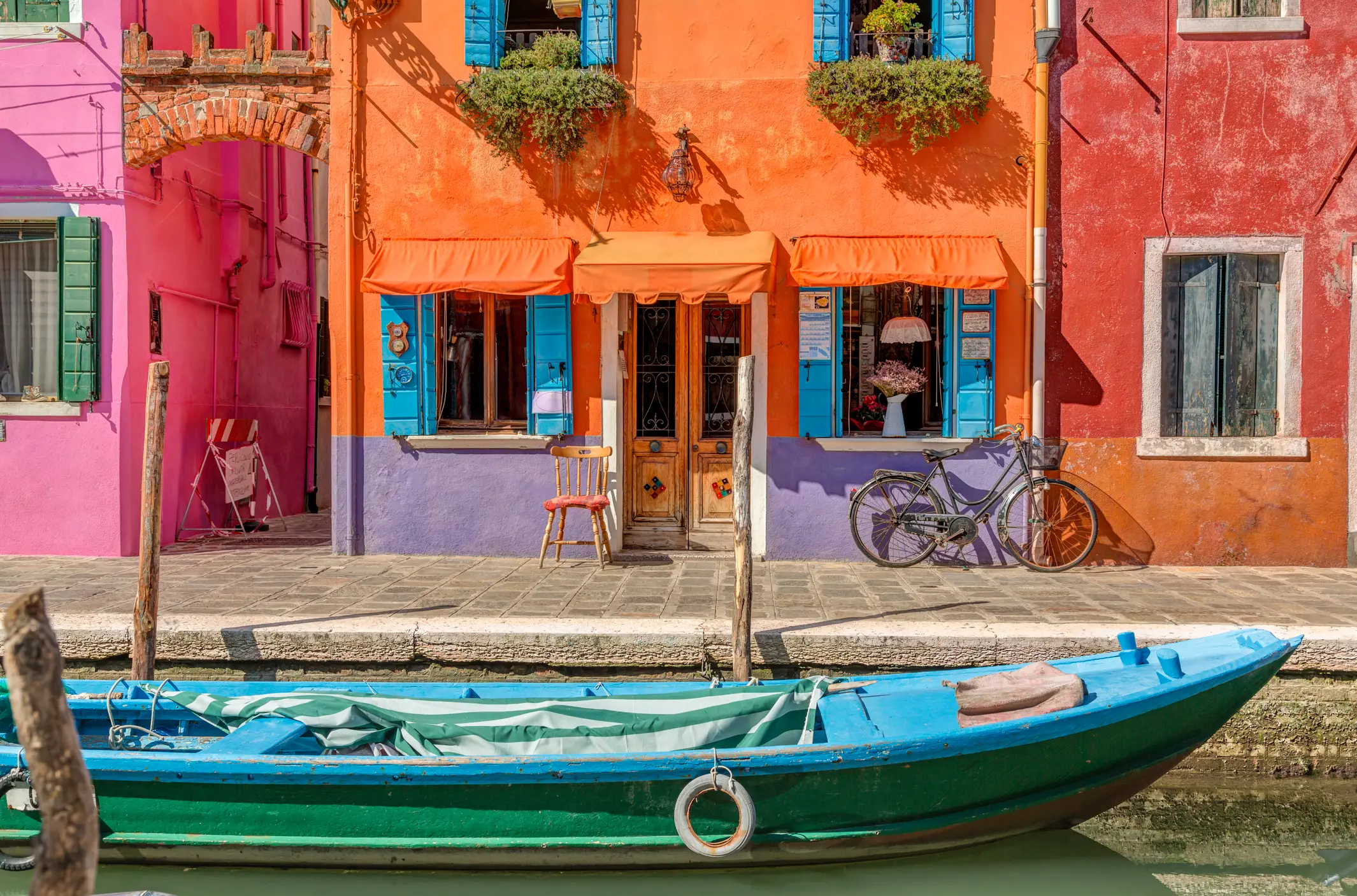
The third day belongs to the water. The lagoon islands are the reason to extend your stay, and each has its own character. Murano for glassmaking, Burano for its colorful fishermen's houses and lace, Torcello for the quiet island where Venice was born. A full day by boat covers all three. It is often the part of the trip that travelers remember longest.
Days 1–2 — The city: San Marco, the Rialto, Dorsoduro, and the quiet northern quarters.
Day 3 — A day on the lagoon by boat: Murano's glass studios, Burano's colored streets, Torcello's ancient cathedral.
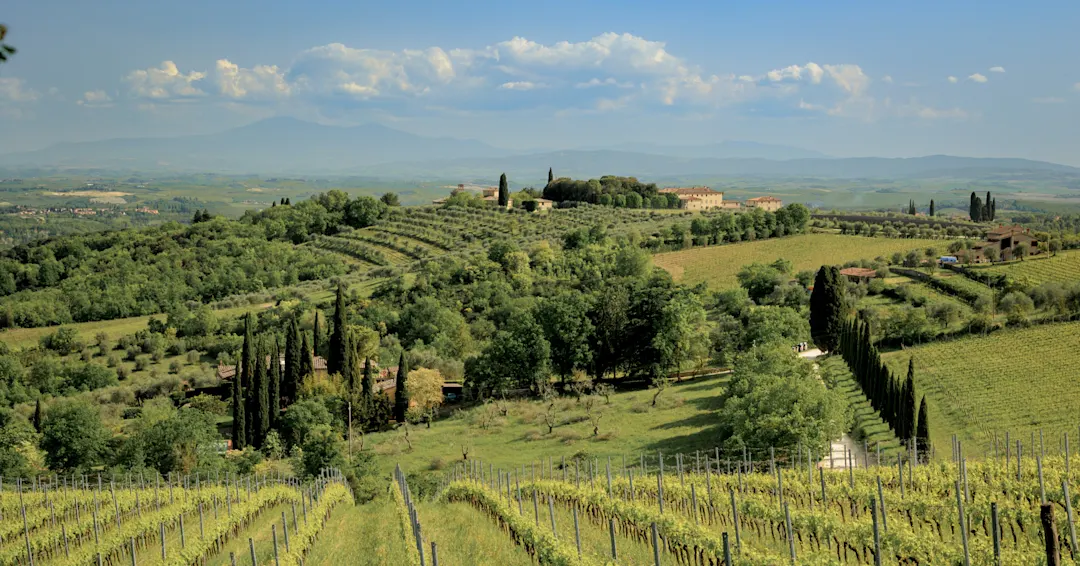
With four days, Venice becomes your starting point. The train station sits on the edge of the historic center, with fast connections to the rest of the North, so day trips are easy. Verona is about 70 minutes away. The Prosecco hills near Valdobbiadene make a relaxing day among the vineyards. The Dolomites rise a couple of hours to the north for those seeking the mountains. You keep your evenings in Venice, when the city is at its best.
Days 1–3 — Venice and the lagoon, unhurried.
Day 4 — A day trip: Verona and Juliet's balcony, the Palladian villas around Vicenza, or a Prosecco tasting in the hills.
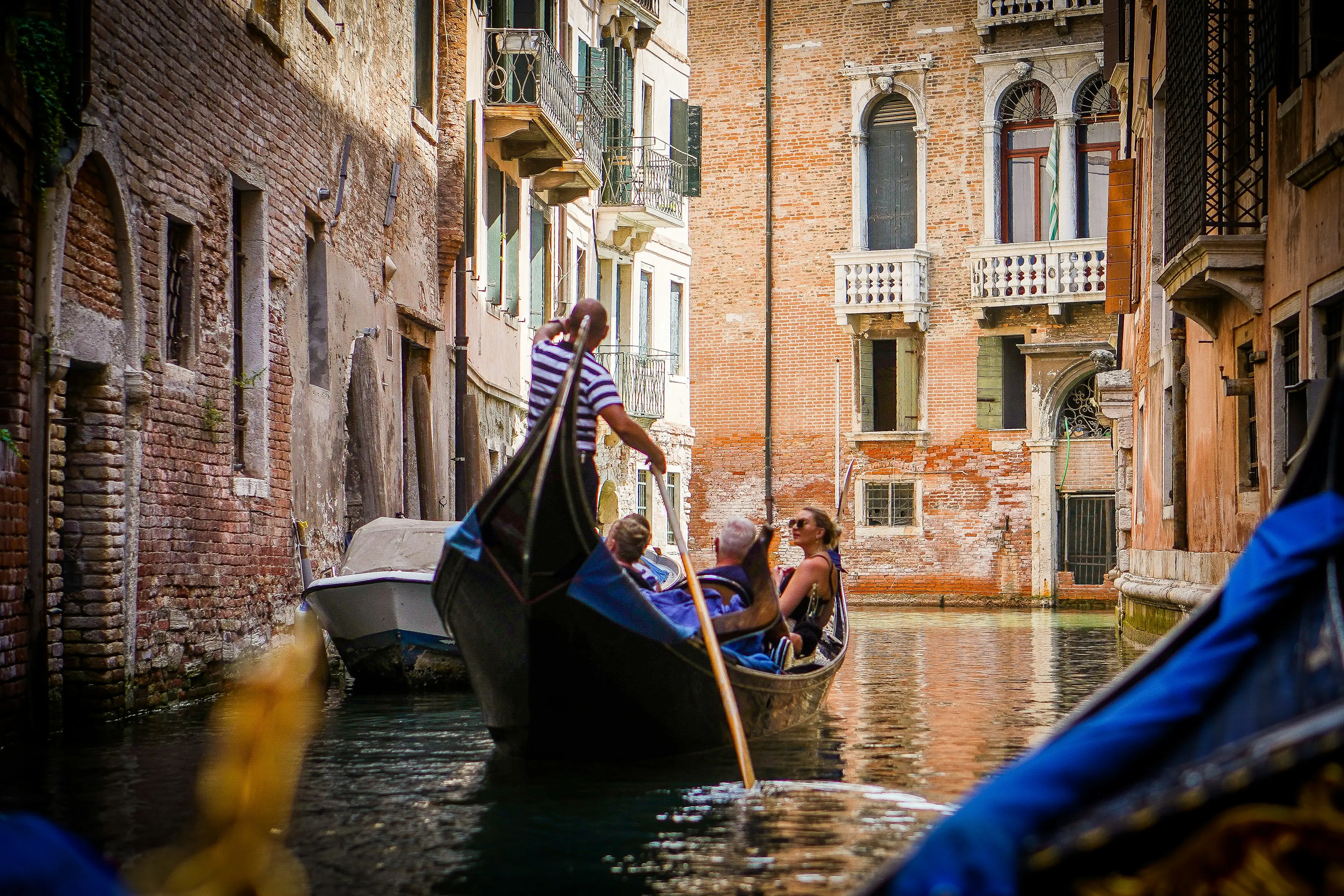
The lagoon, not just the city
This is what sets Venice apart from Rome or Florence. The historic center is small enough to see in one or two days. The length of your stay depends on how deeply you want to explore the lagoon. Two days is enough for the city itself. A third day adds the glassworks of Murano, the colorful houses of Burano, and the quiet of Torcello. A fourth day turns Venice into a base for Verona or the Prosecco hills. Decide how much distance you want between yourself and St. Mark's Square, and the number of days will follow. Start with our guide on things to do in Venice.
When you go
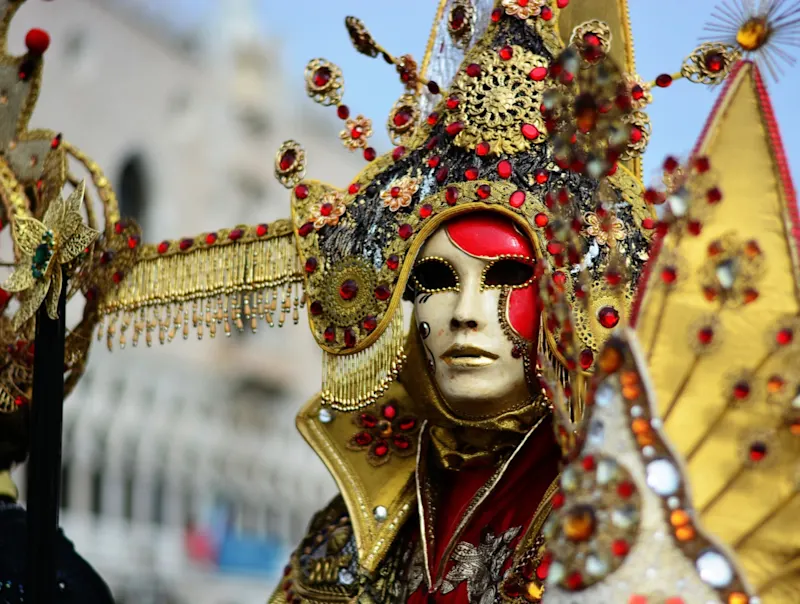
The season affects Venice more than most other cities. Spring (April–June) and early autumn (September–October) offer mild days and clear light over the lagoon. Summer is hot and lively but crowded. Enjoy the city in the early morning or late evening. Between October and December, you might meet acqua alta (high water) — a periodic phenomenon that briefly floods low-lying areas like St. Mark's Square. It is well-forecast and managed with raised walkways, rarely causing delays of more than an hour. Winter is the quietest and most atmospheric season, and February brings Carnival and its masks. For a seasonal overview, consult our guide on the best time to visit Italy.
Getting around
There are no cars in the historic center of Venice, a factor that shapes how you plan. You arrive at Santa Lucia station or Piazzale Roma and continue on foot or by vaporetto (water bus). Travel light, given the many bridges and staircases. Within the city itself, walking often beats the vaporetto. For destinations outside the city, fast rail connections make day trips easy without eating into your time. Verona is about 70 minutes away, Florence around two hours, and Milan two and a half. Prefer to drive between stops in Northern Italy? See our Italy road trip guide.