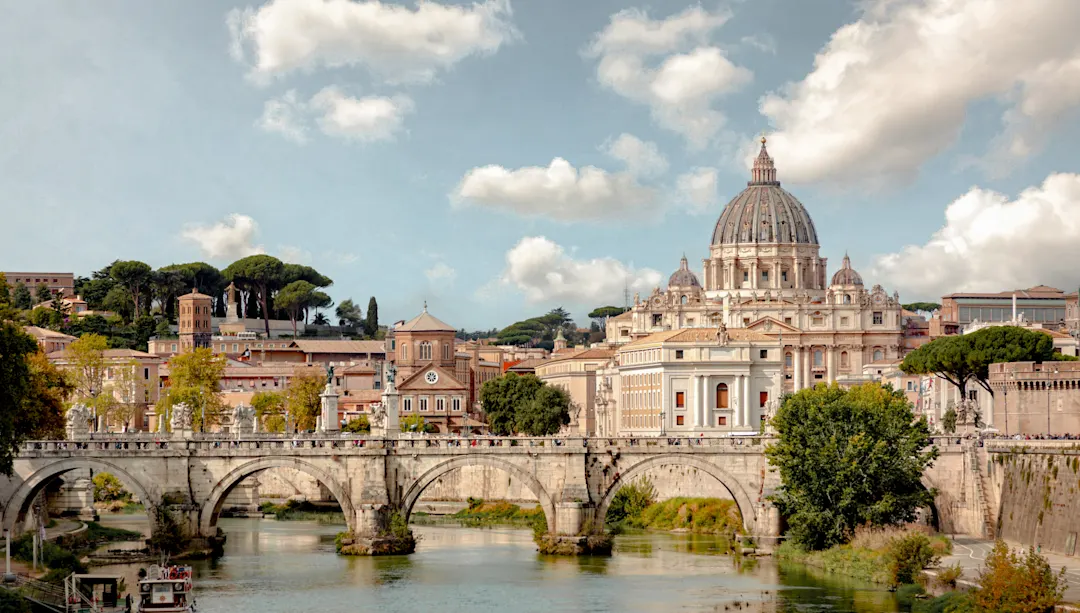

How many days in Rome?
The right length for Rome — alone or as one stop on a wider Italy trip
Plan your Trip
Your tailor-made itinerary – No cost, no commitment
Excellent
4.6 of 5
6,137Reviews
Excellent
Recommended trip duration
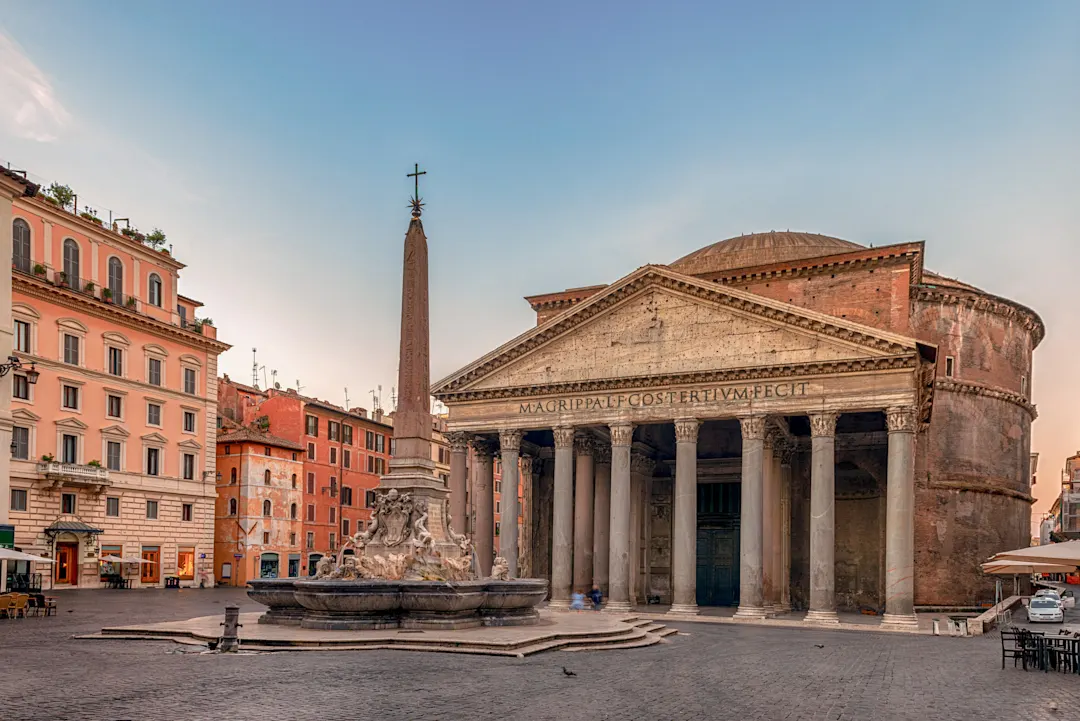
Most people ask me how to fit Rome into two days. I ask them the other question first: is this the whole trip, or one stop on the way to Florence and the coast? That answer changes everything. Two days is enough to stand inside the Pantheon and the Colosseum. But the Rome I'd book for myself has a slow morning at the Testaccio market, a Borghese booking made weeks ahead, and a day out in Tivoli when the city gets loud. Give it the time and it stops being a checklist.
Roman Karin
Certified Italy specialist
- 300+ trips planned
- Personally visited 8 times
- 8+ years of experience
- Specialist in Fiji, Malaysia, and Sri Lanka
Plan your trip for free
Your tailor-made itinerary – No cost, no commitment
The ideal duration depends on one factor: whether Rome is your sole destination or just one stop on a broader Italian itinerary. Two or three days cover the city's heart. Four or five days add other neighborhoods and a day trip outside the city, without missing out on anything. With less than two days, you'll choose between Ancient Rome and the Vatican. With more than five days, you can plan a trip through Lazio using Rome as your base.
2 days — Ancient Rome and the Vatican; ideal if the city is a stop on a longer Italian trip. See the two, then continue by high-speed train.
3 days — The perfect duration for a first visit. You see all the essentials, avoid rushing, and enjoy a real evening in Trastevere.
4–5 days — Rome at a local pace. You have time for a day trip into Lazio or a more leisurely morning.
With less than two days, you are passing through. Beyond five days, Rome turns into a base for the whole region — a different kind of trip.
| Days in Rome | Best for | Combine with — wider Italy route |
|---|---|---|
| 2 days | A first taste on a multi-city trip | Rome ▸ Florence ▸ Venice |
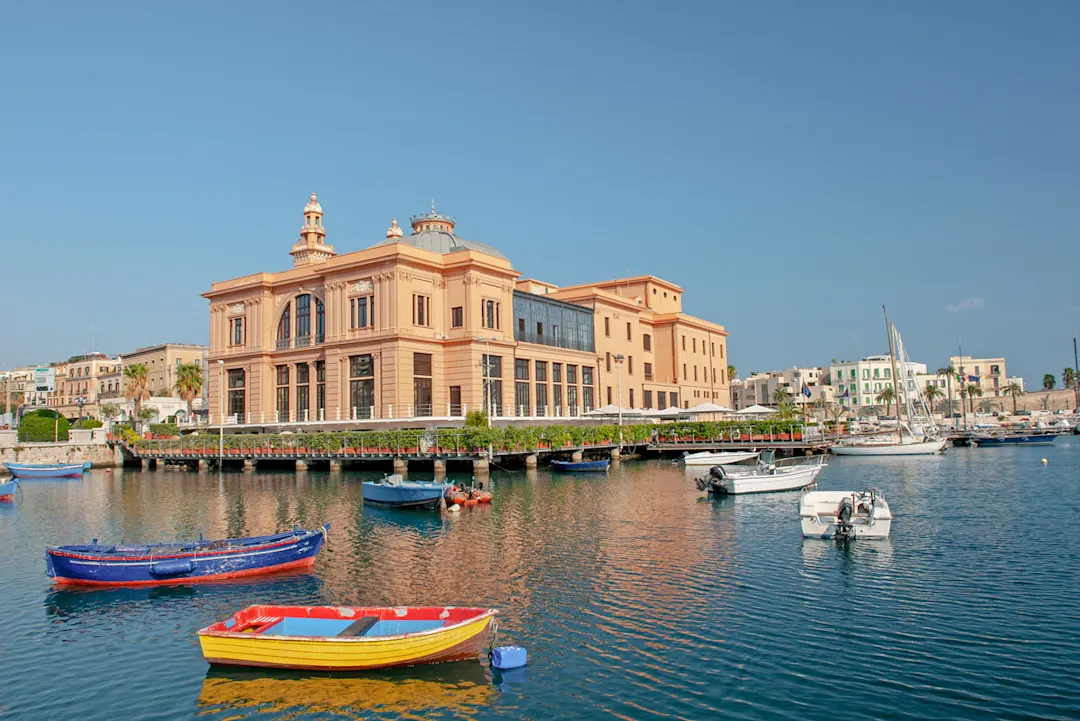
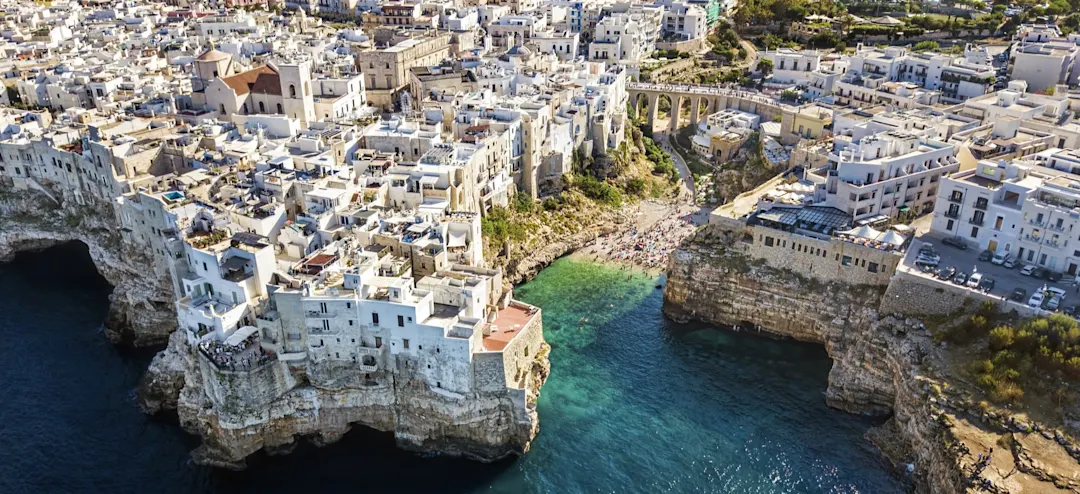
| 2 days | Heading south | Rome ▸ Bari ▸ Lecce (Apulia — by train) |
| 3 days | A first visit — unrushed | Rome ▸ Florence ▸ Tuscany |
| 3 days | Culture meets coast | Rome ▸ Naples ▸ Amalfi Coast |
| 4 days | Rome plus one Lazio day trip | Rome + Tivoli or Ostia Antica |
| 5 days | Rome on its own — at a local pace | Rome only + optional day trips |
| 6–7 days | Rome and its region — in full | Rome + Tivoli + Assisi |
These stages are a guide, not a fixed route — every trip is tailored to you.

Plan for free
Custom holiday packages and trips that fit your budget

Personalized for you
Itineraries built exactly to your needs

Private VIP guides
A personal English-speaking, native-European travel expert for every step

Peace-of-mind support
Full service assistance before, during, and after your trip
Two days are enough to see ancient Rome and the Vatican properly, but not much else. This duration is ideal when Rome is the centerpiece of a broader Italian itinerary, not the sole destination. High-speed trains handle the rest. Florence is about 90 minutes north, and Naples just over an hour south. Our experts' one rule for a two-day stay in Rome: book all timed-entry tickets in advance, or you'll spend half your time in line.
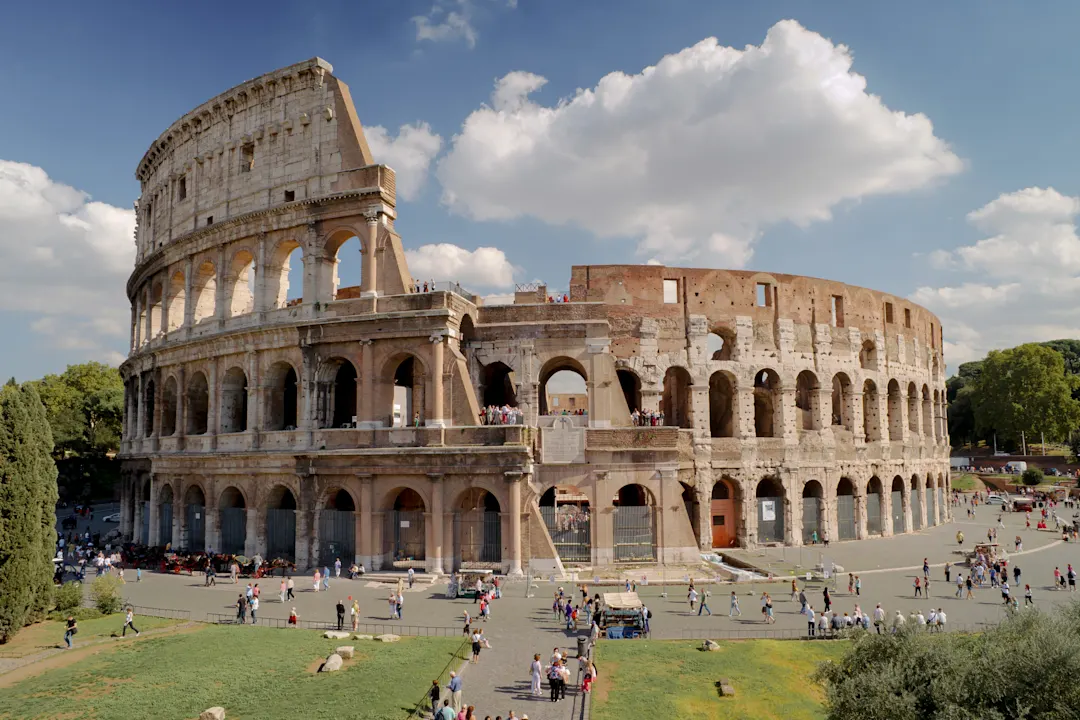
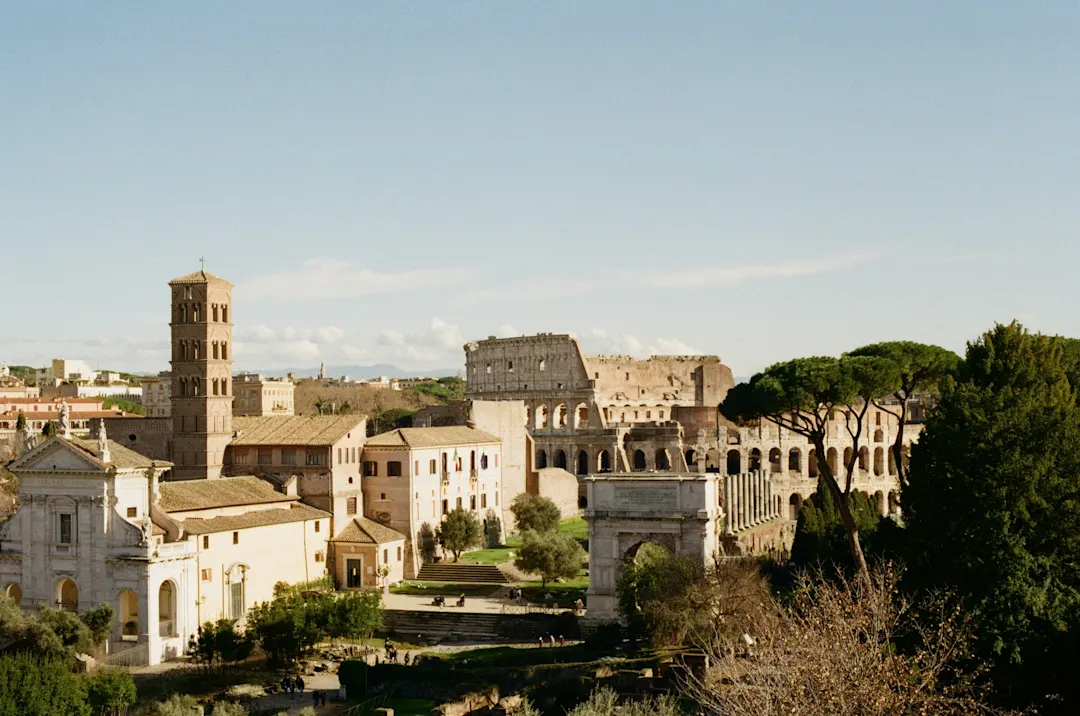
Day 1 — Colosseum, Roman Forum, and Palatine Hill. Evening on foot through the historic center: Pantheon, Piazza Navona, Trevi Fountain.
Day 2 — Vatican Museums, Sistine Chapel, and St. Peter's Basilica. An afternoon in Trastevere before departing by train.


Three days is the recommended choice for first-time visitors to Rome. You can see all the main attractions, include the Borghese Gallery and its gardens, and enjoy a relaxed evening in Trastevere instead of rushing. You won't miss out on anything for lack of time. Book your visit to the Borghese Gallery well in advance. Entry runs in two-hour time slots, and tickets often sell out days ahead.
Day 1 — Colosseum, Roman Forum, and Palatine Hill.
Day 2 — Vatican Museums, Sistine Chapel, and St. Peter's Basilica.
Day 3 — Borghese Gallery (book ahead), then the historic center — Pantheon, Piazza Navona, and the Spanish Steps.

Five days let you take Rome at a more leisurely pace. Beyond everything a shorter trip covers, you can explore the neighborhoods where Romans live — the Jewish Ghetto or the food scene in Testaccio — or spend a relaxed morning at a market. There is also time for a day trip into Lazio, without sacrificing anything in the city itself.
Days 1–3 — Ancient Rome, the Vatican, the Borghese, and the historic center.
Day 4 — Roman neighborhoods and food: Ghetto, Testaccio, Trastevere.
Day 5 — A day trip into Lazio or a second, more relaxed visit to a site you particularly enjoyed.
Your wider trip
Rome is rarely the only destination on a trip. How long you give it depends on what surrounds it. If it is part of a broader Italian itinerary, 2–3 days cover the highlights before you move on. If it is your only destination, 4–5 days let you slow the pace and add a day trip into Lazio. To discover attractions to visit during this time, check out our guide on things to do in Rome.
When you go
The time of year you choose affects both crowd levels and the pace of your visit. Spring (April–June) and autumn (September–October) offer mild weather and shorter lines at the Vatican and Colosseum. That makes them ideal for most travelers. Summer is hot and crowded, though the long evenings have a charm of their own. Winter is the quietest and best value. Major attractions stay open, and you can visit them at a leisurely pace. For a seasonal overview, consult our guide on the best time to visit Italy.
Getting around
Rome's historic center is easily explored on foot, and the main attractions sit close together — a short taxi or metro ride apart. For travel outside the city, high-speed trains make day trips easy without eating into your time. Florence is about 90 minutes away, Naples just over an hour, and Venice less than four. Prefer to drive the countryside between stops? See our Italy road trip guide.
What you're here for
The length of your trip depends as much on your interests as on the map. History and art alone can fill three packed days, from Ancient Rome to the Vatican and the Borghese Gallery. Add food, markets, and neighborhoods like Testaccio and Trastevere — or a day trip to Tivoli or Ostia Antica — and a four- or five-day stay is the better fit. To discover lesser-known spots for your itinerary, read our experts' Italy insider tips.